Freelance 2030: How AI is Revolutionizing Matching and Career Optimization

A freelance developer receives three perfectly matched mission proposals in less than five minutes. Their platform suggests an optimal rate based on the analysis of thousands of similar projects. This scene, futuristic just a few years ago, is becoming the norm on modern collaborative economy platforms.
With over 76 million freelancers in the United States according to Upwork, the independent work economy is undergoing a radical transformation. Artificial intelligence is emerging as the catalyst for this change, redefining the codes of matching and career optimization.

The Algorithm Becomes Team Leader: The Smart Matching Revolution
Today's freelance platforms analyze hundreds of variables to connect talent and opportunities. Skill tags, performance history, client ratings, price elasticity, contextual project data: these algorithms scrutinize every detail to create precise matches.
This data-driven approach halves traditional search time while significantly improving the accuracy of matches. European freelancers using AI tools see their project completion rates increase, while global adoption of AI for matching is expected to reach 80% by 2030, as mentioned in a report on the freelance platforms market.
Continuous Learning at the Heart of the System
These algorithms constantly evolve through reinforcement learning. Every completed contract feeds the machine: successes, failures, deadlines, client satisfaction. This continuous improvement loop allows systems to recalibrate their recommendations and refine their pricing suggestions.
"AI now allows platforms to suggest optimal rates by analyzing market demand, competitor prices, and individual productivity patterns."
Personalization reaches unprecedented levels. A graphic designer specializing in visual identity will receive tech company rebranding projects, while a React developer will be offered frontend missions for growing startups.
Examples of AI Optimization
| AI Component | Key Functionality | Benefit for the Freelancer |
|---|---|---|
| Smart Matching | Skill and history analysis | 50% reduction in search time |
| Reinforcement Learning | Recommendation recalibration | Continuous improvement of suggestions |
| Advanced Personalization | Proposal adaptation | Increased relevance of received missions |
Data Analytics: The GPS for a Freelance Career
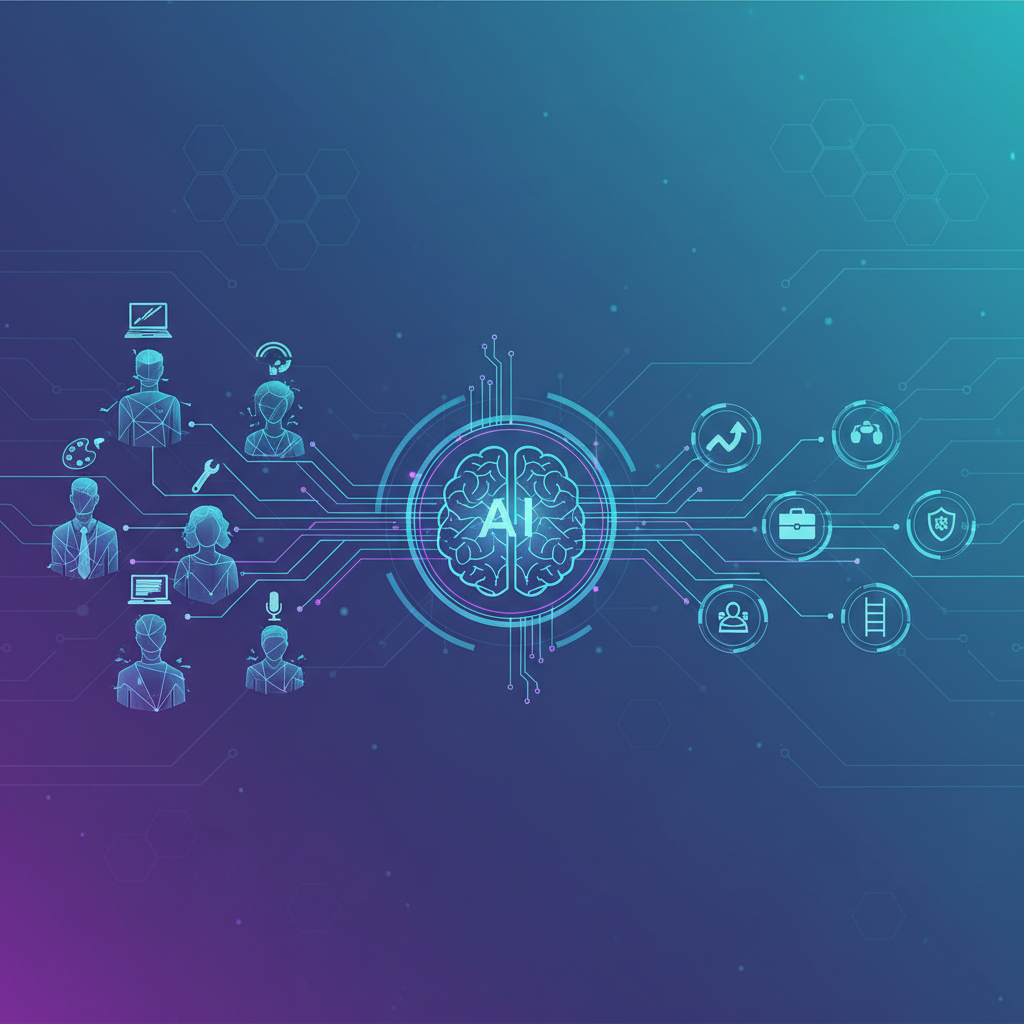
Analytical dashboards transform freelancers into true career strategists. These tools aggregate income, client feedback, and skill gap analyses to reveal actionable insights.
Identifying emerging skills becomes automated. A web writer discovers that technical SEO expertise generates 40% more revenue in their niche. A marketing consultant realizes that automation via Make or Zapier represents a promising niche.
Smart Diversification of Service Portfolios
AI guides the strategic diversification of services. It analyzes market trends, identifies complementarities, and suggests targeted training via micro-learning modules. This approach allows freelancers to anticipate sectoral developments rather than merely react to them.
Recommendations are based on concrete data: growing sectors, in-demand skills, optimal price ranges. Gone are intuitive decisions; welcome data-driven strategy.
Real-time Pricing Optimization: The End of Fixed Rates
Dynamic price adjustment represents one of the major upheavals. Algorithms continuously analyze supply and demand, niche specializations, seasonal cycles, and competition to suggest optimized rates.
A blockchain-specialized developer can adjust their prices according to:- The technical complexity of the project
- The urgency expressed by the client
- The availability of experts in their niche
- Crypto market trends
This smart pricing maximizes income while remaining competitive. For clients, it ensures greater transparency and optimized value for money.
The Algorithm's Blind Spots
Algorithmic bias is the flip side of this technological coin. Certain less profiled or emerging skill sets can be disadvantaged by systems that prioritize established historical patterns, as explained in an article on AI and the gig economy.
This algorithmic competitive pressure also intensifies the race to the bottom on prices. AI facilitates the entry of new low-cost providers, creating income volatility that affects a majority of freelancers.
Digital Divide and Access Equity
Unequal access to AI training widens the gap between freelancers. Professionals in developed regions benefit from advanced tools and specialized training, while others remain excluded from this digital transformation.
This disparity raises fundamental questions of equity. How can we ensure that the algorithmic advantage benefits the entire freelance ecosystem? Skill development policies become crucial to avoid market segmentation. You can consult our article on GAFAM and the legal battle for an overview of regulatory challenges related to big tech and equity.
Towards a Smart Hybridization of Work
The future of freelancing probably does not lie in the total replacement of salaried employment, but in a more advanced hybridization between statuses. AI facilitates this transition by allowing professionals to alternate between independent missions and salaried jobs according to opportunities.
Platforms are developing career transition tools that analyze profiles and suggest optimized paths. An employee in career transition can thus test freelancing on short missions before making the definitive leap.
This flexibility meets the expectations of a new generation of workers who prioritize autonomy and variety of experiences. Companies, for their part, find increased agility to adapt to market fluctuations, as discussed in our entrepreneurial guide on sustainable social impact.
Artificial intelligence is fundamentally reshaping the freelance ecosystem. Between optimization opportunities and the risks of division, this transformation requires continuous adaptation from all stakeholders. Freelancers who master these algorithmic tools will gain a significant advantage in an increasingly sophisticated market.
To navigate effectively in this new era, it becomes essential to develop a strategic approach combining business expertise and mastery of AI tools. The future belongs to those who can make the algorithm an ally rather than a competitor.