
Space Conquest: The Moon and Mars in Humanity's Sights
Humanity is preparing to cross a historic threshold: permanent lunar bases by 2026 and the first crewed missions to Mars in the 2030s.

20 published articles
Humanity is preparing to cross a historic threshold: permanent lunar bases by 2026 and the first crewed missions to Mars in the 2030s.
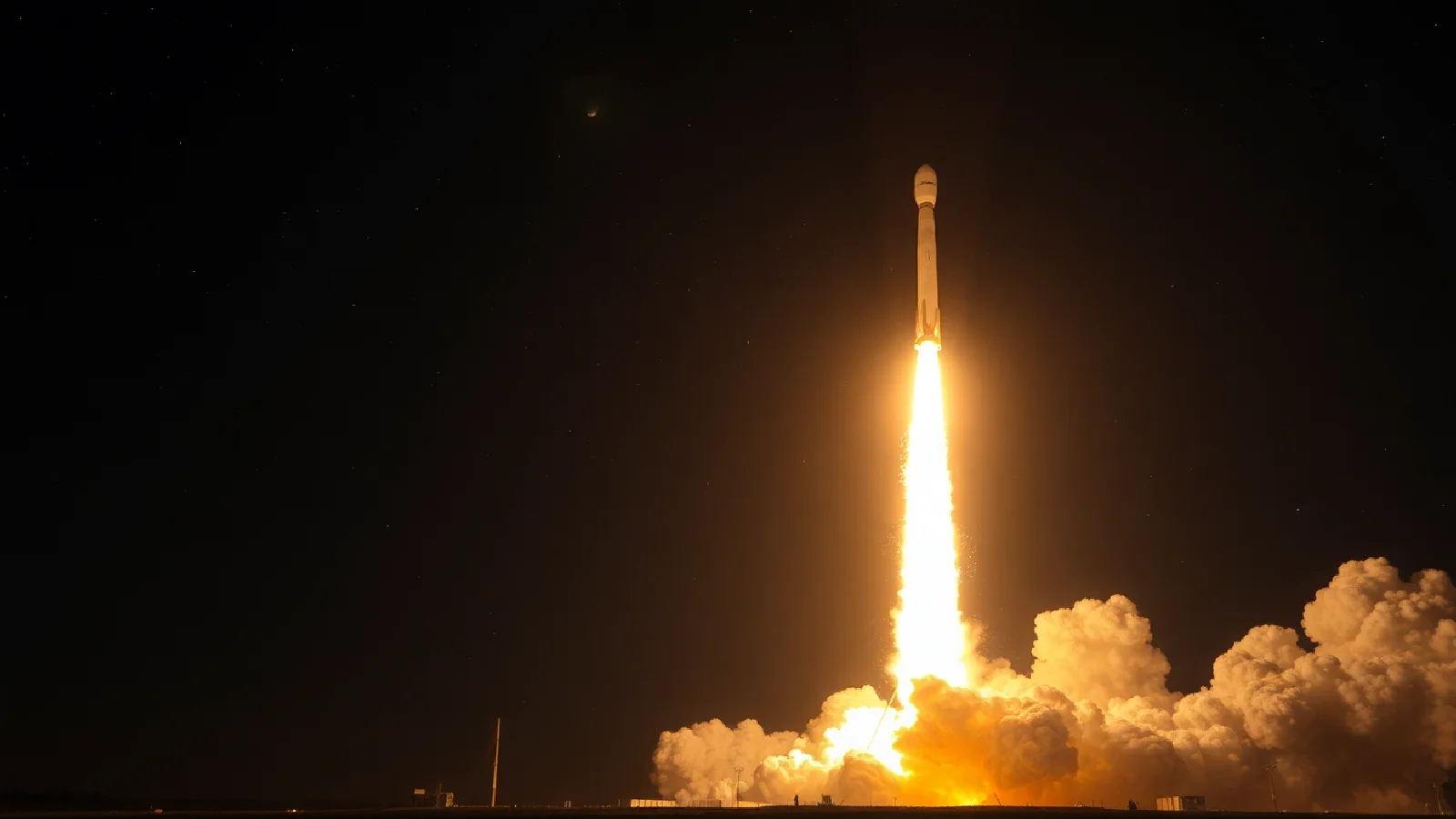
On May 7, 2026, SpaceX completed its 50th Falcon 9 mission of the year. An industrial pace, a constellation exceeding 10,200 satellites: a transformation redefining internet access.
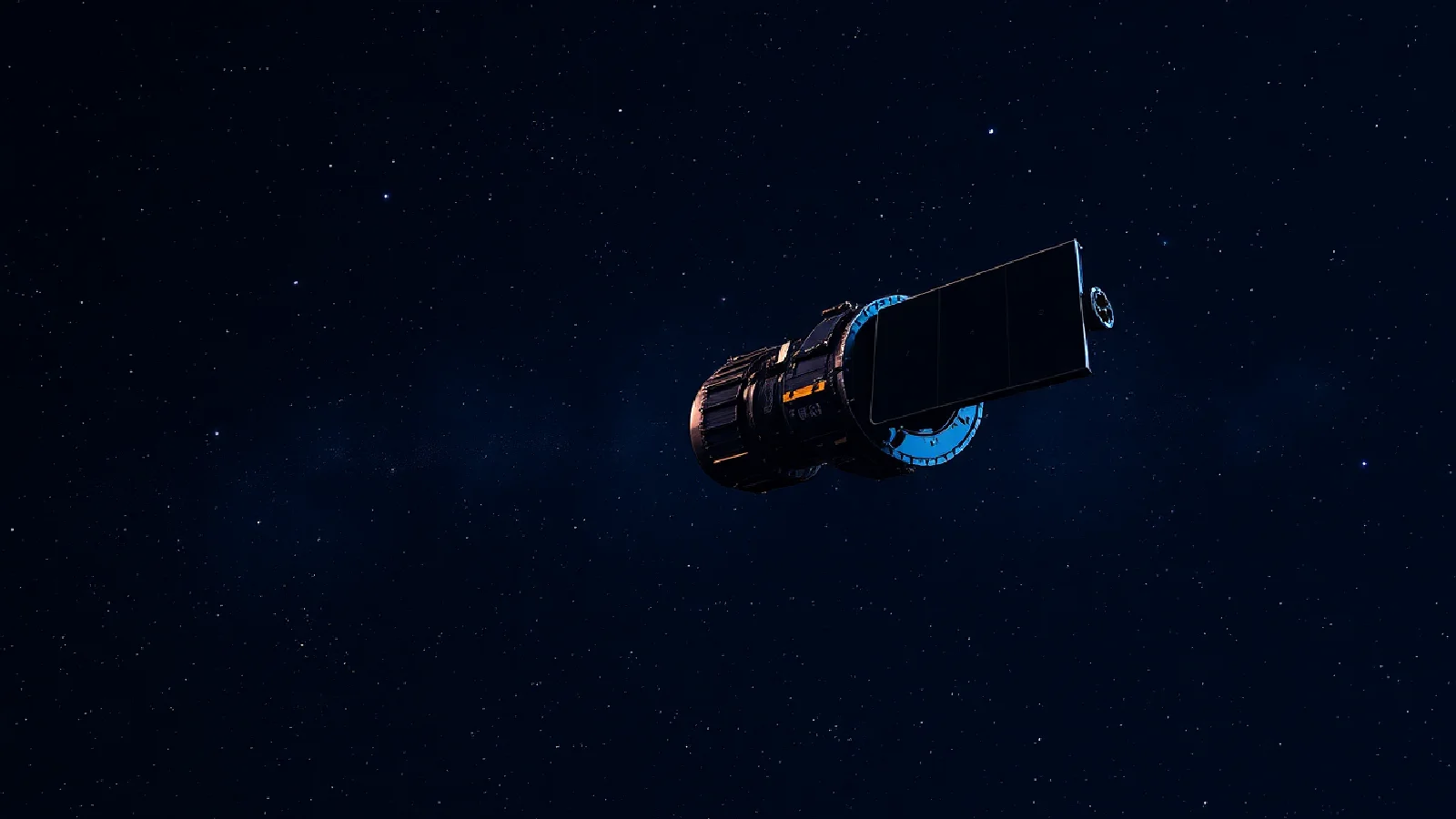
The JWST's groundbreaking observations challenge our cosmological models with massive galaxies in the early Universe, paving the way to resolve the Hubble tension.
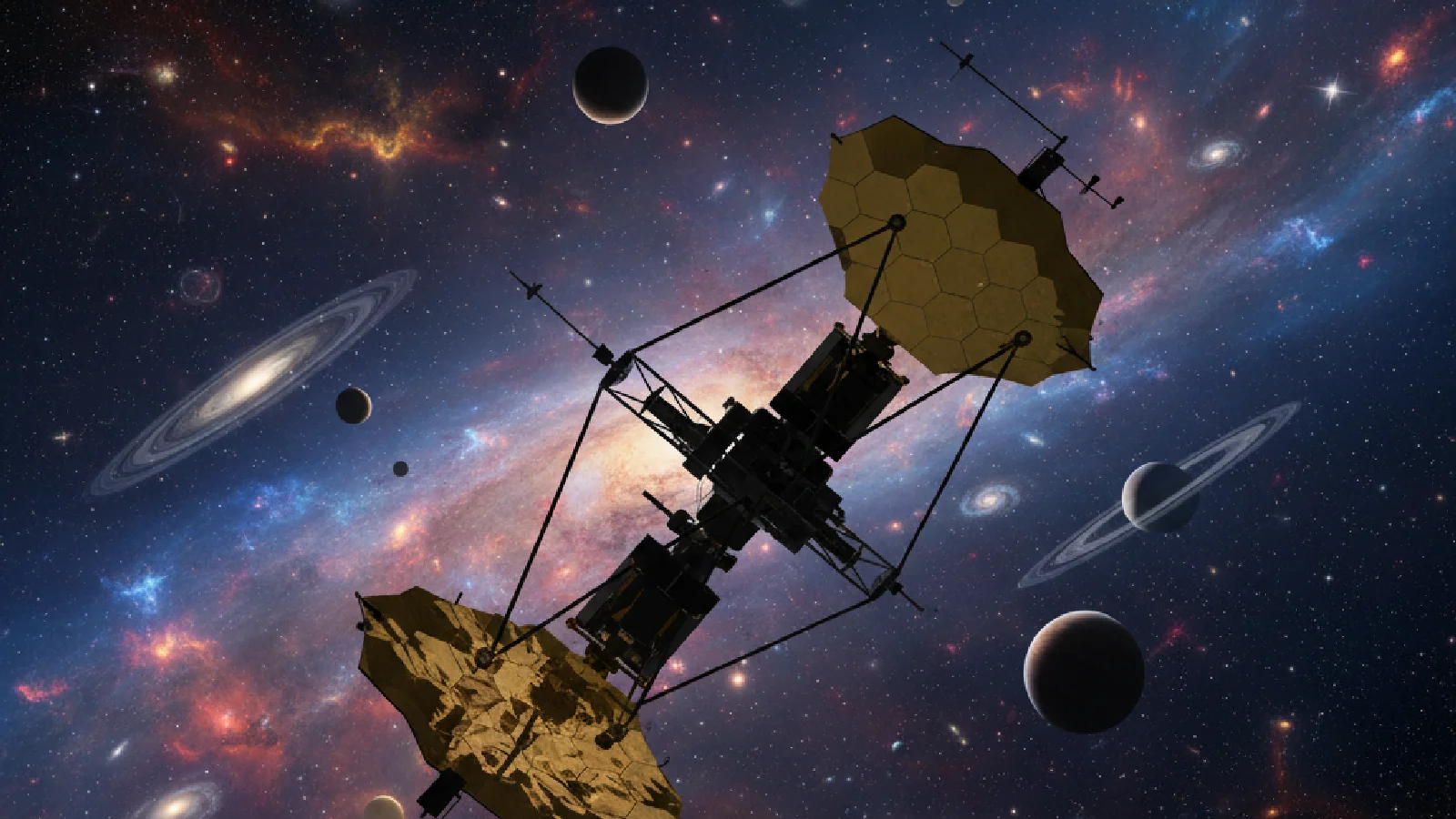
The assembly of the Roman Telescope has just been completed, promising to detect 100,000 exoplanets and unravel the mysteries of dark energy thanks to a revolutionary field of view.
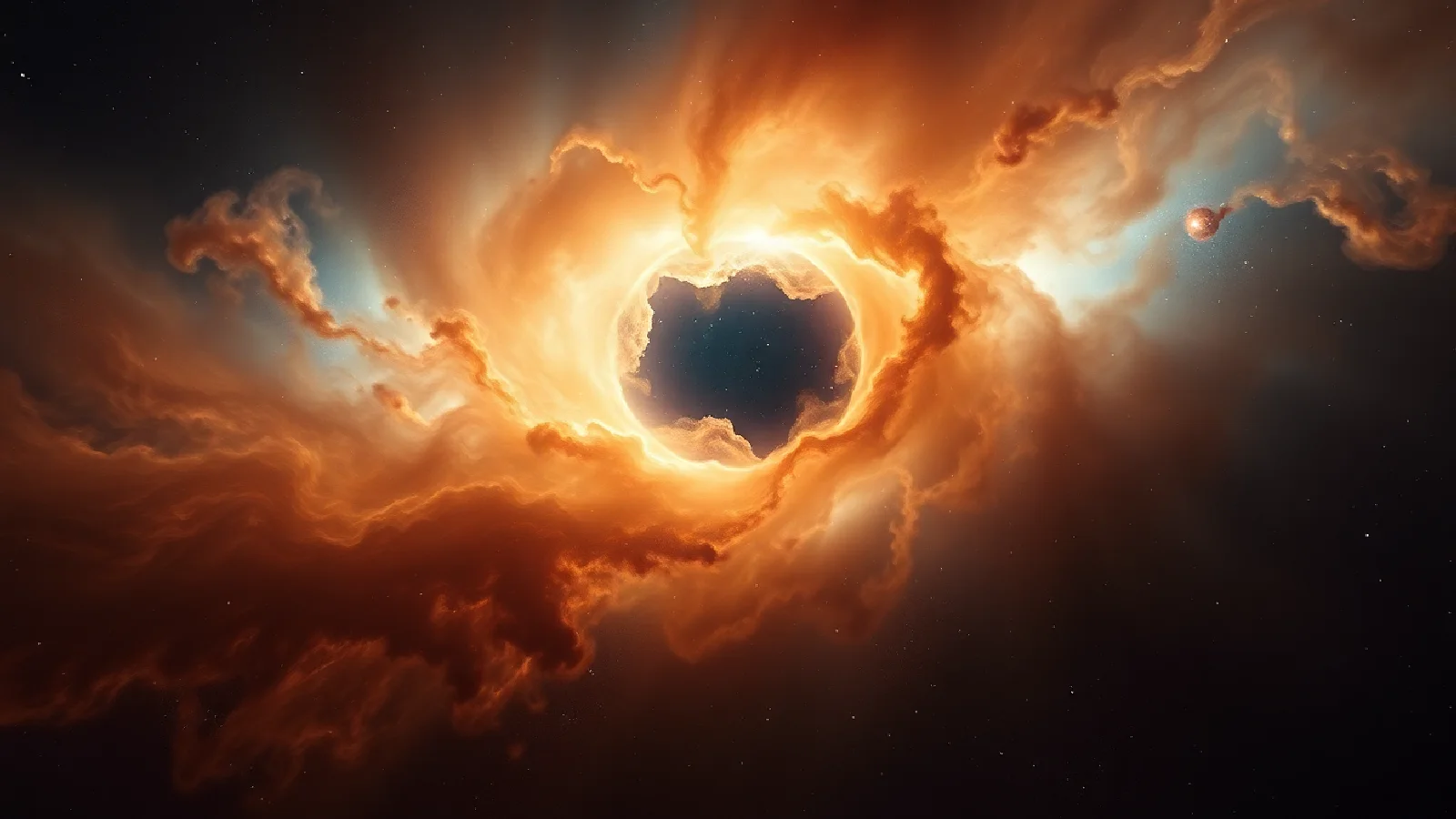
Revolutionary theories are replacing the infinite singularity of black holes with finite-density cores, ushering in a new era in modern astrophysics.
The Perseverance rover is revolutionizing Martian exploration with its exceptional autonomy, covering over 40 km in automatic mode to track signs of ancient life.
The Roman and Webb telescopes form a revolutionary duo for studying dark energy. The former maps the universe on a large scale, while the latter scrutinizes the details.
SETI scans for artificial alien signals while NASA searches for chemical traces of life. Two complementary approaches to solving the cosmic mystery.
Magnetars, with their colossal magnetic fields, could they be shaping the immense radio halos detected in galaxy clusters? An investigation at the frontiers of the Universe.
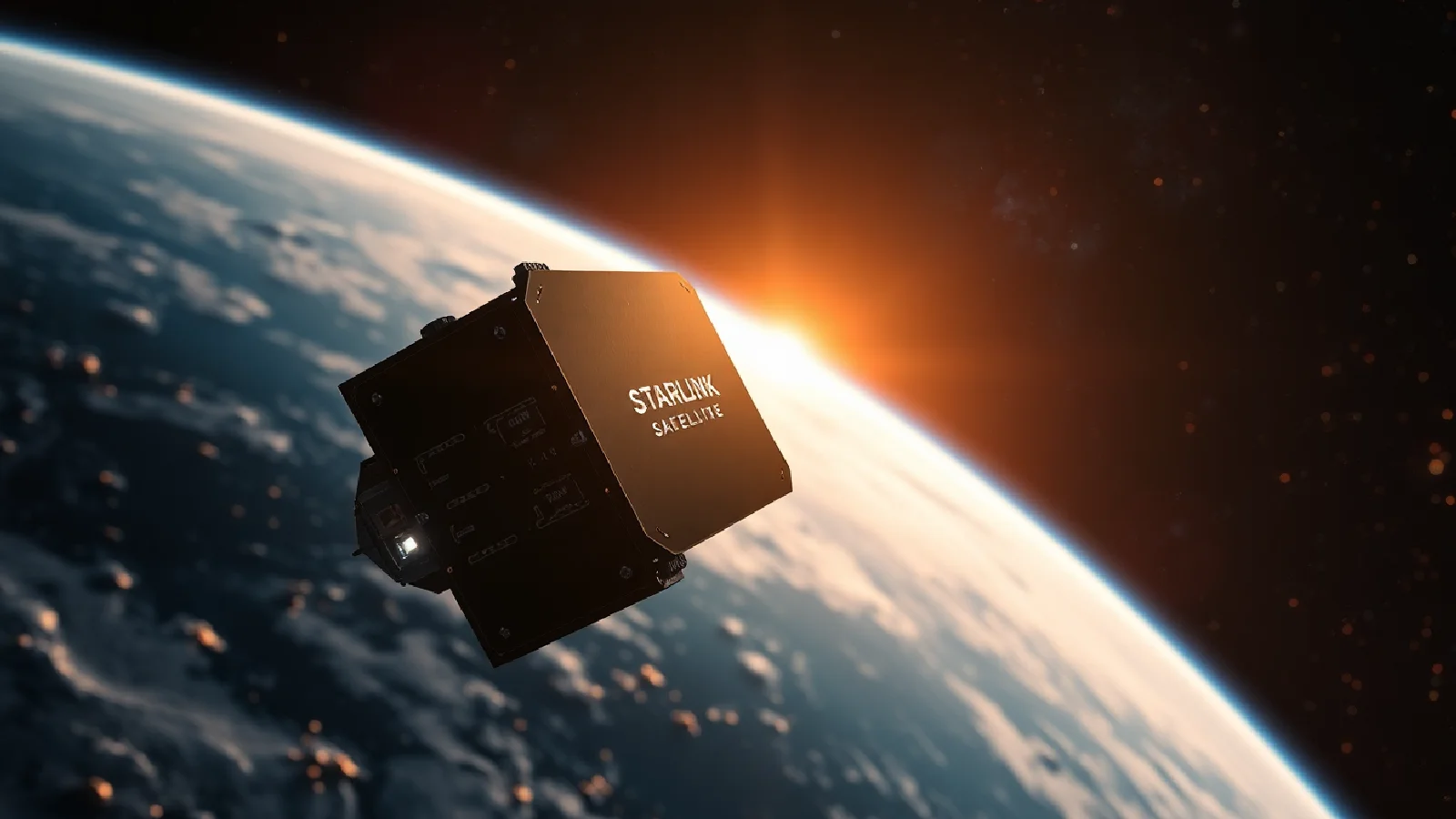
The Starlink constellation now exceeds 9,000 active satellites, posing unprecedented challenges for space surveillance and orbital anomaly management.
In 2026, two complementary approaches dominate the search for extraterrestrial life: the analysis of atmospheric biosignatures and the detection of radio technosignatures.

With nearly 400 days in orbit, Thomas Pesquet has transformed the perception of European space exploration and catalyzed ESA's commitment to future lunar missions.
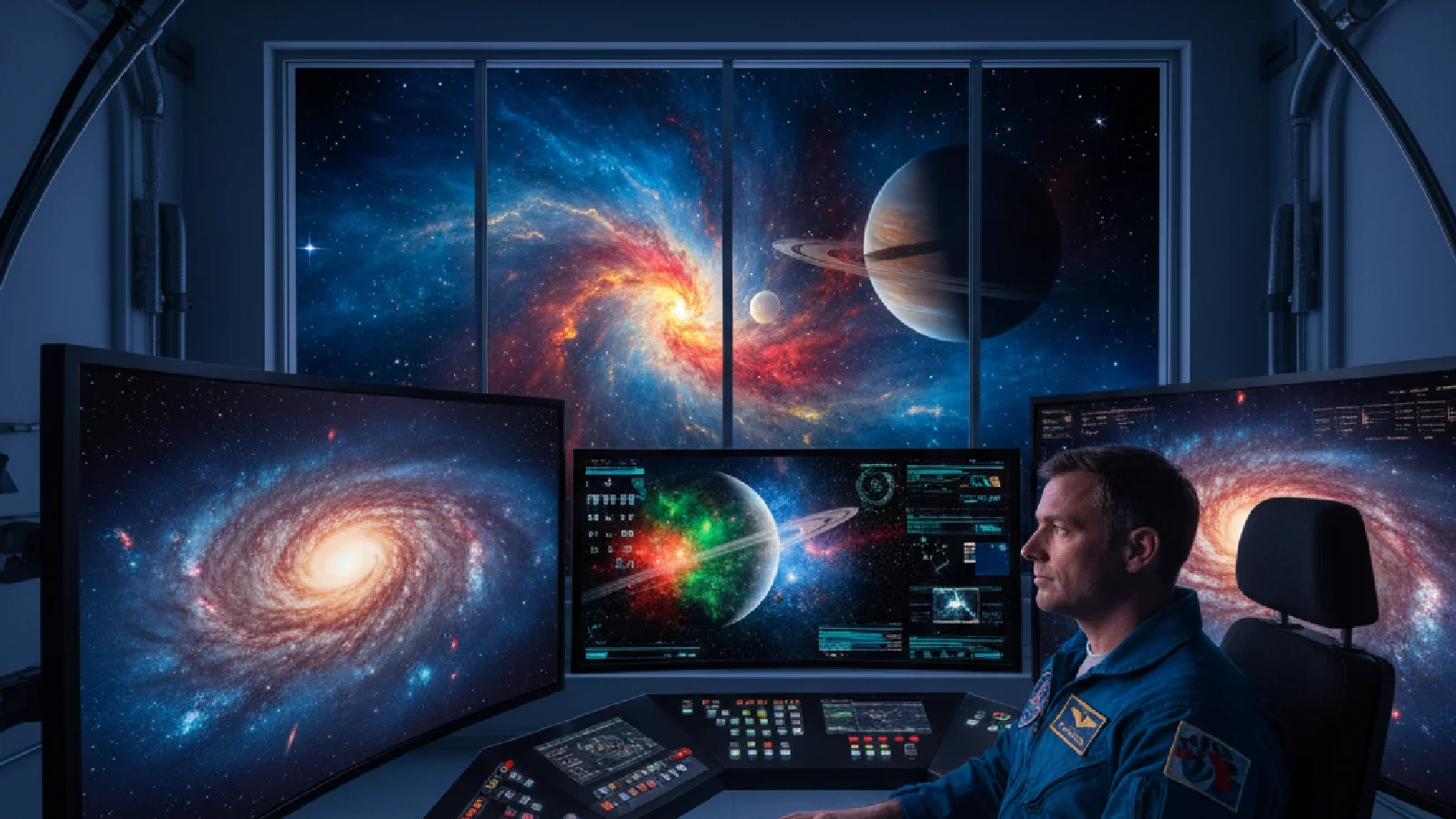
Thomas Pesquet embodies the model of the 21st-century European astronaut. What skills and training will be necessary to prepare for spaceflights beyond the ISS?
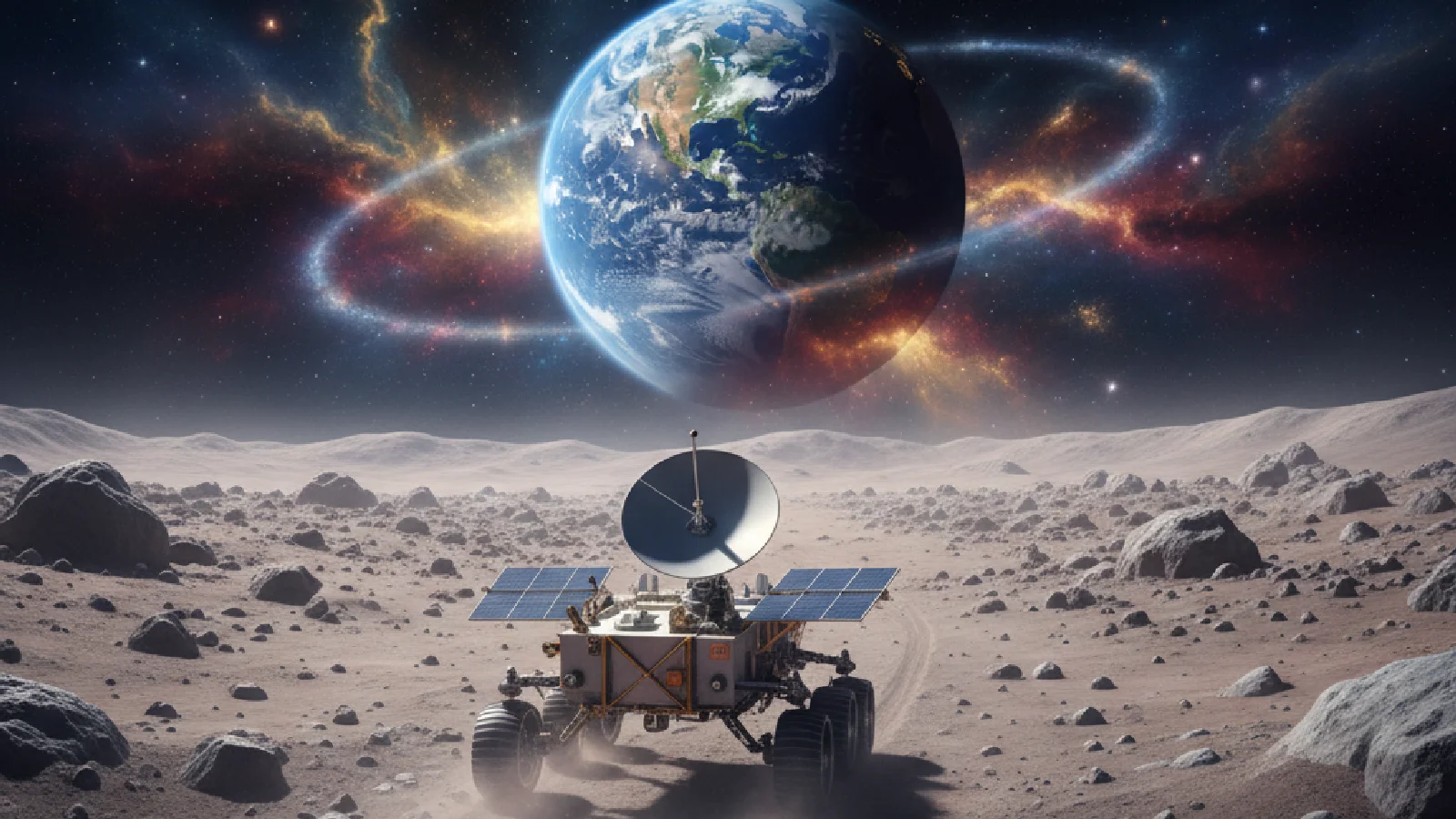
In 2025, China achieved crucial milestones in its lunar conquest with the successful test of Long March 10 and revolutionary Chang'e missions.
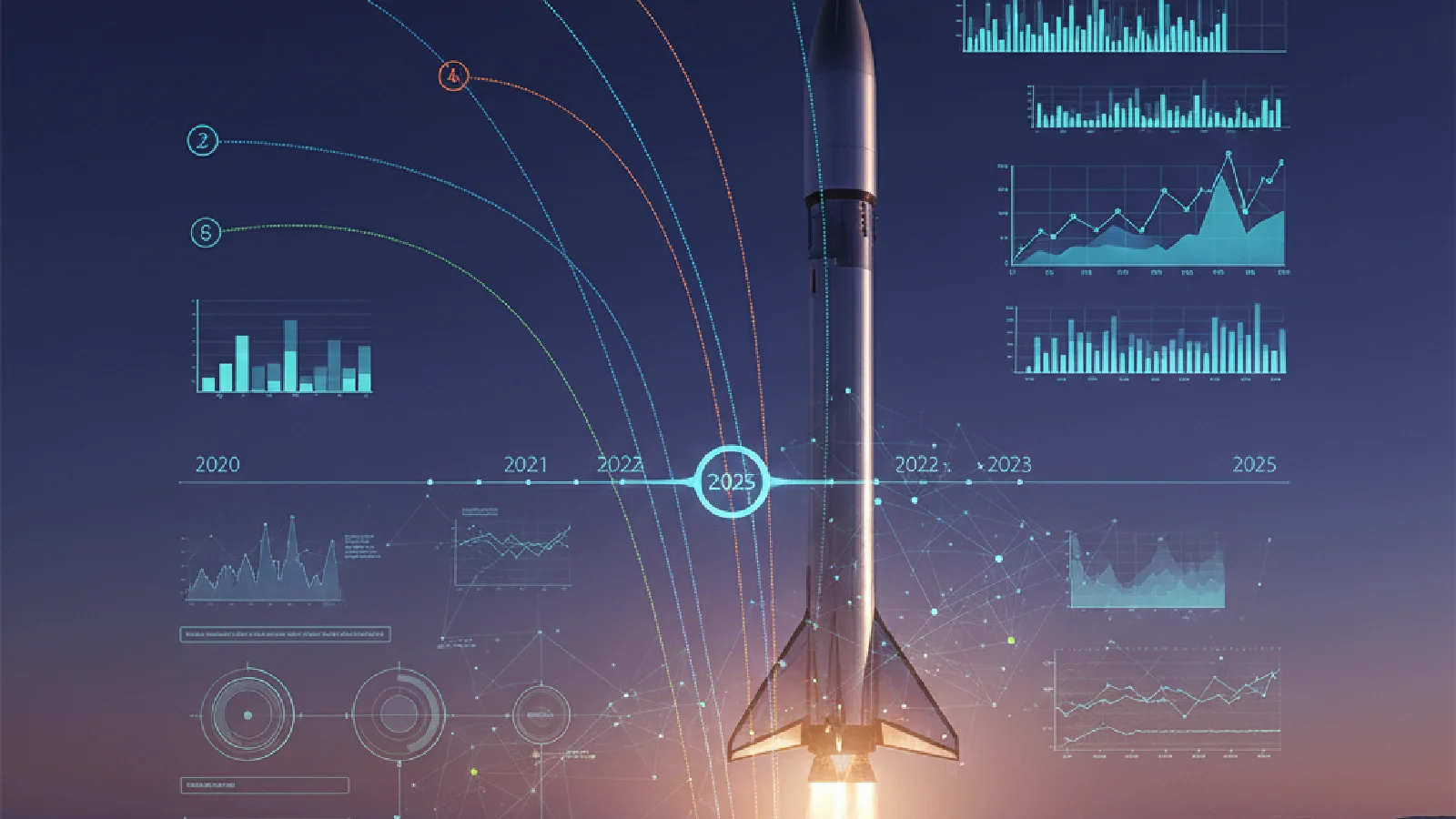
The year 2025 marked a turning point for the Starship program with 5 decisive tests, transitioning from spectacular failures to SpaceX's first operational successes.
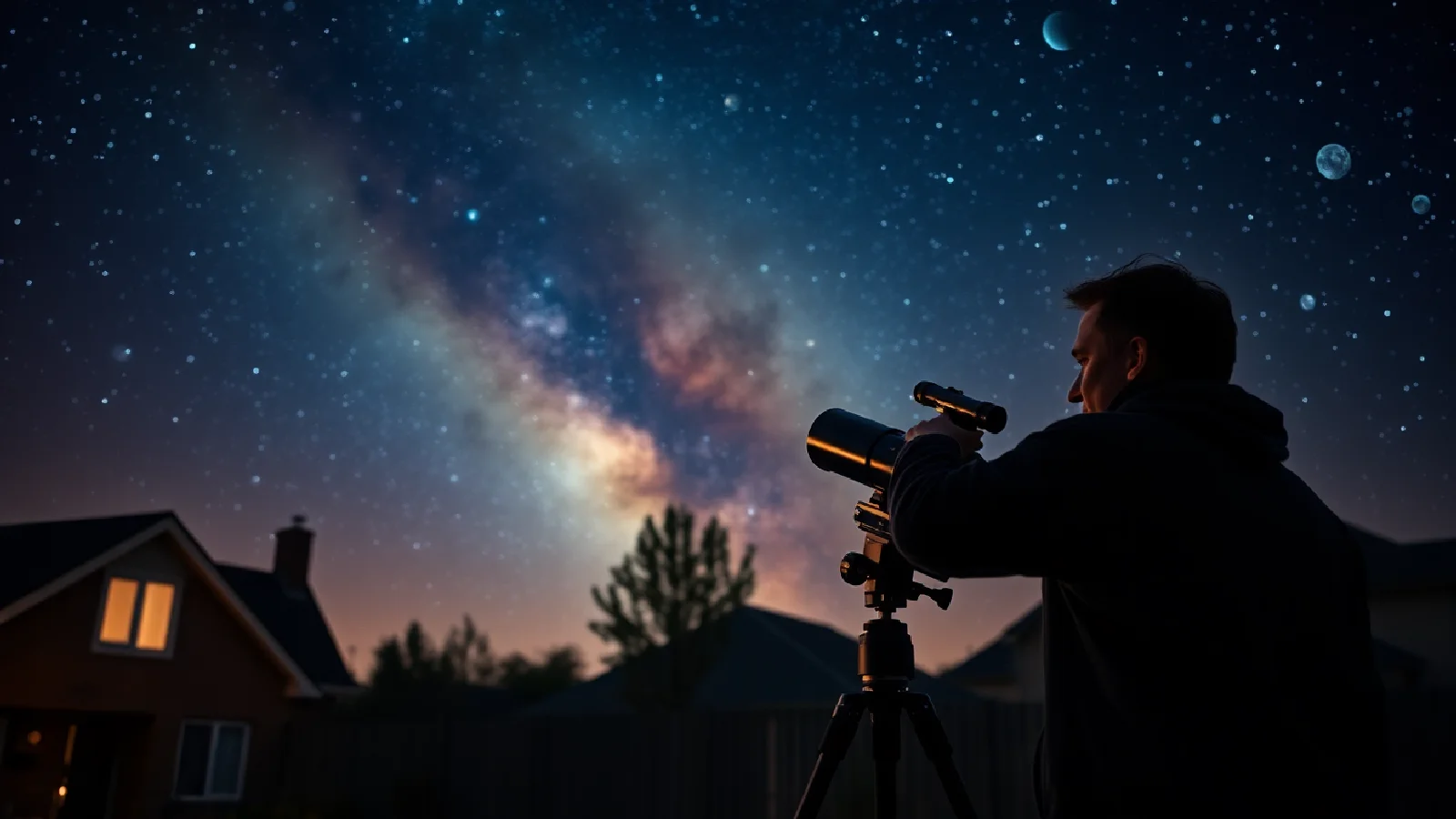
Learn how to locate and observe the Tiangong space station in the night sky with our detailed guide, including recommended apps and expert tips.
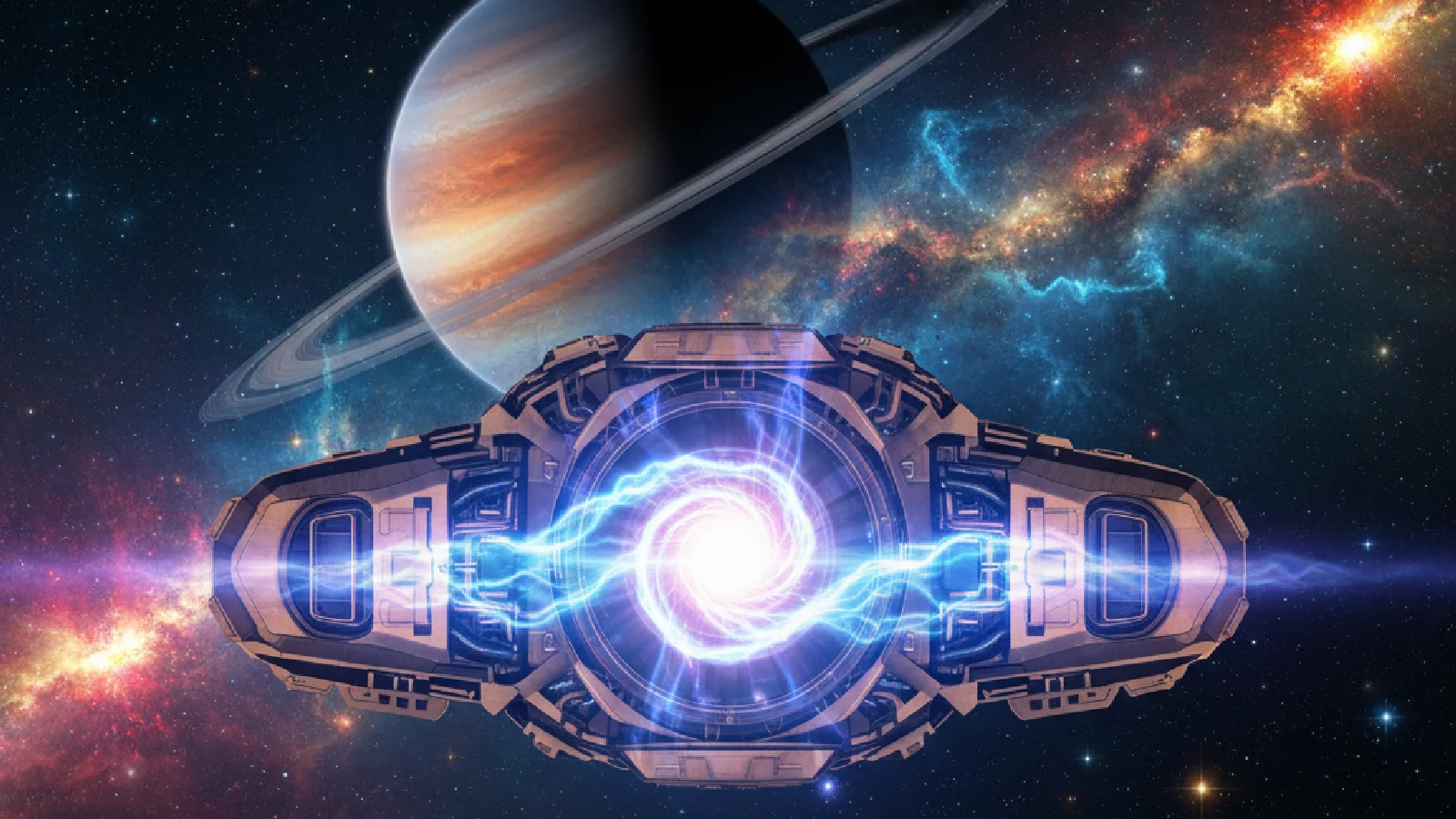
Hall effect thrusters are transforming space exploration with their revolutionary energy efficiency and practical applications for Mars and the Moon.
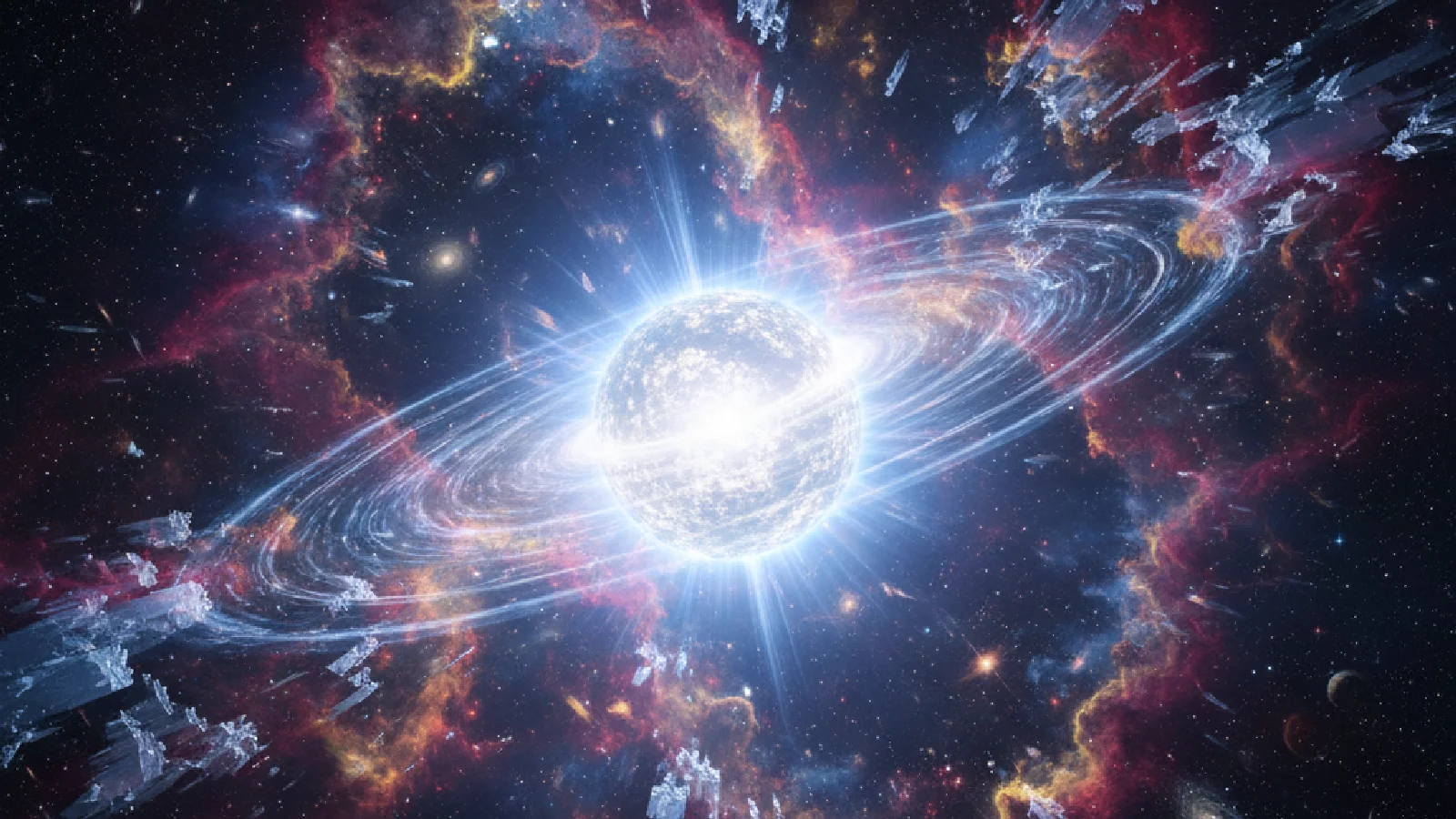
Recent observations of very distant stellar explosions are revealing new clues about the formation and behavior of magnetars, some of the Universe's most extreme objects.
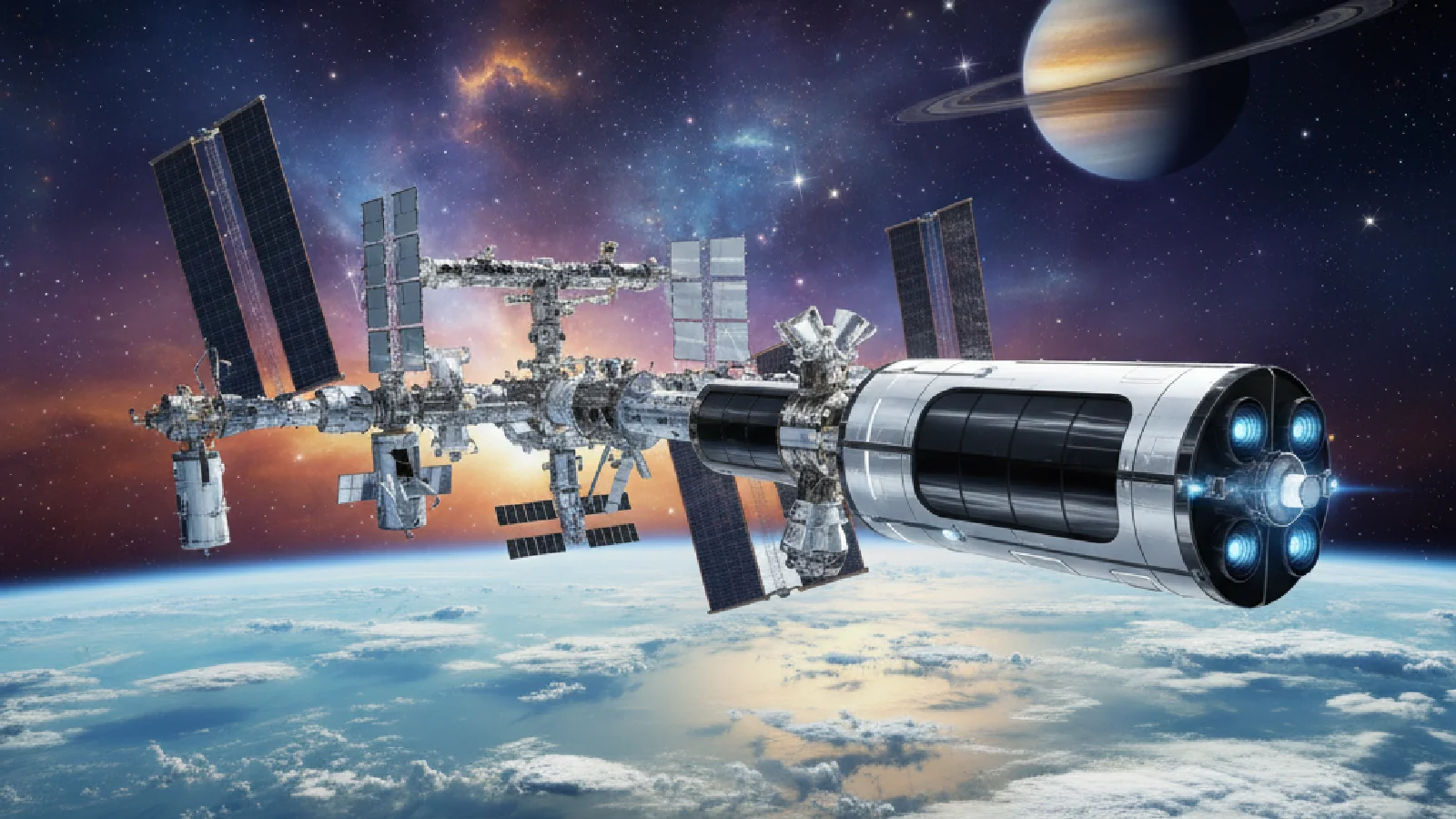
The increasing commercialization of the ISS foreshadows the emergence of private space stations dedicated to orbital tourism and industrial research. A historic turning point.
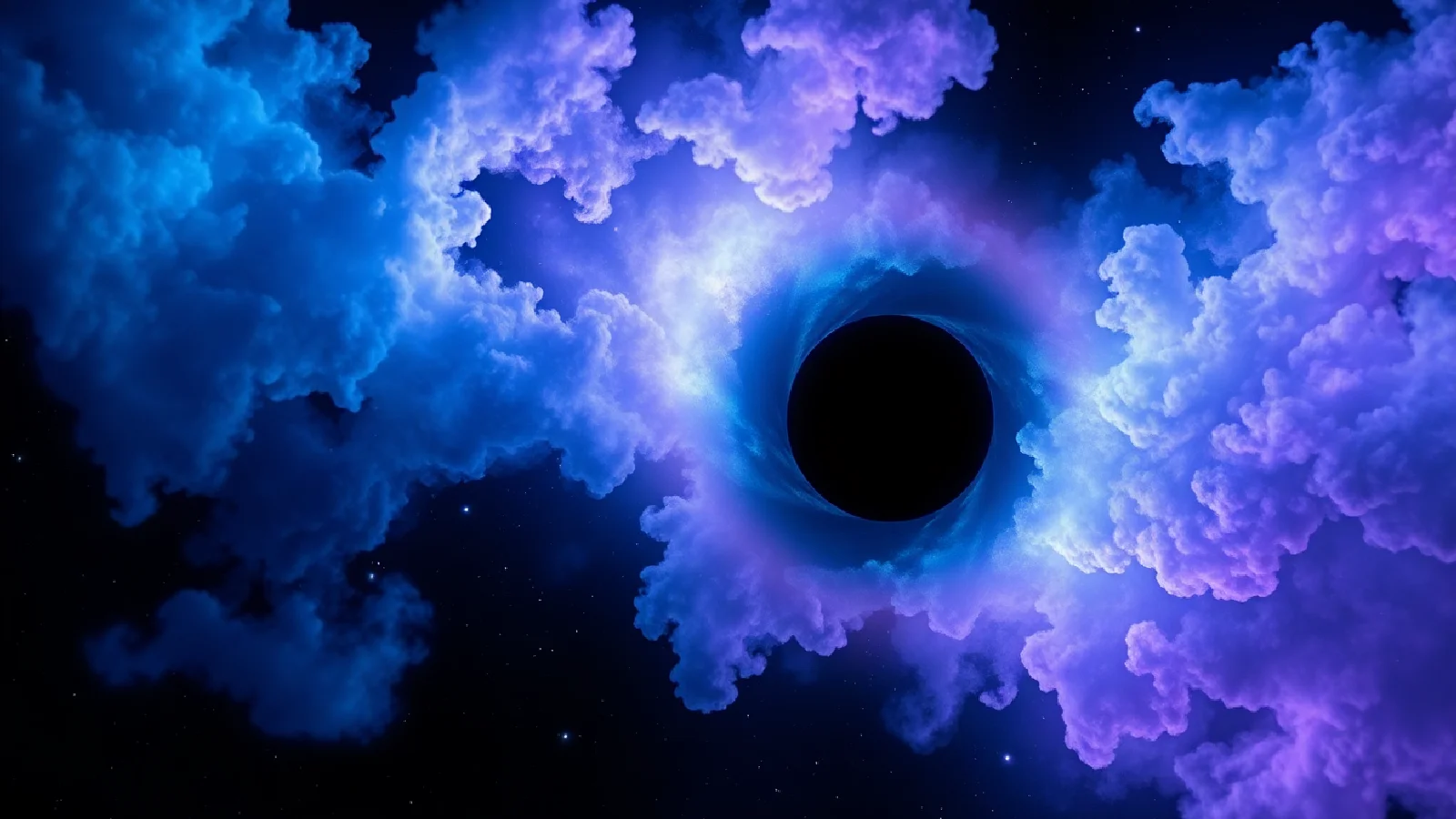
Recent detections of extremely massive black hole mergers are revolutionizing our understanding of the universe and ushering in an era of gravitational astronomy.
Space missions, exoplanet discoveries, astrophysical advancements: our AI follows the stars to keep you informed about the conquest of space.
From the Moon to Mars, through the reaches of our galaxy, embark on the space adventure.