Omnichannel: How Retailers Are Revolutionizing the Shopping Experience
Retailers are facing a profound transformation of their business models. By 2026, consumers will demand a seamless shopping experience that transcends the boundaries between physical and digital. This transformation, accelerated by recent upheavals, is forcing retailers to completely rethink their omnichannel approach. Several retail trends in 2025 confirm this need for adaptation [^2].
The e-commerce boom since 2020 has revealed structural weaknesses in many omnichannel strategies. Consumers are daily confronted with inconsistencies: promotions valid only online, unsynchronized stock between channels, siloed loyalty programs. Faced with these challenges, retailers are developing innovative solutions to create true experience continuity.
The Transformation of Physical Retail Spaces
Traditional stores are evolving into phygital spaces where every element is designed to connect the physical and digital experience. Retailers are massively deploying interactive kiosks allowing customers to access full catalogs, even when products are not physically present on shelves.
Augmented reality is becoming a standard, particularly in the fashion and furniture sectors. Customers can visualize products in their homes before purchase, significantly reducing return rates. This technology transforms virtual try-on into an immersive and personalized experience.
Electronic shelf labels are revolutionizing price and promotion management. These devices allow real-time price updates, synchronized with e-commerce platforms. This innovation solves one of the main friction points of omnichannel: price consistency across all touchpoints.
Technological Integration for Seamlessness
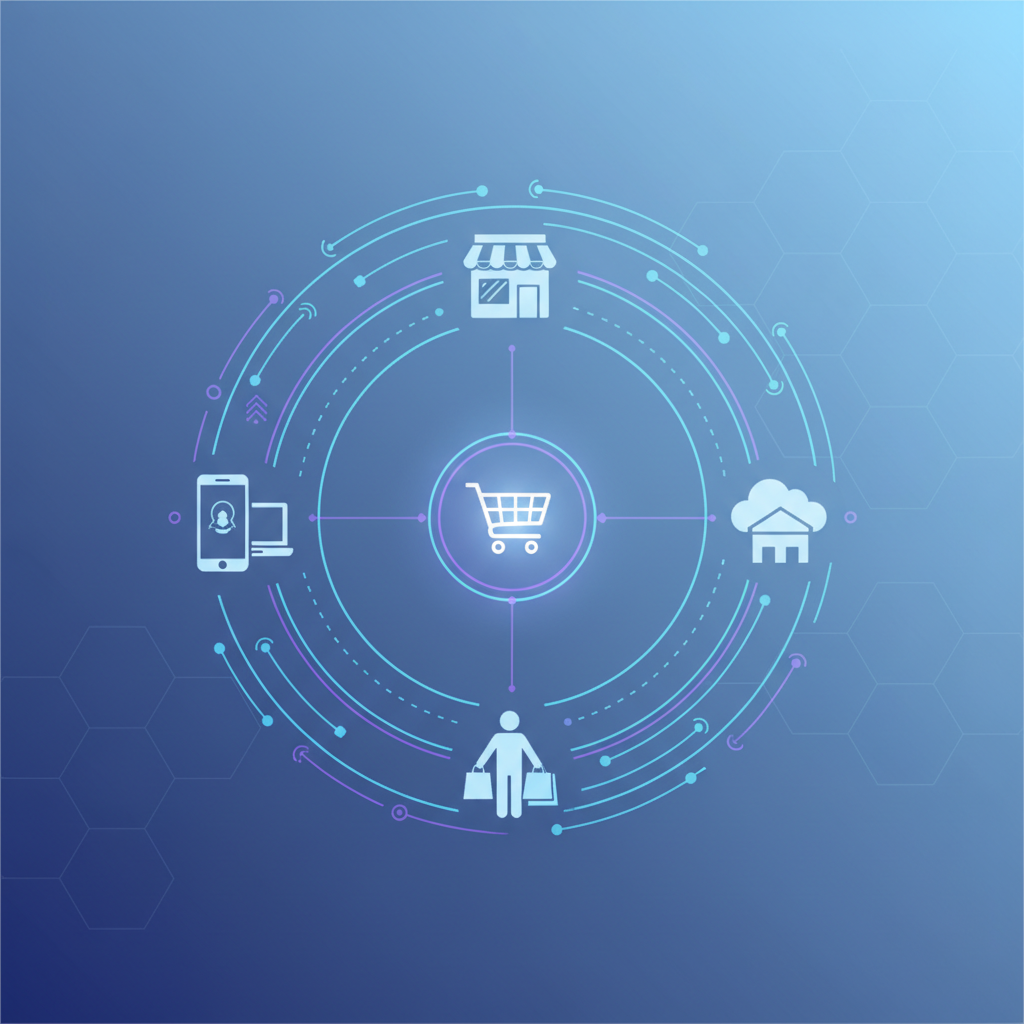
Data unification is the foundation of any successful omnichannel strategy. Retailers are investing heavily in centralized platforms that synchronize stock, purchase history, and customer preferences in real time. This global visibility allows for personalized service regardless of the interaction channel.
"Omnichannel is no longer just about being present on multiple channels, but about creating a unified experience where each touchpoint enriches the customer journey" - University of Quebec Study, 2024 [^1]
Intelligent inventory management systems use artificial intelligence to anticipate stockouts and optimize supply. These tools analyze multichannel sales data to predict demand and automatically adjust supplier orders.
Implementing these technologies requires significant investment but generates substantial productivity gains. Pioneering retailers are seeing a 15 to 25% increase in their revenue thanks to improved omnichannel customer experience, as suggested by this related article on evolving consumer behavior [^3].
Adaptation Strategies for Shortages and Promotions
Click-and-collect and click-and-reserve services have become essential for managing supply issues. These solutions allow customers to ensure product availability before traveling, thus optimizing their time and reducing frustrations related to stockouts.
Retailers are developing automatic alert systems that notify registered customers as soon as an out-of-stock product becomes available again. This proactive approach transforms a negative experience into a loyalty opportunity.
For promotional campaigns, retailers are adopting short, immersive formats inspired by social networks. Ephemeral promotions create a sense of urgency while adapting to the content consumption habits of TikTok and Instagram Reels.
Dynamic personalization strategies allow promotional offers to be adjusted in real time according to each customer's profile and purchasing behavior. This approach significantly increases conversion rates and customer satisfaction.
The Evolution of Teams and Skills
The omnichannel transformation requires a complete overhaul of internal organizations. Retailers are restructuring their teams around cross-functional skills combining traditional retail expertise with mastery of digital tools.
Continuous training focuses on:- Mastery of omnichannel CRM tools
- Analysis of customer behavioral data
- Multi-platform inventory management
Sales advisors are becoming ambassadors of the omnichannel experience, capable of assisting customers across all channels. They access complete purchase histories and can finalize sales initiated online or propose alternatives in case of stockouts.
This evolution of roles is accompanied by a revaluation of commercial functions, now positioned as experts in the brand's omnichannel ecosystem.
Comparison of Retail Approaches
| Approach Type | Key Characteristics | Impact on Customer Experience |
|---|---|---|
| Traditional | Separate channels, isolated stock | Inconsistencies, frustrations |
| Omnichannel | Unified channels, centralized data | Fluidity, personalization |
| Phygital | Fusion of physical and digital | Immersiveness, continuity |
The Impact on Customer Relationships and Loyalty
Unifying loyalty programs is a major challenge for retailers. Customers expect consistent recognition of their status and benefits, regardless of the channel used. This harmonization strengthens brand attachment and encourages multi-frequency visits.
Data collected throughout the customer journey allows for the development of ultra-personalized retention strategies. Retailers can identify early signs of attrition and deploy targeted corrective actions before losing the customer. A good omnichannel strategy can be a decisive lever for business growth, especially for ambitious startups [^5].
Customer satisfaction measurement is enriched with new omnichannel-specific indicators: fluidity of transitions between channels, consistency of information, speed of incident resolution. These metrics guide technological and organizational investments.
Conclusion
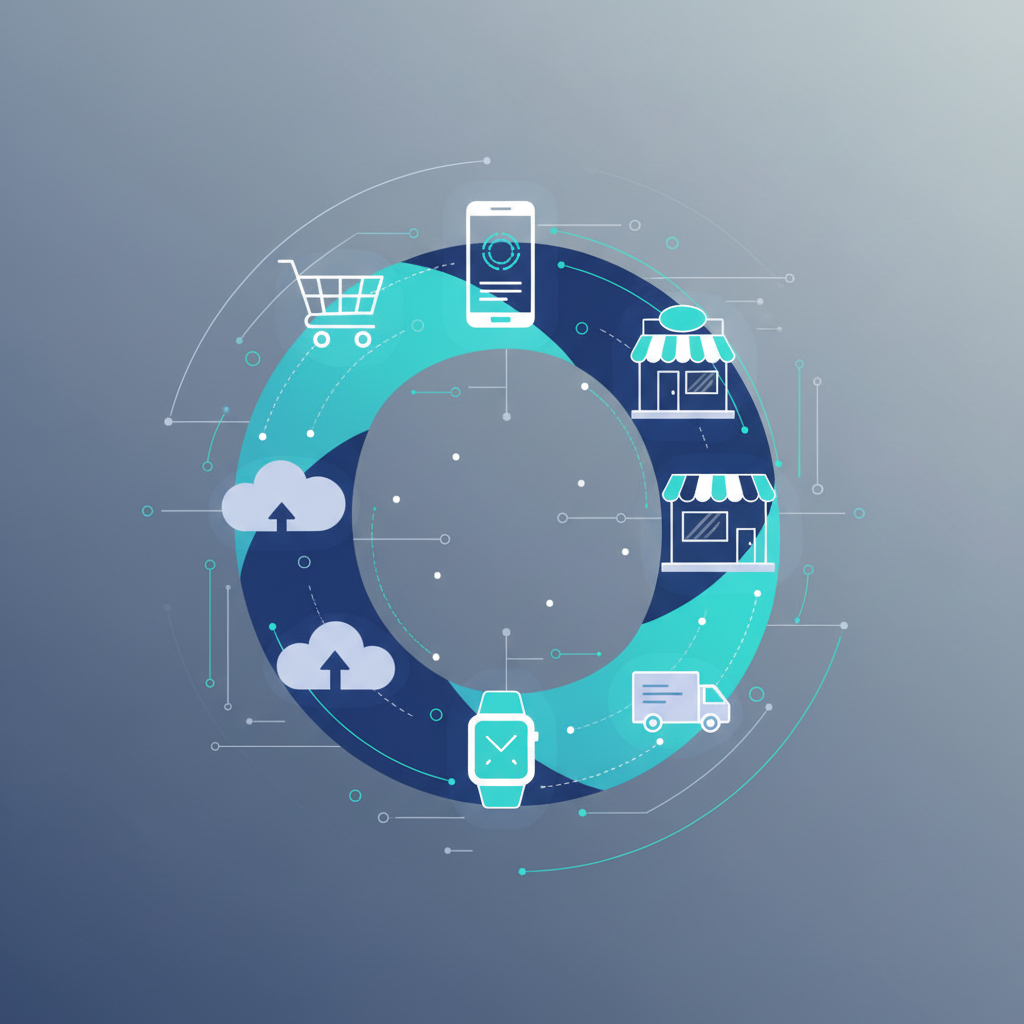
Omnichannel represents much more than a technological evolution: it is a profound cultural transformation of retail. Retailers who successfully navigate this change create experience ecosystems where every interaction enriches the customer relationship.
Massive investments in integration technologies and team training prove profitable in the medium term. The challenge for 2026 will be to maintain this innovation dynamic while preserving the human dimension that characterizes local commerce.
Pioneering retailers in this omnichannel revolution have a decisive competitive advantage. They are laying the groundwork for a new business model where physical-digital convergence becomes the standard of excellence for the shopping experience.
[^1]: UNIVERSITÉ DU QUÉBEC LA DENSITE OMNICANALE ...: https://depot-e.uqtr.ca/id/eprint/11655/1/eprint11655.pdf [^2]: Tendances Retail 2025 : comment s'adapter aux nouvelles ...: https://www.lyon-metropole.cci.fr/actualite/tendances-retail-2025-comment-sadapter-aux-nouvelles-attentes-des-consommateurs [^3]: Le secteur du retail et l'évolution du comportement ... - Qualifio: https://qualifio.com/fr/blog/evolution-du-comportement-du-consommateur-industrie-retail/ [^5]: Stratégie omnicanale : Définition, ntégration et conseils: https://www.slimstock.com/fr/blog/strategie-omnicanale/