Solana and Decentralized Streaming: Solstaketv Leads the Way
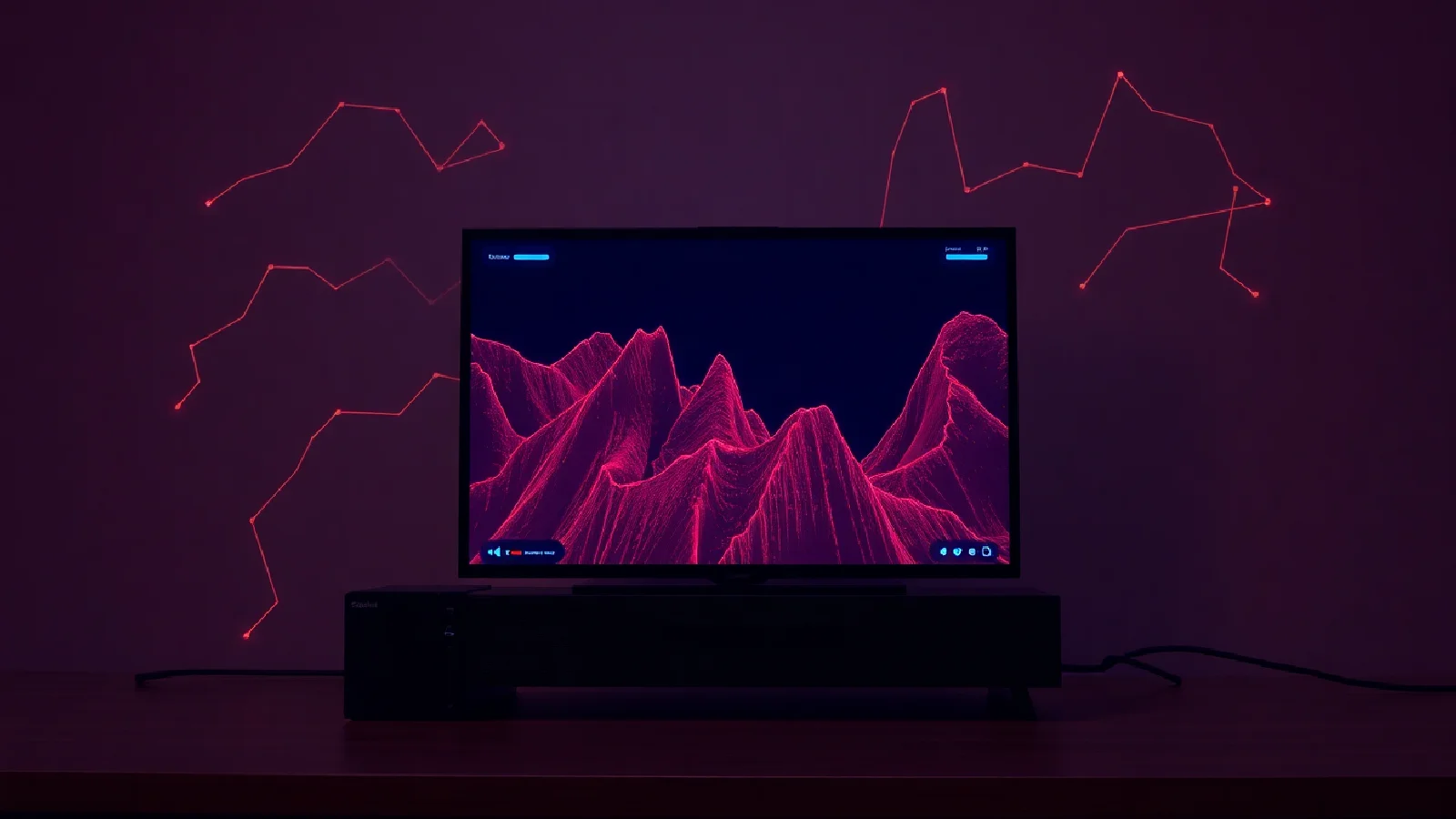
Imagine a world where your favorite content cannot be censored by any government, centralized platform, or intermediary. A universe where creators directly monetize their productions without going through YouTube, Twitch, or Netflix. This scenario is no longer science fiction: it's taking shape on the Solana blockchain, where platforms like Solstaketv are reinventing video streaming and iGaming in a completely decentralized model.
Launched in 2023, Solstaketv embodies this profound transformation of the digital entertainment industry. By leveraging Solana's exceptional transaction speed (over 50,000 transactions per second) and near-zero fees, these new platforms promise barrier-free access to video content, online betting, and gaming tournaments, all managed by immutable smart contracts. Let's explore an ecosystem that could reshuffle the cards of global streaming.
Solana's Architecture for Decentralization
The Solana blockchain has established itself as the preferred infrastructure for decentralized applications (DApps) requiring performance and scalability. Unlike Ethereum, whose transaction fees can skyrocket during periods of high demand, Solana maintains near-zero usage costs thanks to its innovative consensus mechanism combining Proof of History (PoH) and Proof of Stake (PoS).
For streaming and iGaming, this architecture offers decisive advantages. Instant micro-payments become possible, allowing creators to monetize every view, every like, every interaction in real-time. Players can place bets and receive their winnings in seconds, without banking intermediaries or processing delays. This technical fluidity forms the foundation upon which platforms like Solstaketv are built.

Solana's growing integration into the DeFi ecosystem also strengthens its credibility. As highlighted by Uniswap's arrival on Solana, this blockchain now attracts major decentralized finance players, opening the door to $140 billion in opportunities. To learn more about Web3 infrastructure, consult our analysis.
Solstaketv and the SOL-TV Token Economic Model
At the heart of the Solstaketv ecosystem is the SOL-TV token, which plays a dual role in governance and monetization. Content creators can mint NFTs representing their videos, shows, or tournaments, and offer them directly to their audience in exchange for tokens. This model eliminates traditional intermediaries (platforms, advertising agencies, distributors) that typically capture 30 to 50% of revenues.
For users, the SOL-TV token also serves as a payment method to access premium content, participate in sports betting, or eSports competitions. Smart contracts ensure transparency of winnings: it's impossible to rig results or unduly withhold payments. Every transaction is recorded on the blockchain, publicly verifiable.
Advantages for Creators
- Direct monetization: no commission taken by an intermediary platform
- Enhanced intellectual property: NFTs guarantee authenticity and traceability
- Access to a global market: no geographical or banking restrictions
This approach particularly appeals to creators marginalized by traditional platforms or victims of arbitrary censorship. Content deemed controversial but legal finds refuge in these decentralized ecosystems, where only community consensus can decide whether or not to moderate a publication.
Censorship Resistance as a Value Proposition
One of the major arguments for decentralized platforms lies in their resistance to governmental or commercial blockades. Unlike YouTube or Twitch, hosted on centralized servers that are easy to seize or shut down, DApps on Solana operate on thousands of nodes distributed globally.
This peer-to-peer architecture ensures service continuity even if some nodes are neutralized. Content cannot be deleted by a unilateral decision, as it is replicated across the entire network. As illustrated by the Bitchat project in messaging, this decentralized approach creates a resilient infrastructure against attempts at control.
For regions of the world subject to strong digital censorship, this feature represents a major democratic issue. Journalists, activists, and independent creators thus have a lasting broadcasting channel, beyond the reach of repressive authorities.
“Decentralization is not just a technical matter: it is a political choice for freedom of expression and the digital sovereignty of users.”
Decentralized iGaming: Guaranteed Transparency and Fairness
Beyond video streaming, Solstaketv and its counterparts are heavily investing in the iGaming sector (online betting, casinos, eSports tournaments). The online gaming industry, estimated at several tens of billions of dollars, suffers from a chronic trust deficit: opaque algorithms, fraud, payment delays.
Smart contracts radically change the game. Every bet, every draw, every tournament is governed by publicly verifiable code. Players can audit redistribution mechanisms, ensure fair odds, and receive their winnings instantly without human validation. This transparency attracts a new generation of bettors who demand technical guarantees rather than mere commercial promises.
Several crypto sports betting sites already leverage this model, offering fluid gaming experiences with instant deposits and withdrawals, without mandatory identity verification (KYC) in some cases. This discretion appeals to players concerned about their privacy, even if it raises regulatory questions in many jurisdictions.
Regulatory Challenges
The absence of KYC and the pseudonymous nature of blockchain transactions concern regulators. Decentralized iGaming platforms operate in a legal vacuum: how to apply national gambling laws when the operator has no identifiable headquarters, no seizeable servers, no assignable executives?
This tension between technical innovation and regulatory frameworks is one of the main obstacles to mainstream adoption. Some platforms choose to voluntarily comply with KYC/AML standards to gain legitimacy, while others embrace their positioning outside traditional systems.
Cross-Chain Bridges: Towards Interoperability
Another strategic asset of the Solana ecosystem lies in its cross-chain bridges, which allow assets to be transferred between different blockchains. For Solstaketv users, this means being able to use tokens from Ethereum, Binance Smart Chain, or Polygon to access the platform's content and services.
This interoperability promotes adoption by eliminating friction: no need to juggle multiple wallets or systematically convert assets. Bridges also facilitate liquidity, a crucial element for iGaming platforms where players need to be able to deposit and withdraw funds quickly.
Solana's progressive integration into the global DeFi ecosystem reinforces this dynamic. Users can now borrow, lend, or stake their SOL tokens on protocols like Uniswap newly deployed on Solana, generating passive returns while retaining the ability to use them on streaming or gaming platforms.
Adoption Prospects and Current Limitations
Despite their disruptive potential, decentralized streaming and iGaming platforms on Solana still face several structural challenges:
| Feature | Traditional Platforms | Decentralized Platforms (Solana) |
|---|---|---|
| Censorship / Control | High | Low |
| Creator Monetization | Via third parties (commissions) | Direct (NFTs, tokens) |
| Transaction Fees | Variable (banking) | Near-zero |
| Transparency (iGaming) | Opacity | Complete (smart contracts) |
| Market Accessibility | Limited (geo, banking) | Global (crypto-wallet) |
User experience remains complex for the general public. Installing a crypto wallet, managing private keys, understanding gas fee mechanisms (even minimal on Solana) constitute significant barriers to entry. Interfaces are gradually improving, but the path to the ease of use of a Netflix or Twitch remains long.
Content quality and diversity represent another challenge. For now, decentralized platforms primarily attract a crypto-native audience, limiting their appeal to mainstream creators. A virtuous cycle must begin: more content attracts more users, who attract more creators.
Solana's own technical scalability showed its limits during notable outages in 2021 and 2022. Although the network has gained stability, these incidents have eroded the confidence of some developers and users. Long-term robustness remains to be proven in the face of massive adoption.
Regarding iGaming, regulatory issues remain the main obstacle to expansion. Many countries prohibit or severely restrict online gambling, and the decentralized approach only exacerbates tensions with authorities. The balance between individual freedom and the protection of vulnerable players remains to be found.
Towards a New Paradigm for Media Distribution
Beyond technical and economic aspects, platforms like Solstaketv embody an alternative philosophical vision of the entertainment industry. Rather than a top-down model where a few large corporations control the distribution, monetization, and visibility of content, the decentralized approach offers collective, resilient, and democratic management.
Creators become owners of their relationship with their audience. Users are no longer products whose attention is sold to advertisers, but active participants who can also financially benefit from the ecosystem (via staking, participation in governance, or rewards for contribution).
This redistribution of cards could particularly benefit emerging markets, where traditional banking infrastructures limit access to international platforms. A creator in Nigeria, Argentina, or Vietnam can now monetize their global audience without an offshore bank account, simply with a crypto wallet.
The coming years will determine whether this model can establish itself against established giants. Success will depend on the ecosystem's ability to improve user experience, enrich content catalogs, and intelligently navigate regulatory constraints without denying the founding principles of decentralization.