
AI Predictive Medicine: Personalized Healthcare Revolution
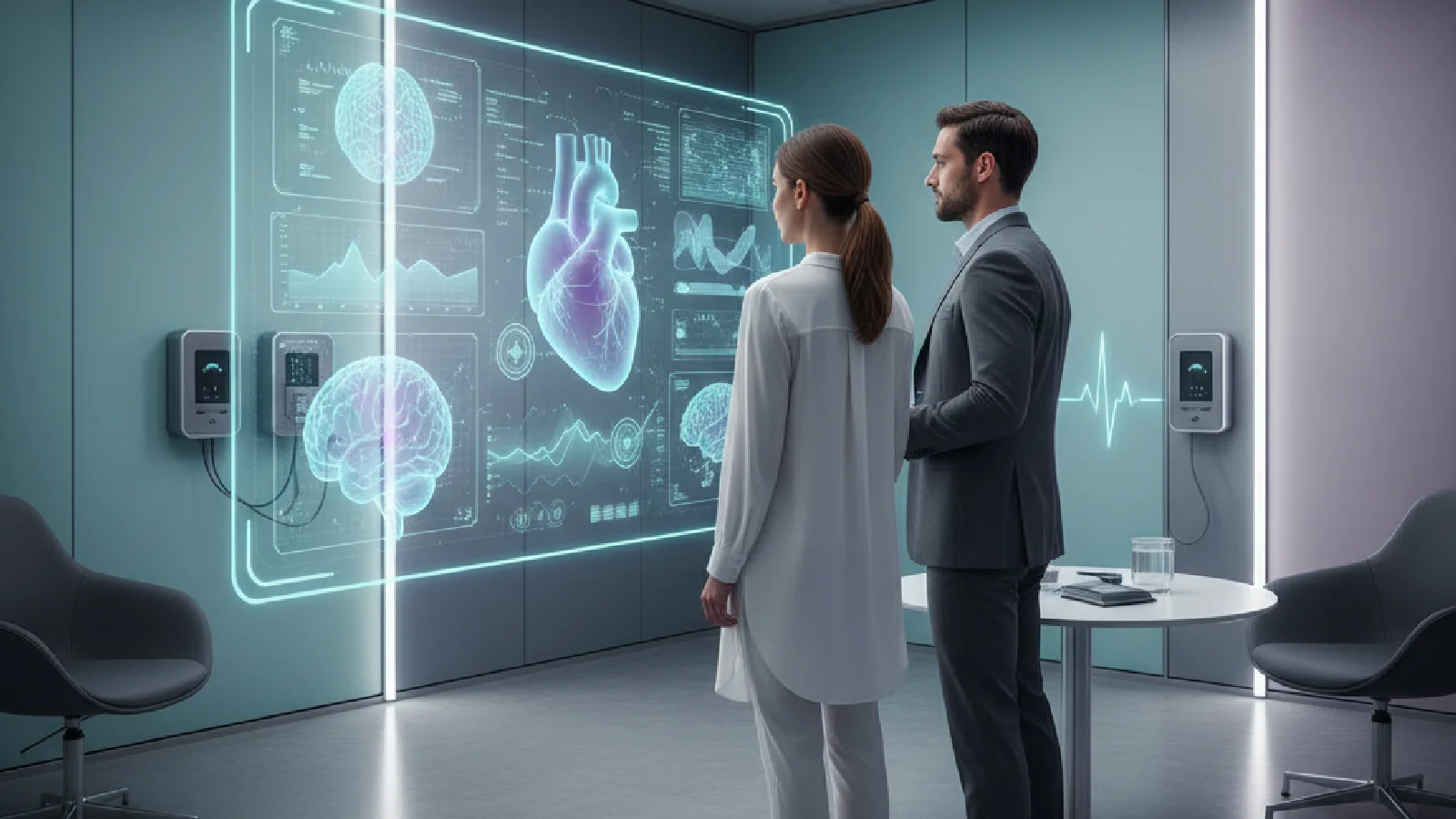
The artificial intelligence is radically transforming the traditional medical approach by enabling truly predictive and personalized medicine. This technological revolution allows healthcare professionals to anticipate pathologies even before the first symptoms appear, paving the way for targeted preventive interventions and tailored treatments.
By 2026, deep learning algorithms will analyze massive volumes of medical data to identify patterns invisible to the human eye. This analytical capability not only transforms early diagnosis but also revolutionizes the personalized prevention of chronic and infectious diseases.
According to the European Commission, AI in healthcare is a key technology that offers opportunities to improve disease prevention, diagnosis, treatment, rehabilitation, and healthcare delivery in general source: Artificial intelligence in healthcare.
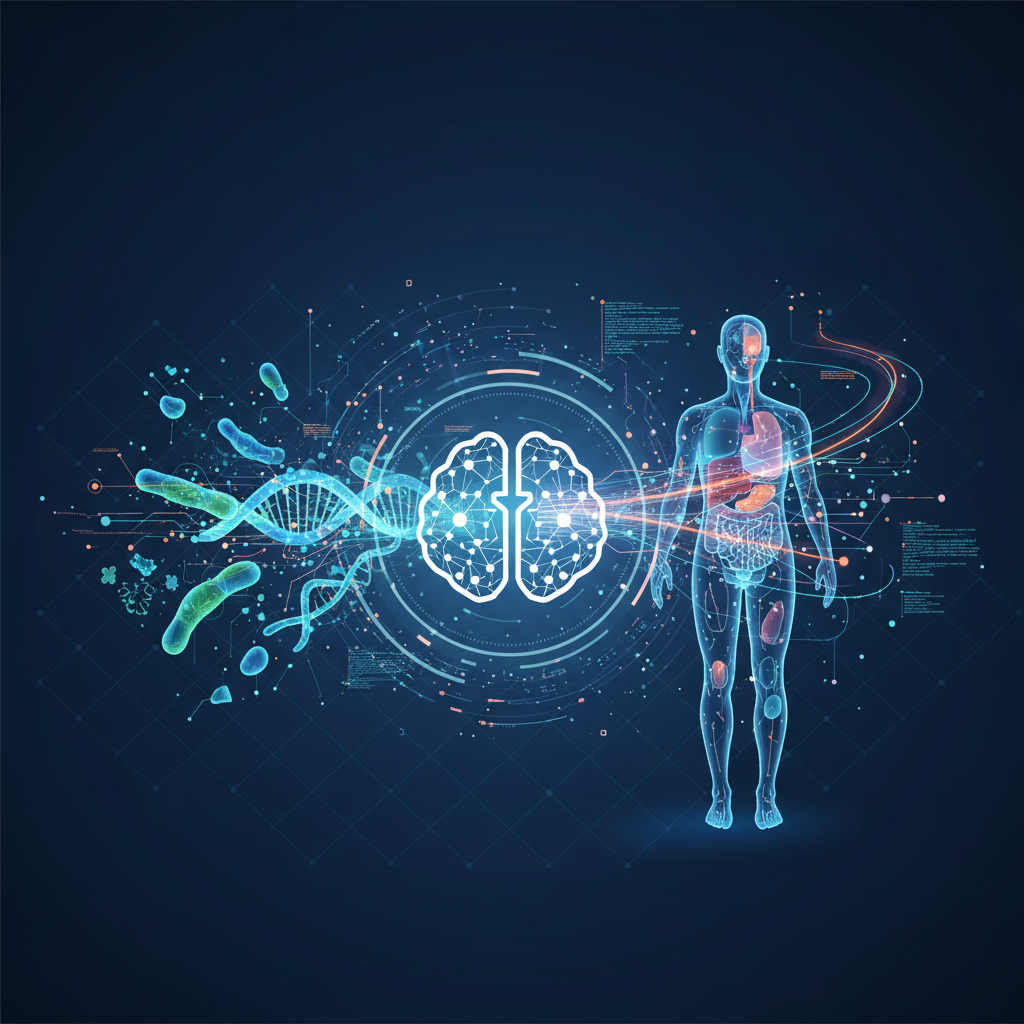
Early Detection through Intelligent Medical Imaging
Deep learning algorithms are revolutionizing medical imaging by surpassing human detection capabilities. These systems analyze mammograms, MRIs, and CT scans to identify tumor anomalies imperceptible during conventional examinations.
AI now enables precise characterization of genetic mutations directly from medical images. This major advance facilitates the identification of specific biomarkers and the anticipation of response to targeted treatments. Radiologists can thus detect cancers at a very early stage, significantly increasing cure rates.
Artificial intelligence for health prevention shows how these technologies are transforming daily medical practices. Hospitals are gradually integrating these diagnostic support tools, enabling faster and more effective patient care.
Diagnostic accuracy is significantly improving: AI systems achieve detection rates above 95% for certain oncological pathologies, compared to 85% for traditional methods in 2026.
| Indicator | Traditional Methods (2026) | AI Systems (2026) |
|---|---|---|
| Oncological Detection Rate | 85% | > 95% |
| Speed of Care | Average | Accelerated |
| Genetic Characterization | Limited | Precise (via imaging) |
Predictive Models for Chronic Diseases
Individual risk assessment is one of the most promising contributions of AI in preventive medicine. Predictive models integrate clinical, genomic, and lifestyle data to calculate the probability of developing chronic diseases such as diabetes, cardiovascular pathologies, or neurodegenerative disorders.
These sophisticated algorithms continuously analyze patients' physiological parameters via connected devices and mobile applications. Predictive analysis allows doctors to initiate personalized monitoring programs well before the appearance of clinical symptoms.
"AI allows us to move from reactive medicine to anticipatory medicine, fundamentally transforming our approach to prevention." - Dr. Emmanuel Andrès, specialist in internal medicine
Targeted interventions become possible thanks to this predictive approach. High-risk patients benefit from personalized nutritional advice, adapted exercise programs, and enhanced medical follow-ups. This preventive strategy reduces the incidence of chronic diseases by 30% according to recent studies.
The integration of environmental data further enriches these predictive models. Air quality, weather conditions, and exposure to pollutants are correlated with health data to refine individualized predictions.

Epidemiological Surveillance and Public Health
Massive analysis of epidemiological data allows health authorities to anticipate outbreaks of infectious diseases with remarkable accuracy. AI algorithms process real-time health surveillance data, medical reports, and environmental indicators.
This predictive capability facilitates rapid and coordinated public health responses. Early warning systems identify at-risk areas and enable the anticipated deployment of medical resources and preventive measures.
Epidemiological models also integrate mobility data and social interactions to predict the spread of pathogens. This global approach significantly improves the effectiveness of collective prevention strategies.
In 2026, artificial intelligence in medicine transforms epidemiological surveillance by enabling ultra-early detection of nascent epidemics. The time savings in detection amount to weeks, allowing for more effective preventive interventions. Advanced technologies have revolutionized the healthcare system, particularly in epidemiological surveillance source: Advanced technologies that have revolutionized the healthcare system.
Hospital Optimization and Telehealth
AI also revolutionizes hospital management by predicting admissions and optimizing bed and medical staff allocation. These predictive systems analyze historical patterns, weather data, and local events to anticipate peaks in activity.
Intelligent telehealth continuously monitors the physiological parameters of elderly or chronically ill patients at home. Algorithms detect subtle clinical deviations before visible symptoms appear, allowing for targeted preventive interventions.
These assistive technologies enable:- Non-invasive continuous monitoring of vital signs
- Automatic adaptation of care plans according to clinical evolution
- Optimized coordination between healthcare professionals
Real-time adaptation of care plans represents a major advance. AI systems automatically adjust medication dosages and therapeutic recommendations based on the patient's biomarker evolution.
This personalized and preventive approach reduces emergency hospitalizations by 25% and significantly improves therapeutic outcomes. The savings for the healthcare system reach several billion euros annually.
Ethical and Regulatory Challenges
The integration of AI in predictive medicine raises major ethical issues concerning data confidentiality, informed consent, and algorithmic biases. European regulation with the AI Act strictly frames the use of these technologies in the medical field.
The question of equitable access to predictive care constitutes a significant societal challenge. Socio-economic disparities risk creating a two-tier medicine between patients with access to AI technologies and those deprived of them.
Healthcare professionals must also adapt to these new tools by developing specialized digital skills. Continuous training becomes essential to master the interpretation of predictive analyses and maintain clinical expertise in the face of algorithmic recommendations. A report by the OIIQ highlights the importance for nurses to integrate AI into their practices source: Nursing Perspective.
The psychological aspect is not negligible: knowing one's predisposition to develop certain diseases can generate anxiety and stress in patients. Psychological support becomes an essential component of this predictive medicine.
This revolution towards AI and ethical biomedicine requires a robust regulatory framework to ensure responsible use of these technologies.
Economic Impact and Accessibility
AI predictive medicine generates substantial savings for healthcare systems by reducing the cost of treating advanced pathologies. Early prevention is significantly cheaper than managing advanced chronic diseases.
Initial investments in technological infrastructure are offset by efficiency gains in the medium term. Economies of scale allow for the progressive democratization of these technologies, making predictive medicine accessible to a wider public.
Automation of certain diagnostic tasks frees up medical time for patient-doctor interactions and complex cases requiring in-depth human expertise. This complementarity optimizes the use of medical resources.
Future Prospects
The evolution towards hyper-personalized medicine is accelerating with the increasing integration of multi-omic data (genomics, proteomics, metabolomics). These approaches will enable even more precise predictions and tailored treatments.
Quantum artificial intelligence promises revolutionary computing capabilities to analyze human biological complexity. These advances will open new horizons for precision medicine and ultra-early prevention of pathologies.
The convergence between AI, medical robotics, and biotechnologies shapes the future of healthcare. This technological revolution will profoundly transform our relationship with health and disease in the coming decades.
Conclusion
AI predictive medicine marks a historic turning point in the evolution of healthcare. This technological revolution enables a personalized and preventive approach that radically transforms traditional medical care.
Advances in early diagnosis, predictive modeling, and continuous monitoring open up unprecedented prospects for improving public health and reducing systemic costs. However, this transformation requires a balanced approach integrating ethical considerations, professional training, and equitable accessibility.
The future of medicine is shaped by a harmonious collaboration between artificial intelligence and human expertise, where technology amplifies diagnostic capabilities while preserving the humanity of care. This evolution promises more effective, more preventive, and truly patient-centered medicine.