Crypto and NFT Scams: A Comprehensive Guide to Protecting Your Digital Assets

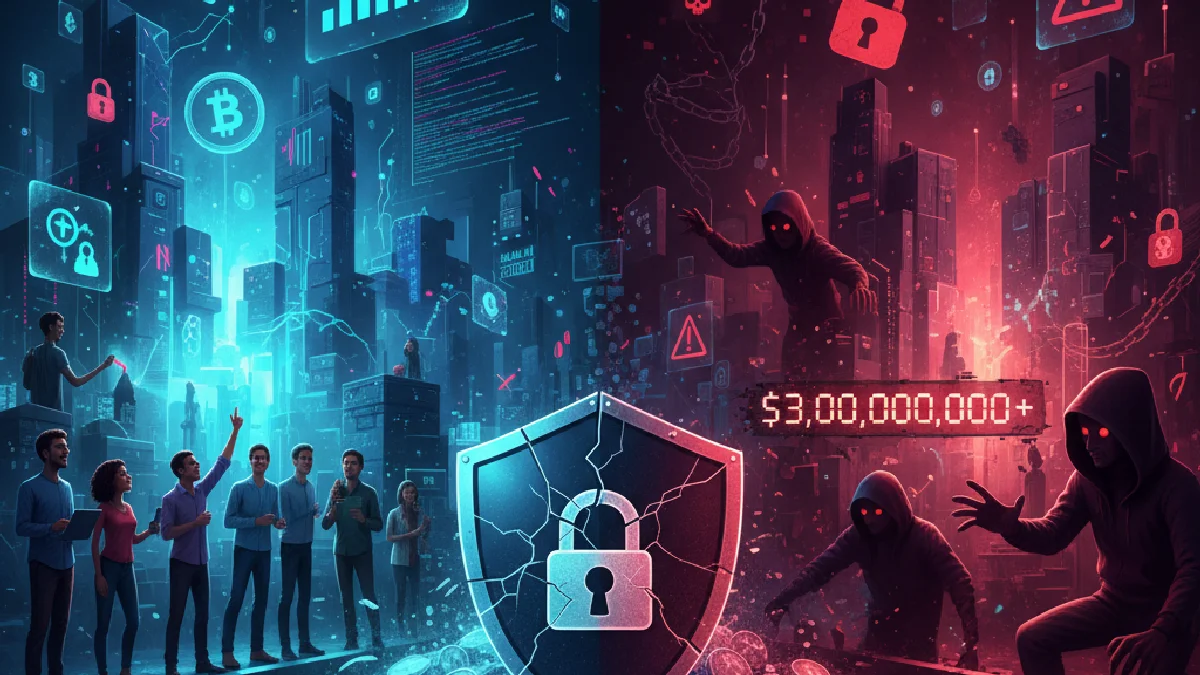
The vibrant world of cryptocurrencies and NFTs (Non-Fungible Tokens) has experienced exponential growth, attracting millions of investors and enthusiasts. However, this excitement comes with a dark side: the alarming increase in scams and fraud. In 2023, losses from crypto scams exceeded $3 billion globally, highlighting the urgency of understanding and preventing these threats. This article offers a comprehensive overview of the most common scams and concrete strategies to secure your digital assets.
The technical complexity of the blockchain world and the relative anonymity of transactions can make users particularly vulnerable. From sophisticated social engineering techniques to platform security flaws, scammers exploit every loophole. Understanding the mechanisms behind these cyberattacks is the first step to effectively protect yourself and navigate safely within the rapidly evolving crypto ecosystem.
The Most Common Crypto Scam Types
Cybercriminals deploy a variety of schemes to steal funds. It is crucial to be aware of these fraudulent methods to better anticipate them.
Phishing and Fake Websites
Phishing remains one of the most widespread attacks. Scammers create fake websites or send emails that perfectly mimic legitimate platforms (exchanges, digital wallets, NFT marketplaces). The goal is to steal users' login credentials or private keys. A study revealed that phishing attacks increased by 40% in 2023 in the crypto sector. It is therefore imperative to always check the URL and only use reliable bookmarks to access your platforms.
- Thorough verification: Always examine the URL and SSL certificates.
- Two-factor authentication (2FA): Absolutely enable 2FA on all platforms.
- Skepticism: Be wary of offers that are too good to be true or urgent login requests.
Ponzi and Pyramid Schemes (Pump and Dump)
These scams promise unrealistic returns. In a Ponzi scheme, early investors' returns are paid with money from new entrants. "Pump and Dump" involves artificially "inflating" the price of a token or NFT with misleading information, then quickly reselling the assets at a high price, leaving other investors with worthless assets. These operations can lead to significant financial losses, as evidenced by the U.S. Secret Service's seizure of domains used for "pig butchering" scams that resulted in massive losses Secret Service Seizes Another Web Domain Used in....
Fake "Airdrops" and Contests
Fake airdrops and contests are schemes where users are invited to connect their wallet to receive free tokens. In reality, this gives scammers access to their funds. Always be critical of any offer of free cryptocurrency, especially if it seems random or requires sensitive information. These tactics are similar to notorious spam, but with more serious consequences.
NFTs: New Frontiers for Scammers
The NFT market, estimated at $25 billion in 2023, has opened new opportunities for creators, but also unprecedented avenues for fraudsters. The rarity and perceived value of NFTs make them prime targets.
Swap Order Scams
This type of NFT scam involves transactions where an NFT buyer or seller attempts to substitute a valuable NFT with one of lesser value at the time of exchange. Scammers modify transaction details at the last minute, hoping the victim won't notice the change, a phenomenon that alerts platforms like Coinbase in their fight against fraud What is an NFT swap order scam and how to avoid it?. It is crucial to meticulously check every detail before confirming.
Fake NFTs and Counterfeits
Scammers create copies of legitimate NFTs and try to sell them on unregulated platforms or through dubious channels. These fake NFTs have no real value. Always verify the asset's provenance, the smart contract address, and the creator's legitimacy before any purchase. On-chain analysis tools can help identify counterfeits. Due diligence is paramount, just as for a crypto investment.
Phishing via NFT Platforms
Similar to crypto phishing, scammers target users of NFT marketplaces. They send malicious links via direct messages on Discord, Twitter, or fake websites, with the aim of draining connected wallets. The anatomy of an NFT phishing scam is detailed by TRM Labs, highlighting the importance of vigilance Anatomie d'une escroquerie par hameçonnage NFT. Never click on suspicious links, especially if they come from unverified sources.
Prevention Strategies and Best Practices
Protecting your digital assets requires constant vigilance and the adoption of good security habits. Education is the best defense against cyber threats.
Strengthening Wallet Security
The use of cold wallets (hardware wallets) is highly recommended for storing a large portion of your assets. These internet-disconnected devices offer far superior security to software wallets. For daily transactions, use hot wallets with limited amounts. Managing private keys is the cornerstone of your security. Never share them and keep them in a safe place, ideally offline.
- Cold wallet: Maximum security for long-term storage.
- Unique passwords: Use strong and different passwords for each service.
- Recovery phrase (seed phrase): Back it up in multiple physical and secure copies.
Vigilance and Due Diligence
Before investing in a crypto or NFT project, conduct thorough research. Examine the project team (roadmap, members, experience), community activity, the whitepaper, and the smart contract's security audit. Rigorous fundamental analysis is essential to distinguish legitimate projects from imposters. The crypto market is dynamic and sometimes unpredictable, as we analyzed in The latest crypto market trends in 2025, making prudence even more necessary.
"In the realm of digital assets, knowledge is your primary currency. Every click, every connection, every transaction must be preceded by critical thought." - Dr. Sophia Chen, Blockchain Cybersecurity Expert
Reporting and Compliance
If you suspect fraud or are a victim of a scam, report it to the competent authorities (police, cybersecurity agencies) and the platforms concerned. Some jurisdictions have established frameworks to help victims of crypto scams. Platform regulatory compliance is also an indicator of reliability.
Regulatory Evolution and the Fight Against Fraud
Governments and financial institutions are intensifying their efforts to regulate the crypto and NFT space, with the aim of protecting consumers and preventing money laundering. These measures seek to create a safer environment for all stakeholders.
Enhanced Surveillance
Global authorities, such as the SEC (Securities and Exchange Commission) in the United States or the AMF (Autorité des Marchés Financiers) in France, are increasing their surveillance of crypto and NFT markets. They impose transparency and AML/KYC (Anti-Money Laundering/Know Your Customer) compliance requirements on companies operating in this space. These regulations help to clean up the market by making it more difficult for scammers to operate. These efforts are part of a trend to bring more security and compliance to the financial sector, including for products like Bitcoin ETFs.
Technological Innovations for Security
Solutions based on artificial intelligence and machine learning are being developed to detect suspicious activities on blockchains. These technologies can identify fraudulent transaction patterns and alert users or platforms. Smart contract security audits have also become commonplace, allowing vulnerabilities to be identified before they are exploited by attackers. The blockchain cybersecurity market is growing, with forecasts exceeding $75 billion by 2030.
| Threat Type | Description | Key Preventive Measures |
|---|---|---|
| Phishing | Fake websites/emails to steal information | URL verification, 2FA, no suspicious clicks |
| Pump and Dump | Asset price manipulation | Thorough project research, distrust of quick gains |
| Fake NFTs | Counterfeits of digital works | Verification of provenance, contract address, expert opinions |
| Zero-day attacks | Exploitation of unknown vulnerabilities | Regular software updates, cold wallets |
Conclusion: Education, The Ultimate Shield
The world of cryptocurrencies and NFTs offers unprecedented investment and innovation opportunities. However, it is imperative to remain vigilant against the omnipresent threats of scams. By adopting best security practices, exercising discernment, and staying informed about the latest fraudulent tactics, you can significantly reduce the risk of becoming a victim. Continuous education is your best ally for navigating safely in this constantly evolving digital universe. Strengthening knowledge helps to better understand the intricacies of the market, including Bitcoin news and forecasts for 2025.
Discover our other articles on Crypto & Blockchain.