Cloud Computing 2026: Beyond Hyperscalers to the Decentralized Ecosystem
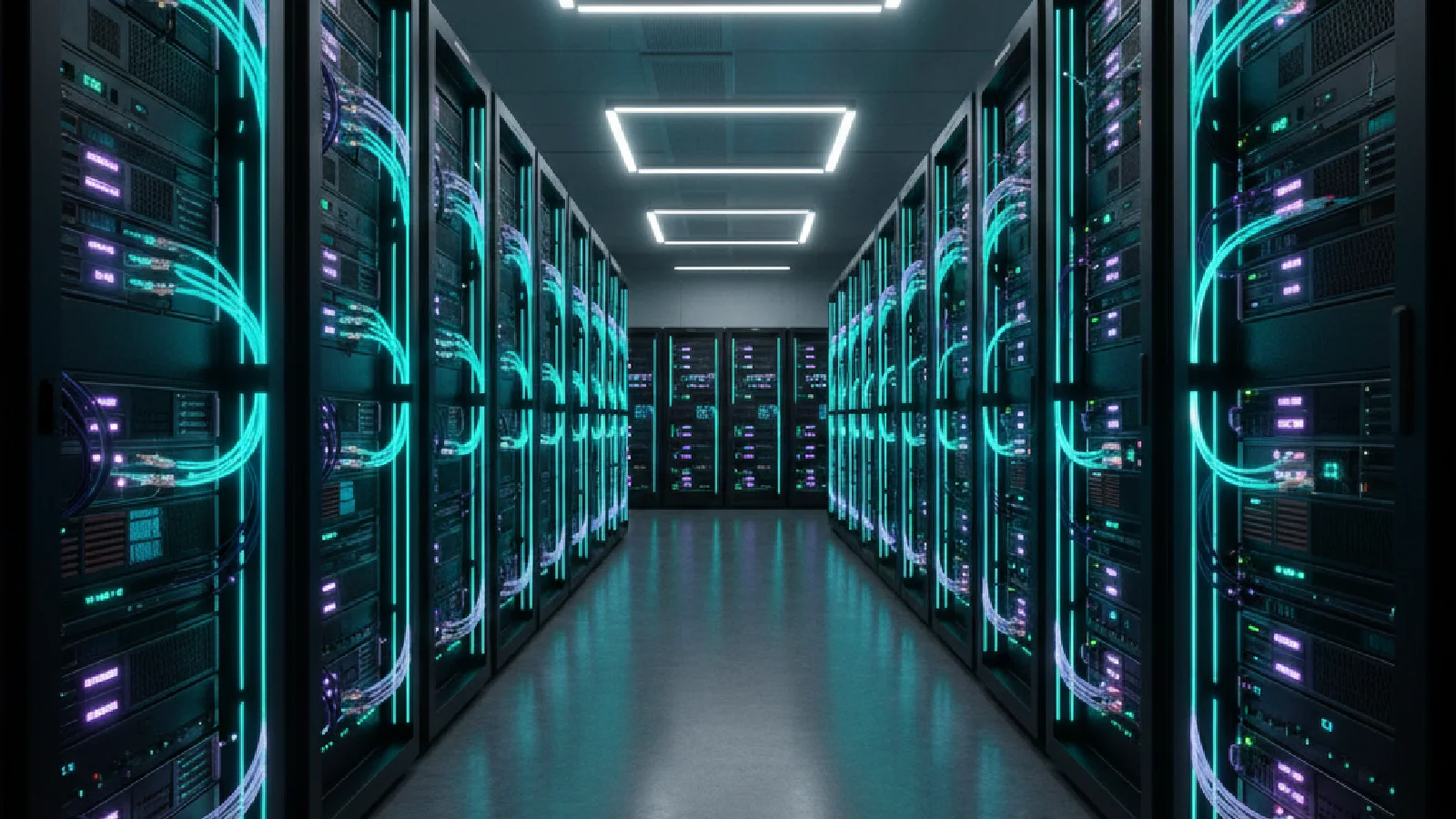
The year 2026 marks a decisive turning point in the evolution of cloud computing. While giants like AWS, Microsoft Azure, and Google Cloud Platform have long dominated the market, a new emerging ecosystem is redefining the rules of the game. Companies are no longer content with a “one-provider-fits-all” approach but are adopting sophisticated strategies that blend multi-cloud, edge computing, and sovereign solutions.
This transformation is not just a technological evolution: it addresses crucial issues of data sovereignty, operational resilience, and cost optimization. How is this silent revolution changing the way companies design and deploy their digital infrastructures?
The Emergence of Multi-Cloud as the De Facto Standard
By 2026, multi-cloud is becoming the norm rather than the exception. According to Wavestone's analyses, large companies now distribute their workloads across multiple providers to avoid vendor lock-in and leverage the best specialties of each platform. According to Wavestone's analyses, large companies now distribute their workloads across multiple providers to avoid vendor lock-in and leverage the best specialties of each platform.
This strategic approach allows organizations to:
- Reduce the risks of dependence on a single provider
- Optimize costs by choosing the most competitive services according to needs
- Benefit from specialized innovations (AI, containerization, low-latency storage)

Operational challenges remain significant, however. Managing multiple cloud environments requires deep technical expertise and sophisticated orchestration tools to maintain consistency and security. The infrastructure cloud market is also constantly evolving to meet these growing challenges.
“In 2026, the priority shifts from chasing the latest technological novelty to scaling what is already deployed: governed AI, a more sustainable digital footprint that is truly measured.” - Wavestone
Edge Computing Revolutionizes Data Proximity
Edge computing is experiencing remarkable acceleration, driven by new and pressing needs. Generative AI requires inference capabilities close to the user to reduce latency, while critical applications demand optimal responsiveness.
This decentralization creates new operational models where peripheral clusters are orchestrated consistently with central data centers. Federated learning allows device networks to train locally without transferring large volumes of data to the central cloud.
The Concrete Advantages of Edge Computing
Companies are massively adopting edge computing for several strategic reasons:
- Reduced latency: data processing as close as possible to its source
- Regulatory compliance: adherence to data localization requirements, an issue addressed in the exploration of the dimensions of the virtual
- Service continuity: operation even in case of connection loss to the central cloud
The hybrid cloud market illustrates this trend with a projected growth of 12.53% per year until 2030, reaching $347.82 billion.
| Characteristic | Multi-cloud | Edge Computing |
|---|---|---|
| Primary Goal | Avoid lock-in, optimize costs | Reduce latency, improve responsiveness |
| Location | Multiple centralized cloud providers | Proximity to user/data source |
| Key Advantage | Flexibility, reduced dependency risks | Real-time processing, regulatory compliance |
Sovereign Cloud: A European Response to Geopolitical Challenges
Facing growing concerns about digital sovereignty, French and European providers are investing heavily in sovereign cloud solutions. This approach aims to ensure that sensitive data remains under European legal control.
Regional or trusted “mini-clouds” offer uniform identity, deployment, and supervision rules. They guarantee the sovereignty of sensitive data while maintaining continuity in case of connection loss with centralized infrastructures.
This trend is part of a tense geopolitical context where technological sovereignty is becoming a major strategic issue for Europe in the face of American and Chinese dominance.
The Cloud-Network-Edge Convergence Transforms the Ecosystem
Telecom operators are not mere spectators of this revolution. They are now competing with hyperscalers by offering converged cloud-network-edge solutions. This intensified competition stimulates investment and fosters innovation.
New Economic Models and Partnerships
The transformation of the cloud ecosystem generates new collaboration models. Companies favor hybrid approaches that combine:
- The global capabilities of hyperscalers for non-critical workloads
- Sovereign solutions for sensitive data
- Edge computing for real-time applications
This diversification creates a more resilient but also more complex ecosystem to manage. Companies must develop new skills and rethink their IT architecture strategies.
Sustainability and Energy Efficiency at the Heart of Concerns
In 2026, sustainability becomes a decisive selection criterion. Companies demand precise measurements of the carbon footprint of their cloud infrastructures and concrete environmental optimization strategies. The study “Beyond the Numbers” highlights the importance of these issues.
Cloud providers are investing heavily in improving the utilization rates of their data centers and developing renewable energies. This race for energy efficiency is transforming the industry and influencing architectural decisions.
Some companies like Neuralink even integrate sustainability considerations into their cloud infrastructure choices for their advanced AI applications.
Intelligent Orchestration, a Major Challenge for the Hybrid Ecosystem
Managing a diverse cloud ecosystem requires intelligent orchestration tools capable of coordinating distributed resources. Containerization frameworks like Kubernetes are evolving to natively support multi-cloud and edge architectures.
This technical complexity pushes companies to rethink their IT teams and development processes. DevOps skills are evolving towards “CloudOps” approaches that integrate multi-environment management.
Artificial intelligence plays a growing role in this orchestration, enabling automatic optimization of workloads according to costs, performance, and compliance constraints.
Towards a New Era of Resilience and Innovation
This transformation of cloud computing in 2026 is not limited to technological evolution. It fundamentally redefines how companies design their digital infrastructures, prioritizing resilience, flexibility, and sovereignty.
Organizations that can navigate this complex ecosystem will have significant competitive advantages. They will be able to innovate faster while maintaining strict control over their critical data and environmental footprint.
This evolution is part of a broader trend of technological diversification, similar to transformations observed in other sectors such as optimizing satellite connections or the evolution of GAFAM models.
The future of cloud computing is thus shaping up around a mature, diverse, and responsible ecosystem, offering companies the necessary tools to face tomorrow's digital challenges.
FAQ (JSON format - translate question and answer fields only):