
Next-Generation Electric Vehicle Technologies: The Future
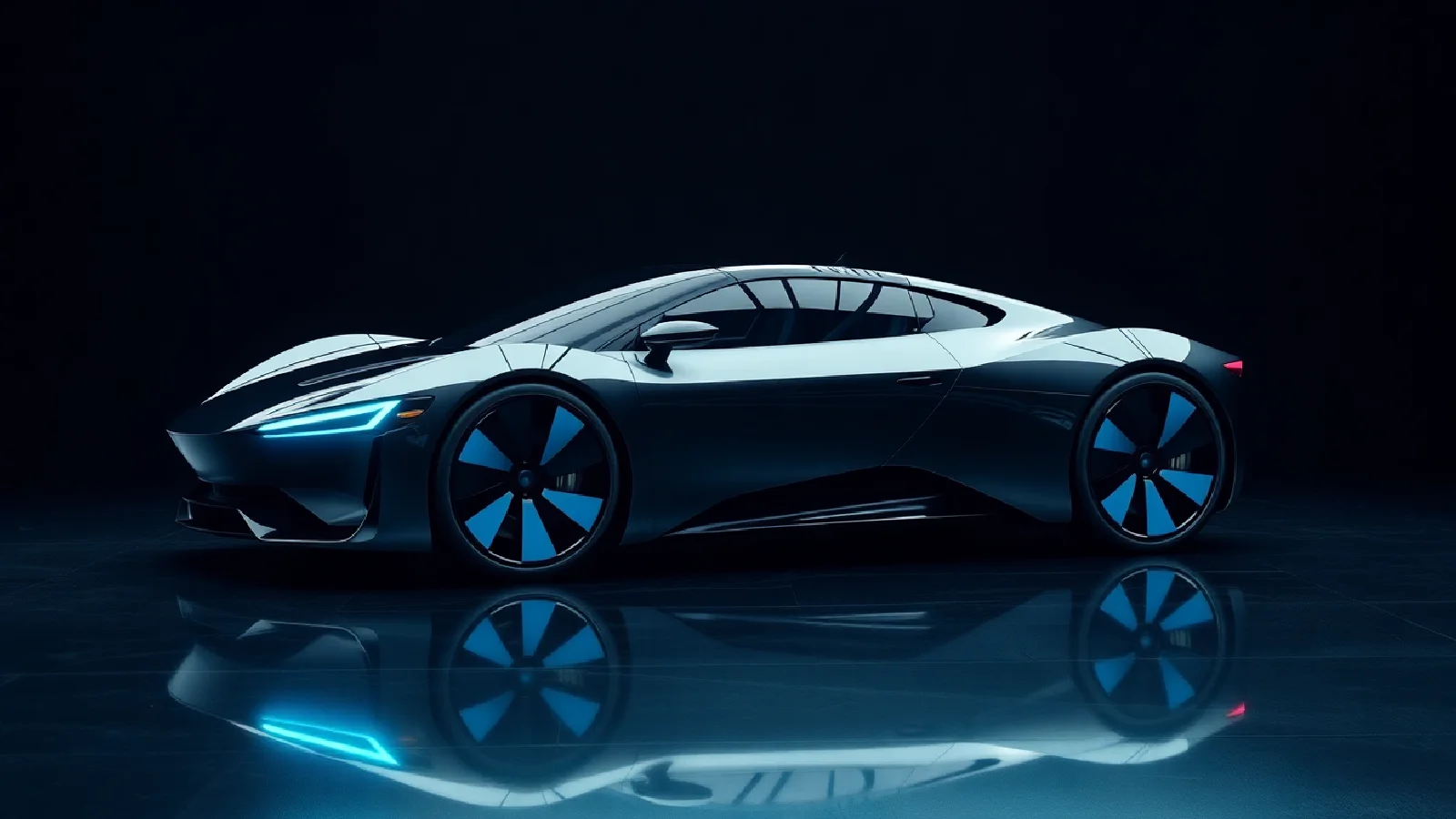
The electric automotive industry is undergoing an unprecedented period of transformation. As manufacturers compete in innovation, 2025 is shaping up to be the pivotal year that will see the emergence of revolutionary technologies. From fully autonomous driving to ultra-high-performance batteries, these advancements promise to redefine our concept of electric mobility.
The upcoming technologies are not just about improving existing performance; they are completely rethinking the driving experience. Between record range, ultra-fast charging, and integrated artificial intelligence, tomorrow's electric vehicle will be much more than just a means of transport.
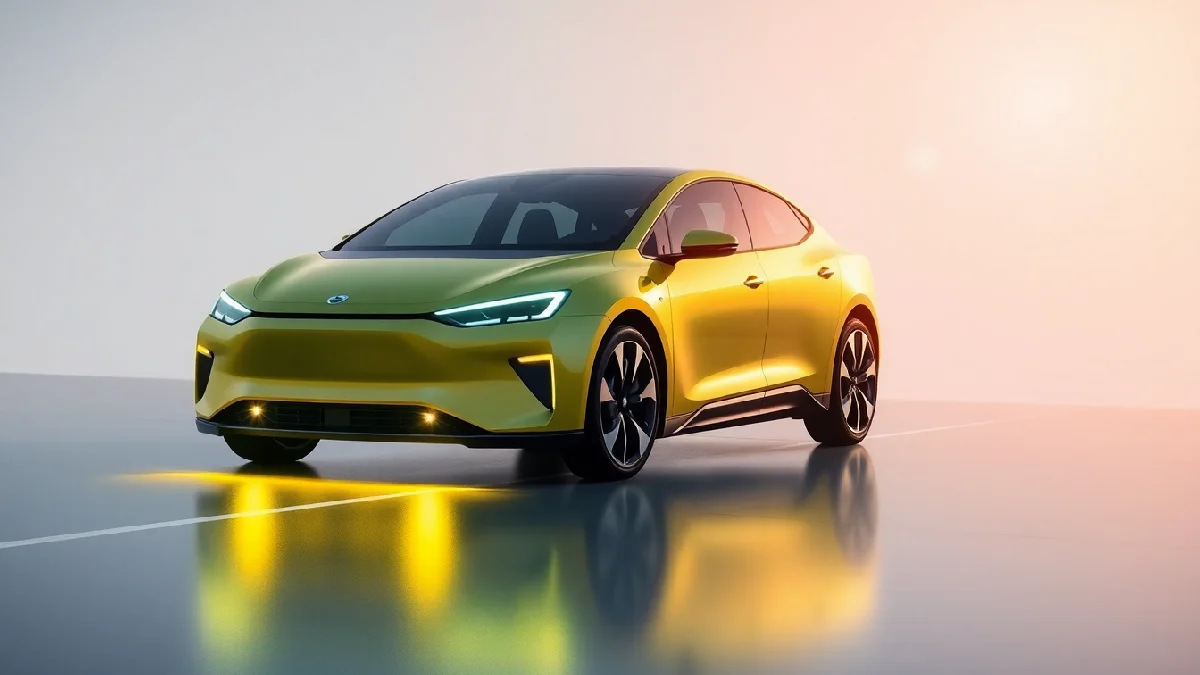
Next-Generation Batteries: Range Revolutionized
Battery technology is at the heart of the upcoming electric revolution. Manufacturers are currently developing lithium-sulfur cells and solid-state batteries that promise to disrupt current standards.
Exceptional Performance
Next-generation batteries will offer capacities exceeding 100 kWh, allowing for a WLTP range greater than 600 kilometers. This major advancement finally addresses drivers' range anxiety, the main barrier to widespread adoption of electric vehicles.
The energy density of these new cells will be doubled, significantly reducing the vehicle's total weight. This optimization not only improves range but also dynamic performance and overall energy efficiency.
Ultra-Fast Charging
Innovation doesn't stop at capacity: charging times will be drastically reduced. Emerging technologies will allow for 80% capacity recovery in less than 15 minutes, revolutionizing the user experience during long journeys.
"New solid-state batteries will be a complete game-changer: 1000 kilometers of range and 10 minutes of charging are no longer science fiction."
Full Autonomous Driving: Towards Total Independence
Advanced Driver-Assistance Systems (ADAS) are rapidly evolving towards Level 5 autonomous driving. This technology will enable journeys without any human intervention, fundamentally transforming our relationship with mobility.
Onboard Artificial Intelligence
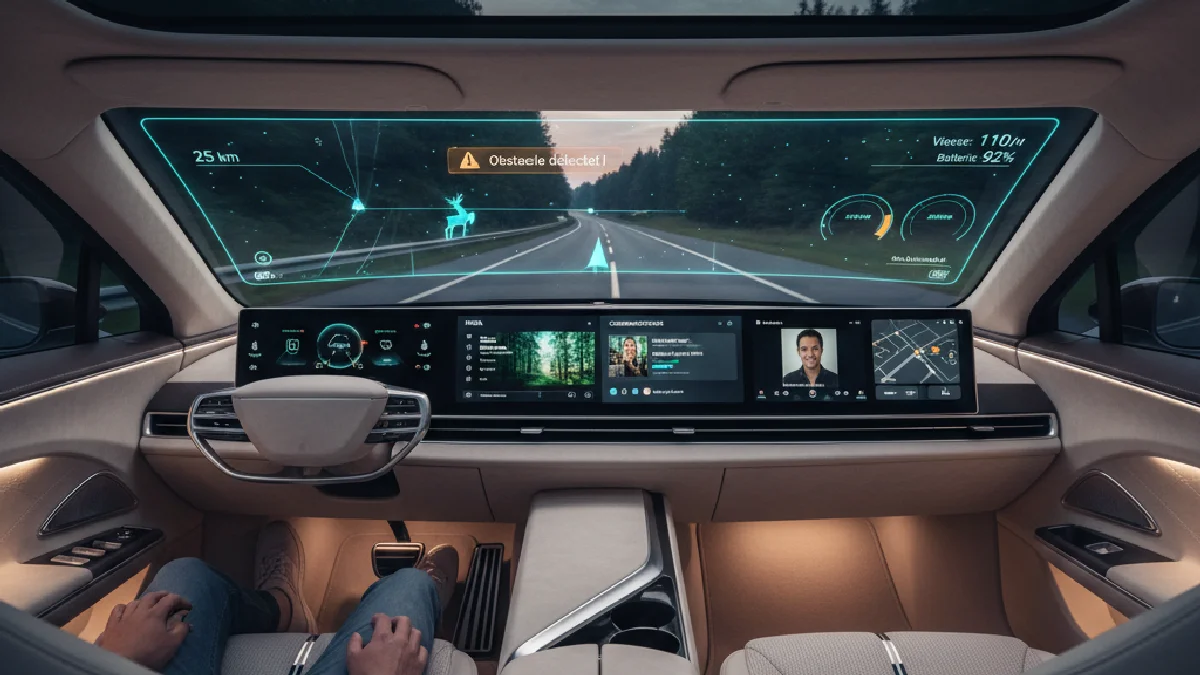
Onboard AI in tomorrow's electric vehicles will analyze the road environment in real-time using LiDAR sensors, high-definition cameras, and millimeter-wave radars. This data fusion will ensure optimal safety and instantaneous decision-making.
OTA (Over-The-Air) software updates will continuously improve the vehicle's capabilities. Like home assistant robots that learn from our habits, electric cars will adapt to each user's driving preferences.
Enhanced Safety
Autonomous systems will drastically reduce accidents caused by human error, which is responsible for 94% of serious accidents. This improvement in road safety represents a major public health issue.
Wireless Charging and V2G Technology
Inductive charging definitively eliminates the constraints of charging cables. This technology allows for automatic charging as soon as the vehicle is positioned over an equipped zone, significantly simplifying the user experience.
Dynamic Charging
In-motion charging concepts are developing rapidly. Roads equipped with inductive coils will allow vehicles to charge while driving, revolutionizing long-distance travel.
Vehicle-to-Grid: Energy Vehicles
V2G (Vehicle-to-Grid) technology transforms every electric car into a mobile energy source. Vehicles will be able to feed power back into the grid during peak consumption, generating revenue for their owners while stabilizing the grid.
This energy bidirectionality also extends to the home with V2H (Vehicle-to-Home), allowing a house to be powered for several days in the event of a power outage. Integration with domestic solar panels will create autonomous energy ecosystems.
Reinvented User Experience
The interior of future electric cars will be completely redesigned around comfort and connectivity. Manufacturers are developing immersive environments that transform travel time into an enriching experience.
Augmented Reality and Head-Up Display
Augmented reality head-up display systems project navigation information, safety alerts, and performance data directly onto the windshield. This technology improves safety by keeping the driver's attention on the road.
Integrated Software Platforms
New vehicles will feature infotainment systems based on Android Automotive or advanced proprietary platforms. These systems will offer seamless integration with cloud services, home automation, and personal assistants.
Unlike the possible end of screens by 2030, electric vehicles are multiplying digital interfaces to create an optimized user experience.
Revolutionary Design and Materials
Optimized Aerodynamics
The drag coefficients (Cx) of future electric vehicles will reach values below 0.20, an improvement of 30% compared to current models. This aerodynamic optimization increases range by 10 to 15%.
Innovative Materials
The use of composite materials and lightweight alloys will reduce the total weight of vehicles by 20%. This reduction partially offsets the weight of the batteries while improving dynamic performance.
Integration of Solar Panels
Some models will integrate solar panels into the roof, hoods, and even doors. This complementary solar energy can add 20 to 50 kilometers of daily range depending on sunlight.
Electric-Hydrogen Hybridization
The future could see the emergence of electric-hydrogen hybrid vehicles combining the advantages of both technologies. These vehicles would use electricity for short urban trips and hydrogen for long journeys, optimizing range and charging times.
Modular Platforms
Manufacturers are developing modular platforms such as Volvo's SPA3 or Volkswagen's MEB+. These architectures allow for easy adaptation of models from the premium segment to economical city cars, democratizing advanced technologies.
In this context of accelerated innovation, the summary of tech news reveals the extent of transformations underway in all sectors related to electric mobility.
Conclusion
The next-generation electric vehicle technologies are shaping a radically different automotive future. Between revolutionary batteries offering over 600 kilometers of range, fully autonomous driving, and ultra-fast charging, these innovations will transform our daily mobility.
The convergence of these technologies will create an integrated ecosystem where the electric vehicle becomes an intelligent energy hub, connected and perfectly adapted to the needs of each user. This technological revolution, expected as early as 2025-2026, will definitively reposition the electric car as the benchmark mobility solution.
The electric automotive industry has never been closer to a major transformation. These innovations promise not only to overcome the last barriers to widespread adoption but also to open new horizons for sustainable and intelligent mobility.