Web Design 2026: Beyond Minimalism, the Return of Personality

In a constantly changing digital landscape, web design finds itself at a fascinating crossroads. Far from the cold, uniform aesthetic that sometimes characterized minimalism, 2026 marks a significant turning point: the return of personality. As artificial intelligence (AI) and its personalization capabilities reach new heights, designers are turning towards richer, more human, and expressive experiences. It's no longer just about "browsing" the web, but about "living" stories, with each visit becoming a unique and deeply tailored adventure.
The era of strict minimalism, with its rigid grids and clean interfaces, gives way to a more nuanced approach: a revisited minimalism, bold and warm. As an RKD expert points out, "today's minimalism is clean, functional, and user-centric, but it's also bolder, more expressive." This evolution reflects a deep desire to reintroduce authenticity and soul into our digital interactions, building bridges between functionality and emotion, even in the face of AI's omnipresence.
This article explores how 2026 web design transcends conventions to embrace new expressiveness. We will discover the trends that humanize digital aesthetics, narrative immersion, and AI-driven hyper-personalization, all while preserving brand essence. It's no longer a question of choosing between simplicity and character, but of merging them to create a living, intelligent, and deeply human web.
Reinvented Minimalism: The Balance Between Purity and Expressiveness
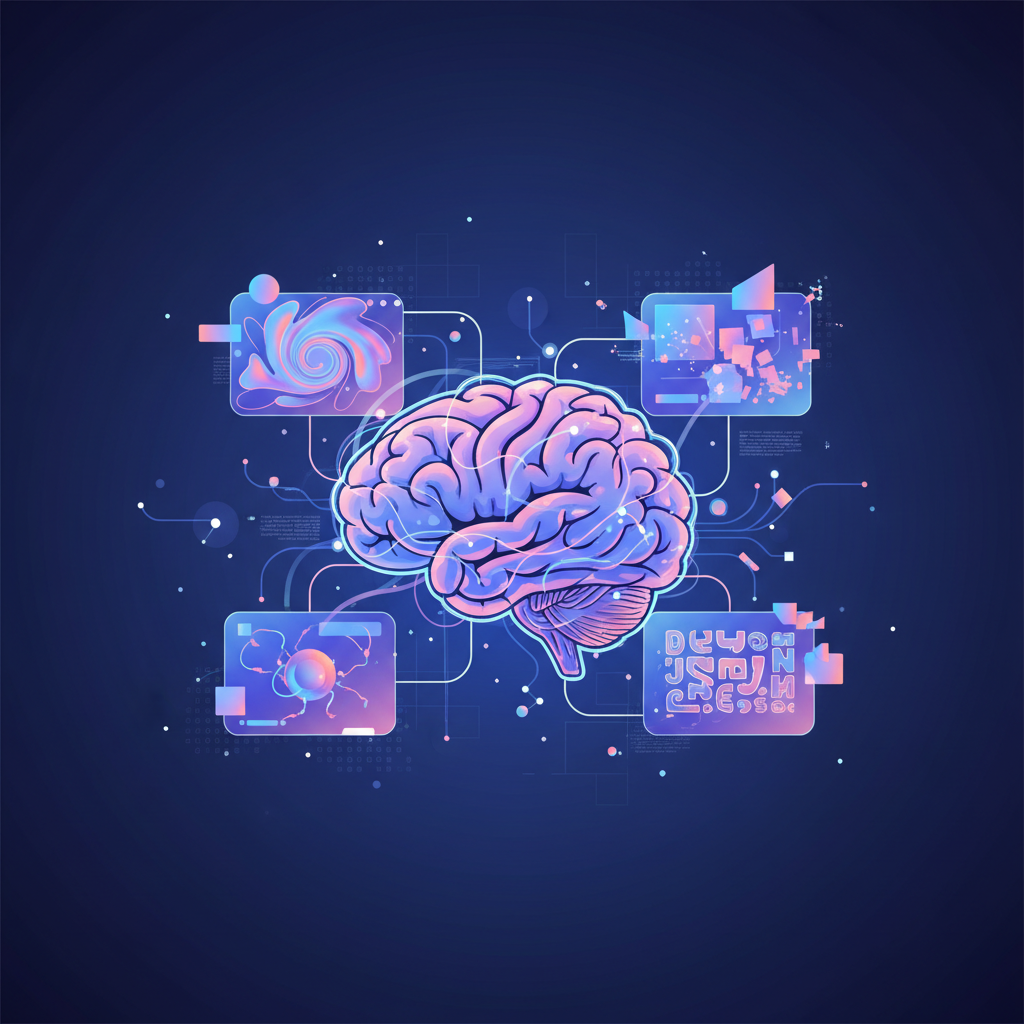
2026 sees the emergence of minimalism "with a twist," capable of combining functional clarity with renewed expressiveness. Gone is the stripped-down, cold style; instead, designs that "bring warmth and personality to simple layouts" through bold choices. We are witnessing a more creative use of typography, with fonts that tell a story without cluttering the interface. Color palettes dare to be vibrant, injecting energy and emotion where neutrality once dominated. This is far from past marketing trends, which you can explore further by consulting our article on creating your first digital marketing campaign.
This trend is manifested by the adoption of organic shapes, gradients, and "anti-grid" layouts. After years of strict structures, design is softening. Elementor notes that "organic shapes, fluid lines, and soft gradients give digital experiences a more natural and accessible feel." Anti-grid layouts defy the rigid uniformity of the past, introducing rhythm, movement, and playfulness. This movement reflects a broader desire for humanity in technology, seeking to create a web inspired by nature, warm, and more personal.
To succeed in this transition, designers are integrating joyful micro-interactions, subtle animations, and interactive 3D models, creating immersive experiences without sacrificing performance. The goal is to make "minimalism human," balancing cleanliness and functionality with a touch of whimsy and authenticity.
Narrative Immersion: When the Web Tells a Story
In 2026, user engagement is increasingly driven by immersive interfaces. Gone are static websites; the time has come for living spaces that guide the user through a narrative. Lightweight 3D effects, fluid transitions, and scrollytelling are becoming commonplace, transforming navigation into a true experience. An RKD designer explains that "websites will become more like stories you step into, rather than sites you just browse" (
The use of immersive 3D is a striking example. Instead of static images, websites bring products and ideas to life with interactive models, animations, and environments that users can explore. Brands like Apple and IKEA have already integrated this, allowing customers to visualize products in their own space before purchase. This approach reduces uncertainty and makes the shopping experience more confident and immersive (
Micro-interactions and floating animations also contribute to this immersion, making every action on the site more responsive and enjoyable. They create an emotional connection by providing a subtle visual response to user actions, signaling a living and attentive interface. The idea is to move "from simple browsing to experience," where every visual or interactive element contributes to a coherent and engaging story.
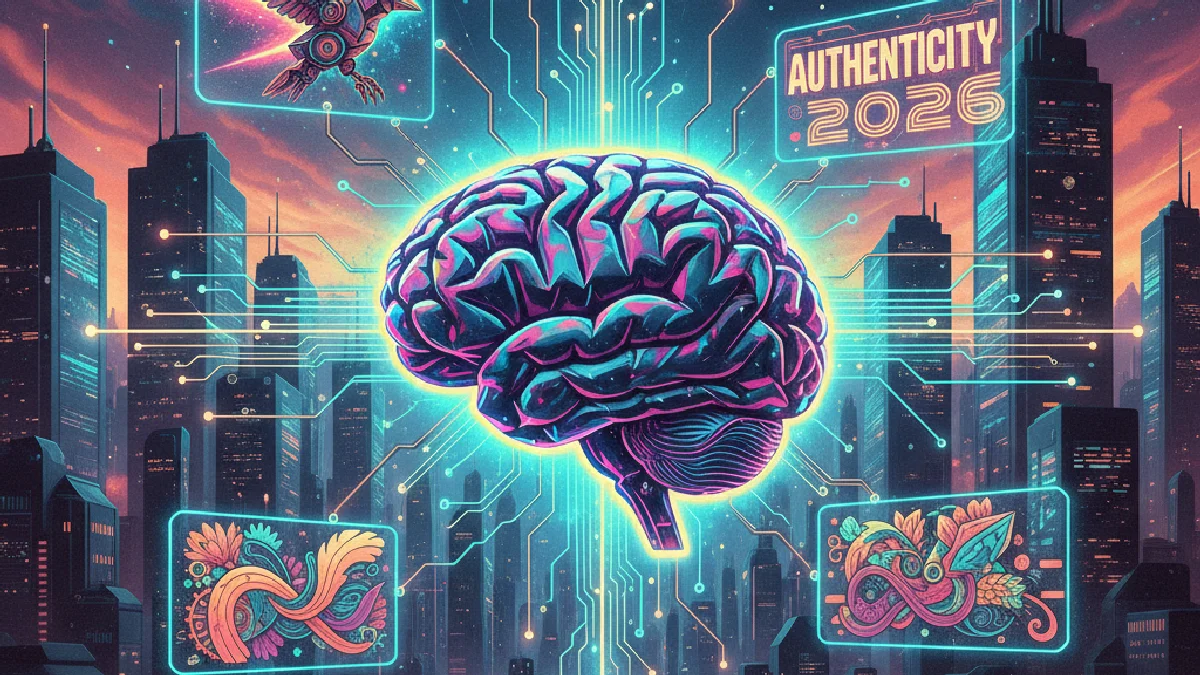
AI for Invisible Hyper-Personalization
Artificial intelligence is undoubtedly the most powerful engine of this new era of web design, transforming every visit into a unique experience. AI allows for real-time adaptation of content, layout, and recommendations based on each visitor's behavior, preferences, and even state of mind. "AI-first design" becomes a reality, where AI "is no longer just about creation, but about learning and improving the digital experience over time," according to IMS On Line (
This invisible hyper-personalization translates into adaptive journeys where interfaces dynamically recompose themselves according to the user's context. Personalized recommendations are more relevant than ever, anticipating visitors' needs and desires. Conversational interfaces, powered by AI, offer a more natural and intuitive interaction, transforming information search into a fluid dialogue. These advances directly impact the future of digital marketing agencies by redefining client expectations.
Despite this technological complexity, accessibility and speed remain absolute priorities. AI is used to optimize performance, ensuring that sites rich in elements remain fluid and fast. The challenge is to create an individualized experience that "feels effortless," where the user benefits from a tailor-made interface without even realizing it, making the web smarter, more efficient, and more relevant for everyone.
The Return to Authenticity: Retro-Futurism and Custom Illustrations
In this race for personalization and innovation, a counter-movement is taking place: the return to brand authenticity and personality. Faced with the potential standardization brought about by AI, designers are exploring aesthetics that reintroduce soul and originality. Retro-futurism is a major trend in 2026, reimagining past designs with science fiction or cyberpunk elements. Vibrant colors, metallic textures, chrome reflections — this aesthetic evokes "personalized nostalgia," offering a sense of familiarity while looking to the future (
This persistence of nostalgia is not just a nod to the 80s or 2000s; it creates an emotional connection, reminding users that even in a changing world, the brand remains close to them. Grainy textures and bold geometric shapes contribute to this warm and simple atmosphere that many seek in a sometimes sterile digital environment.
In parallel, custom illustrations are experiencing a significant boom. They allow brands to differentiate themselves by telling their story in a unique and memorable way. Far from generic image banks, these original creations infuse each site with its own identity, strengthening brand recognition and attachment. Visual expressiveness, whether playful 3D or bold typography, becomes essential to "humanize digital aesthetics" and create real distinction in an ocean of content.
Accessibility and Sustainability: The Foundations of a Conscious Web
Beyond aesthetics and personalization, 2026 emphasizes the fundamental pillars of a responsible web: accessibility and ethics. These are no longer options, but incompressible standards. Designing a site accessible to all, regardless of physical or technological capabilities, is now a quality criterion in its own right, according to IMS On Line, which highlights the importance of "designing a site accessible to all [as] a quality criterion" (
Web eco-design is also gaining increasing importance. In an era of environmental awareness, reducing the carbon footprint of websites has become a brand commitment, no longer a constraint. This involves resource optimization, green hosting, and design choices that prioritize lightness to minimize energy consumption. Companies are now recognized for their "green" approach, and their web design choices reflect their ethical values.
These trends are part of a utilitarian design approach, which prioritizes clarity, readability, and visual hierarchy. It's no longer about emptiness, but about giving meaning. Elegant sobriety aims to enhance the message and improve the user experience, while respecting ethical and environmental principles. This shows that it is possible to innovate and personalize without compromising the fundamental values of social and environmental responsibility.
Conclusion
Web design in 2026 marks a significant evolution, going far beyond strict minimalism to reintroduce personality and humanity at the heart of digital experiences. Thanks to a harmonious combination of refined aesthetics and expressive elements — bold typography, vibrant color palettes, organic shapes, and anti-grid layouts — tomorrow's websites will be both clear and unique. Micro-interactions, floating animations, and interactive 3D models transform the simple user journey into an immersive and engaging story.
Artificial intelligence, far from standardizing, becomes a catalyst for invisible hyper-personalization, capable of adapting every aspect of the interface in real-time to user preferences and behavior. This fusion of technology and creativity allows brands to forge distinct identities, from the appeal of retro-futurism to custom illustrations. In 2026, accessibility and sustainability are no longer additions, but essential foundations, ensuring an ethical and inclusive web.
In short, tomorrow's web is no longer a series of uniform pages, but a living, intelligent, and deeply human environment, where minimal design serves as a backdrop for rich and personalized interaction. The future lies in a unique, engaging, and memorable customer experience that celebrates the personality of each brand and each user.