Sodium-ion Batteries: CATL's Strategy for the EV Market
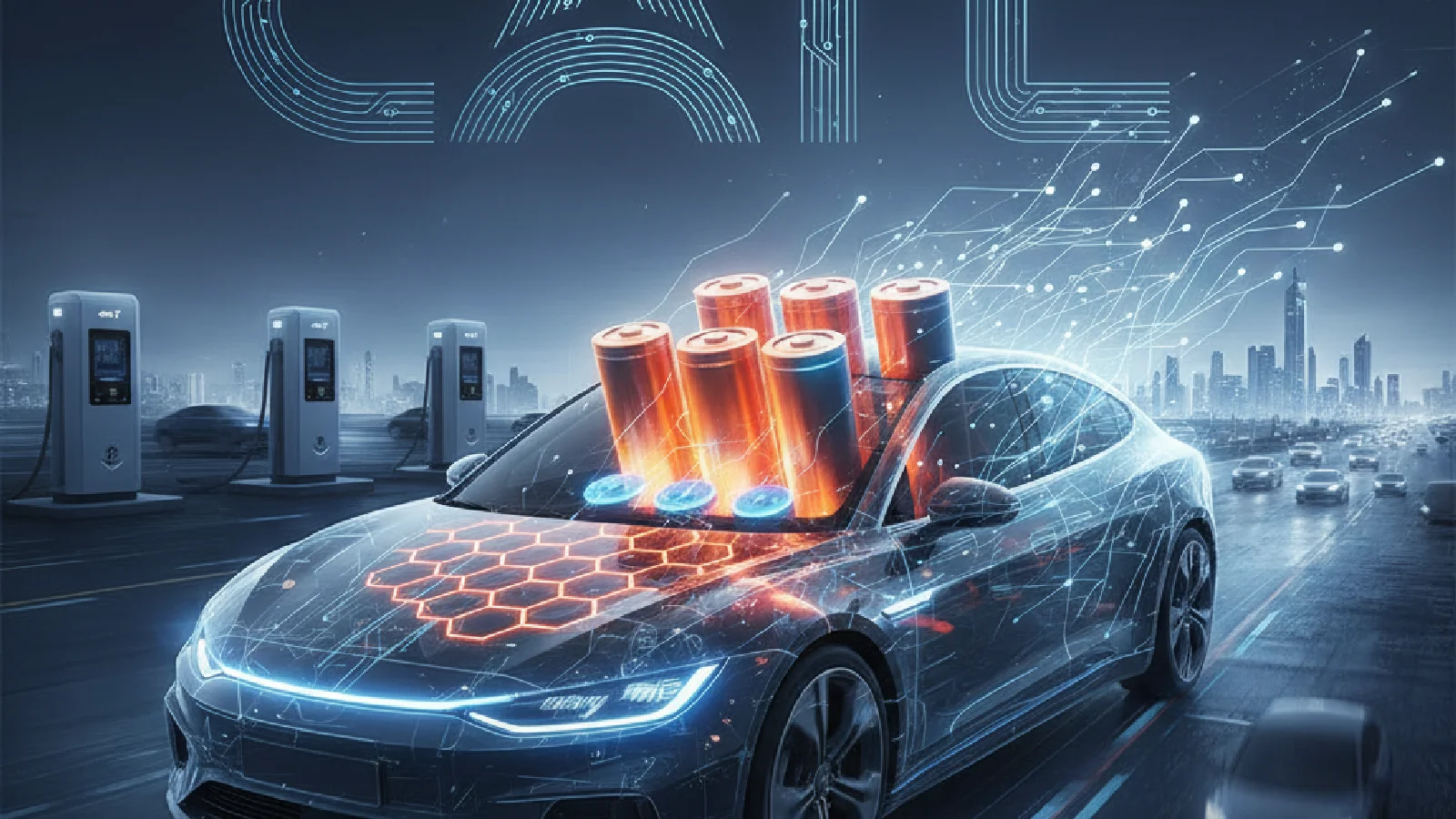
Chinese giant CATL (Contemporary Amperex Technology Co. Limited) is set to reach a decisive milestone in the industrialization of sodium-ion batteries. As the global market for electric vehicles and renewable energy storage experiences sustained growth, this alternative to lithium-ion could reshuffle the cards in an industry facing supply constraints and volatile prices. With its Naxtra range and mass production planned for 2026, CATL aims to demonstrate that sodium is no longer just a laboratory curiosity, but a viable large-scale solution.
A Planned Ramp-Up for 2026
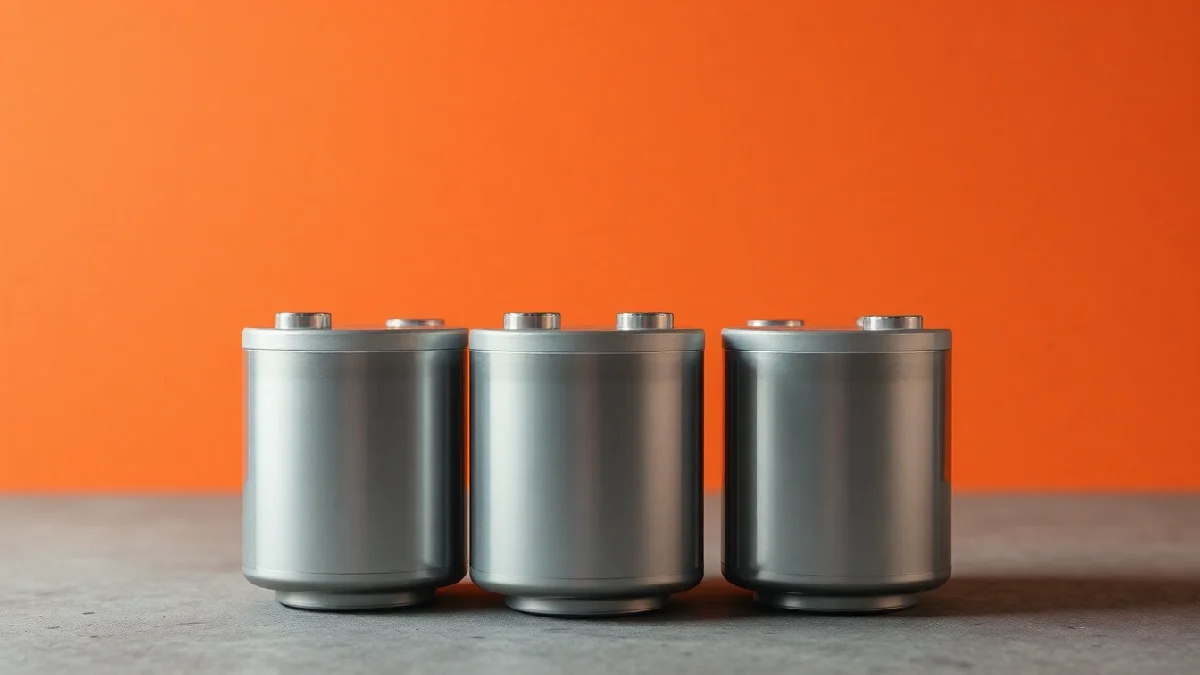
CATL has announced the commissioning of a mass production line for its sodium-ion cells starting in 2026. This range, named Naxtra, offers low and high-voltage versions capable of reaching up to 175 Wh/kg in energy density. While this figure remains lower than the best lithium-ion cells (which exceed 250 Wh/kg), it still allows for compact electric vehicles with a range of approximately 500 kilometers.
The Chinese manufacturer is not starting from scratch. Several Chinese car manufacturers have already integrated prototype sodium-ion batteries into their entry-level models, particularly for electric city cars and two-wheelers. This progressive strategy aims to validate the technology's reliability before a broader deployment in market segments less sensitive to energy density.
The announced production capacity should meet growing demand, especially in stationary applications where battery weight and volume are less critical than in automotive. By 2030, several industry players anticipate an installed capacity of several hundred gigawatt-hours for this chemistry.
The Structural Advantages of Sodium Over Lithium
The enthusiasm for sodium-ion is not solely based on a desire for diversification. This technology offers intrinsic advantages that explain the growing interest from industry and researchers.
- Abundance of sodium: available in virtually unlimited quantities, reducing geopolitical risks.
- Increased thermal safety: stability against overheating, important for large storage installations.
- Tolerance to frequent cycles: maintains performance over time, essential for power applications.
The abundance of sodium is the primary argument. Unlike lithium, whose main deposits are concentrated in a few countries (Chile, Australia, China), sodium is extracted from sea salt and available in virtually unlimited quantities. This accessibility reduces geopolitical risks and supply chain tensions, as highlighted by the International Renewable Energy Agency (IRENA) in its recent report on storage technologies.
Thermal safety represents another major advantage. Sodium-ion batteries exhibit increased stability against overheating and thermal runaway, thereby reducing the risk of fire. This characteristic is particularly valuable for large-capacity stationary storage installations, where safety is an absolute imperative.
"Sodium-ion batteries are emerging as a safer and cheaper alternative to lithium-ion batteries, particularly competitive in stationary energy storage." – pv magazine
Finally, these batteries tolerate frequent charge-discharge cycles particularly well, an essential property for power applications and the smoothing of intermittent renewable energies. Unlike lithium-ion batteries, which gradually degrade with deep cycles, sodium-ion cells maintain their performance over time.
Electric Vehicles: Strategic Positioning in Entry-Level Segments
In the automotive sector, CATL does not aim to replace high-end lithium-ion batteries, but rather to conquer segments previously neglected or too expensive with conventional chemistries. Compact electric vehicles, two and three-wheelers, and light commercial vehicles are the priority targets.
The 500 km range announced for Naxtra cells is more than sufficient for urban and suburban use, which represents the majority of daily commutes. In China, several local manufacturers have already integrated sodium-ion modules into their entry-level models, offering significantly lower selling prices than their lithium-ion equivalents.
This approach also addresses the challenge of democratizing electric mobility. By reducing the cost of batteries – which account for approximately 40% of the price of an electric vehicle – sodium-ion can accelerate EV adoption in emerging economies and among price-sensitive consumers. Fortune Business Insights' analysis suggests that the sodium-ion battery market could capture a growing share of the automotive sector by the end of the decade.
European car manufacturers are also closely following these developments. Although no major Western group has yet announced massive integration, several pilot projects are underway, particularly in France with the start-up Tiamat, spun off from the CNRS, which is developing its own sodium-ion cells for power applications.
Stationary Storage: The Preferred Playground
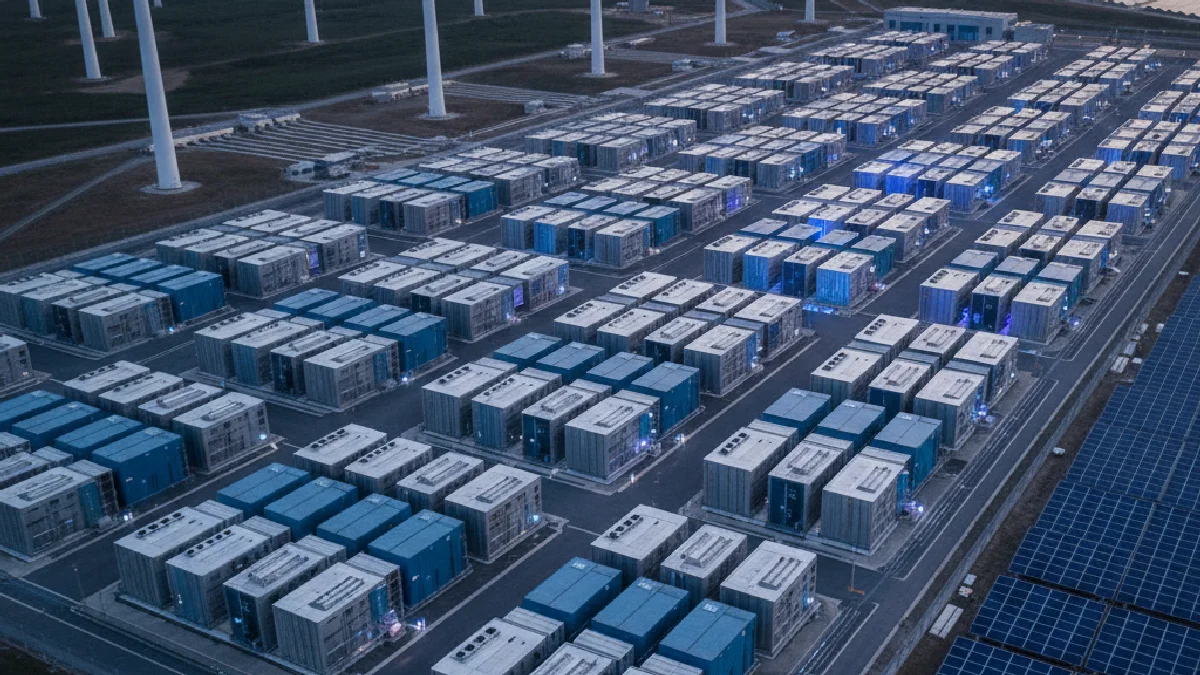
It is undoubtedly in stationary energy storage that sodium-ion batteries reveal their greatest potential. The constraints here are different from automotive: weight and volume matter less, while cost per kilowatt-hour stored, lifespan, and safety become critical.
Storage installations coupled with wind and photovoltaic farms require systems capable of rapidly absorbing and releasing large amounts of energy. Sodium-ion batteries, thanks to their ability to withstand repeated cycles and their reduced cost, are emerging as an attractive solution for these uses.
In China, the start-up HiNa inaugurated the world's largest stationary sodium-ion battery, with a capacity of 100 MWh, in July 2024. This installation demonstrates the technical viability of the technology at an industrial scale. Other similar projects are under development in Asia and Europe, driven by the desire to accelerate the integration of renewable energies into electricity grids.
Data centers, telecommunications, and backup systems also represent promising outlets. In these applications, the thermal stability and longevity of sodium-ion batteries provide tangible added value compared to traditional lithium-ion solutions.
Technological and Economic Challenges to Overcome
Despite its advantages, sodium-ion technology is not without its limitations. The lower energy density compared to lithium-ion is the main obstacle for applications requiring maximum range in a reduced volume. High-end electric vehicles, long-range drones, or electric aviation will therefore remain the exclusive domain of lithium-ion, or even future technologies such as solid-state batteries.
The supply chain for sodium-ion batteries still needs to be structured. While sodium is abundant, other components (cathodes, electrolytes, separators) require significant industrial investments. CATL and its Chinese competitors benefit from an already mature manufacturing ecosystem, while Europe and the United States are significantly behind.
Market acceptance represents another challenge. Consumers and industrialists are accustomed to the performance of lithium-ion, and the transition to an alternative technology requires significant educational effort. Guarantees offered by manufacturers, standardization of cell formats, and certification of battery management systems (BMS) will be crucial to accelerate adoption.
Finally, economic profitability will largely depend on the evolution of lithium prices. If prices remain high (above $30 per kilogram), sodium-ion gains competitiveness. Conversely, a sustained drop in lithium prices could slow the transition. According to Univdatos' market analysis, the value of the sodium-ion battery market could grow at an annual rate of approximately 19% until 2033, driven by this progressive substitution dynamic.
Outlook for the Global Energy Ecosystem
The deployment of sodium-ion batteries by CATL and other players is part of a broader transformation of the energy landscape. The diversification of storage technologies is becoming a strategic necessity to secure battery supply and accelerate decarbonization.
Market projections suggest that sodium-ion could represent approximately 5% of the global battery market by 2030, with possible acceleration if economic and regulatory conditions prove favorable. This share may seem modest, but it corresponds to several tens of gigawatt-hours of annual capacity, equivalent to several million electric vehicles or multiple gigawatt-hours of stationary storage.
For Europe, this development presents both a risk and an opportunity. The risk lies in a new dependence on China, which already dominates lithium-ion battery production. The opportunity lies in the possibility of building a sovereign sector around sodium-ion, relying on players like Tiamat or on industrial partnerships with European car manufacturers.
| Characteristic | Lithium-ion Batteries | Sodium-ion Batteries |
|---|---|---|
| Energy Density | High (often > 250 Wh/kg) | Moderate (up to 175 Wh/kg for Naxtra) |
| Material Cost | Critical raw materials (Lithium) | Abundant raw materials (Sodium) |
| Key Advantages | Maximum range, premium applications | Safety, reduced cost, stationary storage |
| Primary Applications | High-end EVs, drones, electronics | Entry-level EVs, stationary storage, 2/3 wheelers |
| Thermal Safety | Risk of thermal runaway | Increased stability |
Public policies will play a decisive role in this dynamic. Fiscal incentives, adapted safety standards, and investments in research and development will determine the speed of technology deployment. Several countries, including France, have already included sodium-ion in their roadmaps for energy transition.
The complementarity between lithium-ion and sodium-ion seems to be the most probable scenario in the medium term. Rather than a brutal substitution, we are witnessing a progressive specialization: lithium-ion for premium applications requiring maximum energy density, sodium-ion for mass applications, stationary storage, and short-range vehicles. This technological coexistence strengthens the resilience of the energy ecosystem to supply shocks and price fluctuations.
In parallel, research continues to explore other avenues, such as direct carbon capture technologies or biodiversity conservation strategies, illustrating the diversity of levers mobilized to address climate and environmental challenges. The energy transition does not rely on a single solution, but on a portfolio of complementary technologies, of which sodium-ion batteries are now a credible component.