Green Hydrogen 2026: Innovative Materials and High-Performance Electrolyzers
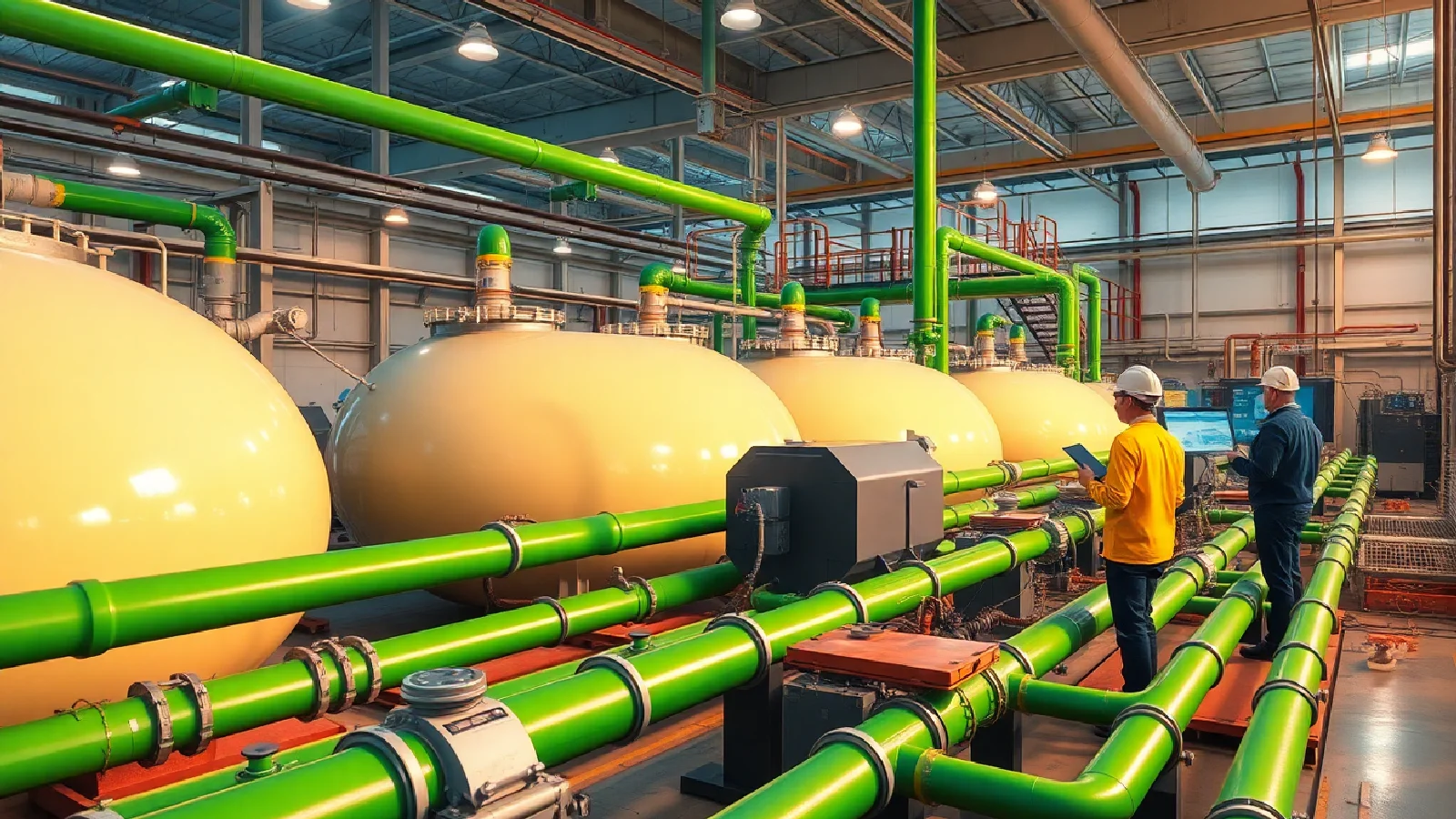
In 2026, the green hydrogen sector is reaching a decisive milestone. Long hampered by high costs and imperfect yields, it now benefits from material advancements that drastically reduce energy losses and reliance on precious metals. At the heart of this transformation are the gas diffusion layers (GDLs) and electrolytes of electrolyzers. These technical components, invisible to the general public, nonetheless determine the economic viability of decarbonized hydrogen compared to fossil fuels.
Proton Exchange Membrane (PEM) electrolyzers, Alkaline Electrolysis (AEL) systems, and Solid Oxide Electrolysis Cells (SOEC) each evolve along different trajectories, but all converge towards a common goal: to produce hydrogen at less than €3/kg, a crucial competitiveness threshold for heavy industries and transportation. Innovations in nanomaterials, catalytic coatings, and recycling processes are reshaping the technological and economic landscape of the sector.
Next-Generation GDLs: Composite Carbons and Nanostructures
Gas diffusion layers constitute the critical interface where water, electricity, and gases meet in the electrolyzer. Their role: to uniformly distribute electrical current while efficiently removing the oxygen and hydrogen produced. Traditional carbon paper GDLs presented significant pressure losses and imperfect current distribution, limiting the power density of installations.
New generations incorporate composite carbons reinforced with nanofibers and ultra-porous catalytic coatings. These structures reduce pressure losses and improve current distribution, allowing for current densities greater than 1 A/cm² with a lower voltage drop. This improvement directly translates into a reduction in electricity consumption per kilogram of hydrogen produced.
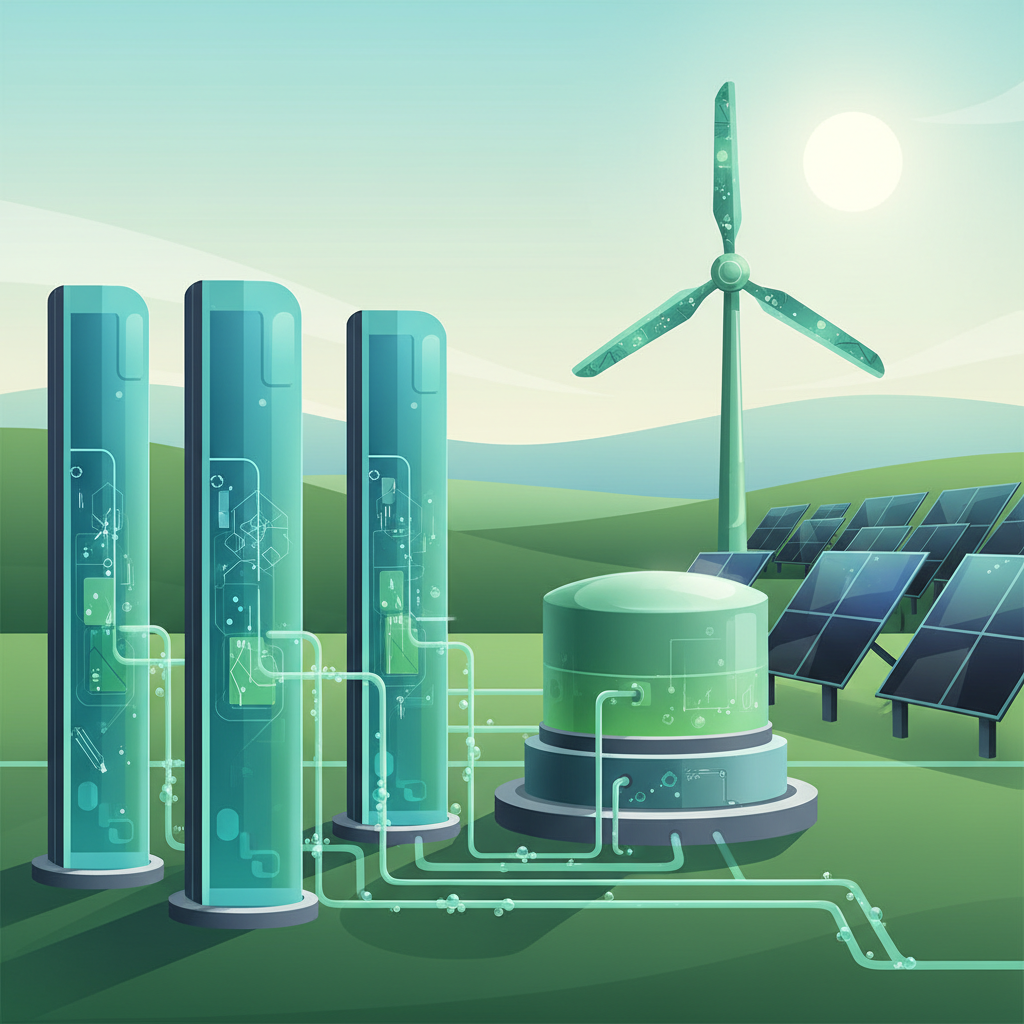
Optimizing the microporosity and hydrophobicity of GDLs also allows for better management of liquid water removal, thereby limiting the flooding phenomenon that penalizes performance at high loads. These technical advancements, resulting from several years of fundamental research on carbon materials, are beginning to equip industrial electrolyzers deployed in large-scale projects.
PEM: Drastic Reduction in Iridium and Circular Recycling
PEM electrolyzers remain the preferred technology for applications requiring rapid dynamic response and high power density. Their Achilles' heel until now lay in their reliance on iridium, a rare and expensive metal used as a catalyst at the anode. PEM membranes traditionally required between 2 and 4 mg of iridium per cm², a level incompatible with mass deployment given supply constraints.
Recent research has enabled a reduction in this catalytic load to less than 0.3 mg/cm² thanks to several complementary innovations:
- Nanostructured catalysts with very high active surface area, maximizing the use of each iridium atom
- Doped titanium oxide supports that improve catalyst dispersion and stability
- Closed-loop recycling processes recovering iridium from end-of-life electrolyzers
These advancements maintain efficiencies of 65 to 70% in Lower Heating Value (LHV) while driving down installation costs to between $400 and $600/kW. This range gradually brings PEM technology closer to alkaline systems in terms of economic competitiveness, while retaining its intrinsic advantages of compactness and operational flexibility.
AEM: The Convergence of Alkaline and PEM
Anion Exchange Membrane (AEM) electrolyzers embody a promising hybrid technological path. Combining the low costs of alkaline ($200-400/kW) with a compact design inspired by PEM, they use NiFe hydroxide-based catalysts that completely eliminate precious metals.
These systems now show efficiencies exceeding 90% at 1 A/cm², bringing their dynamic performance closer to that of PEM. The anionic membrane allows operation in an alkaline environment while maintaining a separated electrode architecture, thus eliminating the constraints of managing corrosive liquid electrolyte inherent in conventional alkaline systems.
AEM electrolyzers represent the next generation of electrolysis systems, combining economic accessibility with high-level technical performance.
However, the durability of anionic membranes remains a major technical challenge. Chemical degradation under real operating conditions currently limits their lifespan to a few thousand hours, whereas industrial applications require tens of thousands of hours. Current research aims to stabilize polymer chains and optimize functional groups to achieve these durability objectives.
SOEC: Superior Thermodynamic Efficiency at High Cost
Solid Oxide Electrolysis Cells (SOEC), operating at temperatures between 700 and 850 °C, leverage thermal input to improve the efficiency of the water dissociation reaction. This thermochemical approach allows for thermodynamic efficiencies greater than 90% LHV, an unparalleled level among other technologies.
However, SOECs remain the most expensive ($800-1,200/kW) and require stack lifetimes exceeding 60,000 hours to be economically viable. Repeated thermal cycles weaken ceramic materials, causing cracks and delaminations that gradually degrade performance. Innovative ceramic materials with optimized thermal expansion coefficients are under development to address this challenge.
SOECs are relevant in cogeneration configurations where industrial waste heat can be recovered, or in installations coupled with fourth-generation nuclear reactors. In these specific contexts, their overall efficiency can justify the higher initial investment.
Impact on the Cost of Green Hydrogen Production
All these material advancements converge towards a clear economic objective: to drive down the cost of green hydrogen production to or slightly below €3/kg by 2026. This threshold represents an inflection point where decarbonized hydrogen becomes competitive for certain industrial applications without requiring massive subsidies.
Reduced catalytic loads, improved electrical efficiencies, and extended equipment lifespans all contribute to this cost reduction dynamic. Materials for green hydrogen production now constitute a field of innovation as strategic as renewable energies themselves.
At this price, green hydrogen becomes feasible for oil refining, low-carbon steelmaking, ammonia production for fertilizers, and, in the longer term, certain segments of heavy transport. Economic viability, however, remains conditional on access to abundant and inexpensive renewable electricity, which strategically directs projects towards areas with high wind or solar potential.
Deployment Challenges and Industrial Prospects
Despite these technical advances, several obstacles still hinder mass deployment. The supply chain for critical materials – titanium for PEM bipolar plates, nickel for AEM catalysts, yttrium for SOEC ceramics – must be structured to absorb a volume increase of several orders of magnitude.
Manufacturing capacities for membranes, GDLs, and membrane-electrode assemblies remain limited. The industry must transition from semi-artisanal production of a few thousand units per year to industrialized production of millions of units to meet the deployment targets set by national and European hydrogen strategies.
Standardization of components and interfaces becomes crucial to foster the emergence of a mature industrial ecosystem. Technical standards still under development will condition equipment interoperability and cost reduction through economies of scale.
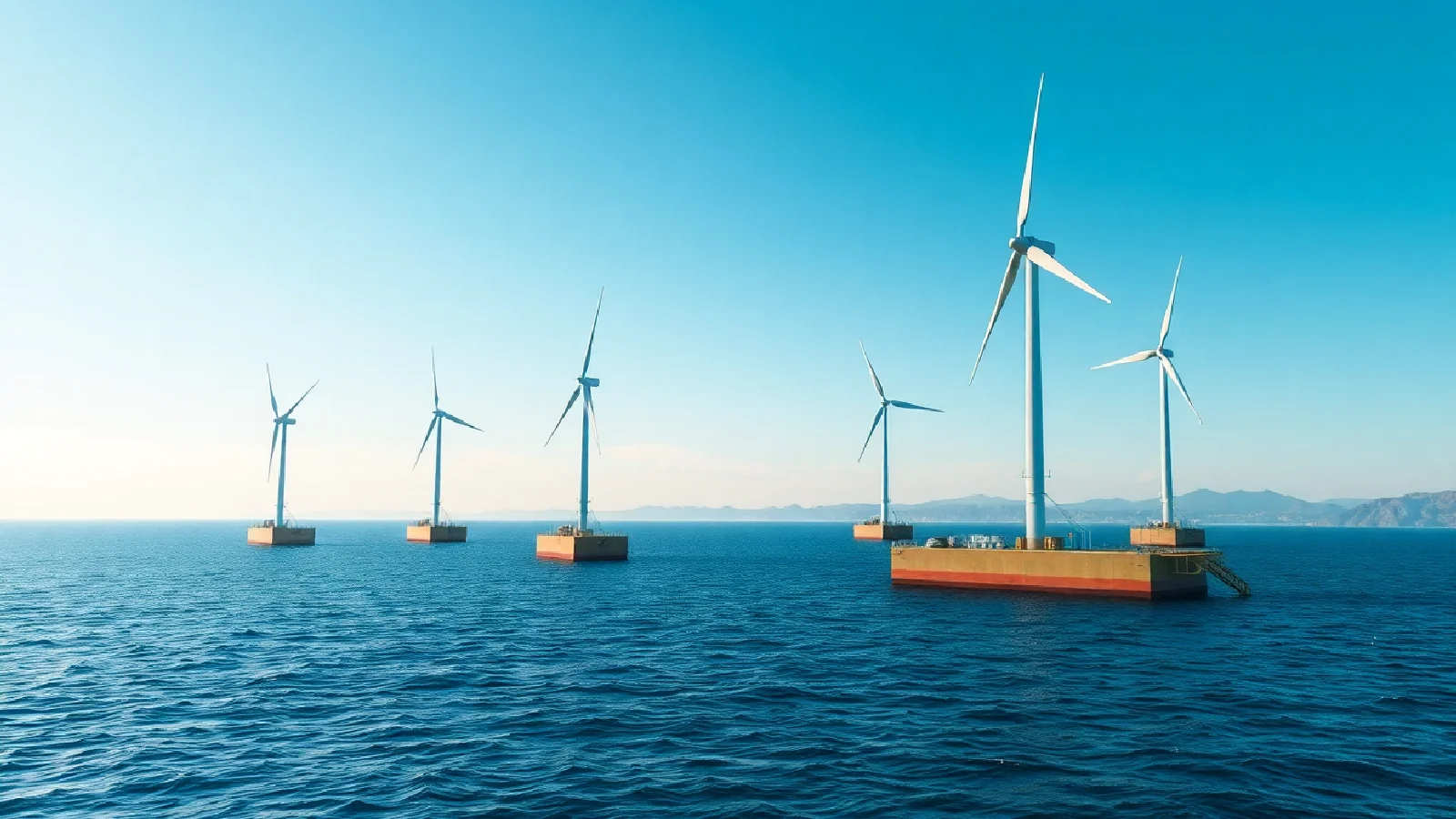
Integrating electrolyzers with intermittent renewable electricity sources also requires innovations in load management, grid stability, and buffer storage. These systemic dimensions, beyond just materials, will ultimately determine the overall competitiveness of the sector. Synergies with the development of offshore wind power or with industrial ESG strategies will shape the territorial deployment of the hydrogen sector.
Comparative Table of Electrolyzer Technologies (2026)
| Technology | Average Installation Cost | LHV Efficiency | Iridium Load (PEM) | Thermodynamic Efficiency (SOEC) |
|---|---|---|---|---|
| PEM | $400-600/kW | 65-70 % | < 0.3 mg/cm² | N/A |
| AEM | $200-400/kW | > 90 % (at 1 A/cm²) | Precious metal-free | N/A |
| SOEC | $800-1,200/kW | N/A | N/A | > 90 % |
Outlook: Industrial Maturity Under Construction
The technological convergence observed in 2026 marks a decisive step towards the industrial maturity of green hydrogen. Innovative materials, the fruit of a decade of intensive research, are gradually transforming electrolyzers into robust and economically viable industrial equipment.
The three major technological families – PEM, AEM, SOEC – are not in frontal competition but occupy complementary application niches. PEM retains its advantage for applications requiring dynamism and compactness, AEM establishes itself as a high-volume, cost-controlled solution, while SOEC targets high-efficiency configurations with thermal recovery.
Green hydrogen, however, remains an energy carrier, not a primary source. Its relevance depends entirely on the availability of abundant and competitive decarbonized electricity. Material advancements, however promising, cannot compensate for carbon-intensive or prohibitively expensive electricity supply. It is in this articulation between material innovation, renewable deployment, and value chain structuring that green hydrogen's real contribution to the energy transition will be played out.
The coming years will tell whether the technical promises of 2026 actually translate into massive deployments, or whether new barriers – economic, geopolitical, or infrastructural – will slow this trajectory. One thing is certain: innovative materials have removed a significant portion of the technological obstacles that previously hindered the development of this strategic sector.