
Halliburton XTR CS: The Game-Changing Innovation for CCUS
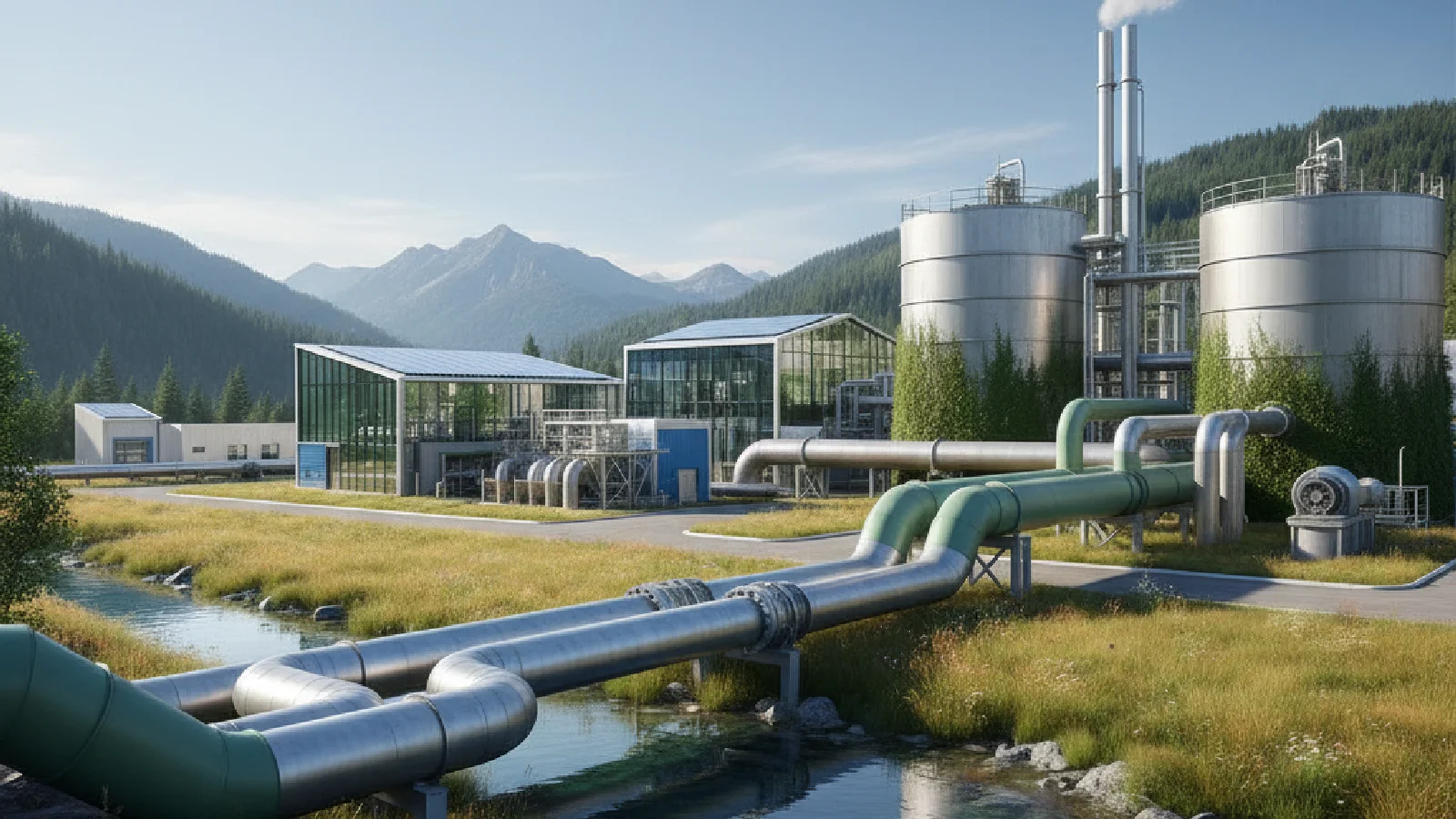
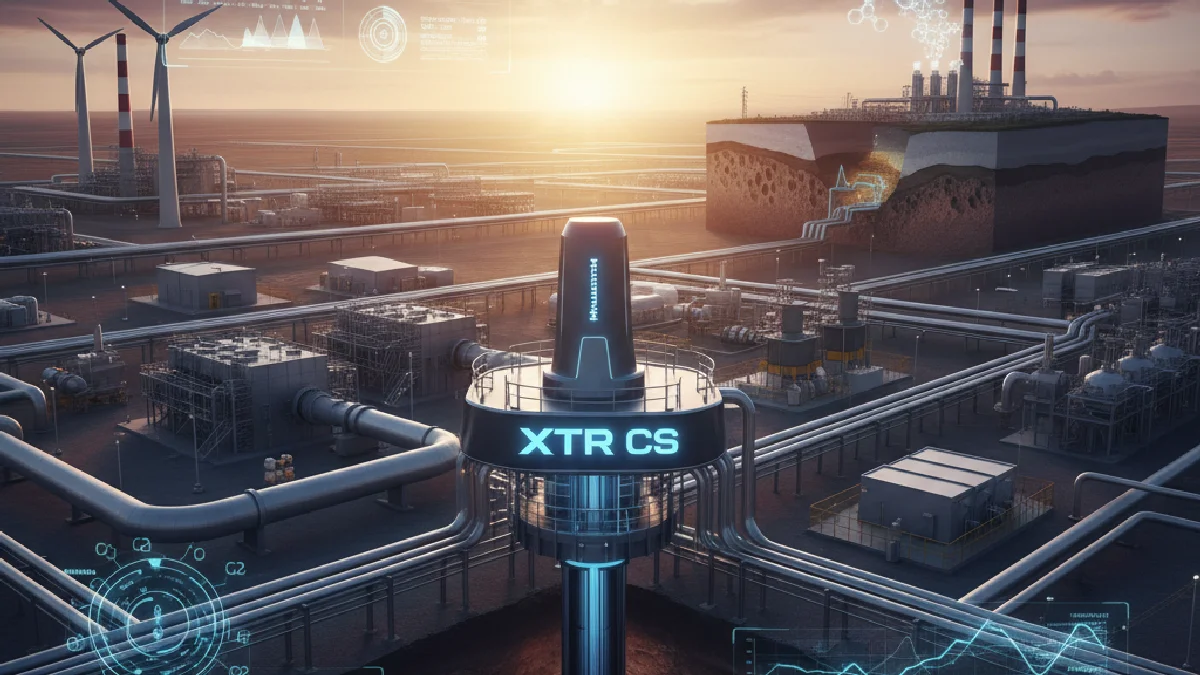
Facing the climate emergency and carbon neutrality targets set for 2050, Carbon Capture, Utilization, and Storage (CCUS) technologies are attracting increasing interest. However, their large-scale deployment still faces major technical and economic hurdles. It is in this context that Halliburton, an oilfield services giant, is launching its XTR CS (eXtended-Reach CO₂ Storage) solution, a CO2 injection system designed to make CCUS projects financially viable and technically reliable.
This innovation could mark a decisive turning point in the fight against climate change, enabling the secure storage of millions of tons of carbon dioxide in deep geological formations.
Carbon Capture and Storage: An Essential but Complex Lever
CCUS technologies are now an indispensable complement to renewable energies for decarbonizing certain hard-to-electrify industrial sectors. According to the Directorate General for Enterprises, CCUS allows for capturing CO2 emissions directly at industrial sites, transporting them, and then permanently storing them in closed geological structures.
The process involves several critical steps:
- Capture: extraction and concentration of CO2 at the industrial site
- Transport: routing of CO2 to storage sites via pipelines, ships, or trucks
- Injection and Storage: injection of CO2 in dense form into suitable geological formations
The International Energy Agency estimates that to achieve climate neutrality by 2050, between 1.6 billion tons of CO2 per year will need to be captured by 2030, and up to 7.6 billion tons by 2050, compared to only 40 million tons currently.
| Carbon Neutrality Goal | Annual CO2 Capture |
|---|---|
| Current | 40 million tons |
| By 2030 | 1.6 billion tons |
| By 2050 | 7.6 billion tons |
XTR CS: A Technological Response to Geological Storage Challenges
Halliburton's XTR CS solution is positioned as a major breakthrough in overcoming the main technical and economic obstacles to geological carbon storage. This proprietary well construction and injection system integrates several key innovations.
Advanced Cementing Techniques
One of the major challenges of CO2 storage lies in the long-term integrity of injection wells. CO2, when injected under pressure into geological formations, can create leakage pathways if not properly confined. XTR CS technology uses advanced cementing and casing placement techniques that minimize these potential migration paths.
Real-Time Pressure and Temperature Monitoring
To ensure safety and optimize reservoir management, the system incorporates real-time monitoring devices. These sensors accurately track pressure and temperature in the injection wells, ensuring continuous control of storage conditions and early detection of any anomalies.
Modular Design for Cost Reduction
The modular architecture of the XTR CS solution significantly shortens installation times and reduces drilling and completion costs. This optimization lowers the cost per ton of CO2 stored, making CCUS projects more attractive to investors and industry.
The economic viability of carbon capture and storage projects directly depends on our ability to reduce injection costs while ensuring the integrity of infrastructure for several decades.
Targeted Applications in Suitable Geological Formations
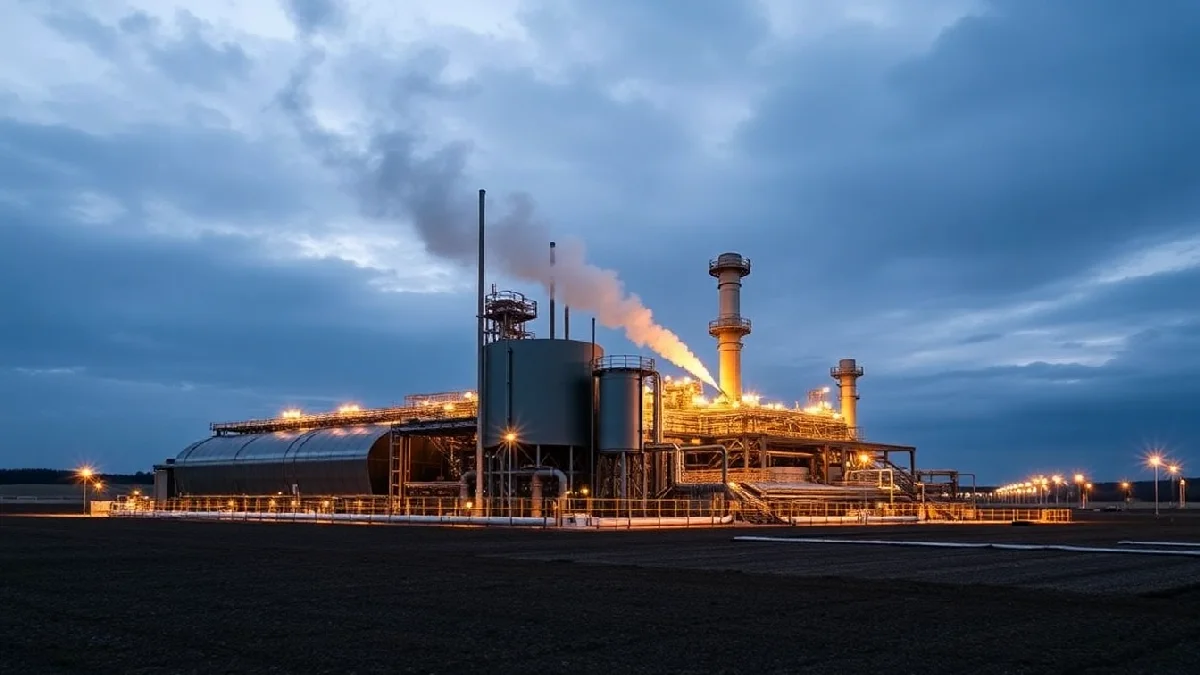
XTR CS technology is particularly suited for two types of promising geological formations for permanent CO2 storage:
- Depleted hydrocarbon reservoirs: these former oil or gas fields offer in-depth geological knowledge and partially existing infrastructure. Their containment capacity has already been proven, as they held oil or gas for millions of years.
- Deep saline formations: these deep saline aquifers have considerable storage capacity and are widely distributed geographically. However, their exploitation requires robust injection technologies capable of operating in corrosive environments.
Halliburton's solution allows operation at high pressures and flow rates, essential conditions for injecting the large volumes required for large-scale storage projects. This technical capability is a decisive advantage for achieving ambitious carbon sequestration goals.
An Evolving Regulatory Context to Support CCUS
The development of CCUS is closely linked to the establishment of incentive regulatory frameworks. In Europe, several countries have taken the lead, notably Norway, the Netherlands, and the United Kingdom, which have established financial support mechanisms and adapted regulations.
France is also accelerating its position in this strategic sector. Prospective studies, particularly by the Energy Regulatory Commission, explore the conditions necessary for deploying a national CCUS infrastructure, including planning transport networks and coordinating industrial projects.
Public investments and access to European funds are essential levers for financing the first commercial installations and creating a favorable ecosystem. The social acceptability of geological storage projects also represents a major challenge that requires transparency and communication regarding safety guarantees.
Remaining Challenges for Large-Scale Adoption
Despite technological advancements embodied by solutions like XTR CS, several barriers remain before massive CCUS deployment.
The cost of avoided CO2 per ton is still high compared to other decarbonization solutions. While Halliburton's innovation reduces injection and storage costs, the overall cost of a CCUS project also includes upstream capture and transport, steps that represent a significant portion of the total investment. Source
The question of long-term liability for storage sites raises legal and financial questions: who will assume monitoring and potential leakage risks after several decades? Regulators are working to define mechanisms for transferring responsibility from the operator to the state after a monitoring period.
Finally, available geological storage capacity, although considerable, is not uniformly distributed geographically. Some industrial regions far from suitable geological formations will need to develop CO2 transport infrastructures over long distances, adding complexity and additional costs.
| Major CCUS Challenge | Description |
|---|---|
| Cost | High cost per ton of avoided CO2 (capture, transport, storage). |
| Responsibility | Who manages long-term monitoring and risks of storage sites? |
| Distribution | Non-uniform storage capacity, requires transport infrastructure. |
Outlook: Towards a Captured Carbon Economy
Beyond simple storage, the utilization of captured CO2 as a resource opens up complementary perspectives. Carbon can be valorized in the production of synthetic fuels, construction materials, or chemical products. This circular carbon economy would create more resilient economic models for CCUS projects.
Halliburton's XTR CS technology is part of an industrial dynamic where technical reliability and economic competitiveness are becoming decisive. By lowering the cost per ton of stored CO2 and ensuring the integrity of injection infrastructures, this innovation brings CCUS projects closer to commercial profitability. The market for CO2 capture, storage, and utilization also anticipates this evolution.
For industrial players in hard-to-abate sectors – cement, steel, chemicals – access to high-performance injection solutions becomes a strategic asset in their decarbonization trajectory. The coming years will be crucial for transforming these technological advancements into operational deployments at the scale required by the climate emergency.
The combination of innovations like XTR CS, incentive regulatory frameworks, and public funding could well make CCUS a major component of the energy transition, alongside charging infrastructure for electric vehicles and new battery technologies.