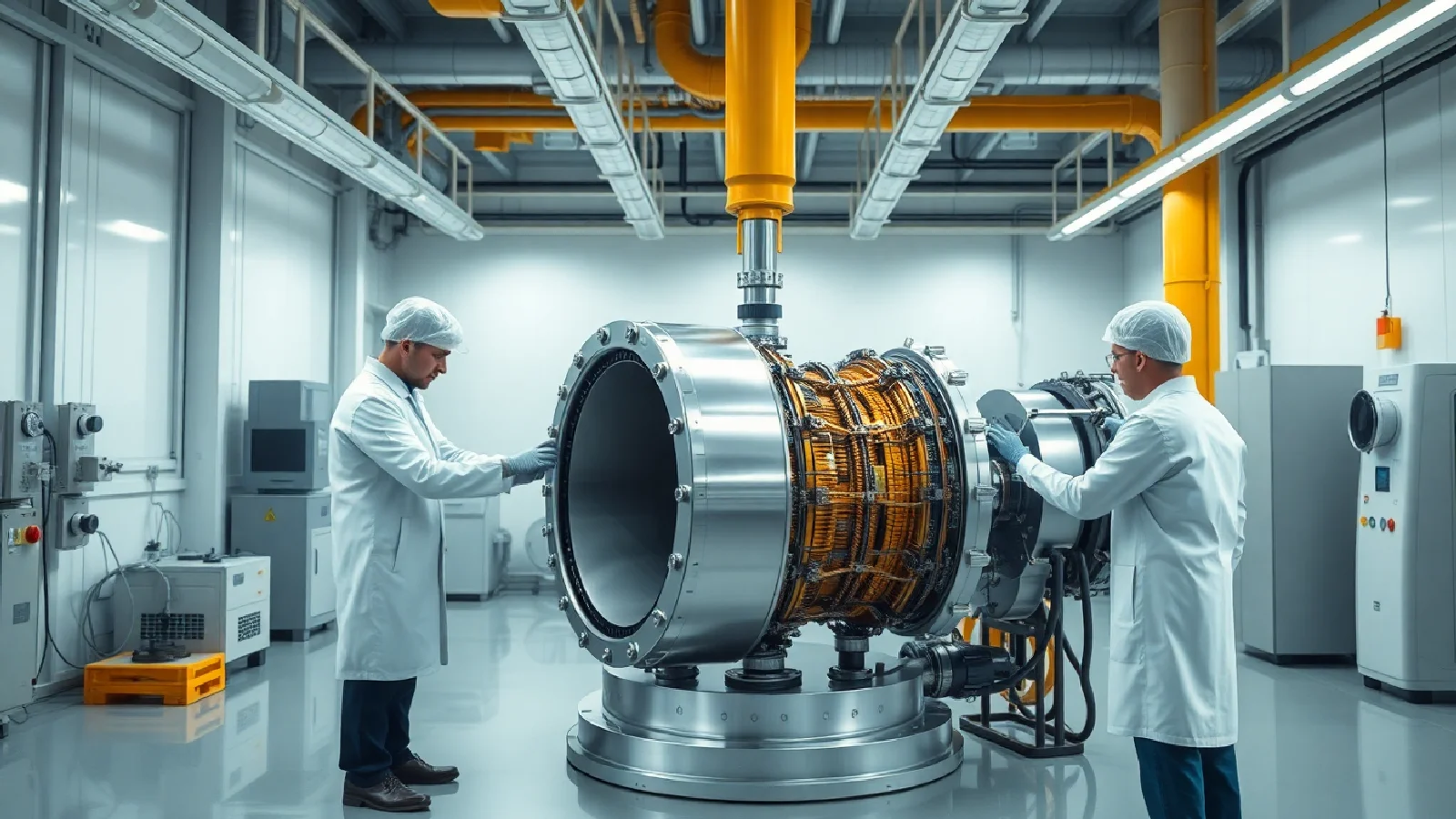
Heat Pumps in Cold Climates: Innovations and Decarbonization
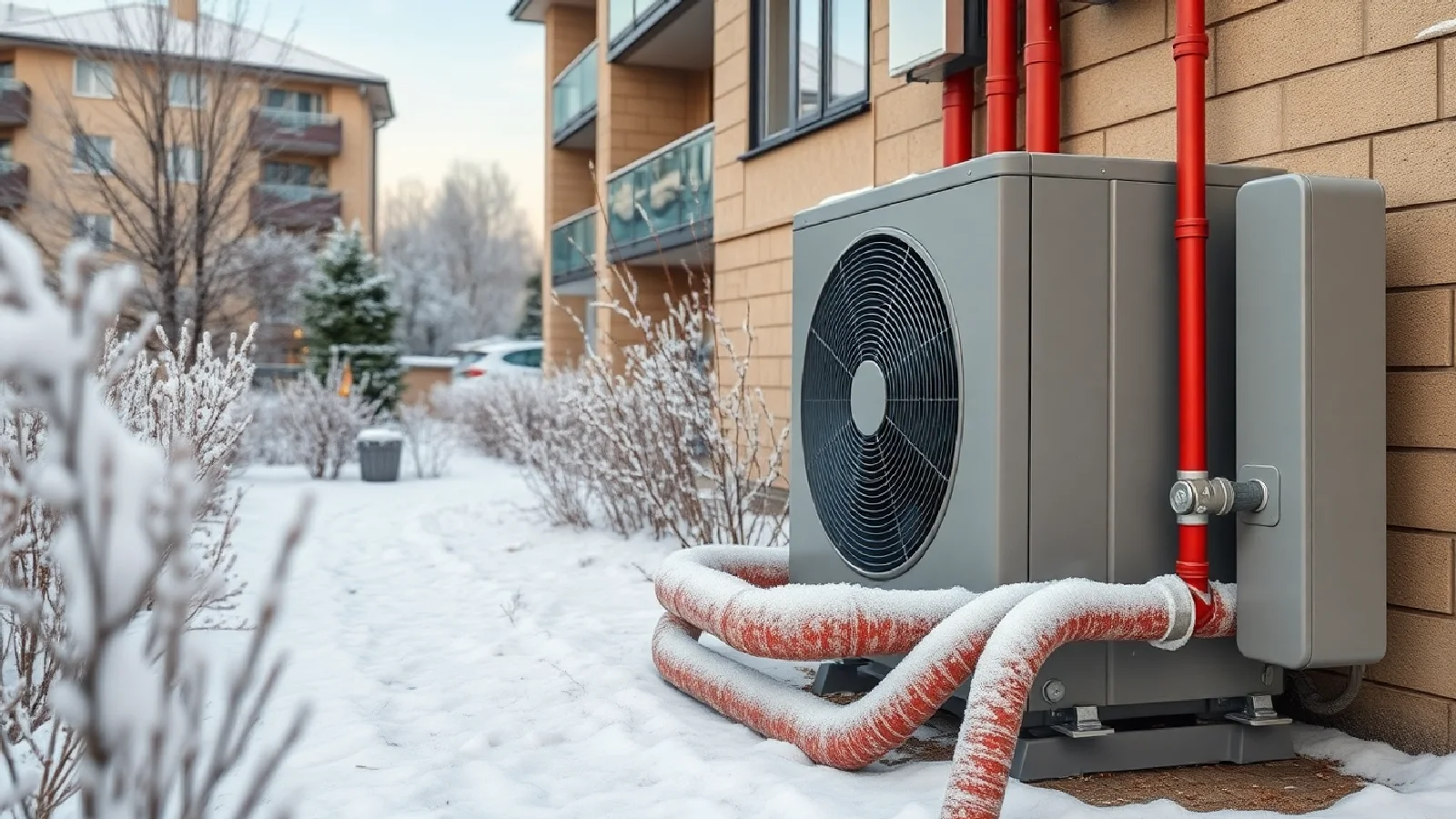
The building sector accounts for nearly half of national energy consumption and generates a significant portion of greenhouse gas emissions, primarily due to heating, which still largely relies on fossil fuels. Faced with the climate emergency, heat pumps are emerging as a preferred solution for decarbonizing heating. However, their performance drops drastically when winter temperatures become extreme – precisely when heating needs peak.
This apparent contradiction is pushing the industry to innovate. The latest technological advancements are redefining what seemed to be a physical limitation, paving the way for successful decarbonization even in the most rigorous climates.
The Cold Challenge: When Physics Enters the Equation
The main difficulty for heat pumps in cold climates lies in the sharp drop in their coefficient of performance (COP) and heating capacity as the outdoor temperature decreases. This physical phenomenon is simply explained: the less heat there is to extract from the outside air, the harder the compressor must work to raise the temperature to the desired level.
Specifically, an air-to-water heat pump with a COP of 3.5 at 7 °C can see it fall to 2 or less at -10 °C. This degradation occurs precisely when heating demand explodes, creating a problematic mismatch between performance and need.
| Outdoor Temperature | COP (Classic Air-to-Water) | Heating Capacity |
|---|---|---|
| 7 °C | 3.5 | Optimal |
| -10 °C | ≤ 2 | Reduced |

Classic air-source units particularly struggle to meet high-temperature needs, especially for domestic hot water production or supplying existing radiators requiring high flow temperatures. In some extreme cases, the system may even require direct electric backup, negating some of the expected energy gains.
This technical limitation has long hindered the widespread deployment of heat pumps in regions with harsh winters, fueling doubts about their ability to fully replace fossil fuel boilers.
High-Temperature Geothermal: Tapping into Subsurface Stability
Facing the limitations of air as a heat source, geothermal energy stands out as a particularly relevant solution. Geothermal heat pumps exploit the relatively stable temperature of the subsurface – generally between 10 and 15 °C depending on depth and region – to maintain a high COP even during cold snaps.
Vertical geothermal loop systems, which extend tens of meters underground, offer a constant heat source throughout the winter. This stability allows installations to maintain optimal performance without the sudden fluctuations observed with aerothermal systems.
One particularly promising innovation concerns high-temperature geothermal heat pumps, capable of producing heating water at 65 °C or more. This feature is crucial for the energy renovation of existing buildings, where distribution systems (cast iron radiators, convectors) were designed for high flow temperatures.
According to research conducted at Polytechnique Montréal, these systems enable effective building decarbonization without requiring the complete replacement of the distribution system, thereby significantly reducing the costs and complexity of the energy transition.
Advanced Refrigerants and Transcritical CO₂ Cycles
At the heart of heat pump performance is the refrigerant fluid. New-generation refrigerants, particularly transcritical CO₂ cycles, are revolutionizing the ability of heat pumps to operate efficiently in very cold weather.
CO₂ as a refrigerant has thermodynamic properties particularly suited to low outdoor temperatures. Unlike traditional refrigerants whose performance plummets below -15 °C, CO₂ systems maintain a high COP even at -25 °C or -30 °C, common temperatures in many regions.
These transcritical cycles also allow for very high output temperatures (up to 90 °C), opening the door to industrial applications and supplying urban district heating networks. This ability to produce high temperatures in cold climates represents a turning point in the strategy for decarbonizing collective heating.
Heat pumps equipped with advanced refrigerants and transcritical cycles maintain their efficiency even when outdoor temperatures drop below -20 °C, transforming a former limitation into an asset for the energy transition.
ADEME emphasizes in its analysis that heating decarbonization necessarily involves replacing fossil fuels with decarbonized vectors, and high-temperature heat pumps are one of the most effective levers to achieve this.
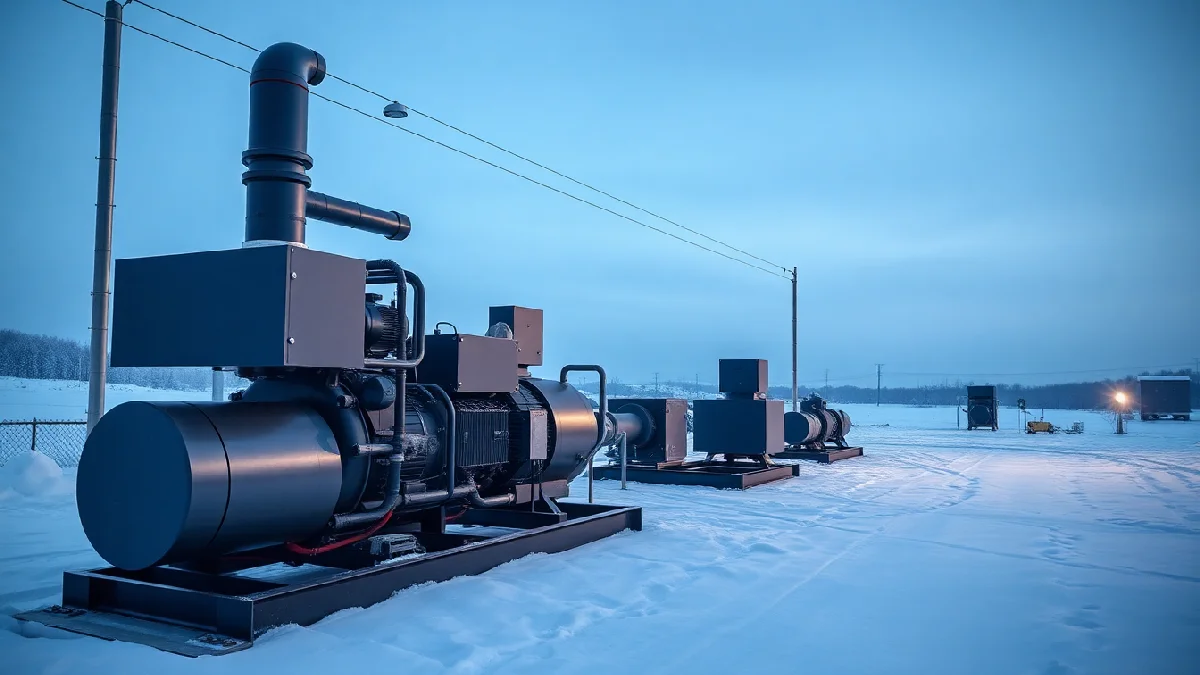
Inverter Compressors and Smart Modulation
Electronics and embedded intelligence are profoundly transforming how heat pumps adapt to changing conditions. Variable-speed inverter compressors allow for fine modulation of power based on actual demand, keeping the system within its optimal operating range.
Unlike traditional compressors that operate in an all-or-nothing fashion, inverter systems continuously adjust their speed to match instantaneous needs. This adjustment capability avoids repeated on-off cycles that degrade efficiency and prematurely wear out components.
Sophisticated modulation strategies now incorporate predictive algorithms that anticipate temperature variations and adjust heat production accordingly. Some systems analyze weather forecasts to pre-heat the home before a cold front arrives, or conversely reduce production when a milder period is expected.
This operational intelligence also allows for better management of electricity demand during winter peaks, a crucial issue for grid operators. By smoothing consumption and avoiding simultaneous peaks, these systems contribute to grid stability in contexts of high electrification of uses.
Optimized Exchangers and Thermal Buffer Storage
The efficiency of a heat pump depends not only on the compressor and refrigerant but also on the quality of the heat exchangers. Innovations in this area focus on increasing exchange surfaces and adopting technologies such as micro-channels or optimized geometry plates.
These improvements allow for more heat to be captured with the same refrigerant flow rate, or the same performance to be achieved with less energy consumed. The gains are particularly noticeable in cold climates, where every extra degree captured counts.
A complementary approach involves integrating thermal buffer storage into the system. Accumulation tanks or phase change material (PCM) devices absorb excess production during favorable periods and release it during cold peaks or demand.
This storage function offers several advantages:
- Peak shaving: storage allows for decoupling production and consumption, reducing compressor stress during peaks.
- Improved average COP: by prioritizing production when external conditions are less extreme, the system operates more often in its optimal zone.
- Resilience: in case of breakdown or maintenance, thermal storage ensures temporary service continuity.
Phase change materials – which store latent heat by changing state (solid-liquid) – offer remarkable energy density in a reduced volume, making them particularly suitable for residential applications where space is limited.
Systemic Integration: District Heating and Renewable Electricity
The performance of a heat pump in a cold climate is not only measured by its instantaneous COP but by its integration into a broader energy ecosystem. Integration with urban district heating networks and power supply from renewable electricity multiply the environmental benefits.
Fifth-generation district heating networks, operating at low temperatures, are ideally suited for heat pump supply. These networks distribute heat between 20 and 40 °C, which each building then raises to the desired temperature via a decentralized heat pump. This architecture limits distribution losses and allows for the valorization of local waste heat or renewable sources.
When the electricity powering heat pumps comes from decarbonized sources – hydro, wind, solar, nuclear – the carbon footprint of heating becomes extremely favorable. Studies show that switching from an oil boiler to a heat pump powered by the French electricity mix reduces CO₂ emissions by a factor of 15, and by a factor of 10 for replacing a gas boiler.
This synergy between decarbonized electricity and heat pumps forms the foundation of a rapid and massive decarbonization strategy for the building sector, as highlighted by prospective scenarios for 2035 (source ADEME).
Outlook: Towards Widespread Adoption in All Climates
Recent technological innovations are gradually removing the obstacles that limited the adoption of heat pumps in cold climates. The combination of geothermal solutions, high-performance refrigerants, smart compressors, and thermal storage paves the way for widespread adoption of this technology, including in regions with the harshest winters.
Public policies support this movement by setting ambitious emission reduction targets and financially supporting the replacement of fossil fuel equipment. However, massive global deployment requires addressing several challenges: installer training, standardization of practices, performance guarantees, and social acceptance.
The link between building thermal renovation and the installation of high-performance heat pumps remains essential. A well-insulated building envelope reduces heating needs, allowing heat pumps to operate at lower flow temperatures and thus with better efficiencies.
As technologies mature and costs decrease, heat pumps are asserting themselves as the cornerstone of a successful energy transition in buildings, capable of reconciling thermal comfort, cost control, and climate imperative. The rise of complementary solutions such as modular reactors for decarbonized electricity production or charging infrastructure for electric mobility reinforces the overall coherence of the decarbonization strategy.
FAQ (JSON format - translate question and answer fields only): [ { "answer": "Recent technologies, including transcritical CO₂ cycles and geothermal systems, maintain high efficiency even at -20 °C or -30 °C. Inverter compressors and advanced refrigerants have transformed old physical limitations into performance now compatible with the harshest winters, making heat pumps suitable for the vast majority of climates.", "question": "Are heat pumps really efficient in very cold climates?" }, { "answer": "An air-source heat pump extracts heat from the outdoor air, whose temperature varies greatly, leading to performance fluctuations. A geothermal heat pump draws from the ground at a stable temperature (10-15 °C), ensuring a constant COP regardless of the weather. In cold climates, geothermal offers superior reliability and efficiency, especially for high-temperature needs.", "question": "What is the difference between an air-source and geothermal heat pump in winter?" }, { "answer": "With the French electricity mix, a heat pump reduces CO₂ emissions by a factor of 10 compared to natural gas and by a factor of 15 compared to fuel oil. This factor improves further with the increasing share of renewable energies in the mix. Decarbonization is therefore spectacular and immediate, even considering emissions related to electricity production.", "question": "What is the actual carbon footprint of a heat pump compared to gas or fuel oil?" }, { "answer": "Not essential, but highly recommended in cold climates. A buffer tank or a phase change material system improves the average COP by 10 to 20% by allowing the compressor to operate within its optimal range. It also smooths electricity demand, reduces mechanical wear, and ensures better resilience during extreme cold peaks.", "question": "Is thermal storage essential for a heat pump?" }, { "answer": "Yes, current high-temperature technologies allow for full replacement, even in existing buildings equipped with high-temperature radiators. Geothermal or transcritical CO₂ systems reach 65 to 90 °C, covering all needs (heating, domestic hot water) without fossil fuel backup, including during the most severe cold waves.", "question": "Can heat pumps completely replace a fossil fuel boiler?" } ]