
IUCN 2027: Panama, a Convergence Point for Biodiversity Against Extinction

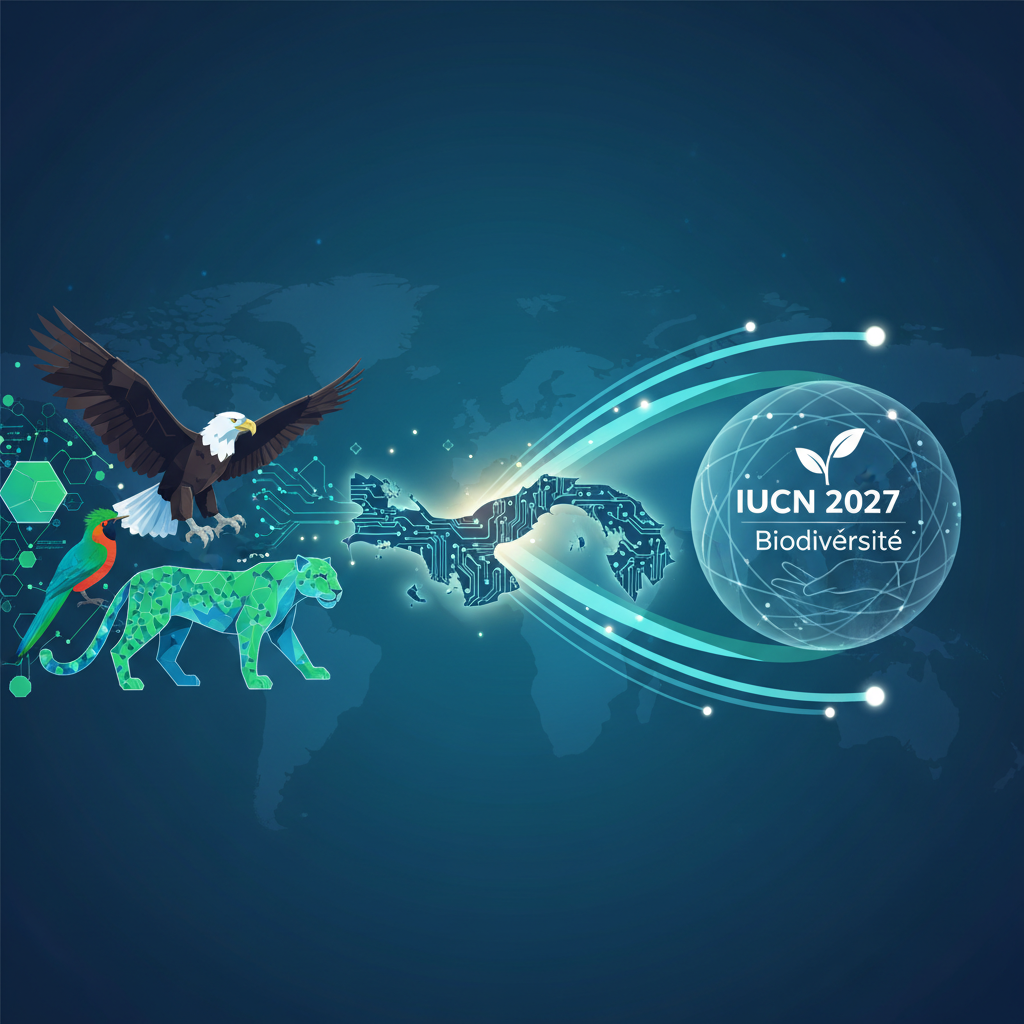
Thirteen years after the Sydney edition, the conservation world finds itself at a critical crossroads. For the first time, the Mesoamerican region will host the IUCN World Protected and Conserved Areas Congress in 2027, in a country where tropical forests, mangroves, coral reefs, and two oceans converge. Panama was not chosen by chance: this gathering comes at a pivotal moment, as the extinction crisis accelerates and international commitments struggle to translate into concrete action on the ground.
This global forum, which brings together governments, scientists, indigenous peoples, NGOs, and the private sector, will serve as a checkpoint for the Global Biodiversity Framework adopted in Kunming-Montreal. The urgency is palpable: since 2014, biodiversity loss, climate impacts, and social inequalities have worsened.
A Decisive Meeting for the 2030 Agenda
The timing of the 2027 Congress is significant. It will take place in the final years of the Global Biodiversity Framework (GBF), also coinciding with the 2030 deadline for the Sustainable Development Goals. As IUCN's official announcement highlights, this unique temporal position allows the Congress to “set the agenda for the decades to come.”
The main objective? To assess progress towards protecting 30% of terrestrial and marine environments by 2030, while restoring 20% of degraded ecosystems. These figures, ambitious on paper, require an unprecedented acceleration of conservation efforts.
The Congress will also need to re-engage State Parties. Between declarations of intent and effective implementation, a significant gap remains in many countries. The Protected Planet platform, which monitors protected areas globally, will provide essential data to measure the gap between stated ambition and on-the-ground reality.
| Key GBF Objective | 2030 Target | Progress Measurement |
|---|---|---|
| Environmental Protection | 30% terrestrial and marine | Protected Planet Data |
| Ecosystem Restoration | 20% of degraded ecosystems | Monitoring restoration actions |
| State Engagement | Re-engagement | Implementation assessment |
Ecological Connectivity: Recreating Corridors of Life
Beyond percentages of protected surface area, the quality and connectivity of protected areas are emerging as major issues. Isolated parks, however vast, are no longer sufficient to ensure species survival in the face of climate change.
Protected area networks must now allow for species movement, adaptation to new climatic conditions, and the maintenance of genetic flows necessary for their resilience. This ecological corridor approach transforms the very concept of conservation: from a logic of isolated sanctuaries to that of a dynamic and functional network.
Panama, with its position as an isthmus connecting two continents and two oceans, perfectly embodies this need for connection. The country hosts exceptional biodiversity, a result of this unique geographical convergence, making it a natural laboratory for thinking about connectivity strategies at a regional scale.
Social Equity: Placing Communities at the Heart of Conservation
One of the major shifts expected from the Congress concerns social equity in the governance of protected areas. For too long, conservation policies have been conceived without, or even against, local and indigenous populations who traditionally inhabit and manage these territories.
However, data shows that indigenous territories often exhibit better conservation outcomes than conventional protected areas. Integrating these communities into governance and ensuring they benefit economically from ecosystem preservation is no longer an ethical option, but a pragmatic necessity.
The Congress must advance concrete mechanisms:
- Legal recognition of indigenous peoples' territorial rights
- Equitable sharing of benefits from the valuation of ecosystem services
- Effective participation in decision-making and management bodies for protected areas
This social dimension also aligns with the objectives of fighting inequalities, embedding conservation within a broader perspective of environmental justice.
The Sinews of War: Funding Nature Protection
Without adequate financial resources, commitments will remain dead letters. Sustainable and innovative financing for conservation is one of the most concrete challenges of the Panamanian Congress.
Traditional public funding mechanisms are no longer sufficient. The Congress will explore innovative solutions such as payments for ecosystem services (PES), dedicated biodiversity funds fueled by environmental taxes, or green bonds specifically targeting the protection of critical habitats.
"Protected areas conserve biodiversity, address social inequalities, and can contribute significantly to tackling global challenges."
This quote, from the IUCN 2024 annual report, recalls the multifunctional dimension of protected areas. Their funding should therefore not be considered a cost, but a strategic investment with ecological, social, and economic benefits.
The private sector will also be solicited. Extractive, agri-food, pharmaceutical companies: all actors whose activities directly or indirectly depend on ecosystem services will need to be mobilized in innovative partnerships.
Science and Monitoring: Improving Knowledge for Better Action
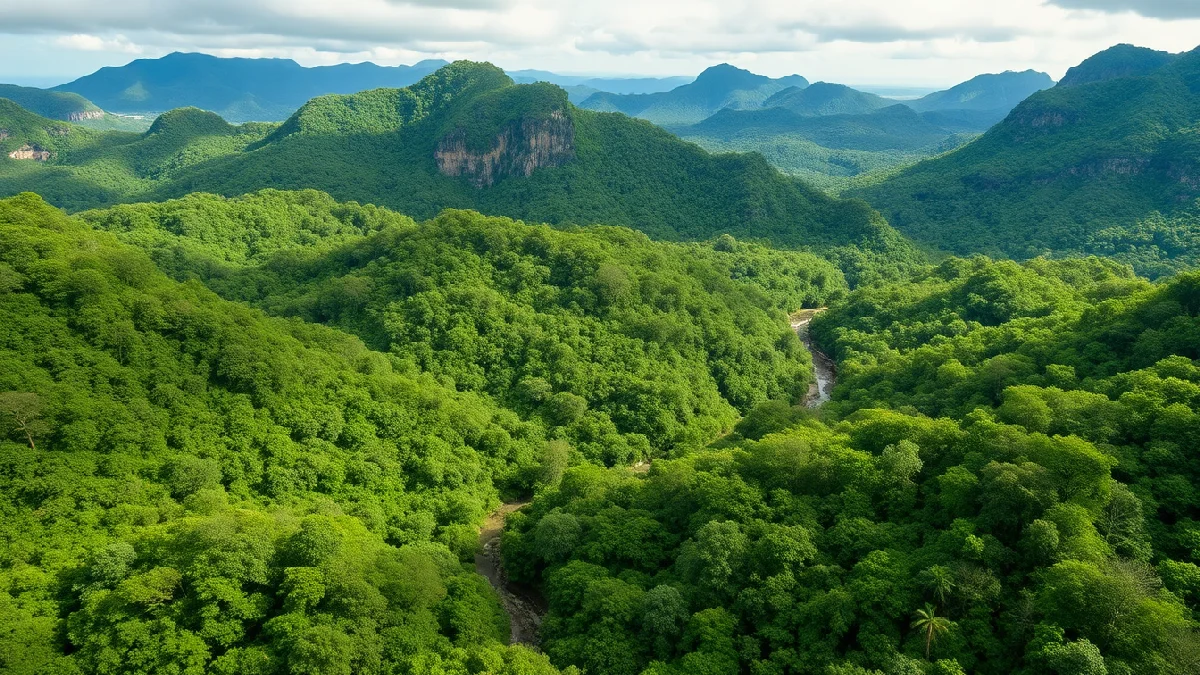
The fight against extinctions requires precise and up-to-date knowledge of the state of species and their habitats. The Congress will emphasize strengthening scientific and monitoring capacities, particularly through digital platforms and advanced technologies.
The IUCN Red List remains the reference tool for assessing the extinction risk of species. But its updating requires considerable human and technical resources. The Congress will need to mobilize the necessary resources to expand the taxonomic and geographical coverage of this global inventory.
Emerging technologies – satellite remote sensing, artificial intelligence, environmental DNA – offer unprecedented opportunities to track the evolution of animal and plant populations in near real-time. Their large-scale deployment, however, requires coordinated investments and the strengthening of local skills.
This improvement in scientific knowledge aligns with other strategic issues, such as the global race for critical raw materials, where biodiversity preservation sometimes conflicts with the need for mineral resources for the energy transition.
Towards Strengthened Political Mobilization
Beyond technical and scientific aspects, the 2027 Congress must generate political visibility capable of elevating conservation to the rank of global priorities. The extinction crisis does not receive the same media coverage as climate change, despite comparable urgency.
The Congress format, which brings together a diversity of actors rarely assembled elsewhere, offers a unique opportunity to create cross-cutting coalitions. Political decision-makers, opinion leaders, representatives of the private sector, and civil society must converge on a common message: biodiversity preservation is non-negotiable.
This mobilization also involves fighting major threats: deforestation, overexploitation of resources, pollution, invasive species. Each of these threats requires specific responses, but all converge on the need for a profound transformation of our economic models.
Panama, by hosting this major event, affirms its ambition to become a regional leader in conservation. For the Mesoamerican region, often facing intense pressure on its natural resources, this is an opportunity to demonstrate that another development model is possible.