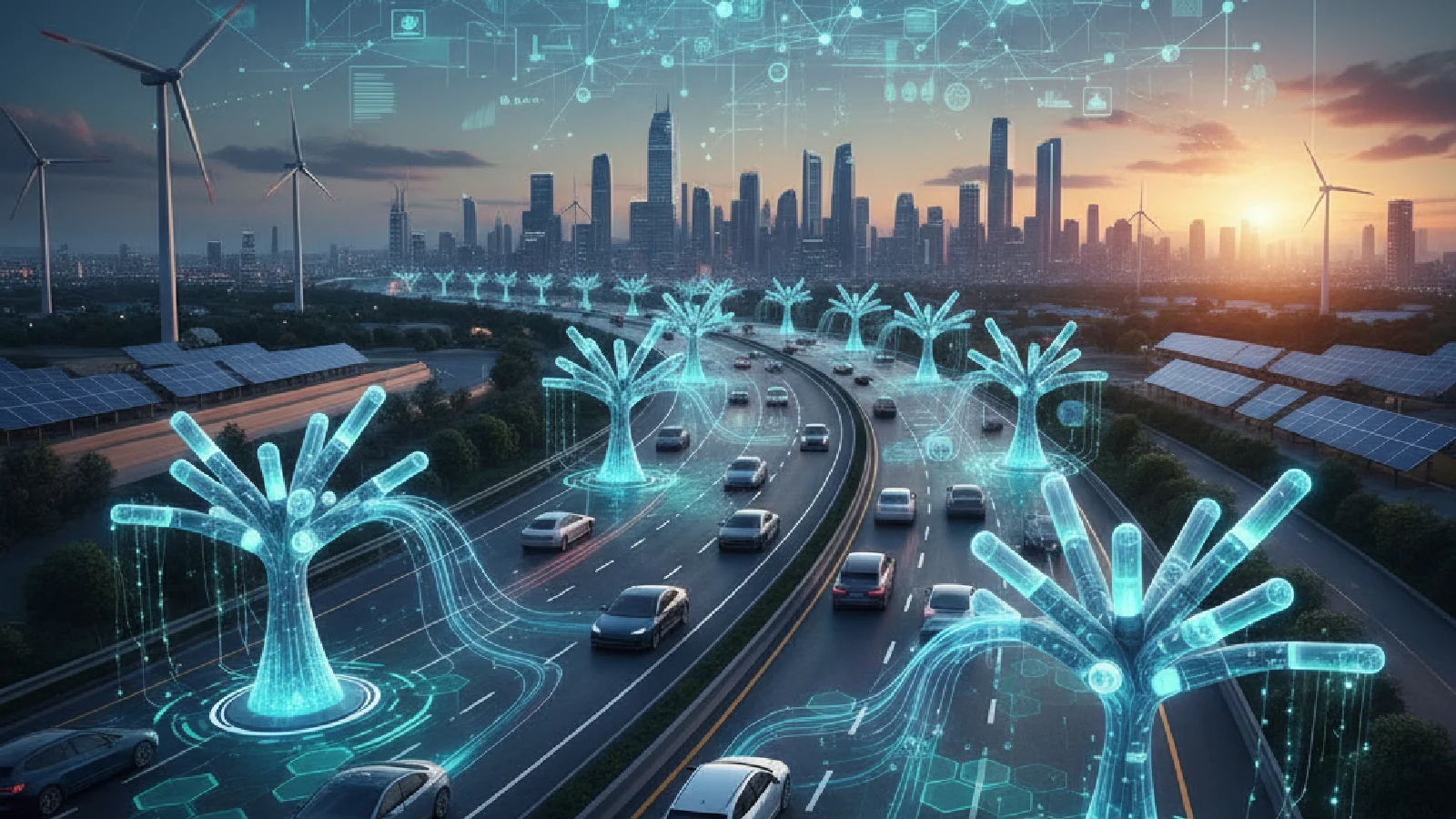
Sodium-Ion Batteries: The Forgotten Pillar of the Energy Transition?
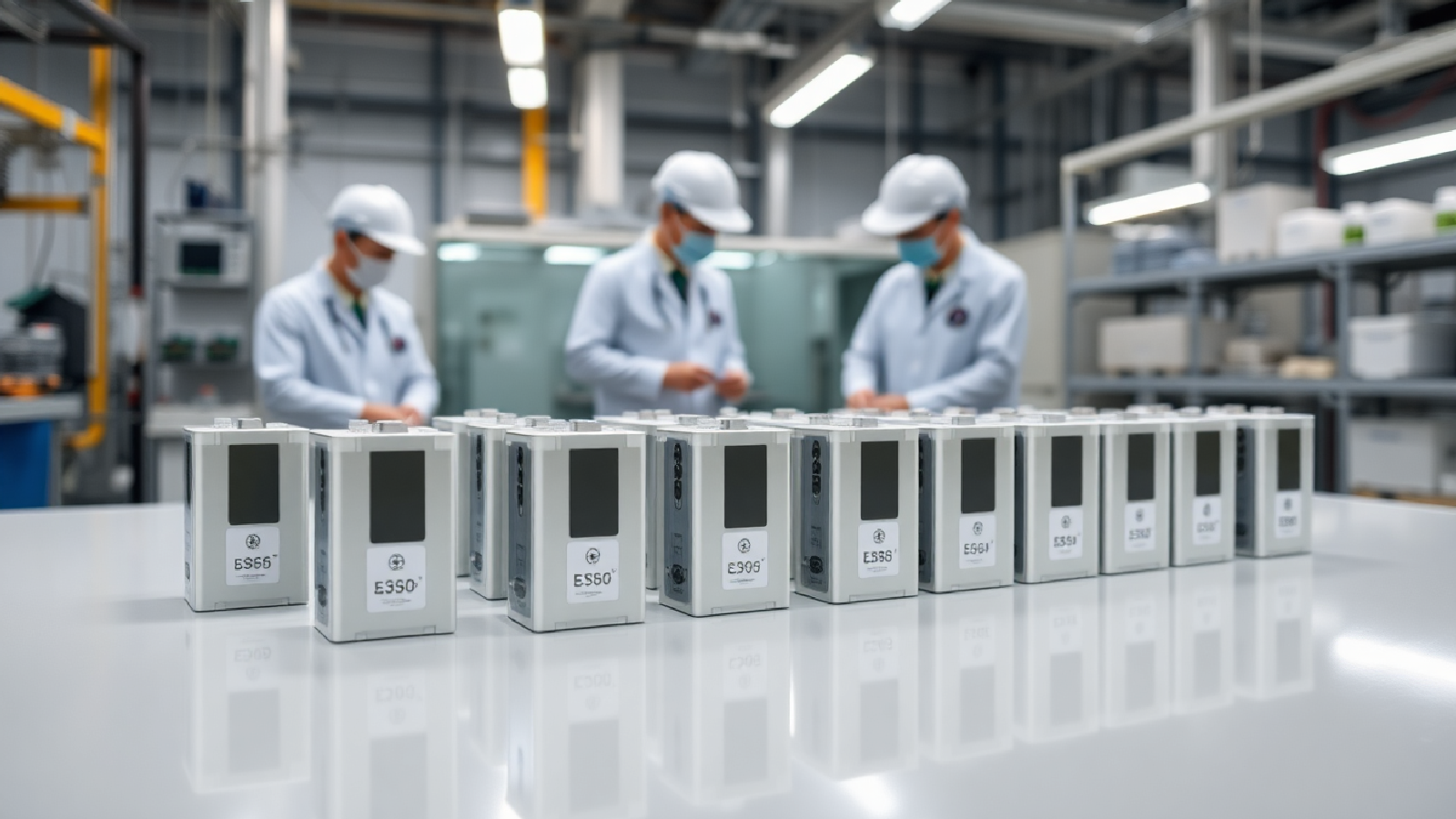
The global energy transition is accelerating, driven by a collective awareness of the climate emergency and the need to decarbonize our societies. At the heart of this revolution, energy storage plays a crucial role, particularly in integrating intermittent renewable energy sources like wind and solar. While lithium-ion batteries have dominated the discussion, a promising emerging technology is gaining ground: sodium-ion batteries (Na-ion). According to Mordor Intelligence, the global sodium-ion battery market is expected to grow at an impressive CAGR of 50.11% between 2024 and 2029, signaling their disruptive potential.
Why Sodium-Ion Batteries are Crucial
Na-ion batteries offer an attractive alternative to lithium-ion batteries, often criticized for the scarcity and cost of materials, as well as the ethical and environmental challenges associated with their extraction. Sodium, abundant and inexpensive, represents a major advantage for large-scale deployment of energy storage.
Material Abundance and Low Cost
Sodium is the sixth most abundant element in the Earth's crust and is found in virtually unlimited quantities in seawater and rock salt. This resource availability contrasts sharply with lithium, whose reserves are geographically concentrated. This abundance translates into potentially lower production costs, making storage solutions more accessible. For example, the price of lithium carbonate has experienced extreme fluctuations, while the cost of materials for Na-ion batteries remains more stable, a key factor for the economic competitiveness of storage systems.
Enhanced Safety and Performance
Sodium-ion batteries exhibit improved safety characteristics. They are less prone to thermal runaway than their lithium counterparts, reducing the risk of fire. Furthermore, they can be discharged to 0 volts, simplifying transport and recycling. The ability to operate at low temperatures is another asset, with some prototypes showing stable performance down to -20°C, an advantage for applications in cold climates. This resistance to extreme conditions is essential for various uses.
Current Status and Technological Advancements
The development of sodium-ion batteries has seen significant breakthroughs in recent years, propelling this technology from the laboratory to commercialization.
Challenges Overcome by R&D
Historically, sodium-ion batteries suffered from lower energy density than lithium and a limited lifespan. However, intense research and development efforts have led to progress. Advances in electrode materials, such as sodium polysulfide-based materials and phosphorus-based compounds, have significantly improved their performance. Chinese companies like CATL and比亚迪 (BYD) are investing heavily, demonstrating the growing industrial interest in this disruptive technology.
Concrete Applications and Target Markets
Sodium-ion batteries are particularly well-suited for stationary energy storage applications for the electricity grid, where volume and weight are less critical than for electric vehicles. They can stabilize the grid by storing excess solar or wind energy and releasing it during peak demand. According to Market Research Future, the energy storage segment will represent a significant portion of the market. They also find their place in low-cost electric vehicles, electric two-wheelers, and backup systems for telecommunications. The integration of these batteries into residential energy storage systems is also very promising.
"Sodium-ion batteries represent a unique opportunity to democratize energy storage and reduce dependence on rare earths and strategic materials. Their technological maturity is accelerating at an unprecedented pace." - Dr. Emma Dupont, Electrochemistry Specialist, CNRS.
Comparison with Lithium-Ion Batteries
Understanding the advantages and disadvantages of each technology is essential to evaluating their respective places in the future of energy.
Competitive Advantages of Na-ion
Beyond material abundance and low cost, sodium-ion batteries can offer comparable, or even superior, cycle life performance in certain configurations. Their robustness makes them a relevant choice for applications that are less demanding in terms of energy density but require high reliability. The manufacturing process for Na-ion cells is also similar to that of lithium-ion, allowing for relatively easy conversion of existing production lines, reducing initial investments. It is estimated that the cost of Na-ion cells could be 20 to 30% lower than that of Li-ion in the coming years, a decisive factor for mass adoption.
Limitations and Areas for Improvement
The main limitation of sodium-ion batteries remains their volumetric and gravimetric energy density, which is generally about 15 to 20% lower than that of the most efficient lithium-ion batteries. This means they are less suitable for applications where space and weight are paramount, such as smartphones or high-end electric vehicles. However, R&D efforts are focused on improving these indicators, and constant progress is being observed. The development of new electrolytes and innovative electrode materials aims to reduce this performance gap. For more details, a comparative analysis of sodium vs. lithium offers interesting perspectives.
Impact on the Electricity Grid and Energy Independence
The widespread deployment of sodium-ion batteries could profoundly transform electricity grid management and strengthen nations' energy independence.
Grid Stabilization and Renewable Integration
The intermittency of renewable energies is a major challenge for grid stability. Sodium-ion batteries, thanks to their ability to store large quantities of energy at a reasonable cost, can play a crucial role in smoothing production and grid responsiveness. They facilitate the integration of wind and solar farms, reducing the need for backup thermal power plants and directly contributing to energy decarbonization. It is anticipated that by 2030, the storage capacity associated with Na-ion could reach several gigawatt-hours globally, transforming energy management.
Strengthening Energy Sovereignty
By relying on abundant and locally available materials, sodium-ion batteries minimize dependence on complex and often strained supply chains. This reduction in dependence on critical material imports contributes to the energy sovereignty of countries. Europe, for example, is seeking to develop its own production capacities to reduce its vulnerability to Asian markets, an objective supported by the development of technologies like Na-ion. Local manufacturing of Na-ion batteries could create thousands of jobs and stimulate industrial innovation.
Future Prospects and Growth Potential
The future of sodium-ion batteries looks promising, with analysts predicting exponential growth in this market.
Market Forecasts and Industrial Adoption
Market projections for sodium-ion batteries are very optimistic. According to Global Market Insights, the sodium-ion battery market for energy storage will exceed USD 18 billion by 2032, with a compound annual growth rate (CAGR) of over 27% during the 2023-2032 period. This growth is fueled by increasing demand for electric vehicles and energy storage systems. Major industry players, such as CATL and Faradion, are intensifying their production and commercialization efforts, validating the interest in this technology. See also this analysis for more details on their role.
The Role of Public Policies and Innovation
The success of sodium-ion batteries will also depend on public policy support and continued innovation efforts. Investments in fundamental and applied research, tax incentives for the deployment of these technologies, and the establishment of favorable regulatory frameworks are essential. Initiatives such as calls for projects for sustainable development and clean technologies can accelerate adoption. The creation of innovation ecosystems, bringing together universities, start-ups, and large industrial groups, will be crucial to overcoming remaining challenges and establishing sodium-ion batteries as a key solution for the energy transition. Europe, with its "Green Deal," could play a leading role in this area, by supporting projects like EDF's on sodium-ion batteries.
Conclusion: A Discreet but Impactful Revolution
Sodium-ion batteries are much more than just an alternative to lithium; they represent a discreet revolution but one with potentially very significant impact for the energy transition. Thanks to the abundance and low cost of materials, the constant improvement of their performance, and their enhanced safety, they are poised to play a central role, particularly in stationary storage and low-cost electric vehicles. By decarbonizing our electricity grids and strengthening our energy sovereignty, sodium-ion batteries are positioning themselves as an essential pillar for a sustainable future. It is imperative that policymakers, industrialists, and researchers continue to invest in this promising technology to unlock its full potential and accelerate our path towards a low-carbon world.