Immunotherapy 2026: Efficacy Compared to Cancer Treatments
When the Memorial Sloan Kettering Cancer Center published results in 2026 showing complete remission in all patients with MSI+ rectal cancers, the scientific community understood that a decisive milestone had been reached. These patients, who would once have undergone extensive surgery followed by conventional treatments, can now avoid the scalpel. Immunotherapy no longer just prolongs life: it redefines the standards of cure.
But beyond the media successes, what is the actual comparative efficacy of these new therapies against chemotherapy and radiotherapy? Data from 2026 finally allows for an informed assessment.
Response Rates That Make a Difference
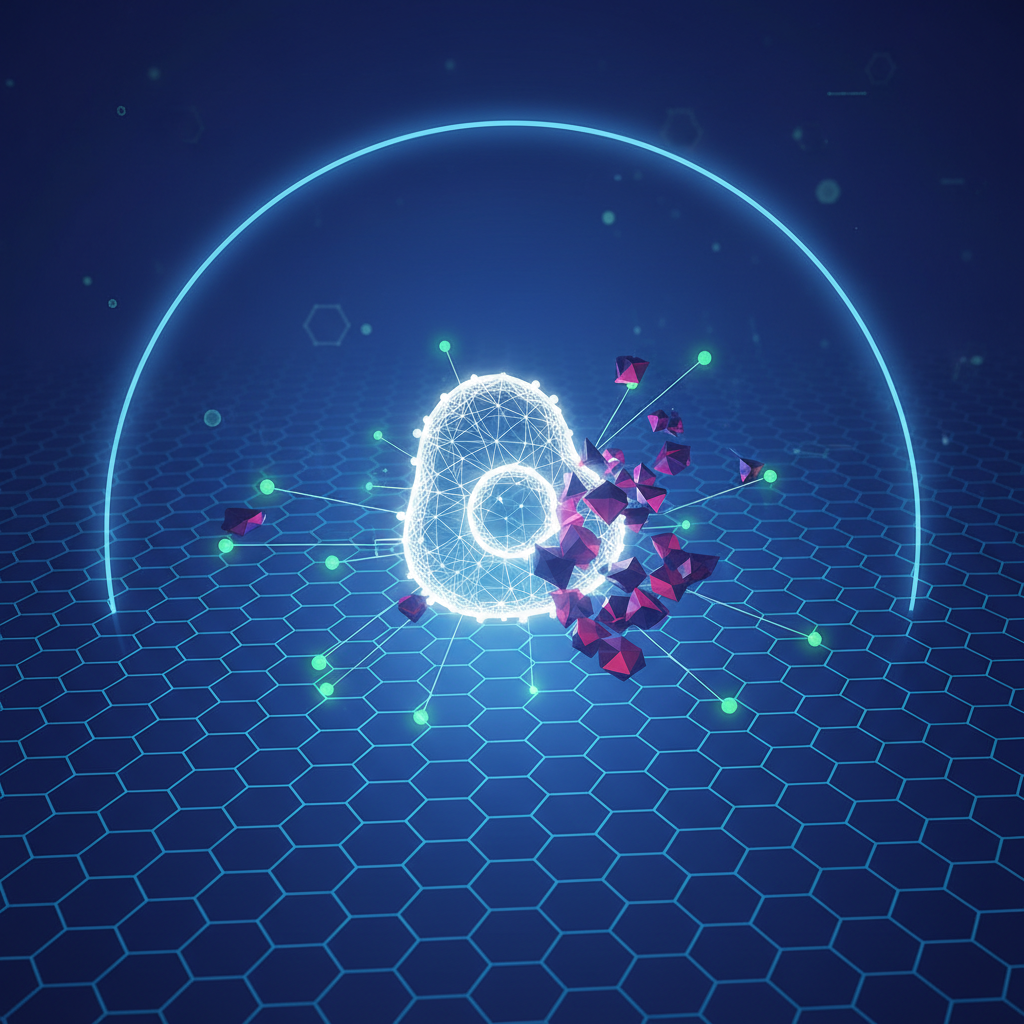
The numbers speak for themselves: where conventional chemotherapy achieves response rates of around 15 to 20%, immunotherapy demonstrates significantly superior efficacy in several cancer types. Immune checkpoint inhibitors – anti-PD-1 and anti-CTLA-4 – now allow approximately 30% of stage IV patients to benefit from a significant reduction in tumor size or prolonged stabilization.
This improvement is not limited to a mere percentage. Unlike conventional treatments, responses to immunotherapy are long-lasting: many patients maintain remission beyond five years, a threshold that modern medicine considers a cure.
Cancers with a previously poor prognosis – malignant melanoma, metastatic non-small cell lung cancer, kidney and bladder cancers – are among the most spectacular beneficiaries of this approach. In these pathologies, the five-year overall survival difference between immunotherapy and conventional treatments reaches 10 to 15 percentage points.
“Unlike conventional anti-cancer treatments, anti-tumor immunotherapy no longer directly targets tumor cells but the patient himself, in order to restore effective anti-tumor immunity.” – Ligue contre le cancer
The Rise of Dostarlimab and Targeted Strategies
Dostarlimab embodies one of the most emblematic successes of immunotherapy in 2026. This monoclonal antibody targeting the PD-1 receptor has yielded remarkable results in patients with microsatellite instability (MSI+), a particular genetic profile affecting certain colorectal cancers.
The work of Prof. Luis Diaz Jr., 2026 Gustave Roussy Prize laureate, has been instrumental in this breakthrough. His research on MSI+ tumors led to the first oncological treatment addressing the biological characteristics of the disease rather than the affected organ – an approach now at the heart of precision medicine.
This therapeutic personalization radically changes the game. While chemotherapy acts systemically with heavy side effects, immunotherapy targets specific immune mechanisms, significantly reducing the severe toxicities that limited classic curative regimens.
2026 Innovations: CAR-T, mRNA, and ADCs
The year 2026 marks a turning point with the arrival of three major advancements that further strengthen the therapeutic arsenal:
Next-Generation CAR-T Cells
EchoBack CAR-T cells offer increased immune persistence. Initially reserved for hematological cancers, these cell therapies are now demonstrating efficacy in solid tumors, with prolonged responses even in refractory settings.
Personalized mRNA Vaccines
Developed against specific tumor neoantigens, these vaccines reduce recurrence by 44% after surgery. This technology, popularized during the COVID-19 pandemic, now finds direct application in oncology, as highlighted by current research on innovative treatments.
Antibody-Drug Conjugates (ADCs)
Datopotamab-deruxtecan illustrates this new therapeutic class that combines the specificity of monoclonal antibodies with the cytotoxic power of targeted chemotherapy. In advanced non-small cell lung cancer, the results are notable.
Quality of Life: The Unsung Advantage of Immunotherapy
Beyond survival statistics, immunotherapy significantly improves patients' quality of life. Unlike chemotherapy, which causes nausea, hair loss, intense fatigue, and immunosuppression, checkpoint inhibitors generally lead to less debilitating side effects.
While immunotherapy is not without risks: approximately 15 to 20% of patients develop autoimmune effects requiring monitoring, but these complications are often manageable with corticosteroids. Systemic toxicity remains significantly lower than that of conventional protocols.
This improvement in daily life allows patients to maintain professional and social activity during treatment, a criterion now as important as crude survival in evaluating therapeutic strategies.
Liquid Biopsy and Personalized Monitoring
One of the decisive advances of 2026 lies in the integration of liquid biopsy into the care pathway. This non-invasive technique allows for real-time detection of circulating tumor DNA and identification of emerging resistances even before they become clinically visible.
Thanks to this continuous monitoring, oncologists can adjust therapeutic combinations – immunotherapy alone, or combined with chemotherapy or radiotherapy – according to the molecular evolution of each cancer. This multidisciplinary and personalized approach maximizes the chances of success while minimizing exposure to ineffective treatments.
Prof. Diaz Jr.'s work on liquid biopsy has also contributed to making this tool a standard in precision medicine, allowing protocols to be adapted continuously rather than waiting for radiological progression.
Limitations to Overcome: Cost and Accessibility
Despite these spectacular advances, immunotherapy still faces major obstacles. The high cost of these treatments – several tens of thousands of euros per year per patient – limits their accessibility. Geographic disparities remain stark: in 2021, France had over 62,000 patients treated with checkpoint inhibitors, a 21% increase compared to 2020, but many countries do not have access to these innovations.
Furthermore, not all cancers respond equally to immunotherapy. Only patients with certain biomarkers – notably PD-L1 expression or microsatellite instability – are eligible. Only about 20 to 30% of cancers currently respond to checkpoint inhibitors, leaving a majority of patients dependent on conventional treatments.
The challenge for the coming years will therefore be twofold: to broaden the spectrum of responding patients and democratize access to these therapies. Research is now focusing on identifying new predictive biomarkers and developing more effective combinatorial protocols.
| Aspect | Immunotherapy (2026) | Conventional Treatments |
|---|---|---|
| Response Rate (Stage IV) | ~30% (reduction/stabilization) | 15-20% |
| Remission Duration | Often prolonged (>5 years possible) | Generally shorter |
| Major Side Effects | Primarily autoimmune (15-20%) | N/V, fatigue, alopecia, immunosuppression |
| Quality of Life | Improved, maintained activity | Often reduced |
A Lasting Transformation of the Oncological Landscape
2026 data confirms a major trend: immunotherapy is permanently transforming oncological prognoses when integrated into personalized and multidisciplinary therapeutic strategies. Five-year overall survival rates consistently surpass those of conventional approaches in validated indications.
This performance should not, however, obscure the need for continued research. Ongoing clinical trials are exploring new combinations, testing immunotherapy in the neoadjuvant setting (before surgery), and seeking to more accurately predict which patients will benefit most from these treatments.
Precision medicine, driven by advances in genomic sequencing and artificial intelligence in protein prediction, promises to further refine these strategies. In parallel, advances in cell biology, particularly around telomere protection, open new perspectives for understanding and countering tumor resistance mechanisms.
Towards a Rethought Oncological Medicine
Immunotherapy has not only added an additional therapeutic option: it has redefined how we approach cancer treatment. By mobilizing the patient's immune system rather than indiscriminately destroying healthy and diseased cells, it paves the way for less toxic and more effective oncology.
The successes observed in 2026 – complete remissions without surgery, prolonged survival beyond five years, improved quality of life – are just the beginning. As costs decrease, biomarkers become more precise, and protocols are refined, immunotherapy should gradually become a first-line standard for an increasing number of cancers.
For patients diagnosed today, this transformation represents tangible hope. For researchers and clinicians, it is a brilliant validation of years of fundamental research on the dialogue between tumor cells and the immune system. The road remains long, but the direction is clear: the future of oncology is now being written with the immune system as the primary ally.