Modified Algae: Triple Threat for Bioremediation
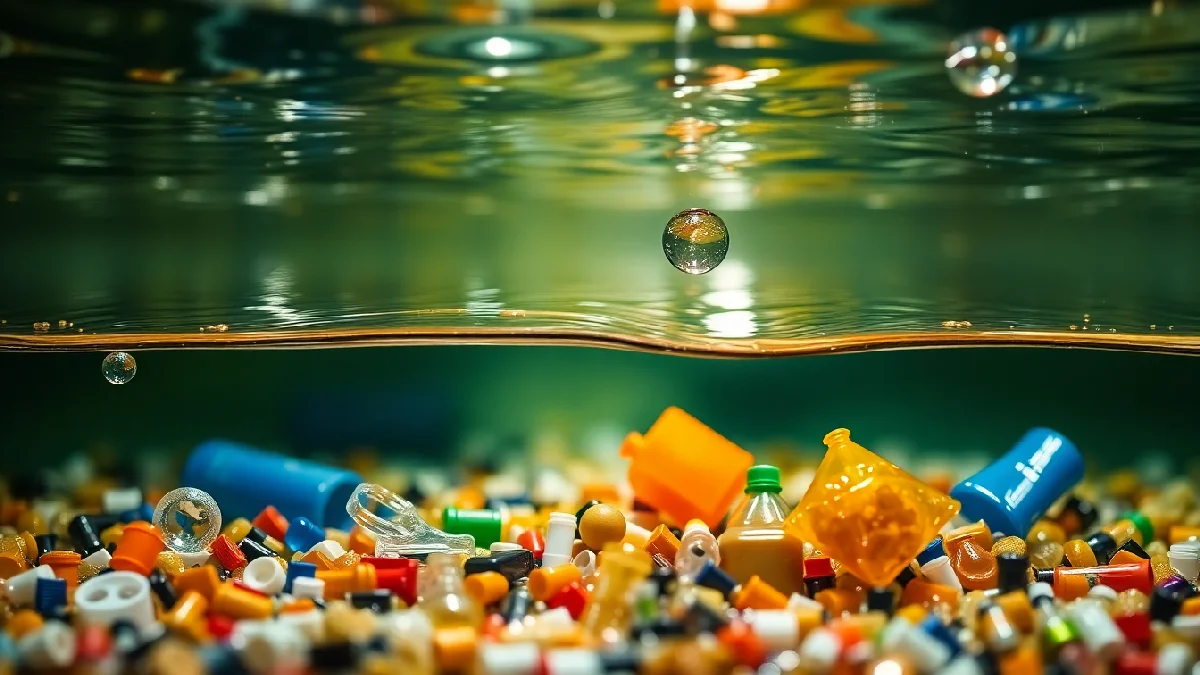
Microplastics colonize every corner of the oceans, from abyssal trenches to Arctic ice floes. Faced with this rampant contamination, a novel biotechnological approach is emerging from laboratories: genetically modified algae capable of expressing plastic-“eating” enzymes. While promising on paper, this strategy raises three ecological threats that researchers are only just beginning to map.
Photosynthetic Organisms Armed with Degradation Enzymes
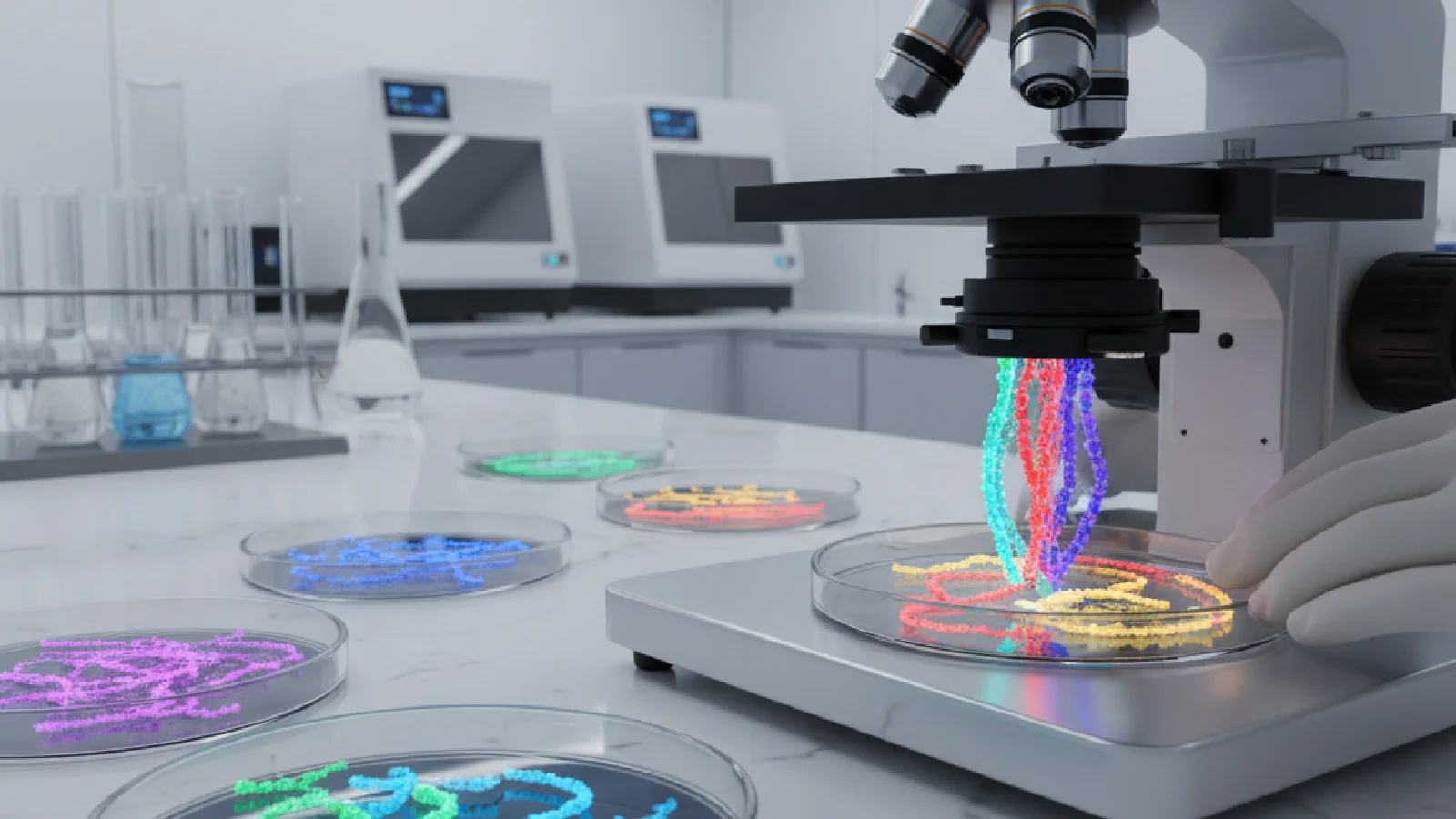
The concept is based on a simple logic: equip microalgae – photosynthetic organisms naturally abundant in marine waters – with genes encoding plastic-degrading enzymes. Among these biocatalysts, PETases (capable of fragmenting polyethylene terephthalate), laccases, and various hydrolases are at the top of the list.
The theoretical advantage is twofold. First, algae spontaneously colonize floating plastic particles by forming biofilms, those viscous films where bacteria and microorganisms proliferate. Second, they provide a living substrate for degrading microbial consortia, thus creating a self-sustaining “cleaning” ecosystem.
Tests in bioreactors show that certain modified strains do accelerate the fragmentation of microplastics. But the transition from the laboratory to the open ocean reveals an abyss of biological and regulatory complexity, as highlighted by French research on marine plastic pollution by Ifremer.
First Threat: Imbalance of Phytoplankton Communities
Introducing a genetically modified algal strain into the natural environment is like releasing an unknown competitor into a finely regulated ecosystem. Indigenous phytoplankton – diatoms, dinoflagellates, cyanobacteria – already share light, nutrients (nitrogen, phosphorus, silica), and space according to age-old balances.
A more robust or faster-growing modified alga could quickly dominate certain ecological niches, to the detriment of native species.
This increased competition presents several risks:
- Monopolization of light: a fast-growing strain can form blooms that deprive lower layers of photons, suffocating underlying species.
- Nutrient depletion: by massively consuming nitrogen and phosphorus, the modified alga can trigger local deficiencies and disrupt primary productivity.
- Trophic cascade: phytoplankton forms the base of the marine food web. Its imbalance affects zooplankton, then fish, cetaceans, and marine birds.
Models conducted in the Mediterranean and North Atlantic show that even minor changes in phytoplankton composition can alter atmospheric carbon sequestration, a critical ecosystem service in the fight against climate change.
| Threat | Impact Summary |
|---|---|
| Phytoplanktonic imbalance | Increased competition, blooms, nutrient depletion. |
| Horizontal gene transfer | Spread of degradation genes, antibiotic resistance. |
| Metabolite toxicity | Release of toxic substances, endocrine disruption. |
Second Threat: Horizontal Gene Transfer to Indigenous Microbes
Horizontal gene transfer (HGT) – a mechanism by which bacteria or other microorganisms exchange genetic material without reproduction – is common in marine biofilms. Modified algae, once dead or lysed, release their DNA into the environment. This material can be taken up by indigenous microbes via transformation, conjugation, or transduction.
What happens if plastic degradation genes spread to untargeted bacterial consortia? Several scenarios concern ecologists:
- Emergence of unpredictable communities: marine bacteria acquiring these enzymatic capabilities could form consortia whose ecological dynamics remain unknown.
- Selection pressure: the massive presence of plastic would favor “degrading” strains, potentially to the detriment of microorganisms essential for other biogeochemical cycles (nitrogen, sulfur, iron).
- Genetic domino effect: plasmids carrying degradation genes can also carry other sequences, notably antibiotic resistance genes, exacerbating an already critical public health problem.
Recent research on fungal and bacterial communities colonizing marine plastic waste reveals unsuspected microbial biodiversity. Injecting a new genetically modified actor into this complex network is like playing the sorcerer's apprentice.
Third Threat: Toxicity of Intermediate Metabolites
Enzymatic degradation of plastic does not make the material magically disappear. It fragments it into oligomers, monomers, and various intermediate metabolites. However, these molecules can exhibit higher toxicity than the original microplastics.
Plastics also contain a myriad of additives: plasticizers (phthalates, bisphenols), UV stabilizers, flame retardants, pigments. Enzymatic degradation can release these substances into the water at locally high concentrations, long before filter feeders or secondary degraders assimilate them.
Several toxicological studies highlight the risks:
- Endocrine disruption: metabolites from PET or polyethylene can mimic hormones (estrogens, androgens) and disrupt the reproduction of marine organisms.
- Oxidative stress: certain oligomers induce the production of free radicals, damaging cell membranes, DNA, and proteins.
- Bioaccumulation: if metabolites are not rapidly mineralized, they can accumulate in tissues and move up the food chain to top predators, including humans.
Canada's scientific assessment of plastic pollution emphasizes that the sublethal effects of microplastics and their derivatives remain largely understudied, particularly under real-world chronic exposure conditions.
Essential Confinement and Evaluation Protocols
Given these three threats, the deployment of modified algae in open environments requires an ultra-cautious approach. Several safeguards are currently under discussion within the international scientific community:
- Genetic confinement: integrate “kill switches” – suicide genes activatable by a chemical or thermal signal – to stop proliferation in case of ecological drift. Research in synthetic biology explores conditional sterility devices, preventing reproduction beyond a defined number of generations.
- Rigorous environmental impact assessments: before any release, conduct studies in mesocosms (experimental basins replicating marine conditions) over several years, measuring effects on biodiversity, biogeochemical cycles, and metabolite toxicity.
- Long-term monitoring: deploy biosurveillance networks (environmental DNA, bioindicators) to detect any ecological anomaly post-introduction. The experience with terrestrial GMOs shows that undesirable effects can take decades to manifest.
- International governance: establish harmonized regulatory protocols, involving conventions on biological diversity (CBD), regional maritime bodies, and health authorities. The sea knows no borders; an uncontrolled release in an exclusive economic zone can affect transnational ecosystems.
Towards Less Risky Complementary Alternatives
Modified algae are just one avenue among others in the arsenal of marine bioremediation. Other, less invasive strategies are progressing in parallel:
- Biostimulation of native communities: rather than introducing modified organisms, enrich the environment with specific nutrients to favor bacteria and fungi naturally capable of degrading certain plastics. Work on the microbiome of plastispheres (biofilms formed on plastic debris) identifies promising consortia.
- Encapsulated free enzymes: directly inject stabilized degradation enzymes into biodegradable microcapsules, thus avoiding the risks associated with modified living organisms.
- Hybrid technologies: combine physico-chemical pretreatment (UV, ozonation) and biodegradation to maximize efficiency while limiting the quantities of biological agents released.
As with other discoveries revolutionizing biological sciences, genetic engineering applied to algae requires thorough scientific maturation. Successes in medicine, such as new therapeutic pathways against rheumatoid arthritis, show that innovation and caution can coexist.
Finding a Balance Between Innovation and Precaution
Ocean plastic pollution is a global emergency. Each year, several million tons of plastic waste enter marine waters, fragmenting into microparticles ingested by all wildlife. Faced with this scourge, biotechnological solutions inspire hope and enthusiasm.
But the history of species introductions and genetic modifications teaches humility. From invasive water hyacinths to controversial agricultural GMOs, human interventions in complex ecosystems often produce unforeseen effects. The three identified threats – phytoplankton imbalance, horizontal gene transfer, metabolite toxicity – are not insurmountable obstacles, but they demand scientific rigor, transparency, and robust governance.
Genetically modified algae for microplastic bioremediation represent a legitimate research path, provided we proceed step by step, evaluating each stage with the utmost vigilance. The challenge is not just technical; it is also ethical and political. Are we ready to bear the ecological consequences of a technology whose long-term effects remain largely unknown? The answer must emerge from a dialogue between scientists, policymakers, and citizens, in service of a living and resilient ocean.
In the meantime, drastically reducing the production and dispersion of plastics at the source remains the absolute priority. Modified algae, if they are ever deployed on a large scale, will only ever be a partial repair tool for pollution that would have been better prevented.