
IUCN 2026: Are Conservation Measures Halting Extinction?

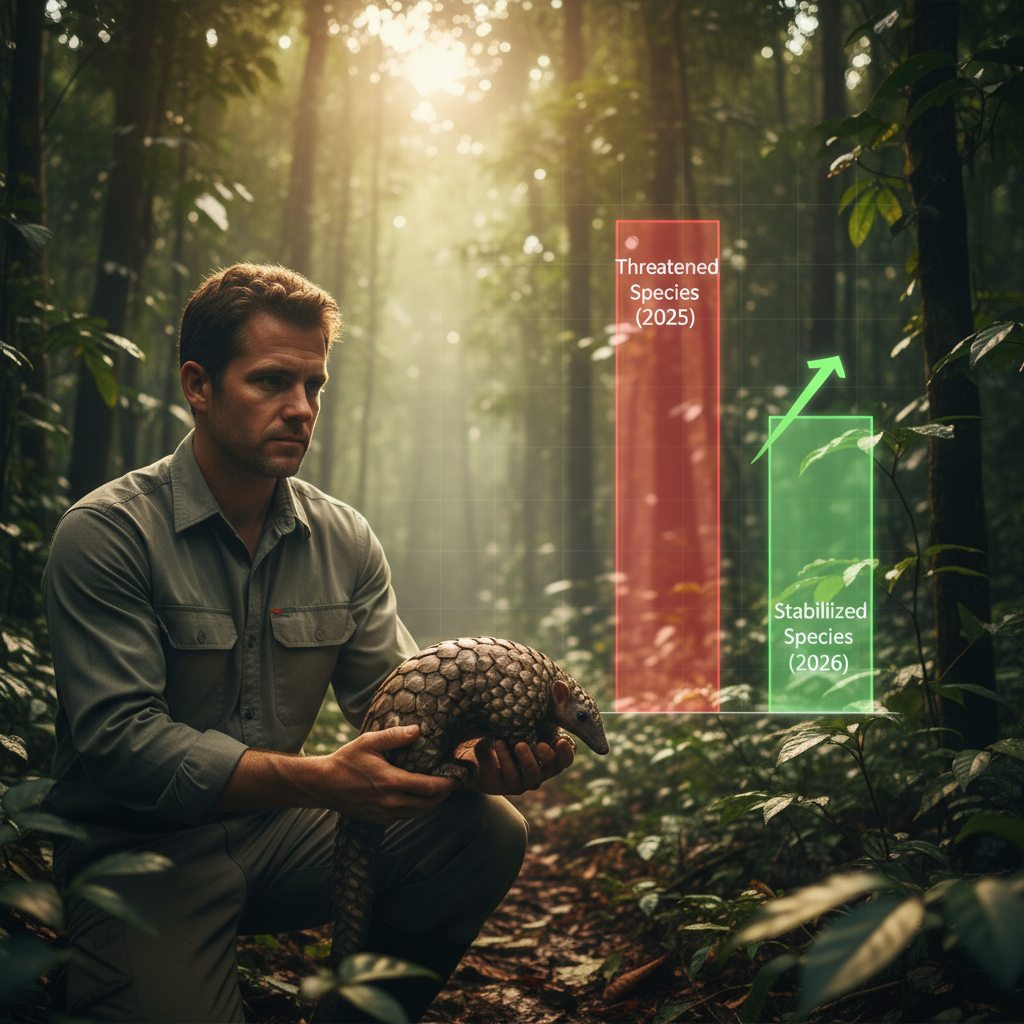
The IUCN Red List has just published its 2025 data, revealing a nuanced assessment of the state of global biodiversity. While the general trend remains alarming, with 28% of assessed species threatened with extinction, glimmers of hope are emerging thanks to targeted conservation actions. The international organization presents its 2026-2029 strategic plan, raising a crucial question: are protection measures finally succeeding in halting the sixth mass extinction?
A mixed picture across species groups
The figures from the IUCN Red List 2025 paint a worrying picture of biodiversity. Cycads show the highest threat rate with 71% of species endangered, followed by corals (44%) and amphibians (41%). Sharks and rays are not far behind, with 38% of species threatened.
However, some groups show encouraging signs. Green sea turtles, long symbols of decline, are experiencing a spectacular rebound thanks to intensive protection programs. This improvement illustrates the potential effectiveness of conservation measures when maintained over the long term.
Different species groups are affected unevenly:
| Species Group | Percentage of Threatened Species |
|---|---|
| Cycads | 71% |
| Reef Corals | 44% |
| Amphibians | 41% |
| Sharks and Rays | 38% |
"52 species have seen their populations increase or their decline averted thanks to conservation actions" - IUCN Strategic Plan 2026-2029
Tangible but limited conservation successes
The IUCN's 2026-2029 strategic plan highlights concrete results. Beyond the 52 species that have seen an improvement in their status, the figures reveal the extent of efforts deployed:
- 2,105 species benefit from in-situ conservation actions
- 2,851 species are subject to ex-situ programs
- 431 reintroductions have been successful
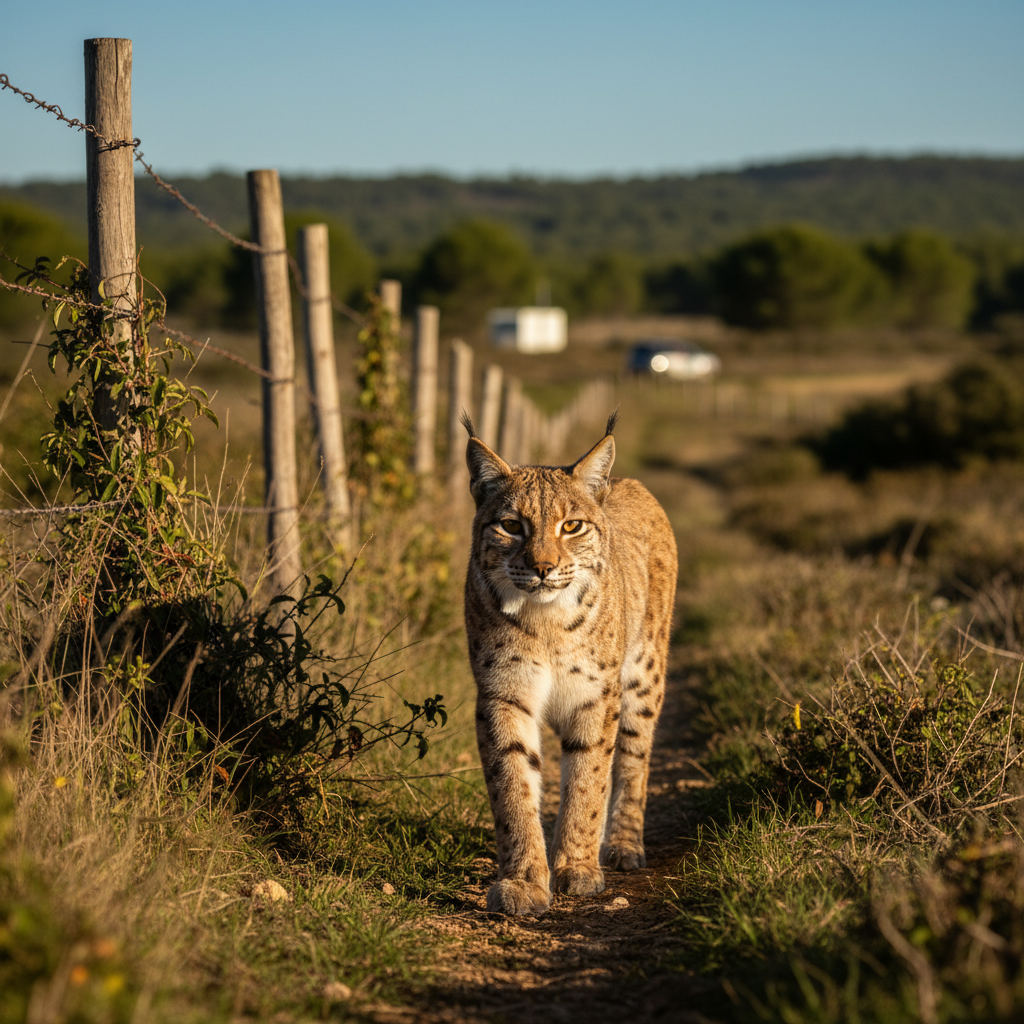
The Iberian lynx is the most emblematic example of this success. Moving from "Endangered" to "Vulnerable," this feline illustrates how coordinated mobilization can reverse an extinction trajectory. These successes demonstrate that conservation strategies, although still insufficient on a global scale, produce measurable results.
Analysis of migratory species reveals worrying trends
The interim assessment by the CMS (Convention on Migratory Species) provides additional insight into the effectiveness of protection measures. Of 392 migratory species re-evaluated, the results are mixed: 26 were reclassified into a higher threat category, compared to only 7 whose situation improved. An interim report on the state of migratory species is available for more details.
This analysis highlights the particular challenges faced by migratory species. Their protection requires complex international coordination, involving multiple jurisdictions and ecosystems. Migration corridors, often fragmented by human activity, remain critical points for conservation.
The decline of certain migratory bird populations illustrates these difficulties. Despite protection efforts at breeding sites, the degradation of transit areas can compromise the entire life cycle of these species.
The new challenges of climate change and invasive species
The report "Environment: 4 things to watch in 2026" highlights the emergence of complex threats that complicate conservation efforts. Climate change is redefining natural ranges, forcing species to adapt or migrate to areas often already disturbed.
Invasive species now represent the second most widespread threat to natural World Heritage sites, affecting 30% of protected areas. This problem is exacerbated by intensifying trade and warming temperatures, which favor the establishment of exotic species in new territories.
The emergence of pathogens constitutes a growing threat, particularly visible in the collapse of certain amphibian populations. These diseases, often linked to environmental disturbances, reveal the increased vulnerability of fragile ecosystems.
Towards a systemic approach to conservation
Faced with these multiple challenges, conservation strategies are evolving towards more integrated approaches. The IUCN's 2026-2029 strategic plan promotes strengthened collaborations between organizations, governments, and local communities.
This evolution is inspired by observed successes, such as that of the Iberian lynx, where coordination between Spain and Portugal was decisive. The most effective reintroduction programs now combine:
- Restoration of natural habitats
- Control of invasive species
- Involvement of local populations
- Long-term scientific monitoring
New technologies, particularly conservation genomics and satellite monitoring systems, offer unprecedented tools to optimize these interventions. However, their large-scale deployment remains limited by financial constraints.
The growing importance given to nature-based solutions testifies to this holistic approach, as can be observed in energy decarbonization strategies that now integrate biodiversity issues.
The economic equation of conservation: a persistent challenge
Despite documented successes, the funding gap remains the main obstacle to expanding conservation programs. The 431 successful reintroductions represent a tiny fraction of the species requiring urgent intervention. A review of the IUCN World Congress in 2025 also addresses these aspects.
The cost of an effective conservation program varies considerably depending on the species and geographical contexts. Large charismatic mammals generally receive more funding than invertebrates or plant species, creating imbalances in protection priorities.
This economic reality directly influences the effectiveness of measures. Well-funded programs, like that of the Iberian lynx, can sustain efforts over several decades. Conversely, many threatened species only benefit from sporadic interventions, insufficient to reverse decline trends.
Circular economy approaches are beginning to inspire new conservation funding models, particularly through the valuation of ecosystem services.
Outlook 2026: between urgency and pragmatism
The comparative analysis of IUCN data reveals that conservation measures produce measurable results but remain insufficient to counter the global extinction trend. The 52 species that have seen improvements contrast with the thousands of others that continue to decline.
The challenge for 2026 lies in amplifying effective strategies while developing new approaches for neglected groups.
The next IUCN assessments will determine whether this pragmatic approach, combining targeted interventions and systemic reforms, can effectively influence the extinction curve. Global biodiversity awaits an increase in conservation efforts, the only way to transform isolated successes into a sustainable trend.