Direct CO₂ Capture: Industrialization by 2026
Direct Air Capture (DAC) is poised to reach a decisive milestone. After years of laboratory development and pilot projects, this technology is moving towards its first industrial installations by 2026. However, scaling up presents a colossal challenge: transforming experimental units into plants capable of capturing millions of tons of CO₂ per year.

The climate challenge is urgent. To achieve carbon neutrality, carbon dioxide capture technologies will need to increase from a current capacity of a few thousand tons to several gigatons annually. This represents an unprecedented technological and industrial leap.
The Challenge of Industrial Scale-Up
Most DAC technologies currently reach TRL-7 maturity, but according to an analysis published in Chemical Engineering Science, the jump to TRL-11, necessary for full commercial deployment, seems difficult to achieve by 2030.
This transition involves solving three major challenges:
- Energy intensity: processing the massive air volumes needed to extract diluted CO₂ (approximately 420 ppm in the atmosphere)
- Capital intensity: financing facilities requiring investments of several hundred million euros
- Supply chain: securing access to sorbent materials and solvents in competition with other energy sectors
The recent success of Skyrenu in Canada illustrates these challenges. The Quebec-based company achieved the first underground sequestration of CO₂ captured directly from the atmosphere in North America, but with a unit of only 50 tons of CO₂ per year – far from the millions of tons required. 1
Technological Innovations to Reduce Costs
Current capture costs, estimated between $500 and $1,900 per ton of CO₂, are the main barrier to mass deployment. Several promising innovations are emerging to reduce them by a factor of five by mid-century.
Material Optimization
New generations of solid sorbent cartridges offer faster adsorption kinetics and reduced regeneration temperatures. These improvements directly decrease the energy consumption of capture cycles.
Advanced liquid solvents, meanwhile, significantly reduce water consumption, a crucial issue in arid regions where solar energy is abundant.
Smart Energy Integration
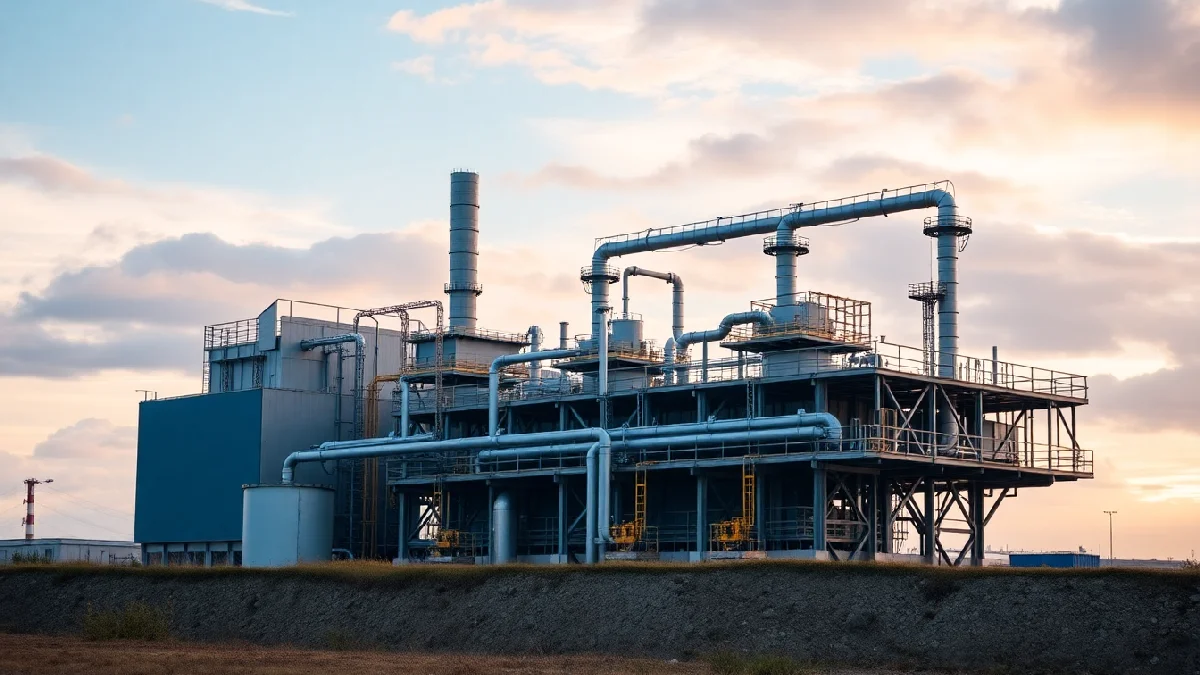
The major innovation lies in thermal integration schemes that recycle waste heat from the regeneration step. This approach can reduce the overall energy consumption of the process by 30%.
"Optimizing energy integration represents one of the most promising levers for achieving capture costs below $100 per ton of CO₂"
Modularity and Artificial Intelligence
Modular designs, such as the 50-ton CO₂ per year units developed by several players, allow for rapid replication and cost reduction through economies of scale. This approach is accompanied by control systems based on artificial intelligence that optimize air flows and energy consumption in real-time.
The Energy Equation at the Heart of the Challenges
The diluted nature of atmospheric CO₂ requires processing considerable volumes of air, making DAC facilities particularly sensitive to the cost and availability of energy. This constraint guides deployment strategies along three main axes:
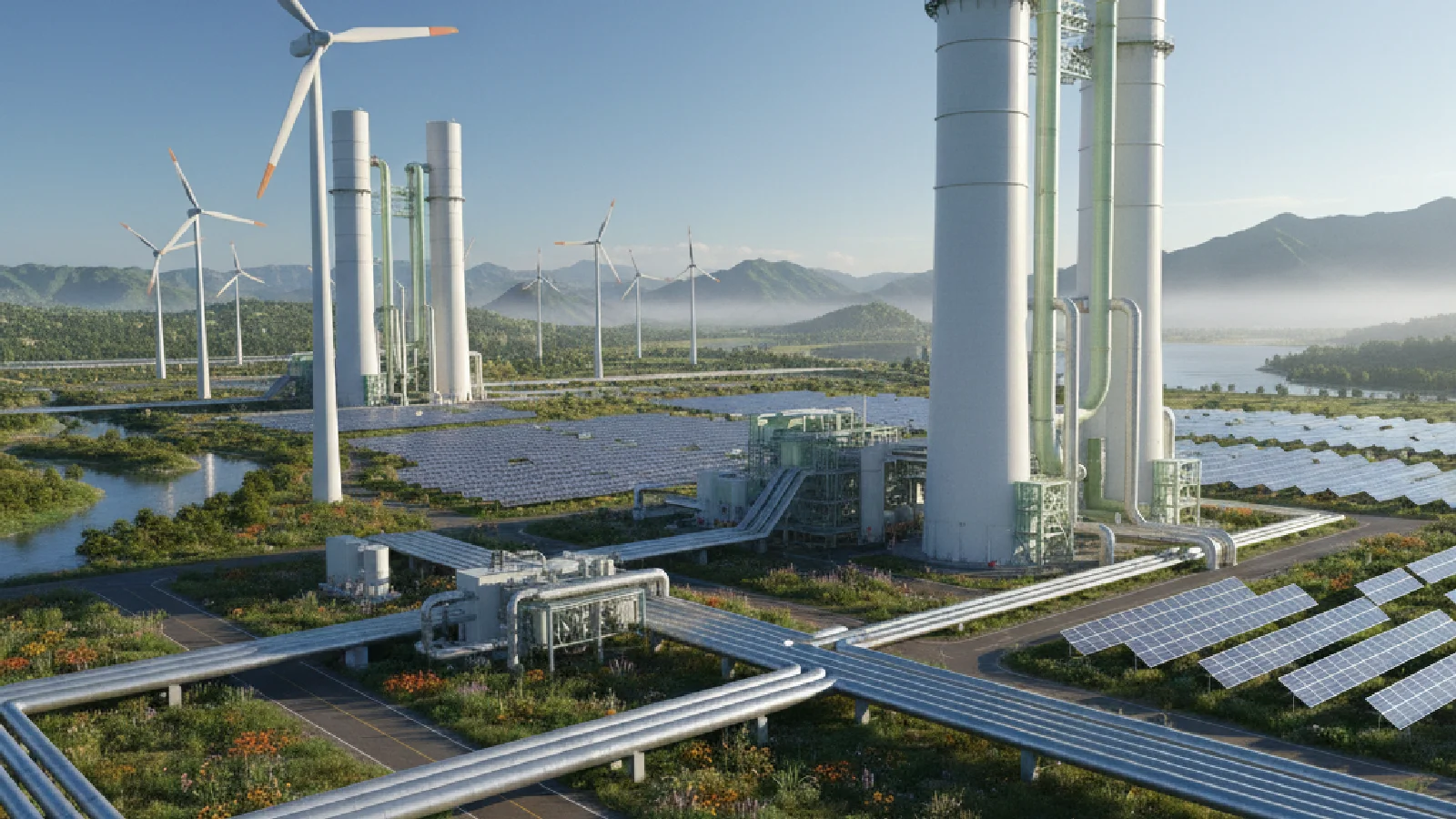
- Integration with renewable energies becomes a priority, especially with wind and solar power, whose costs continue to fall. DAC facilities can also utilize surplus electricity generated during peak renewable production.
- Waste heat recovery from industrial activities represents a major opportunity. Cement plants, steel mills, and other heavy industries generate significant amounts of residual heat that can be exploited for DAC processes.
- The emergence of modular nuclear reactors could also transform the energy equation by providing decarbonized and stable electricity at a controlled cost.
Infrastructure and Value Chain
The industrial development of DAC requires the simultaneous construction of an entire value chain. Beyond the capture units themselves, projects must integrate:
- Systems for compression and transport of captured CO₂, a mature but costly technology that can represent 20% of the total project cost. according to a CRE report
- Permanent geological storage infrastructure, requiring in-depth geological studies and heavy investments in drilling and surface equipment.
This complexity explains why the first industrial projects often prioritize integration with existing industrial sites that already have some of this infrastructure.
Funding and Emerging Economic Models
The International Energy Agency emphasizes the importance of innovation to reduce costs and make the technology economically viable. Funding models are evolving rapidly to support this transition.
- Public funding plays a catalytic role with several billion dollars allocated to research and demonstration programs. These investments reduce technological risks and accelerate industrial learning.
- Carbon markets are gradually structuring, offering predictable revenues to DAC projects. Prices for high-quality carbon credits already reach $400-600 per ton, making some projects profitable.
- The commitment of large companies to long-term purchase agreements also secures project development. Microsoft, Alphabet, and Stripe have already signed multi-year agreements representing several million tons of CO₂.
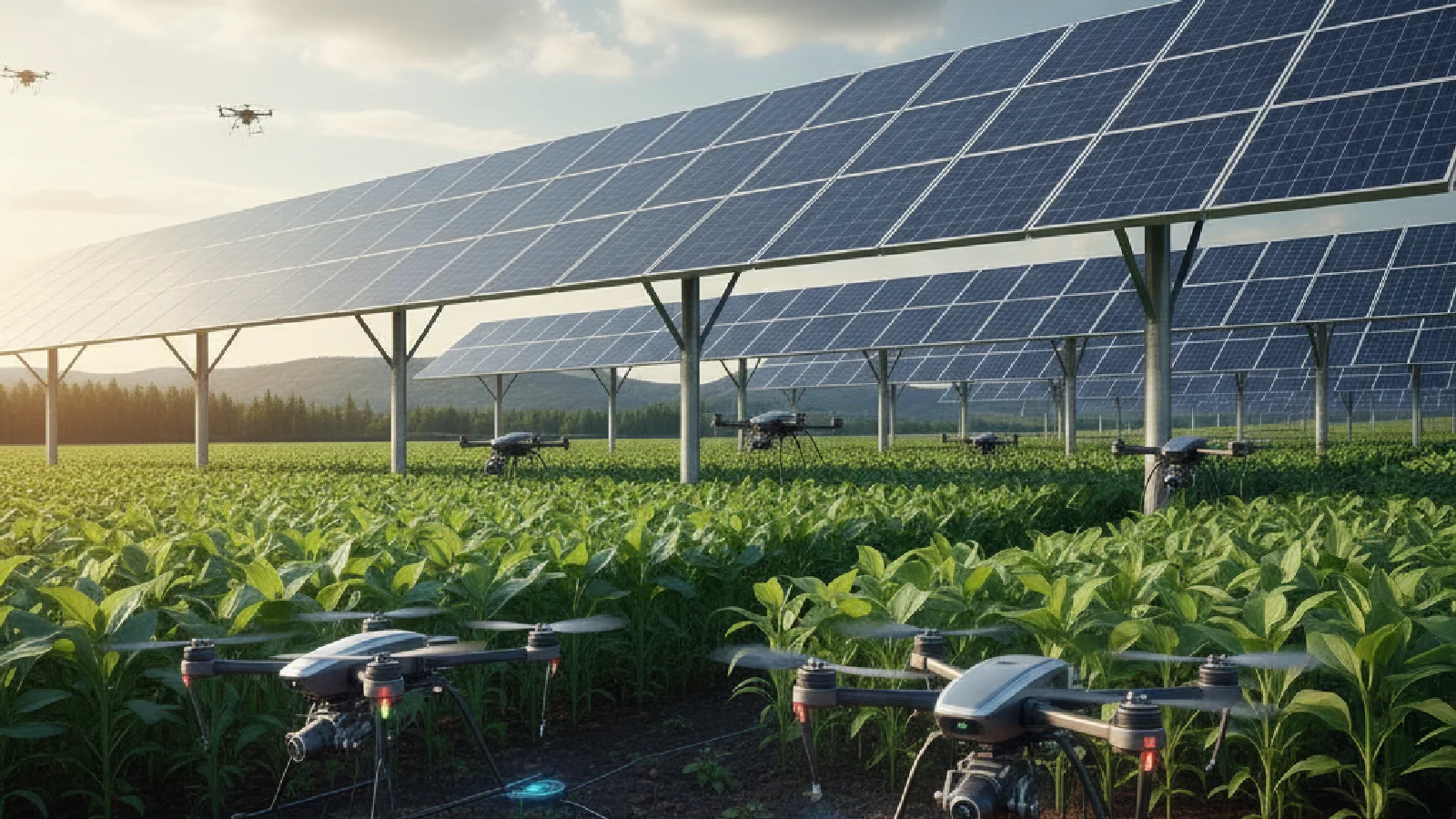
This diversification of revenue sources remains fragile, however, and dependent on a limited number of corporate buyers, highlighting the importance of developing stable public policies. It is with this in mind that the rise of smart agrivoltaics is taking place, which could provide the renewable energy necessary for rural DAC installations.
Prospects and Regulatory Challenges
The industrialization of DAC by 2026 also faces complex regulatory issues. The absence of harmonized legal frameworks for accounting for negative emissions complicates the development of cross-border projects.
Certification of storage permanence remains a major challenge. Buyers of carbon credits demand guarantees on the durability of geological storage, requiring sophisticated monitoring systems and long-term insurance.
Social acceptability issues are also emerging. Unlike oceanic microplastics, whose impact is widely recognized, DAC still needs to convince of its usefulness compared to direct emission reduction solutions.
Nevertheless, integration into national climate change strategies is progressing. Several countries now include DAC in their nationally determined contributions, creating a favorable policy framework for industrial deployment. 2
The impacts on biodiversity of DAC installations are also the subject of in-depth studies, as these projects must demonstrate their compatibility with ecosystem issues.
Towards Gigaton-Scale Deployment
The transition to the industrialization of direct CO₂ capture by 2026 marks a decisive turning point in the fight against climate change. Current technological innovations pave the way for a drastic reduction in costs, while economic models are stabilizing thanks to the diversification of funding sources.
The success of this industrialization will depend on the ability of stakeholders to simultaneously overcome technological, energy, and regulatory challenges. The learning effect and economies of scale could make it possible to achieve the goal of costs below $300 per ton by mid-decade, opening the way for massive deployment.
This transformation is part of a broader dynamic of industrial decarbonization, where DAC could play an essential complementary role to direct emission reduction efforts. The year 2026 could thus mark the beginning of the industrial era of atmospheric carbon capture.
| Key Indicator | Current Situation (2024) | Mid-Century Target |
|---|---|---|
| Capture Capacity | A few thousand tons | Several gigatons annually |
| Capture Costs (per ton of CO₂) | 500-1900 dollars | Reduced by five (<100-300 dollars) |
| Technological Maturity | TRL-7 | TRL-11 (full commercial deployment) |
--- [1] : Carbon Capture and the CO₂ Value Chain [2] : The Value of Climate Action