Smart Agrivoltaics: AI Revolutionizes Solar Agriculture
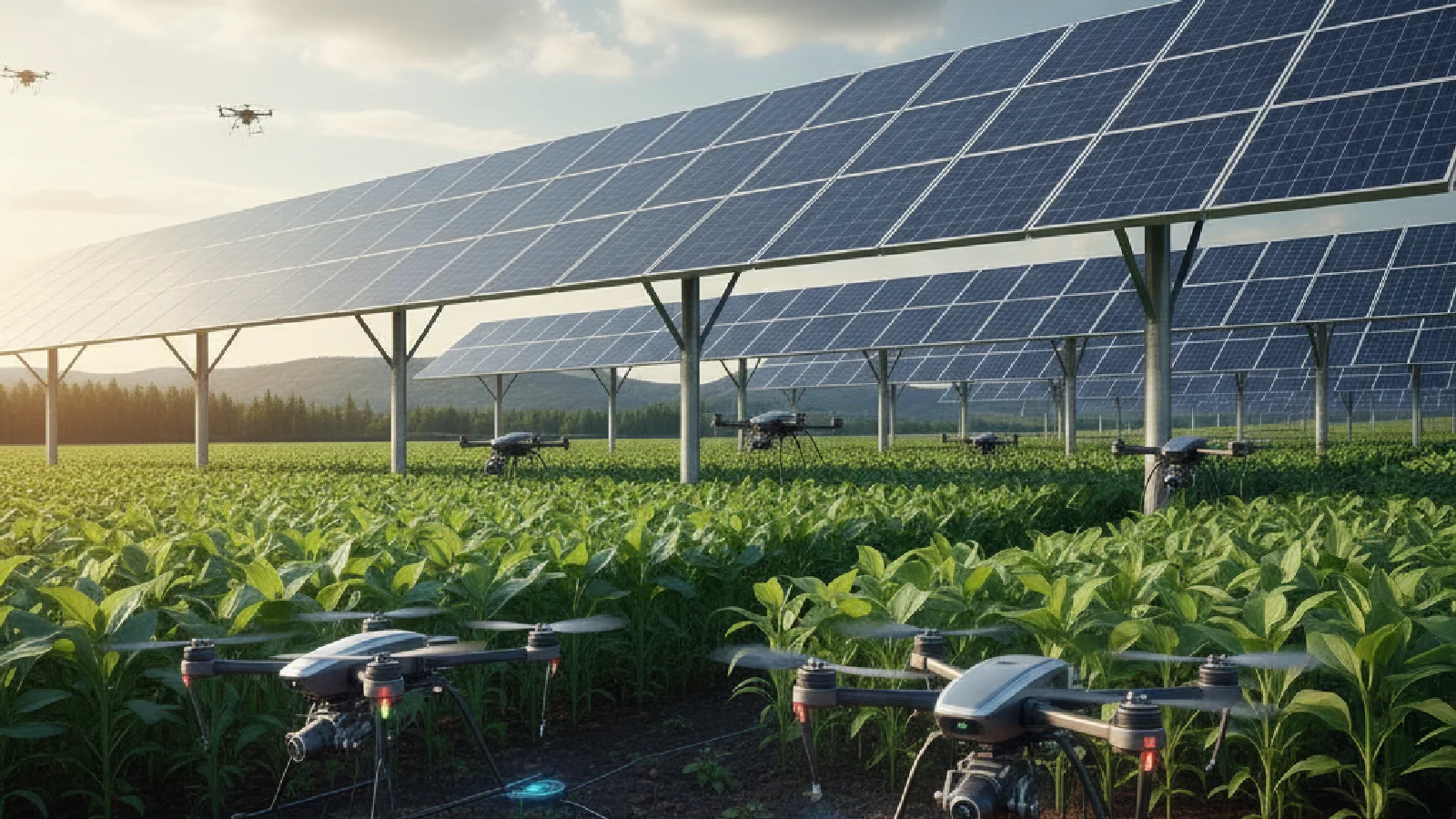
In the fields of the future, solar panels are no longer static above crops. They move, adapt, and react in real-time to plant needs thanks to artificial intelligence. This profound transformation of agrivoltaics paves the way for a perfect symbiosis between agricultural and energy production, where every degree of inclination matters.
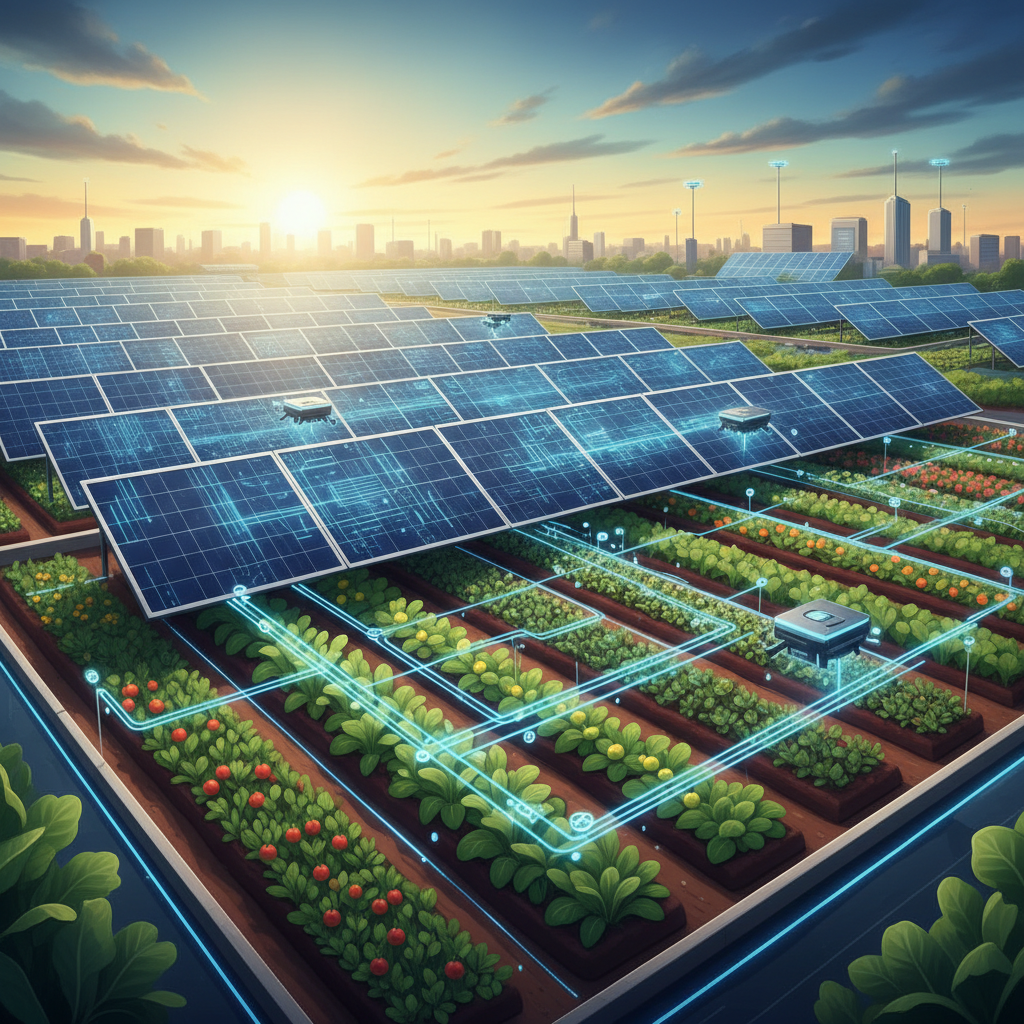
Dynamic agrivoltaics represents a major technological breakthrough in the renewable energy sector applied to agriculture. Unlike traditional fixed installations, these new-generation systems rely on sophisticated algorithms to orchestrate a permanent dance between shade and light, simultaneously optimizing crop growth and electricity production.
Sensors for Agronomic Precision
The performance of these installations relies on a dense network of smart sensors scattered throughout the plots. These measuring instruments continuously collect crucial data: soil and air temperature, humidity levels, light intensity, wind speed, and plant physiological parameters.
The dynamic agrivoltaics developed by Sun'Agri perfectly illustrates this technological approach. Each installation is equipped with a series of strategically positioned instruments, sometimes directly on the plants themselves, allowing continuous monitoring of crop conditions.
This real-time data collection feeds into agronomic models that assess the phenological stage of crops. AI can thus anticipate the specific needs of each plant variety according to its development cycle, climatic requirements, and current environmental constraints.
Artificial Intelligence: The Brain of the System
Artificial intelligence algorithms form the core of these installations. They simultaneously analyze sensor data, local weather forecasts, and plant growth models to make adjustments every minute.
This near-instantaneous reaction capability allows the panels to tilt ± 90°, functioning like giant blinds. During heatwaves, they lower to create protective shade and reduce evapotranspiration. When conditions are optimal for photosynthesis, they rise to maximize light exposure.
"The system can anticipate the plant's needs and adapt the position of the mobile solar panels to promote its development: partial shading during heat peaks, maximum light exposure at other times."
This automated orchestration is accompanied by a coordinated smart irrigation system, which adjusts the frequency and volume of watering according to measured humidity and precipitation forecasts.
Optimized Agronomic and Energy Performance
The results of this technological approach exceed initial expectations. The installations reduce water consumption by 30 to 40% while increasing agricultural yields. This water efficiency is explained by the reduction of evapotranspiration through modulated shading and precision irrigation.
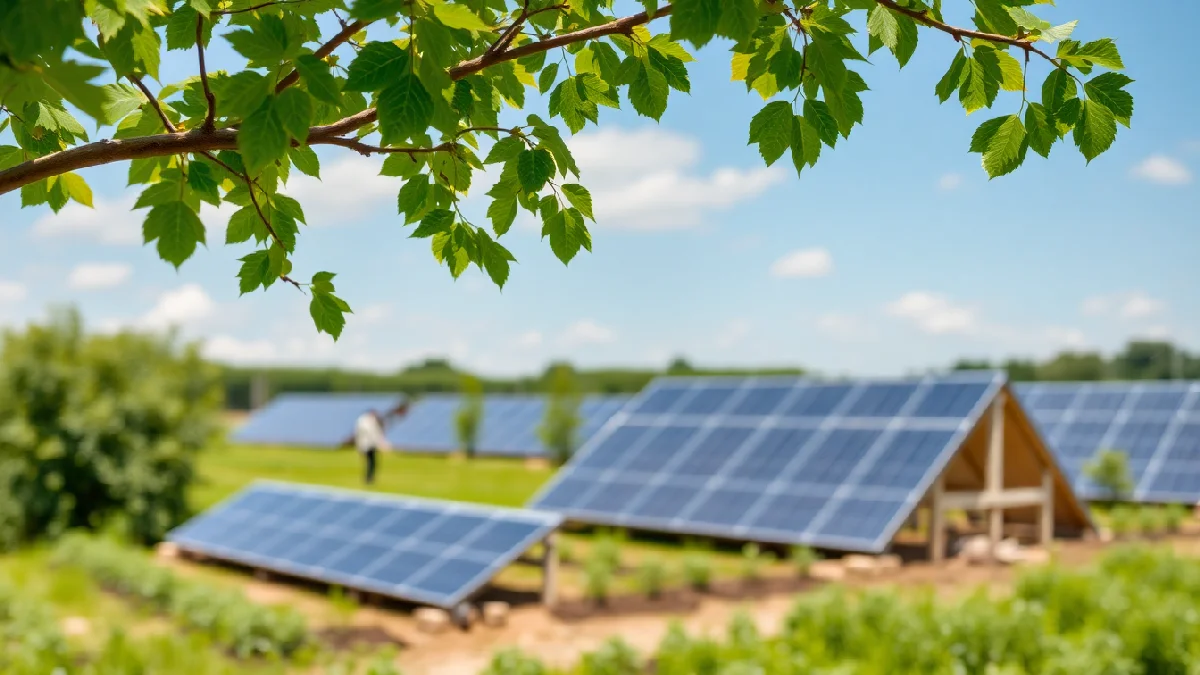
The Land Equivalent Ratio (LER) concept illustrates the efficiency of these hybrid systems. Some installations achieve an LER of 1.6, meaning they produce 60% more than a separate use of land for agriculture and solar energy. This exceptional performance results from the synergy created between the two activities.
Bifacial panels used in these installations capture light on both sides, optimizing electricity production even in a tilted position. This technology allows for maintaining high energy yields while preserving optimal conditions for crops.
Adaptation to Modern Agricultural Constraints
One of the major challenges of traditional agrivoltaics was the mobility of agricultural machinery. Dynamic systems solve this problem through programmable opening angles that free up the necessary space for mechanized interventions.
This structural flexibility is accompanied by fine adaptation to specific cultivation practices. Algorithms integrate the particularities of each crop type:
- Viticulture: protection against spring frost and summer thermal regulation
- Arboriculture: modulation of shading according to fruiting phases
- Market gardening: optimization of irrigation and protection against bad weather
The links with global environmental issues are naturally established. This technology is part of a resource preservation approach, complementary to efforts in biodiversity protection and initiatives for territorial energy transition.
| Type of Agrivoltaics | Panel Mobility | System Brain | Main Objective | Typical LER |
|---|---|---|---|---|
| Traditional | Fixed | None (passive) | Maximum electricity production | < 1.0 |
| Dynamic | Mobile (± 90°) | AI, sensors, agronomic models | Crop + energy optimization | Up to 1.6 |
Deployment and Evolution Prospects
The commercial deployment of these technologies is accelerating in France and Europe. Agrivoltaic projects now benefit from a clarified regulatory framework that favors installations demonstrating a real synergy between agricultural and energy production.
The prospects for technological improvement remain significant. The integration of more sophisticated biometric sensors, the use of more powerful machine learning algorithms, and the development of flexible organic solar panels open new horizons.
The evolution towards connected ecosystems integrating meteorology, agronomy, and energy outlines the future of this sector. These systems could eventually communicate between neighboring installations to optimize yields at the territorial level. To learn more about advances in this field, also consult our article on geothermal networks.
An Optimal Balance Between Production and Preservation
Smart agrivoltaics goes beyond the simple concept of energy-agricultural coexistence to create a true technological synergy. This approach ensures an optimal balance between electricity production and agronomic performance, without sacrificing one for the other.
This technological revolution fits perfectly with the challenges of the 21st century: energy transition, food security, and adaptation to climate change. It demonstrates that technological innovation and environmental respect can converge towards sustainable and efficient solutions.
Artificial intelligence applied to agrivoltaics illustrates how technology can serve more resilient agriculture and decentralized energy production. This synergy heralds a profound transformation of our rural territories, where each plot becomes an intelligent link in tomorrow's energy system.