Geothermal Networks: The Urban Heat Pump Revolution
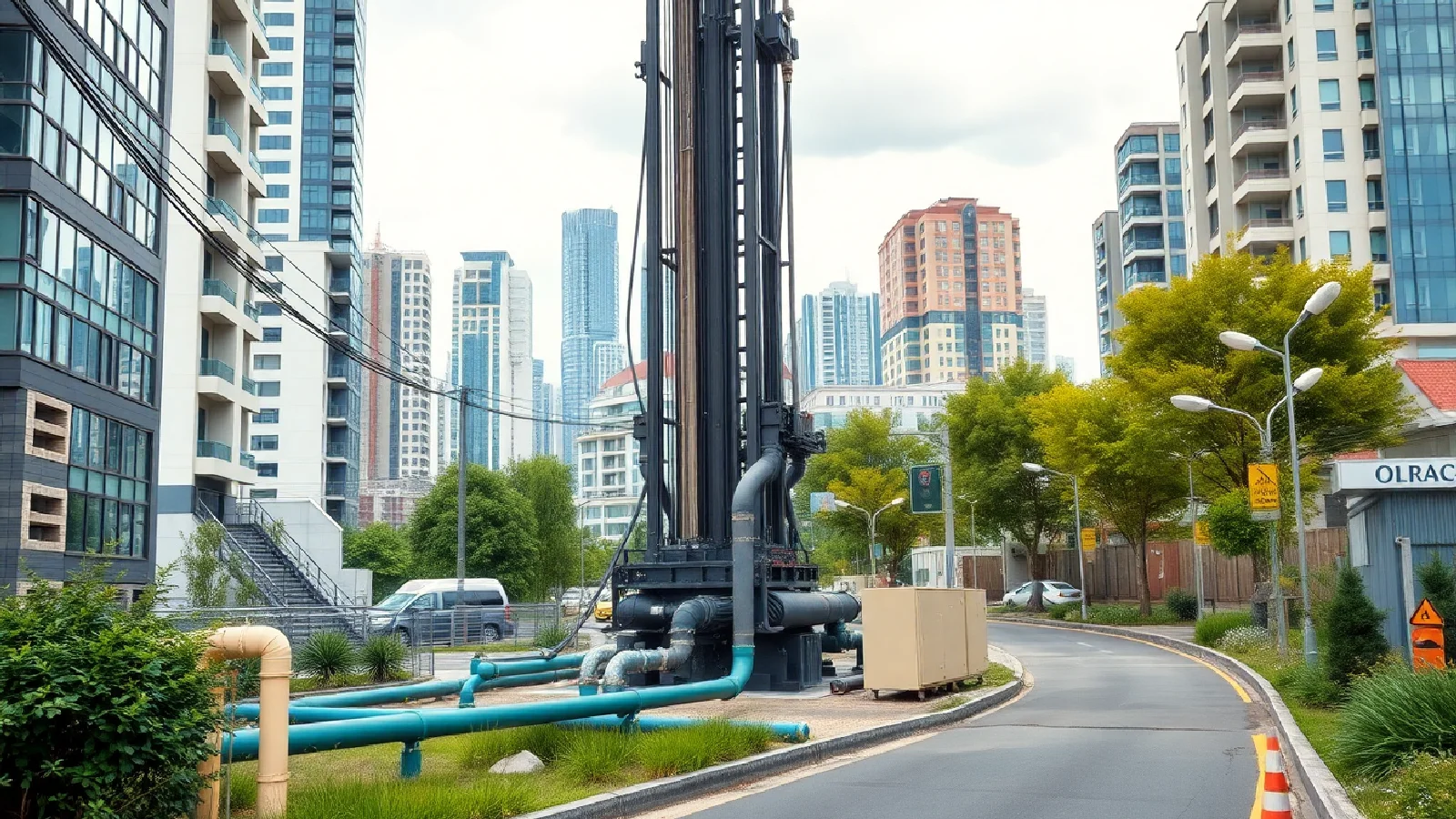
In the basements of our cities, a silent energy revolution is unfolding. As European climate targets demand massive decarbonization of the building sector by 2050, one technology is emerging as a preferred solution: geothermal district heating networks coupled with heat pumps. This promising alliance is radically transforming our approach to urban heating.
The stakes are considerable: according to the multiannual energy programming, France aims for 90 to 100 TWh of renewable heat by 2050. To achieve this, geothermal district networks represent a major lever, capable of multiplying energy efficiency fivefold compared to traditional systems.
The Fundamentals of Low-Temperature Urban Geothermal Energy
Urban geothermal energy harnesses natural heat sources located between 10°C and 35°C, which are much more accessible than high-temperature reservoirs. These resources include shallow groundwater, vertical geothermal probes, and even residual heat from urban infrastructure.
The revolutionary principle lies in low-temperature distribution: networks operate with fluids below 40°C, compared to 80 to 120°C for traditional networks. This approach offers several decisive advantages:
- Reduced thermal losses: five times less significant than with high-temperature networks
- Optimal Coefficient of Performance: heat pumps achieve annual COPs greater than 4, or even 6
- Easier integration of low-temperature emitters (underfloor heating, large-surface radiators)
| Characteristic | Low-Temperature Network (Geothermal) | Traditional Network |
|---|---|---|
| Fluid Temperature | < 40°C | 80 - 120°C |
| Thermal Losses | Low (divided by 5) | High |
| Heat Pump COP | > 4 (or even 6) | Lower |

Energy Performance and Coefficient of Performance
Geothermal heat pumps on district networks excel due to their exceptional performance. Unlike aerothermal systems subject to climatic variations, they draw from a stable source all year round.
The Coefficient of Performance (COP) is the key indicator: it measures the ratio between the thermal energy produced and the electrical energy consumed. On low-temperature geothermal networks, this ratio regularly exceeds 4, meaning that 1 kWh of electricity produces more than 4 kWh of heat. For more details on decarbonization with heat pumps, see Jasmin Faucher's thesis.
This remarkable efficiency is explained by several technical factors:
- Stable source temperature: geothermal energy offers a constant resource at 10-15°C
- Reduced temperature difference: less thermodynamic effort required
- System optimization: collective sizing is more efficient than individual
"5th generation networks represent a pillar of decarbonization strategies thanks to their ability to leverage local resources and scale up the delivery of renewable heat." - Construction21
Pooling and Waste Heat Recovery
One of the major assets of geothermal heating networks lies in their ability to integrate multiple energy sources. This systemic approach transforms urban thermal "waste" into valuable resources.
Exploitable waste heat sources include:
- Data centers and computer servers
- Industrial facilities
- Metro networks and transport infrastructure
- Urban wastewater
- Commercial cooling systems
This pooling optimizes infrastructural investments while maximizing overall energy efficiency. A data center can thus heat a residential area, while wastewater contributes to heating public facilities.

Urban Integration and Nuisance Reduction
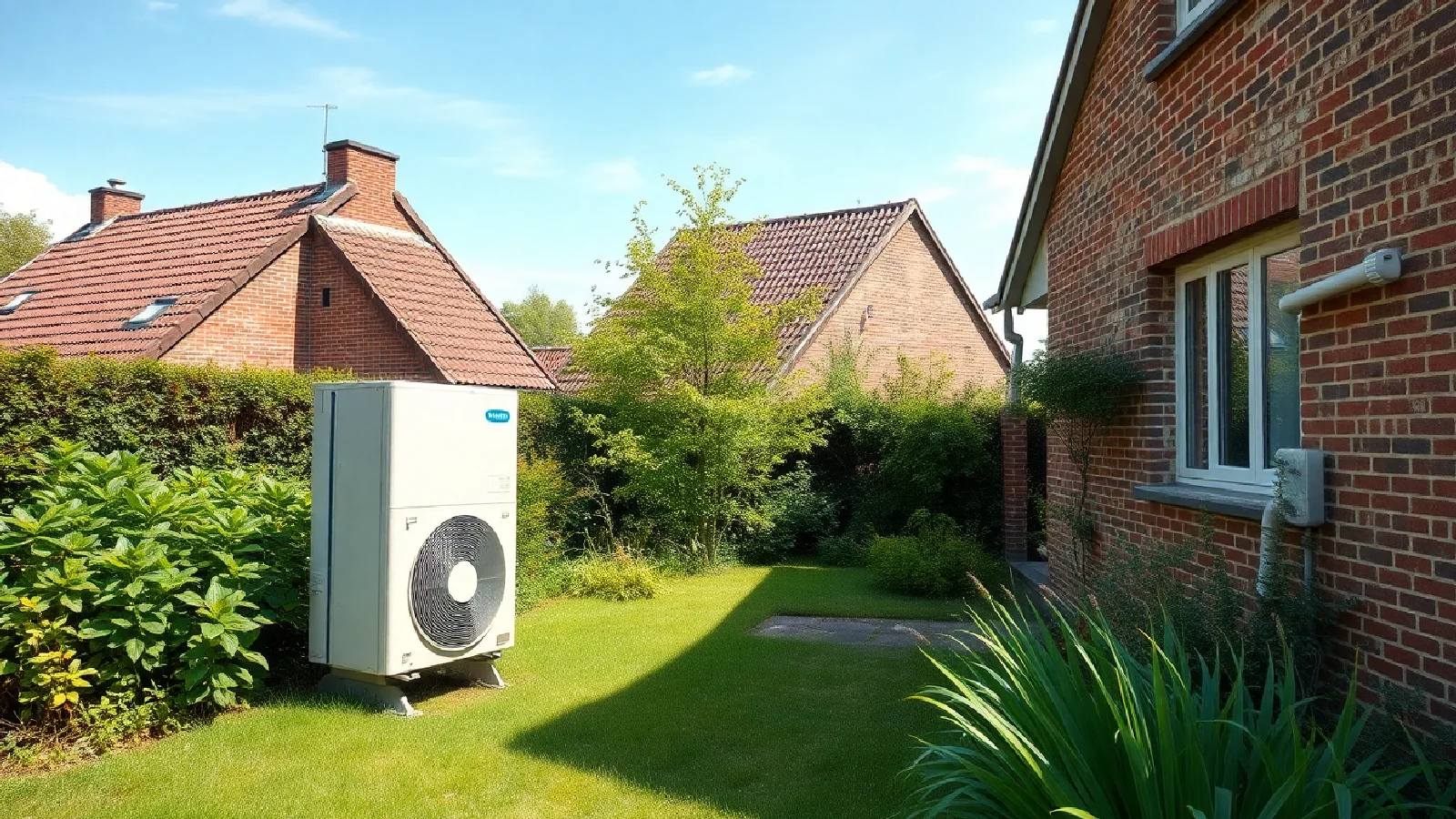
Urban geothermal networks solve several social acceptability issues related to individual heat pumps. The collective approach eliminates the acoustic nuisances of outdoor units, which are particularly problematic in dense urban environments.
This solution is also compatible with RE2020 requirements and facilitates the achievement of energy performance targets for new and renovated buildings. Geothermal energy offers remarkable opportunities for social housing, particularly in terms of cost control and tariff stability.
Network installation also allows for more efficient centralized maintenance and an increase in the technical skills of operators, guaranteeing optimal long-term performance.
Technical Challenges and Deployment Conditions
The success of geothermal heat pumps on a network requires a rigorous approach to design and installation. As highlighted by the négaWatt study on the role of heat pumps, the absence of clear rules can lead to serious malfunctions.
Imperative conditions include:
- Precise sizing of geothermal exchangers
- Efficient insulation of connected buildings
- Emitters adapted to low temperatures
- Intelligent regulation of flows and temperatures
Prior geological assessment is crucial to determine feasibility and optimize performance. Hydrogeological studies identify available resources and prevent impacts on groundwater.
Future Prospects and Massification
The future of geothermal networks is part of a remarkable acceleration dynamic. Heating networks maintain a virtuous dynamic with an average renewable energy rate reaching 62.6%.
This growth benefits from public policy support: the classification of nearly 600 virtuous networks facilitates mandatory connections in identified areas. The objective of delivering 39.5 TWh of renewable heat by 2030 will require the development of 1,600 additional networks.
Technology is also evolving towards greater sophistication with the integration of artificial intelligence for predictive optimization and the development of hybrid networks combining several renewable sources. Heat pumps in Belgium show the way with successful massive deployments.
This urban geothermal revolution is part of a broader circular economy approach, valuing local resources and minimizing energy waste. It thus represents an essential pillar of territorial energy transition, combining technical performance, social acceptability, and economic sustainability.