Geothermal Heat Pumps 2026: Performance and Subsidies Decoded
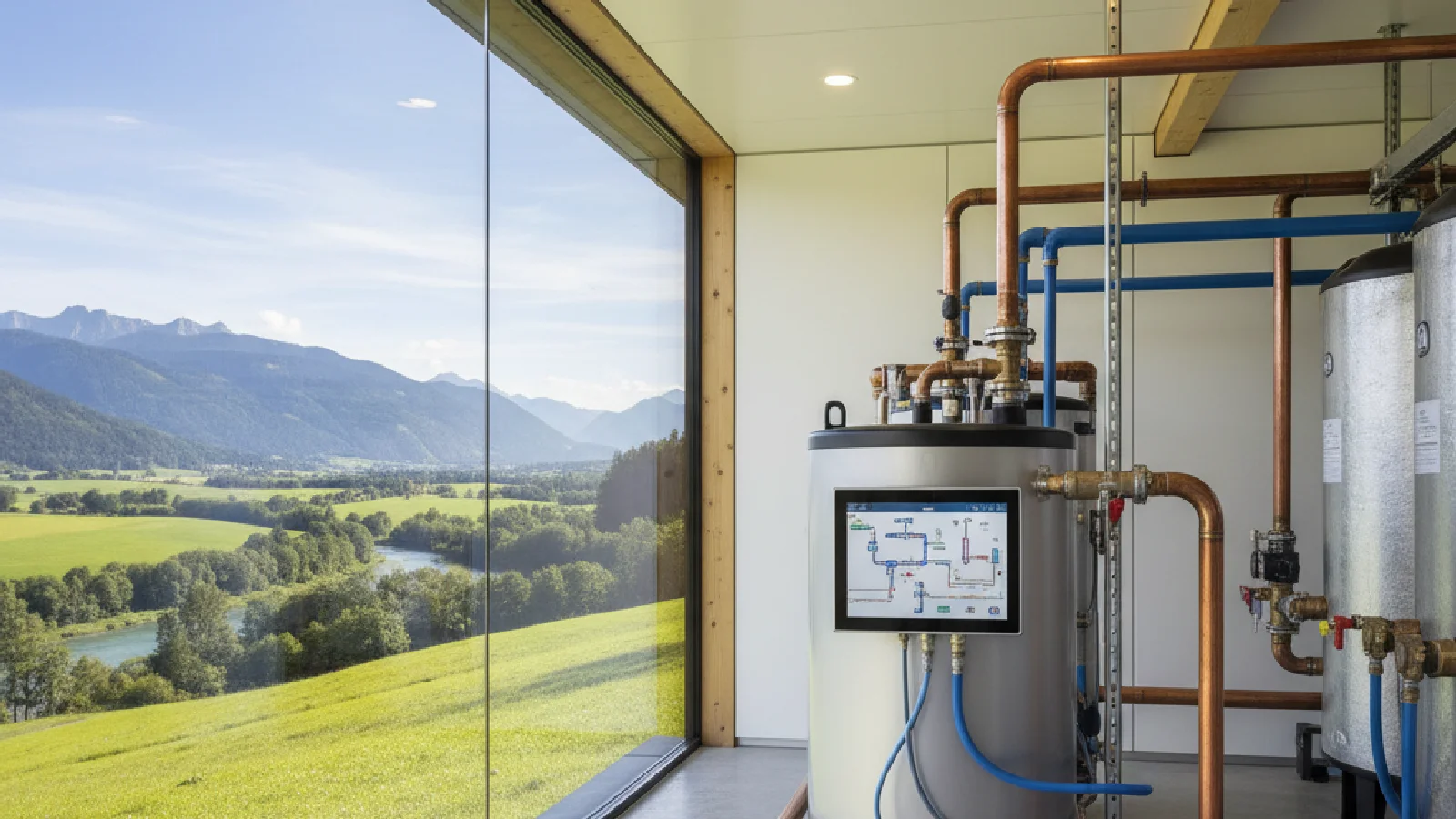
In 2024, the contrast between figures in the French heat pump market reveals a paradox: while 930,000 aerothermal systems were installed, only 3,005 geothermal units found buyers. Yet, the latter demonstrate superior energy performance and benefit from more generous subsidies. How can this spectacular disparity be explained when the challenges of building decarbonization have never been more urgent?
The answer lies at the intersection of real technical performance, economic constraints, and the effectiveness of public aid schemes. This comparative analysis examines concrete field data to understand which technology is truly making headway in the energy transition of residential heating, beyond marketing promises.
New innovations are also transforming the apartment heating market in 2026, as detailed in a publication on technological innovations transforming heating in 2026.

Thermal Performance: Geothermal Advantage Measured in the Field
Geothermal heat pumps harness the stable temperature of the ground, maintained at around 13 °C year-round a few meters deep. This stability gives them a coefficient of performance (COP) between 4 and 7, meaning they produce 4 to 7 kWh of heat for every 1 kWh of electricity consumed. According to research conducted by Polytechnique Montréal on the decarbonization of existing buildings with heat pumps, the integration of "hybrid systems with heat pumps" is particularly effective in reducing energy consumption and greenhouse gas emissions in cold climates, highlighting the potential of geothermal sources to maximize energy efficiency. For more details, you can consult the Polytechnique Montréal report.
In comparison, aerothermal heat pumps capture heat from the outside air and show a COP of 3 to 4 under optimal conditions. But their Achilles' heel appears as soon as the thermometer drops: their performance significantly plummets below –7 °C, precisely when heating needs reach their winter peak.
This difference in efficiency directly translates into CO₂ emissions. According to consolidated data, geothermal systems generate approximately 45 g of CO₂ per kWh produced, which is four to seven times less than conventional gas, oil, or even electric solutions based on a typical energy mix.
“Geothermal heat pumps reduce CO₂ emissions to approximately 45 g/kWh, which is one-quarter to one-seventh of those from electric, gas, or oil systems.”
Geothermal efficiency proves particularly interesting for existing buildings where insulation quality is not optimal. Unlike aerothermal systems, which are more dependent on emitter sizing and the thermal envelope, geothermal maintains its performance even under difficult operating conditions.
Financial Aid 2026: A Subsidy Gap That Isn't Enough
The French public aid scheme explicitly recognizes the environmental superiority of geothermal energy. In 2026, cumulative amounts for a geothermal heat pump installation can reach significant levels:
- CEE energy premium: up to €11,000 for ground-source systems
- MaPrimeRénov': up to €11,000 depending on household income
- Additional local aid in certain regions
For air-to-water heat pumps, the amounts are significantly lower, as detailed in the 2026 energy premium scale: MaPrimeRénov' generally caps at €5,000 for these installations.

A Degressive Mechanism Favoring Low-Income Households
The MaPrimeRénov' system operates on a degressive logic based on income. Very low-income households can thus obtain substantial coverage of their initial investment, while higher-income households receive reduced or even no amounts.
This aid structure acts more as a cost absorber than a true market catalyst. The Court of Accounts report on public support for geothermal development highlights this limitation: despite generous subsidies, deployment targets remain largely unattainable.
Persistent Economic and Technical Obstacles
Beyond aid amounts, several structural obstacles explain the low adoption of geothermal solutions:
- Initial investment remains high: Even with €22,000 in cumulative subsidies, the residual cost of a geothermal installation can exceed that of an air-to-water heat pump by several thousand euros. For many households, the financial equation remains unfavorable despite future operating savings.
- Administrative complexity discourages project owners. Grant application files often require the intervention of specialized engineering firms, with processing times that significantly extend projects.
- Land constraints represent a major hindrance: vertical boreholes require sufficient land and specific authorizations, while horizontal collectors require a large surface area (1.5 to 2 times the area to be heated). In dense urban environments, these solutions become impractical.
- Finally, the availability of qualified installers remains limited. The French market has few professionals trained in geothermal energy compared to the number of artisans capable of installing aerothermal systems, which are technically simpler.
A French Lag in the European Context
The limited development of geothermal energy in France contrasts with other European countries. Germany, Sweden, and Switzerland show significantly higher equipment rates, thanks to older public policies and better-structured industrial sectors.
This situation raises questions about the effectiveness of current support mechanisms. While aid amounts are theoretically attractive, their real impact on investment decisions remains marginal compared to the simplicity and competitive cost of aerothermal solutions.
The ADEME offers funded feasibility studies to support geothermal project owners, but these support schemes struggle to compensate for the structural disadvantages of this sector.
Comparative Overview of Heat Pump Technologies
| Characteristic | Geothermal Heat Pump | Aerothermal Heat Pump |
|---|---|---|
| Average COP | 4 to 7 | 3 to 4 (optimal conditions) |
| Performance Stability | Very stable (ground temperature around 13°C) | Sensitive to temperature variations (drops below -7°C) |
| CO₂ Emissions | ~45 g/kWh | Higher (depends on energy mix and temperature) |
| Maximum Subsidies | Up to €22,000 (CEE + MaPrimeRénov') | Up to €5,000 (MaPrimeRénov') |
| Initial Investment | High | Moderate |
| Land Constraints | Vertical borehole or horizontal collector (large area) | Low (outdoor unit) |
| Technical Complexity | Specific (installation, maintenance) | Simple (standard installation) |
| Qualified Professionals | Fewer | Very numerous |
Hybridization and Alternative Solutions: The Future of Decarbonized Heating
Given these observations, several avenues are emerging to accelerate the energy transition in heating. Hybrid systems, combining aerothermal heat pumps and condensing boilers, optimize performance while limiting initial investment.
Renewable heat networks represent a promising alternative in dense urban areas, where individual geothermal solutions are difficult to deploy. They allow for the pooling of heat production from deep geothermal, biomass, or waste heat recovery.
Improving the thermal insulation of existing buildings remains an essential prerequisite. A well-sized aerothermal heat pump in a properly insulated home can compete with a geothermal installation in a poorly built structure, while mobilizing fewer financial and technical resources.
Finally, the rise of thermal storage technologies could reshuffle the cards. By allowing heat to be stored during off-peak hours or favorable periods, these systems mitigate the weaknesses of aerothermal heat pumps during cold peaks.
The decarbonization of French heating will likely not come from a single solution, but from a bouquet of technologies adapted to the specificities of each building and territory. Geothermal heat pumps retain their place in this mix, but their massive deployment would require a profound overhaul of support mechanisms and industrial structuring of the sector. Other complementary technologies, such as sodium-ion batteries for energy storage, could also play a role in optimizing renewable electric heating systems.
In the meantime, aerothermal heat pumps will likely continue to dominate the market due to their ease of installation and controlled cost, even if their carbon footprint remains imperfect. The transition to more efficient solutions like geothermal or heat networks requires enhanced support and a long-term vision that current schemes still struggle to embody.