Recycling Your Tech Devices at Home: A Practical Guide
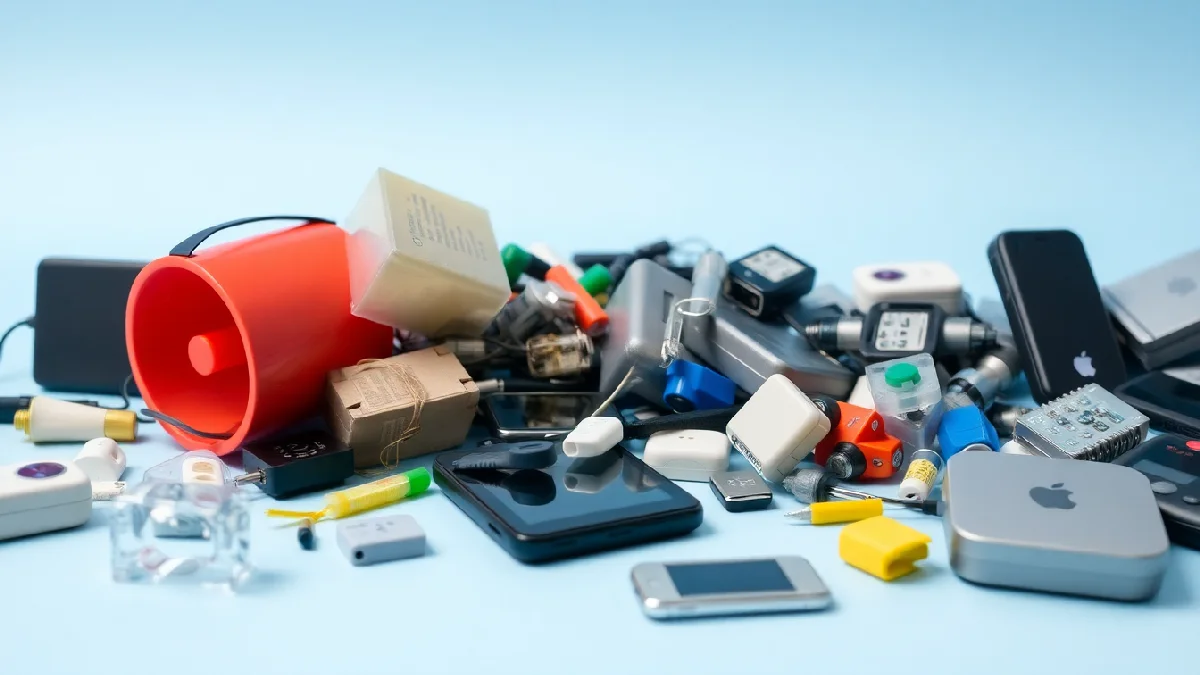
Each year, the world generates over 50 million tons of electronic waste, yet only a small fraction is properly recycled. What if you became an agent of change? Safely dismantling your end-of-life devices not only allows you to recover valuable materials but also reduces your environmental footprint. This guide will walk you through transforming your old smartphones, computers, and household equipment into valuable resources.
Prepare Your Space and Get Equipped
Before dismantling any device, organizing your workspace is crucial for a successful and safe operation. Choose a well-ventilated and clear area, ideally a workshop or garage, isolated from the ground by an anti-static mat or a non-conductive surface. Lighting should be sufficient to identify small components and inscriptions on circuits.
Personal Protective Equipment
Handling electronic components exposes you to several risks: cuts, residual electrical discharges, and inhalation of toxic dust. Always wear resistant gloves, safety glasses, and, if possible, a dust mask. An anti-static screen protects sensitive components you wish to reuse.
For tools, a few items are sufficient for most disassemblies:
- Phillips and flathead screwdrivers of various sizes
- Wire strippers and cable cutters
- Screw extractor (for damaged screws)
- Insulated screwdriver for discharging capacitors
- Labeled containers for material sorting
Dismantle Safely
The first absolute rule: unplug the device and remove all batteries before any intervention. Lithium-ion batteries, which are particularly flammable and toxic, must be stored separately in a cool, dry place, then handed over to an approved collection point [^1].
Discharge Dangerous Components
Capacitors can retain an electrical charge even after the device is turned off. To neutralize them, short-circuit their terminals with an insulated screwdriver, holding the handles firmly. This step, though technical, prevents potentially serious electric shocks. Electronic equipment contains components requiring specific treatment to limit their environmental impact.
Proceed Methodically
Start by removing external elements: plastic casings, keyboards, back panels. Photograph each step if you plan to reassemble certain parts. Once access to internal sub-assemblies is gained, locate screws hidden under stickers or plastic covers. Some manufacturers use special security screws: a universal bit kit then becomes essential.
"The circular economy aims to reduce waste, preserve resources, and minimize environmental impact by encouraging reuse, repair, and recycling."
Sort and Identify Valuable Materials
Effective recovery relies on meticulous sorting by material category. This step determines the ease of collection by recycling channels and the potential recovery value [^2].
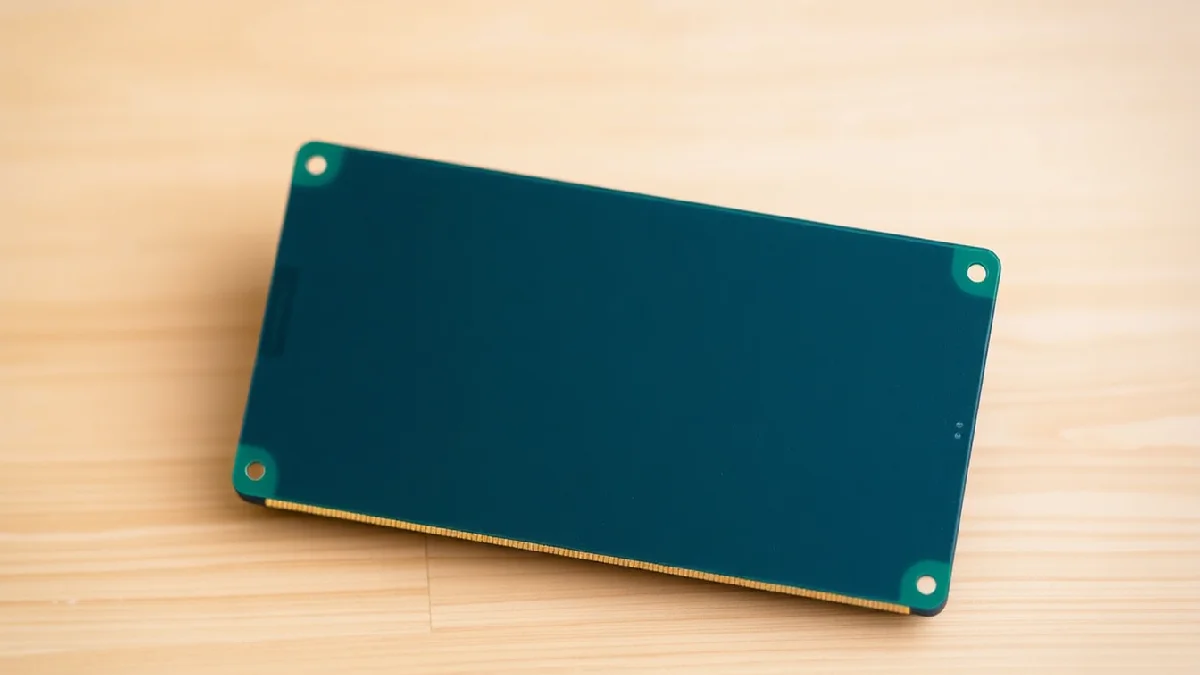
Priority Categories
- Printed Circuit Boards (PCBs) are the hidden treasure of your devices. Rich in copper, gold, silver, and rare earth elements, they can be sold to specialized recyclers or reused in electronic DIY projects. Store them away from moisture in anti-static bags.
- Metals are separated into three groups: copper (cables, windings), aluminum (heat sinks, chassis), and steel (screws, supports). Stripping cables of their sheathing before depositing them increases their recovery value. Reusable tips and connectors are worth keeping separately.
- Plastics, often overlooked, represent a significant portion of the total weight. Separate different types according to their marking (ABS, polycarbonate, polypropylene) to facilitate their recycling. Caution: some old plastics contain brominated flame retardants that are now banned.
Components Requiring Specific Treatment
LCD screens and cathode ray tubes require professional treatment due to the mercury and lead they contain. Never dismantle them yourself: hand them over intact to collection centers [^3]. The same applies to swollen or leaking capacitors, high-voltage transformers, and any visibly damaged component.
As with modern energy infrastructures, the transition to a circular economy requires rigorous practices at all levels.
Recover and Dispose of Components
Once sorted, several options are available depending on the nature and condition of the recovered materials. Direct reuse remains the most virtuous option: functional processors, RAM, and hard drives easily find buyers on specialized second-hand platforms or in maker communities.
Approved Collection Channels
European legislation mandates the collection of waste electrical and electronic equipment (WEEE) by approved organizations [^4]. The guide for establishing dismantling centers details professional best practices that can inspire individuals. In France, distributors are obliged to take back an old device free of charge when purchasing an equivalent (the "one-for-one" principle).
Municipal waste disposal centers generally have specific containers for WEEE. Some communities organize periodic home collections. Inquire with your local town hall for local arrangements.
Local Initiatives and Social Economy
Recycling centers, Repair Cafes, and associative workshops offer interesting alternatives. These structures collect functional components for reuse in repair or educational projects. They often welcome volunteers eager to learn dismantling and repair techniques.
Integration companies specializing in reconditioning sometimes buy batches of components. Although margins are low for individuals, this solution offers the advantage of complete traceability and a positive social impact.
Comply with Legal Framework and Best Practices
Handling WEEE at home remains governed by regulations [^5]. European standards impose strict standards for the treatment of this waste, particularly concerning hazardous substances.
Prohibited Practices
Burning plastics or cables to extract copper releases extremely toxic dioxins and furans. This practice, still observed in some illegal dumps, is strictly prohibited and punishable by criminal sanctions. Similarly, the use of chemical baths (acids) to recover precious metals from printed circuits presents major environmental and health risks without professional equipment.
Components containing mercury (thermostats, some old switches) must never be disposed of with household waste. Their handling requires special precautions, and their disposal must be entrusted to professionals.
Traceability and Responsibility
Keep a record of deposits made at waste disposal centers: tracking slips, receipts, collection certificates. This documentation proves your compliance with legal obligations and can be useful in case of inspection. For professionals generating large volumes, specific registers must be kept.
| Valorization Process | Description | Benefits |
|---|---|---|
| Direct Reuse | Sale or donation of functional components (RAM, processors). | Extends lifespan, reduces new consumption. |
| Approved Channels | Deposit at waste disposal centers or distributors (1 for 1). | Professional WEEE treatment, compliance with legal standards. |
| Social Economy | Contribution to Repair Cafes, recycling centers, integration companies. | Positive social impact, learning, repair. |
The energy transition as a whole, whether it's green hydrogen or electronic recycling, relies on everyone's commitment to sustainable practices.
Perspectives and Future Challenges
Improving the recyclability of electronic devices requires more virtuous design upstream. Eco-design initiatives are multiplying: increased modularity, limited use of glues and solders, standardization of components. These developments facilitate dismantling and increase the lifespan of equipment.
Mandatory repairability indices since 2021 in France inform consumers and push manufacturers to improve the disassemblability of their products. This transparency benefits both professional repairers and individuals wishing to extend the life of their devices.
The rise of online communities sharing video tutorials, technical diagrams, and practical advice democratizes dismantling know-how. These valuable resources partially compensate for planned obsolescence and the lack of official documentation.
Domestic recycling of electronic equipment is part of a global approach to waste reduction and resource preservation. Every action counts: by correctly dismantling a smartphone, you recover the equivalent of several grams of copper, a few milligrams of gold, and numerous reusable components. Multiplied by millions of users, these individual efforts contribute significantly to the circular economy and the reduction of mining extraction.
--- [^1]: According to iFixit, a website specializing in electronic device repair and dismantling, lithium-ion batteries must be handled with caution due to their fire risk. Source: How to Recycle End-of-Life Electronic Devices - iFixit [^2]: HAL theses detail the importance of meticulous sorting for electronic waste recycling to optimize material recovery. Source: Recycling of electronic waste: sorting and reuse - HAL theses [^3]: The International Telecommunication Union (ITU) emphasizes the professional treatment of WEEE containing hazardous substances such as mercury. Source: [PDF] management of waste electrical and electronic equipment ... [^4]: The Federal Office for the Environment (BAFU) in Switzerland, in line with European directives, reiterates obligations regarding the disposal of waste electrical and electronic equipment. Source: [PDF] Disposal of waste electrical and electronic equipment ... [^5]: Compliance with regulations is crucial for handling WEEE, with strict standards concerning hazardous substances. Source [PDF]: Disposal of waste electrical and electronic equipment ...