1.5°C Warming by 2029: Climate Emergency Confirmed

The alarm bells are ringing louder than ever. The World Meteorological Organization (WMO) has just announced a 70% probability that the global average temperature will exceed +1.5°C above pre-industrial levels between 2025 and 2029. This anticipated breach of the critical threshold set by the Paris Agreement upends climate projections and necessitates an urgent revision of our action strategies.
Following 2023 and 2024, the two hottest years on record, this prediction confirms that the planet is on a path of accelerated warming. The consequences of this overshoot are no longer science fiction: they are already shaping our daily lives and painting a future where adaptation becomes as crucial as mitigation.
The 1.5°C Threshold: More Than Just a Symbolic Figure
The +1.5°C threshold enshrined in the 2015 Paris Agreement is not an arbitrary limit. It represents the tipping point beyond which climate impacts become exponentially more severe and difficult to reverse. This level of warming, calculated relative to the 1850-1900 period, marks entry into a dangerous zone where the planet's natural regulatory mechanisms risk spiraling out of control.
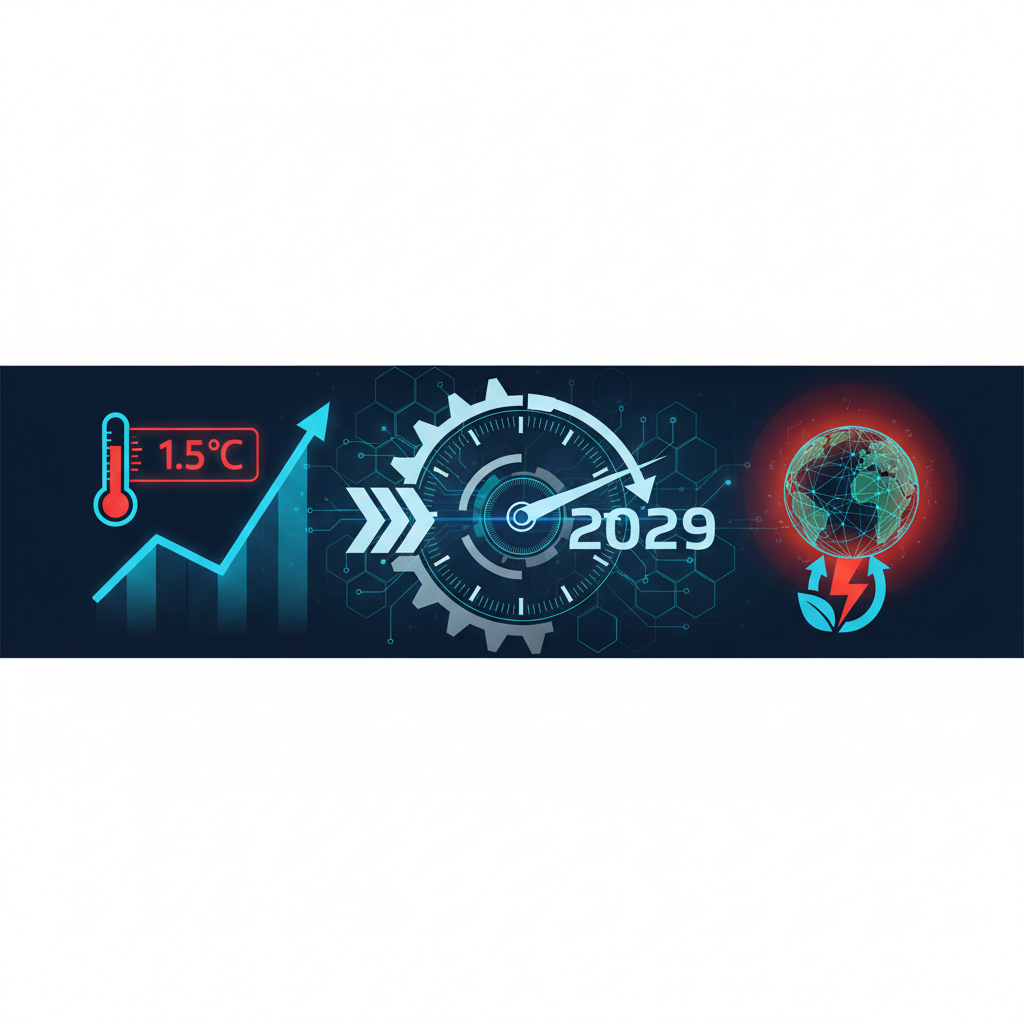
According to the latest data from the European Copernicus service, global temperatures over the last three years have already averaged 1.52°C above pre-industrial levels. This temporary overshoot heralds a permanent breach that could occur as early as May 2029.
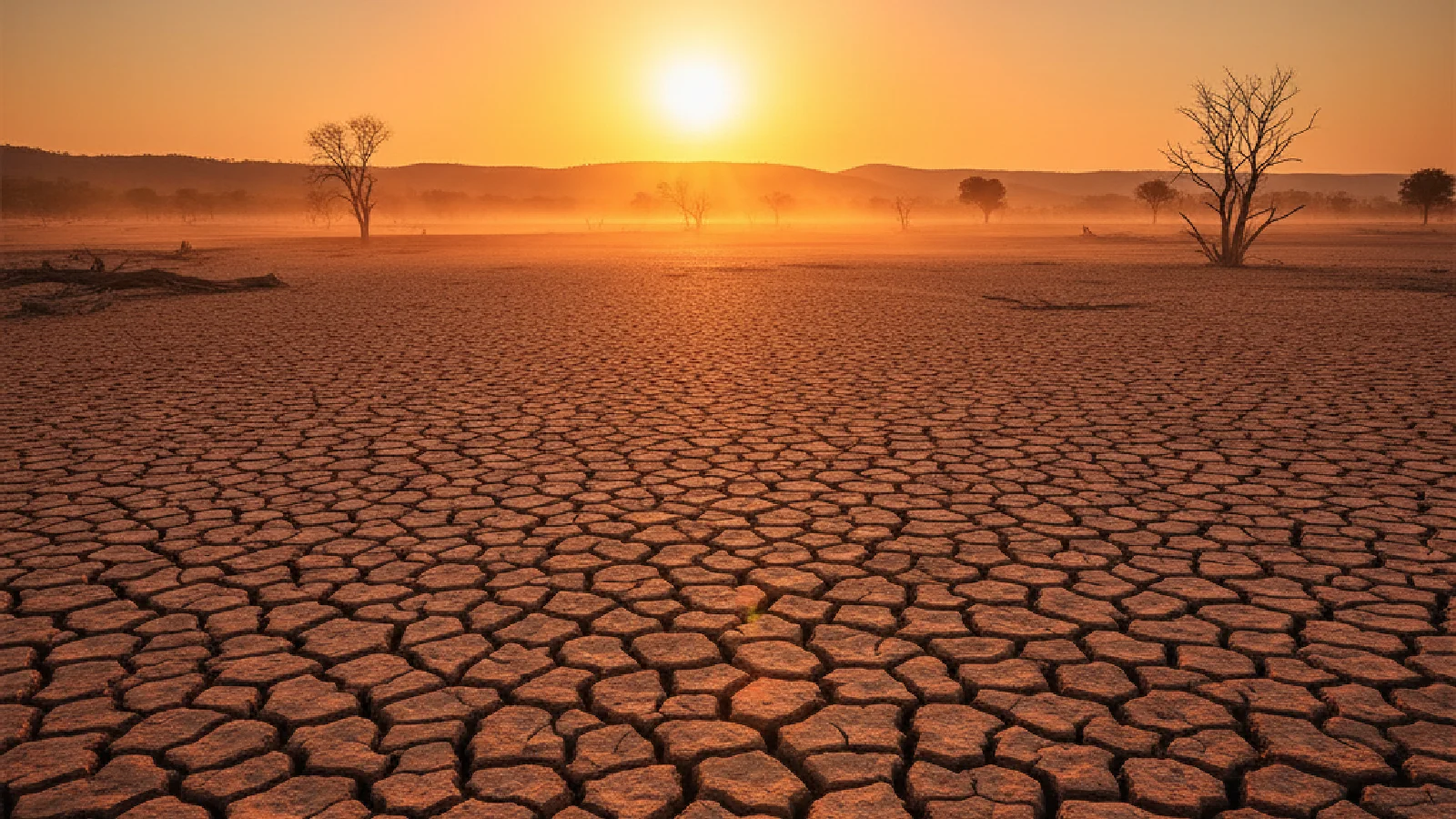
Beyond this threshold, scientists predict a multiplication of extreme weather events: more intense and prolonged heatwaves, devastating agricultural droughts, unprecedentedly powerful hurricanes, accelerated glacier melt, and critical sea-level rise.
| Warming Period | Probability of Exceeding +1.5°C |
|---|---|
| 2025-2029 | 70% (WMO) |
| Average over last 3 years | +1.52°C (Copernicus) |
| Potential permanent overshoot | As early as May 2029 |
Cascading Impacts: When Climate Reshapes Our Territories
Ecosystems Under Pressure
The exceeding of the 1.5°C threshold triggers domino effects in global ecosystems. Forests, traditionally considered carbon sinks, risk becoming net emission sources due to increasingly frequent fires and increased tree mortality.
Wetlands and coral reefs, true biodiversity reservoirs, are already suffering irreversible degradation. Permafrost melt releases massive amounts of methane and CO₂, further amplifying warming in a vicious cycle difficult to break.
Agriculture and Food Security Threatened
Global agriculture faces unprecedented challenges. Yields of staple crops like wheat, rice, and corn are significantly declining in many regions. Prolonged droughts alternate with extreme precipitation, disrupting production cycles and threatening the food security of billions of people.
"Average temperatures over the last three years have already crossed the +1.52°C threshold, propelling us towards a climate future we once thought avoidable."
Coastal areas, home to a considerable portion of the world's population, are experiencing sea-level rise and the intensification of tropical storms. Port infrastructure, transport systems, and urban centers require massive adaptation investments.
The Urgency of Decarbonization: Goals and Realities
To limit the damage, the international community must reduce global greenhouse gas emissions by at least 43% between 2019 and 2030 and achieve carbon neutrality before 2050. These objectives, theoretically achievable, demand a radical transformation of our energy, industrial, and transport systems.
Renewable Energies: The Necessary Acceleration
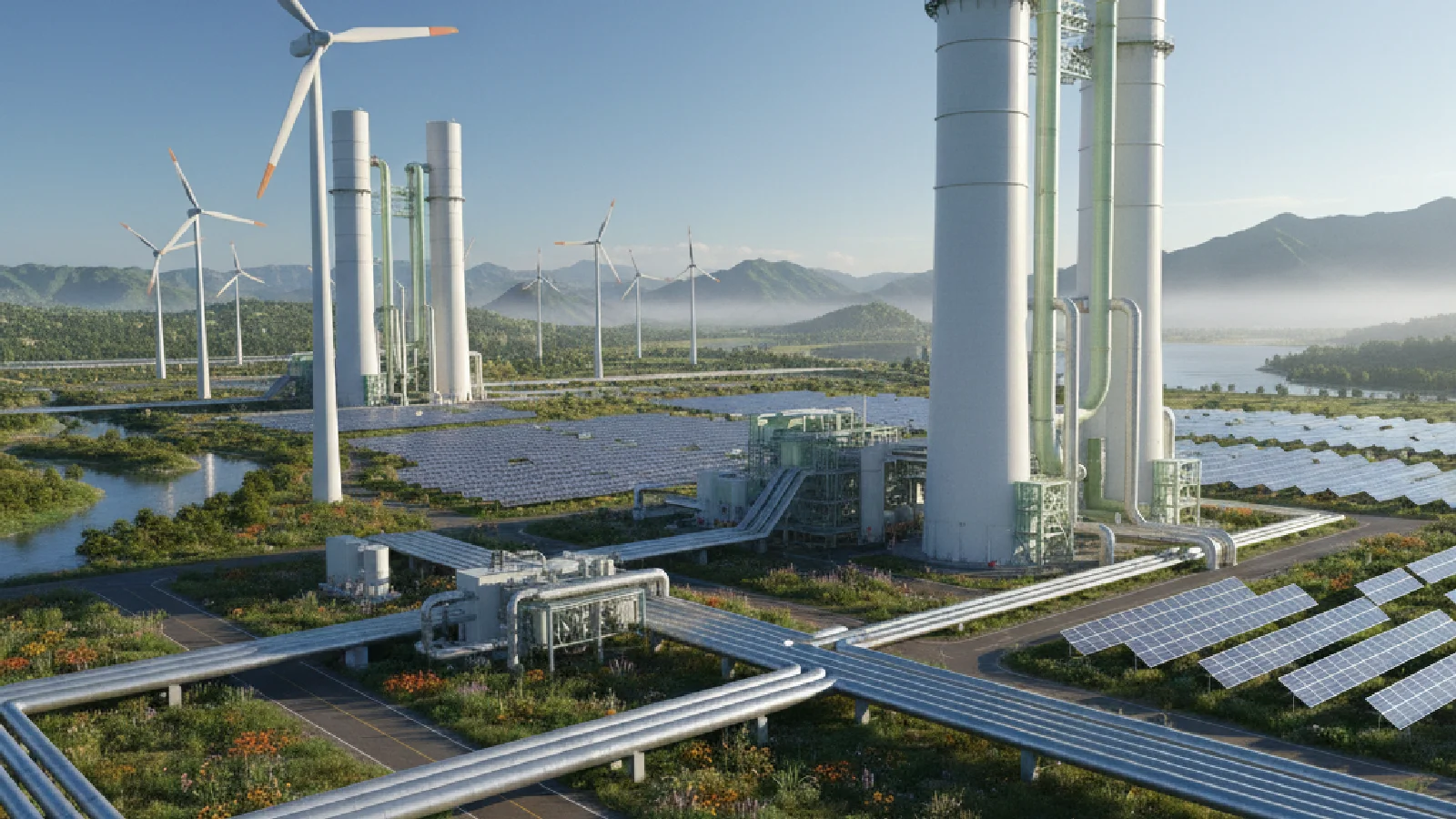
The energy sector must undergo its fastest transformation in industrial history:
- Massive deployment of wind and solar power with tenfold capacities
- Phased closure of coal-fired power plants in developed countries by 2030
- Modernization of electricity grids to integrate the variability of renewable sources
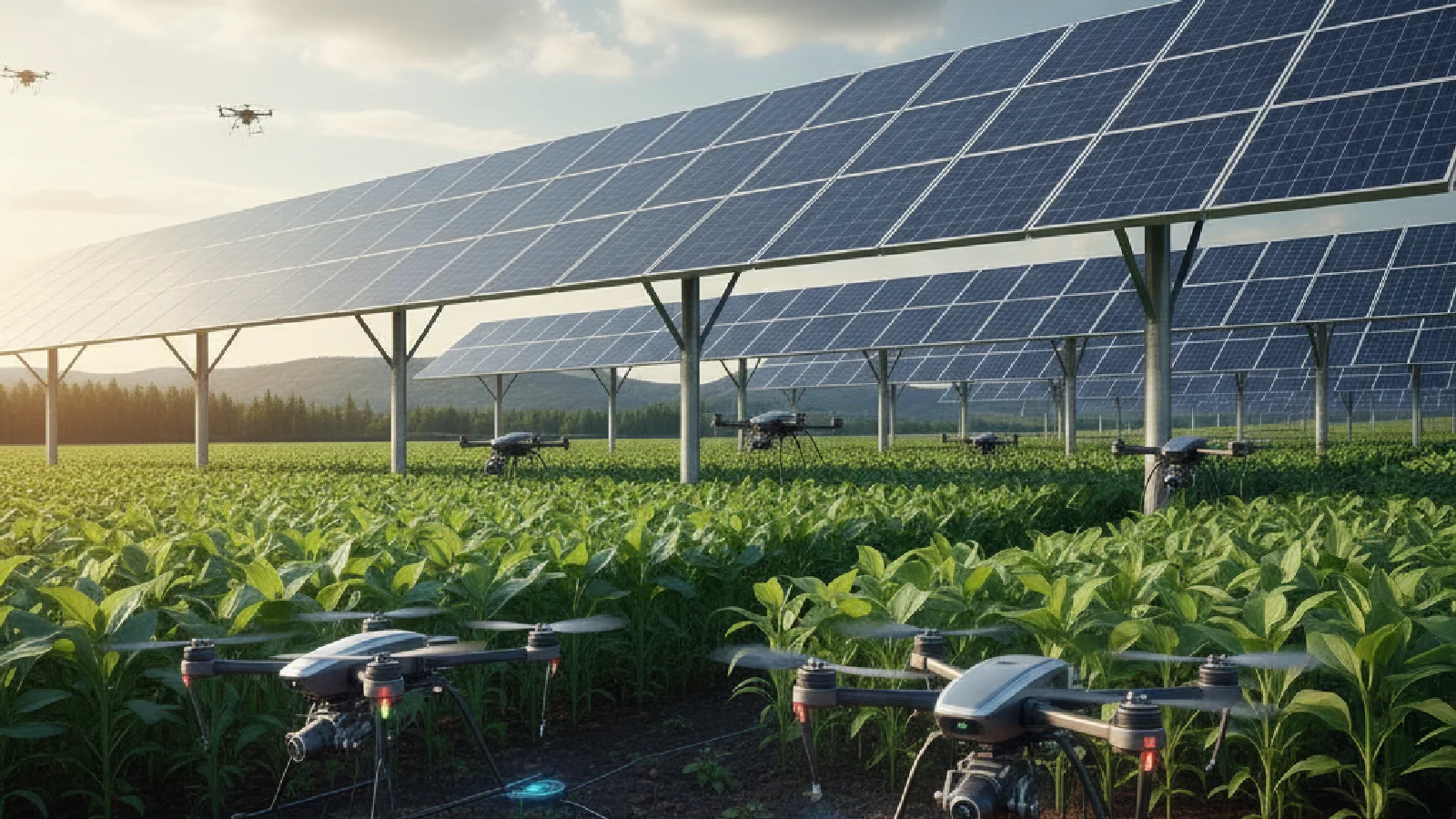
The rise of technologies like direct CO₂ capture and smart agrivoltaics offers encouraging prospects, but their deployment remains too slow given the climate emergency.
Transport and Industry in Transition
Decarbonizing transport involves the massive electrification of vehicles, the development of clean fuels for aviation and maritime transport, and the promotion of active mobility in urban areas.
Heavy industry is exploring revolutionary processes: green hydrogen for steelmaking, low-carbon cement, green chemistry. These innovations, promising on paper, are still struggling to reach the necessary industrial scale.
Adaptation: Anticipating the Inevitable
In parallel with emission reduction efforts, adaptation is becoming an absolute priority. Territories must prepare to live with a minimum of +1.5°C, or even +2°C according to the most pessimistic scenarios.
Resilient Cities and Adaptive Infrastructure
Urban centers are developing cool islands, strengthening their drainage systems to cope with extreme precipitation, and installing early warning networks for heatwaves. New buildings are incorporating reinforced energy performance standards, while the renovation of existing stock is accelerating.
Water Management and Ecological Restoration
Sustainable water management is becoming crucial in a world where rainfall is scarce in some regions and intensifying in others. Retention basins, recycling systems, and desalination technologies are multiplying.
Ecosystem restoration – forests, wetlands, grasslands – plays a dual role: atmospheric carbon absorption and natural protection against climate hazards. These nature-based solutions often prove more effective and less costly than artificial infrastructure.
Funding and Governance: Levers for Change
The climate transition requires significant investments, estimated at several trillion euros globally by 2030. Climate finance must be scaled up, particularly towards the most vulnerable developing countries.
Carbon pricing, still uneven across regions, must be harmonized and amplified to effectively direct investments towards clean technologies. National and local public policies play a decisive role in this transition.
The environmental impact extends far beyond climate. Plastic pollution, especially oceanic microplastics, exacerbates the global ecological crisis and threatens marine ecosystems already weakened by ocean acidification.
Citizen Mobilization and Social Transformation
Given the scale of the challenge, civil society mobilization is indispensable. Citizens, businesses, local authorities, and associations must work together to accelerate the transition. Individual behavioral changes, though insufficient alone, contribute to creating a positive collective dynamic.
Businesses are progressively integrating climate risks into their strategies, developing low-carbon products and services, and rethinking their supply chains. This economic transformation, still uneven across sectors, is accelerating under regulatory pressure and consumer demand.
Just transition, which ensures that the costs of decarbonization do not disproportionately burden the most vulnerable populations, constitutes a major social challenge of this transformation.
The almost inevitable exceeding of the +1.5°C threshold by 2029 marks a turning point in the fight against climate change. While this prospect may seem daunting, it also reveals the absolute urgency to act on all fronts: drastic emission reductions, territorial adaptation, technological innovation, and social transformation.
The goal remains achievable: limiting warming to +2°C and avoiding the most catastrophic scenarios. But this requires immediate mobilization and strengthened international cooperation. Every tenth of a degree counts, every year of delay exacerbates the climate and social cost for future generations.