Indian Fintech: Worldline Sells BillDesk for €60M

BillDesk has just acquired Worldline's payment activities in India for approximately 60 million euros. A transaction that redefines the strategies of international players in one of the world's most dynamic markets.
Worldline's Strategic Retreat
French group Worldline officially announces its exit from the Indian market after several years of presence. The sale announced in February 2026 is part of a broader program to refocus on European operations.
This decision reflects a profound transformation of the group's strategy. Worldline has already divested several non-strategic assets: MeTS, its North American activities, Cetrel, and PaymentIQ. The objective: to concentrate resources on its core European business, where the group has established competitive advantages.
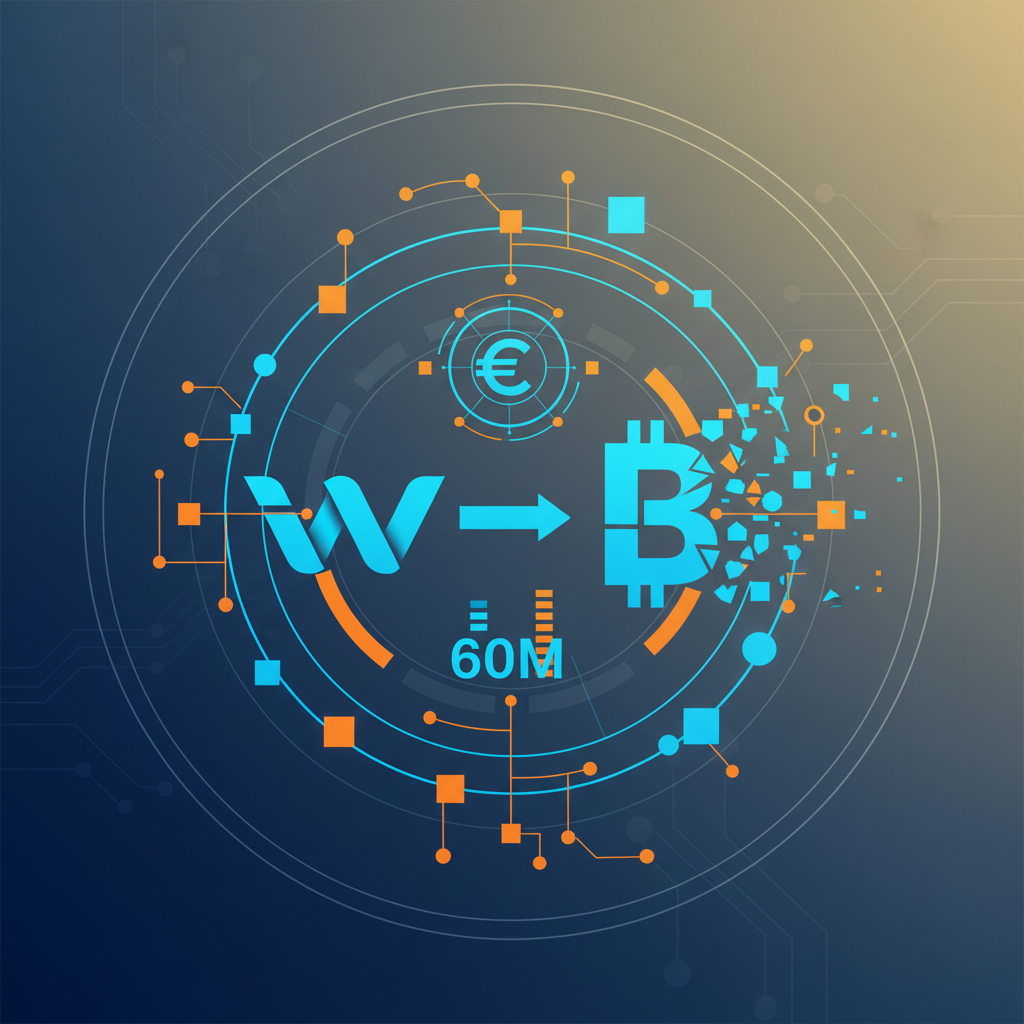
For BillDesk, the operation represents much more than a simple acquisition. The Indian specialist gains immediate access to Worldline's advanced payment software platform, accompanied by a long-term technology licensing agreement. This infrastructure will accelerate the deployment of next-generation services.
A Highly Competitive Indian Market
The digital payments sector in India is experiencing spectacular growth. The market is now worth tens of billions of dollars, driven by massive mobile adoption and government digitalization initiatives.
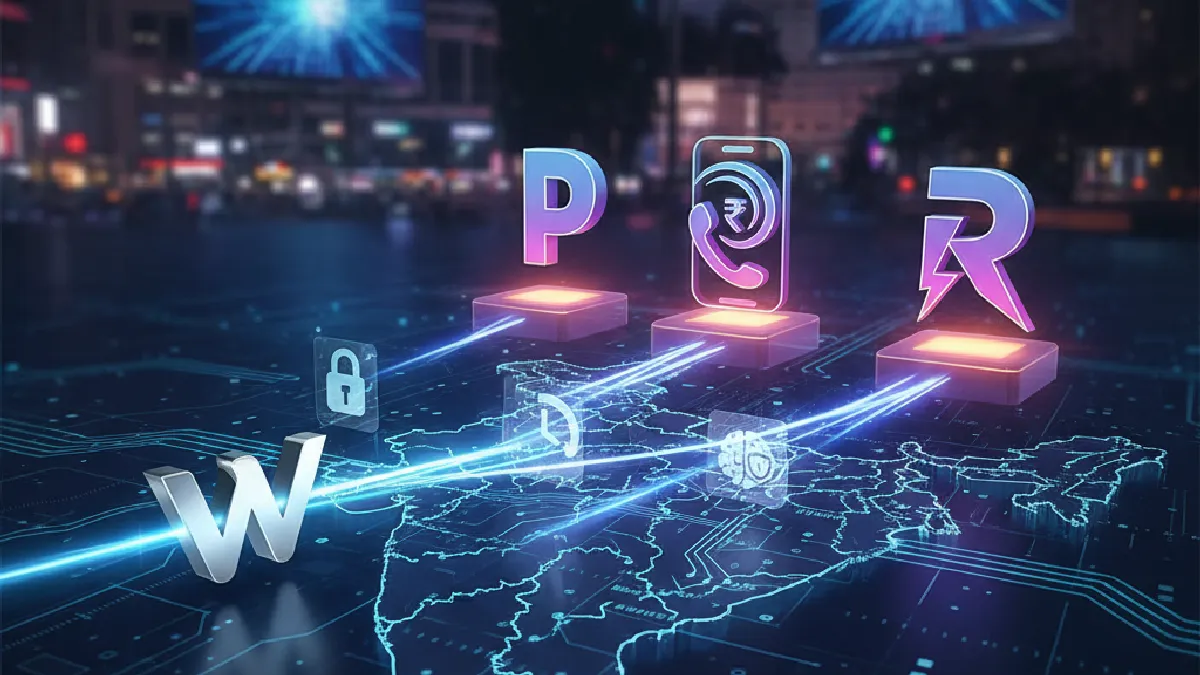
BillDesk faces formidable competitors: Paytm, PhonePe, and Razorpay dominate the local landscape with substantial market shares. The arrival of Worldline's technology could reshuffle the cards.
The acquired capabilities notably include:
- Tokenization of payment data for enhanced security
- Real-time settlement to improve user experience
- AI-powered fraud detection
These advanced features are major differentiators in an environment where competition is intensifying on technological innovation.
Implications for Global Players
This transaction sends a clear signal to international groups: conquering the Indian market increasingly involves partnership or acquisition rather than direct expansion.
“The preferred approach to access the $150 billion Indian market now seems to be collaboration with local players rather than organic development,” analyzes an industry observer.
European fintechs are making a strategic pivot. However, they maintain a presence in India in the form of R&D centers and talent hubs, which fuel innovation for their global operations. This approach allows them to benefit from local expertise without bearing the costs of a complete commercial infrastructure.
Worldline's strategy illustrates this trend: withdrawing from commercial activities while potentially preserving innovation capabilities on-site.
Technological and Commercial Stakes
The long-term technology licensing agreement is the true treasure of this transaction. BillDesk will be able to progressively enrich its product portfolio, accelerate time-to-market for new services, and deepen its relationships with merchants and partner banks.
This sophisticated infrastructure should enable BillDesk to gain market share in several segments:
- E-commerce payments, a rapidly growing segment
- Solutions for large enterprises, where technical reliability is paramount
- Digital banking services, which are expanding rapidly
Competition will intensify. Paytm and PhonePe have powerful integrated ecosystems, while Razorpay excels in solutions for startups. BillDesk will need to quickly leverage its new technological advantage to differentiate itself.
The investments required to deploy these technologies will be substantial. System integration, team training, and adaptation to the specificities of the Indian market represent major operational challenges.
Towards a Sector Reconfiguration
This divestiture is part of a broader trend of rationalizing business portfolios. International groups are systematically re-evaluating their geographical presence to optimize profitability.
As confirmed by Worldline in its official press release, this transaction is part of a transformation plan aimed at restoring operating margins and strengthening cash generation.
For emerging markets, the message is twofold. On the one hand, they remain attractive to local players with in-depth knowledge of the terrain. On the other hand, international champions now favor a selective approach, focused on their historical areas of strength.
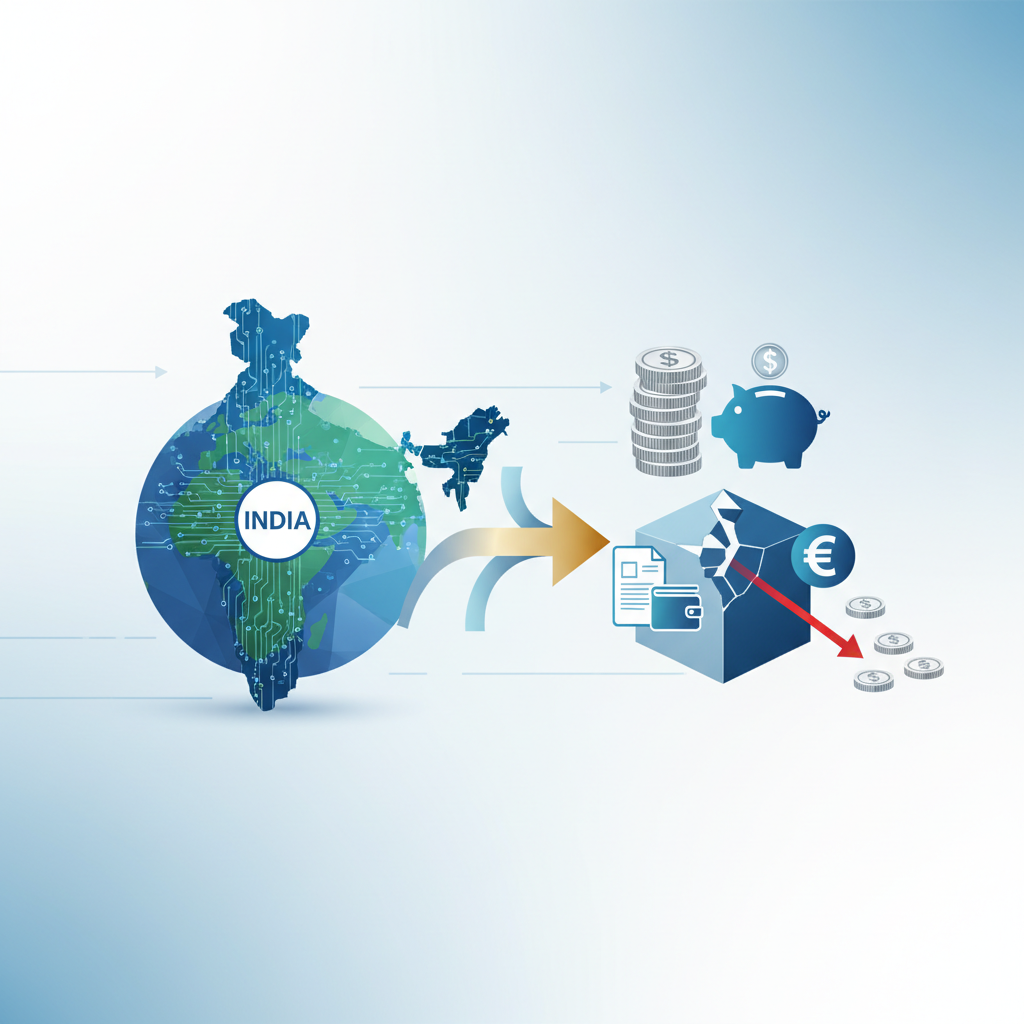
This evolution could foster the emergence of regional champions with world-class technologies through targeted acquisitions. BillDesk is an emblematic example of this.
The dynamics of the Indian market remain extremely favorable. Smartphone penetration continues to grow, the government actively supports digitalization, and new generations are massively adopting cashless payments. For BillDesk, the challenge now is to convert this potential into concrete growth.
The coming quarters will be decisive in measuring the real impact of this acquisition. BillDesk's ability to quickly integrate Worldline technologies and effectively commercialize them will determine the success of this strategic operation.
For investors, this transaction illustrates the need for thoughtful geographical allocation in the fintech sector. Mature European markets offer stability and profitability, while emerging Asian markets promise growth and innovation, but require specific approach models. Hybrid strategies, combining geographical refocusing and targeted partnerships, now seem to be favored by major players in the sector.