Brain-Computer Interfaces: Axoft Raises $55M with Fleuron
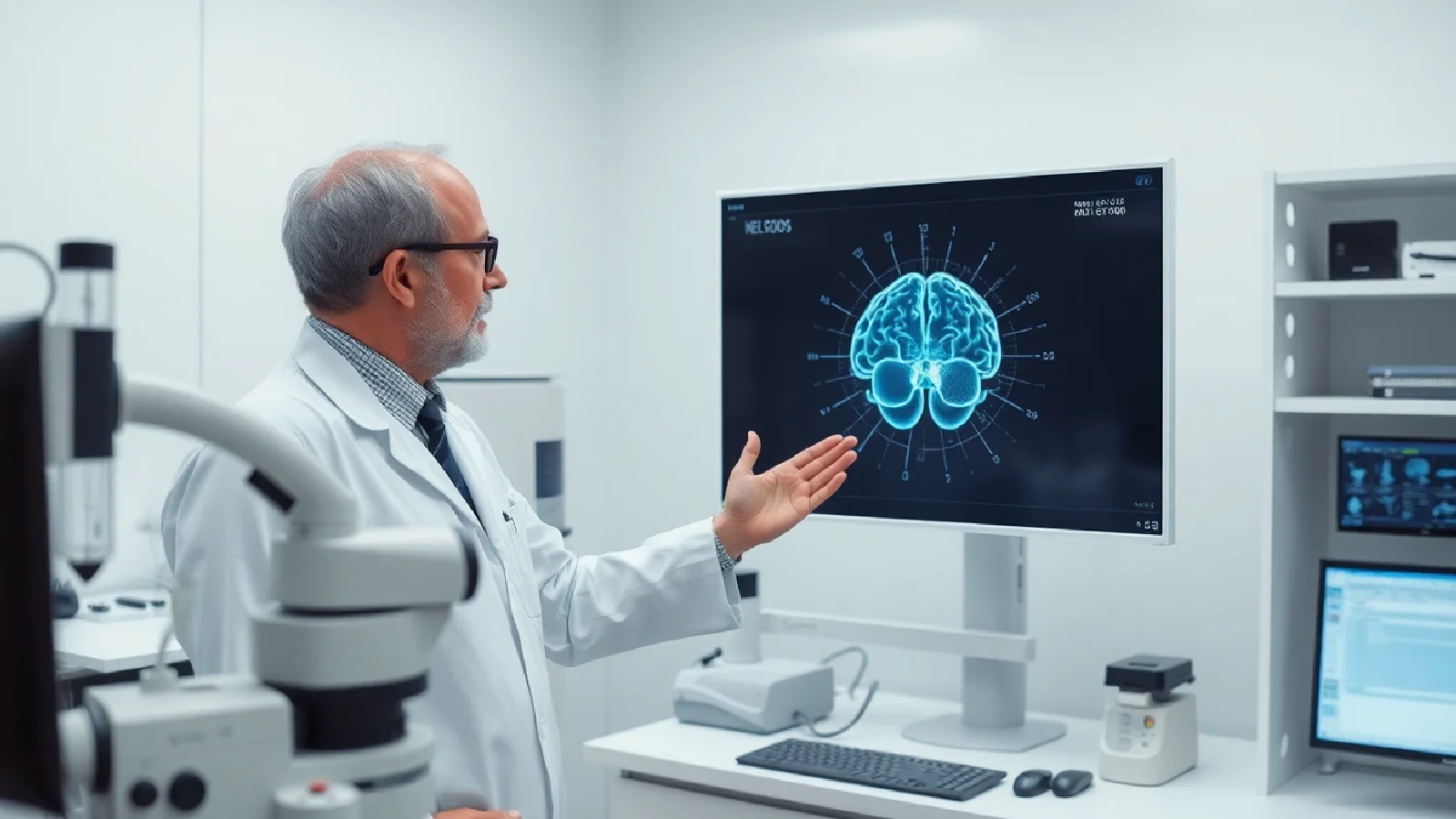
In April 2025, Axoft reached a decisive milestone: the successful implantation of its first device in a human. Less than a year later, the Cambridge startup announced a $55 million funding round to accelerate its global clinical trials. Its major asset? A revolutionary material named Fleuron, designed to mimic the flexibility of the human brain and pave the way for a new generation of implantable brain-computer interfaces (iBCIs).
With neurological disorders affecting one in three people worldwide, the ability to decode brain signals with unprecedented resolution represents a turning point in the treatment of pathologies ranging from epilepsy to consciousness disorders. A closer look at an innovation that is disrupting neurotechnology standards.
The “Material Mismatch” Challenge in Neurotechnology
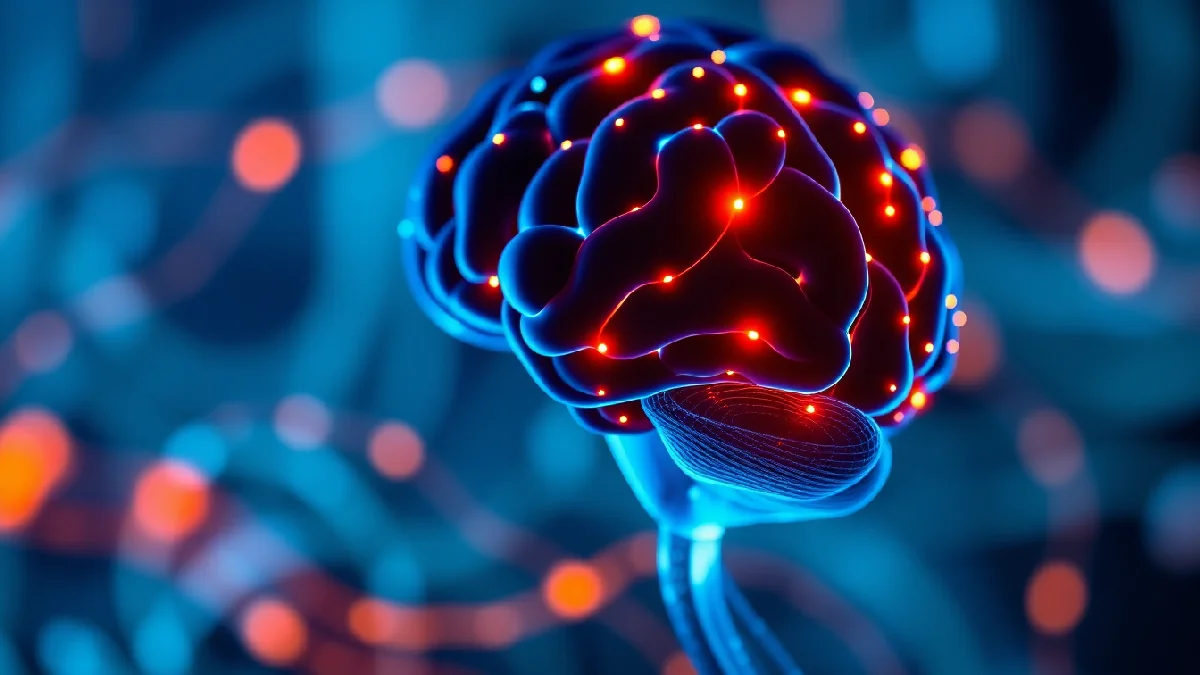
The human brain is a flexible and dynamic structure, while most conventional implants are rigid. This mechanical incompatibility causes tissue damage, scarring, and a gradual degradation of the recorded signal quality. Polyimide probes, the industry standard, are up to 10,000 times stiffer than brain tissue.
Axoft addresses this problem with Fleuron™, a proprietary ISO-10993 compliant material that mimics the mechanical properties of the brain. This exceptional flexibility drastically reduces scar tissue formation and limits electrode migration, two major obstacles for long-term implants.
The measured benefits are considerable:
- Signal attenuation reduced by over 60%, ensuring optimal neural data transmission
- Regional access increased eightfold, allowing exploration of deep brain areas previously inaccessible
- 32 times higher sensor density per wire, paving the way for cellular-resolution electrophysiology
This technical advance radically transforms the spectrum of possible clinical applications, from tumor mapping to restoring communication in patients with consciousness disorders.
A FINESSE Study Lays the Clinical Foundation
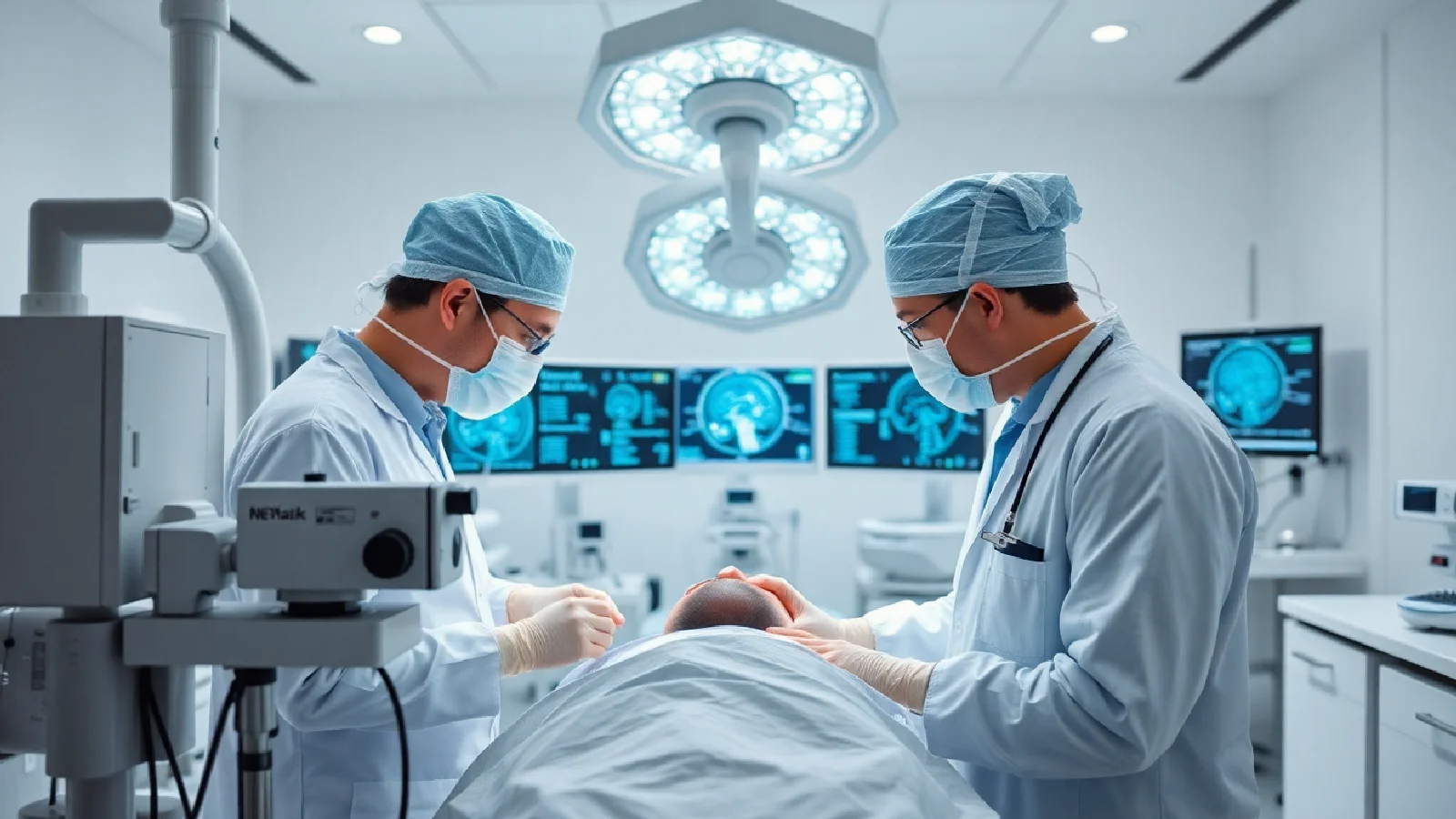
Launched in December 2024, the FINESSE study was conducted at remarkable speed: just two and a half years after Axoft's seed funding round. It aimed to demonstrate the ability of Fleuron probes to safely decode brain signals in humans.
The results, published in April 2025, are encouraging. Fleuron implants remained stable for 20 minutes and produced single-neuron resolution signals, without drift or degradation. To date, 11 patients have received a Fleuron iBCI at centers such as The Panama Clinic and Mass General Brigham.
“Axoft’s device has the potential to revolutionize how we collect neural data,” says Dr. Ricardo Bermúdez, lead neurosurgeon at The Panama Clinic and FINESSE study investigator.
These initial clinical cases have demonstrated high-quality data capture in various brain regions, including deep cortical and subcortical structures that are difficult to access. This ability to record stable signals across multiple brain areas opens up unprecedented possibilities for personalized treatment of neurological pathologies.
| Aspect of the FINESSE Study | Key Detail |
|---|---|
| Objective | Demonstrate safe decoding of brain signals in humans with Fleuron |
| Stability Duration | 20 minutes (stable implants without drift) |
| Patients Treated | 11 at major centers such as The Panama Clinic and Mass General Brigham |
| Data Quality | High quality, single-neuron resolution, cortical and subcortical regions |
Strategic Funding for Global Expansion
The Series A funding round, led by C.P. Group Innovation with participation from Alumni Ventures, Stanford President's Venture Fund, Hillhouse Investment, and Gaorong Ventures, brings Axoft's total funding to over $60 million. This financial support comes at a pivotal moment for the company, founded in 2021. According to official Axoft press releases, as reported by BioSpace and Las Vegas Sun News, the funding is strategic.
The funds will be allocated along three strategic axes. Firstly, the expansion of clinical trials to new sites worldwide, allowing for diversification of patient profiles and therapeutic applications. Secondly, the advancement of U.S. regulatory approvals, a crucial step for commercialization in the largest medical device market. Thirdly, the construction of a GMP-certified manufacturing facility in Boston, ensuring large-scale production compliant with pharmaceutical standards.
“At Axoft, the quality of neural data we unlock opens the door to minimally invasive surgery for iBCIs, enables whole-brain access, and fosters the next generation of AI-driven real-time decoding,” explains Dr. Paul Le Floch, co-founder and CEO of Axoft, as mentioned in this news article.
This manufacturing infrastructure will also make the Fleuron platform widely available to other industrial and academic organizations, thereby creating a research and development ecosystem around this breakthrough technology.
Multiple and Promising Clinical Applications
Axoft's brain-computer interfaces target a wide range of neurological pathologies. Initial clinical applications focus on several key areas.
Brain tumor mapping: Fleuron probes allow for precise delineation of functional areas to be preserved during complex neurosurgical interventions. Their ability to access deep structures with cellular resolution provides surgeons with detailed real-time mapping.
Epilepsy monitoring: The high sensor density allows for precise localization of epileptic foci, even in subcortical regions. This precision could significantly improve the outcomes of targeted surgical interventions.
Movement restoration: For paralyzed patients, Fleuron iBCIs could translate motor intent into commands for prosthetics or exoskeletons. The long-term signal stability, demonstrated for over a year in animal models, is essential for these applications.
Consciousness disorders: Patients suffering from locked-in syndrome or altered states of consciousness could regain a form of communication through high-resolution decoding of their brain signals.
This versatility positions Axoft as a transversal player in neurotechnology, capable of addressing various clinical needs with a unique technological platform. This approach contrasts with certain gene editing techniques like CRISPR, which target more specific pathologies.
Artificial Intelligence and Biomarkers: Towards Predictive Medicine
One of the major challenges for next-generation iBCIs lies in their ability to generate massive volumes of high-quality neural data. It is precisely in this area that Axoft relies on the integration of artificial intelligence to transform this data into clinically actionable information.
The exceptional sensor density of Fleuron probes generates cellular-resolution recordings across vast brain regions. This data feeds deep learning algorithms capable of detecting disease biomarkers previously invisible with conventional technologies.
AI-driven real-time decoding could identify electrical signatures preceding epileptic seizures, anticipate motor fluctuations in Parkinson's patients, or personalize deep brain stimulation protocols. This predictive approach transforms the therapeutic paradigm: moving from reactive treatment to preventive and personalized intervention.
The superior biocompatibility of Fleuron ensures the long-term stability necessary for collecting longitudinal data, essential for training robust AI models. This combination of bio-inspired hardware and advanced computational analysis is reminiscent of the innovative approach adopted in the field of BBB Shuttle platforms for rare neurological diseases, where technology facilitates the passage of targeted therapies to the central nervous system.
Minimally Invasive Surgery: Reducing Risks, Expanding Access
One of the major obstacles to the adoption of implantable brain-computer interfaces lies in the invasiveness of surgical procedures. Traditional rigid implants require extensive craniotomies and carry significant risks of postoperative complications.
The exceptional flexibility of the Fleuron material changes the game. Probes can be inserted through smaller incisions, reducing surgical trauma, operating time, and recovery duration. This minimally invasive approach also decreases the risks of infection and hemorrhagic complications.
For patients, this means expanded access to iBCI-based therapies. Interventions that were previously reserved for extreme cases, due to surgical risks, become feasible for a wider spectrum of patients suffering from moderate to severe neurological disorders.
This democratization of access to neurotechnologies could radically transform the management of debilitating chronic pathologies. A similar trend is observed in other areas of interventional neurology, such as the development of cochlear implants and brain stimulation techniques for severe tinnitus, where reduced invasiveness significantly expands the number of eligible patients.
An Ecosystem Under Construction Around Fleuron
Beyond developing its own clinical devices, Axoft adopts a strategy of opening its technological platform. Several industrial and academic organizations are already using Fleuron material for their own research and development projects.
This collaborative approach accelerates innovation in neurotechnologies by allowing the scientific community to explore new applications. Research laboratories benefit from access to a material whose properties have been clinically validated, thereby reducing the time and cost of developing new experimental protocols.
For Axoft, this strategy offers several advantages. It diversifies the sources of scientific validation for Fleuron material, strengthens the company's position as a technological leader in the sector, and creates a network of potential partners for future clinical or industrial collaborations.
The construction of the GMP-certified manufacturing facility in Boston will meet this growing demand while maintaining pharmaceutical quality standards. This infrastructure will position Axoft not only as a medical device developer but also as a supplier of advanced materials for the entire iBCI industry.
Outlook: From Research to Routine Clinical Practice
According to official Axoft announcements, the company's ambition extends far beyond exploratory research. The goal is to make Fleuron iBCIs a routine therapeutic option for patients suffering from neurological disorders.
Next steps include expanding clinical trials to new international sites, allowing for data collection on diverse populations and validating the device's efficacy in different clinical contexts. Obtaining U.S. regulatory approvals will be a major step towards commercialization (see additional details on Yahoo Finance and LinkedIn).
The ability to produce at scale via the Boston GMP facility will be crucial for transforming a promising innovation into an accessible solution. Industrial production will need to maintain the exceptional properties of Fleuron material while ensuring costs compatible with reimbursement by healthcare systems.
AI integration into the neural decoding process will evolve in parallel, with the development of increasingly sophisticated algorithms capable of extracting clinically relevant information from the massive data generated by high-density implants.
In the medium term, bio-inspired neurotechnologies could transform the management of pathologies previously difficult to treat, offering patients a significantly improved quality of life and clinicians diagnostic and therapeutic tools of unprecedented precision.
FAQ (JSON format - translate question and answer fields only):