Severe Tinnitus: Brain Stimulation and Cochlear Implants on the Horizon
For the 95% of patients suffering from chronic subjective tinnitus, the medical journey is often marked by the failure of conventional solutions. Behavioral therapies, medications, sound maskers: nothing works. These phantom whistles, hums, or crackles persist, impacting sleep, concentration, and quality of life. But since 2025, clinical research has converged on invasive solutions that directly target the brain circuits responsible for these parasitic auditory perceptions.
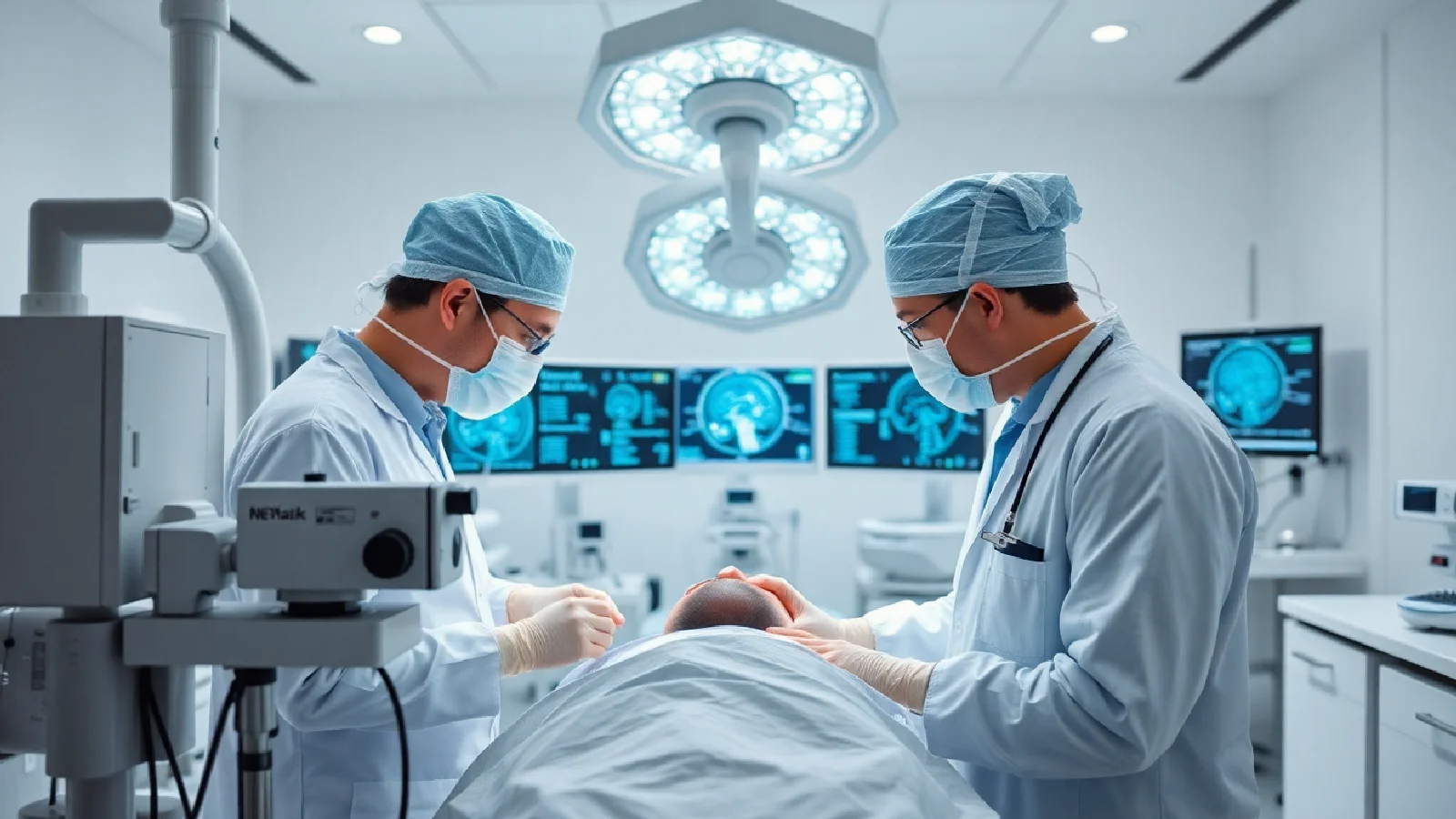
Deep brain stimulation (DBS), combined with the latest generation of cochlear implants, opens an unprecedented path for the most severe cases. Regulatory projects foresee an extension of these techniques as early as 2028, with progressive dissemination in specialized European and North American centers by 2036.
Deep Brain Stimulation: From Parkinson's to Tinnitus
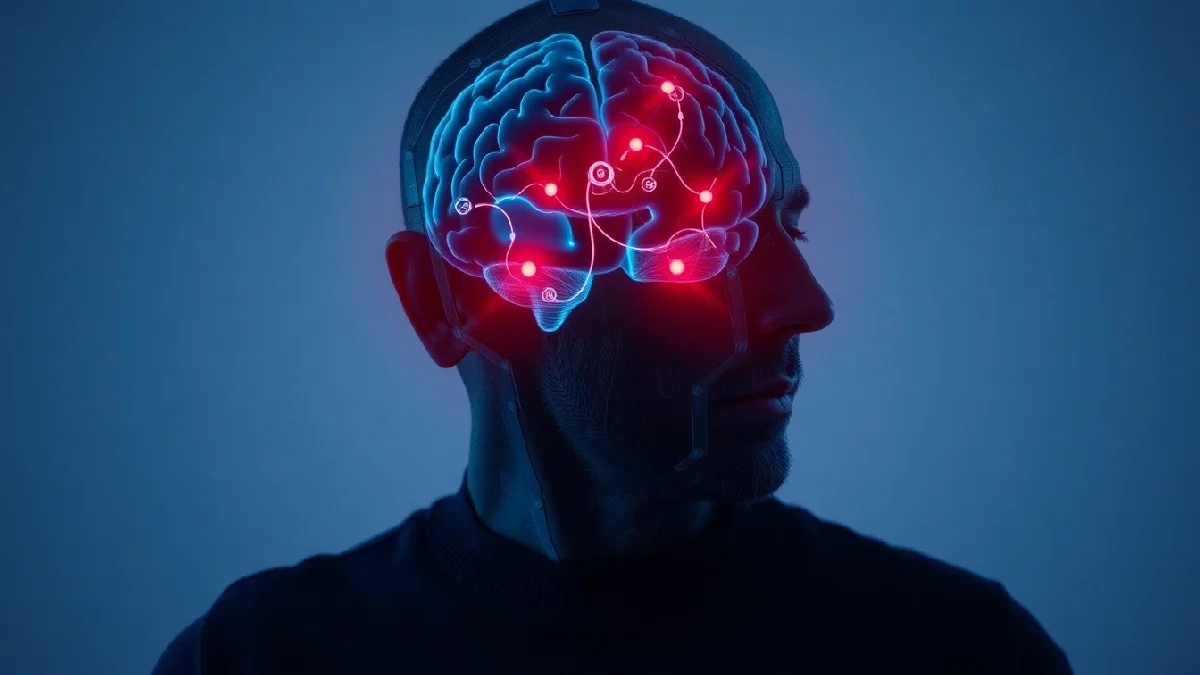
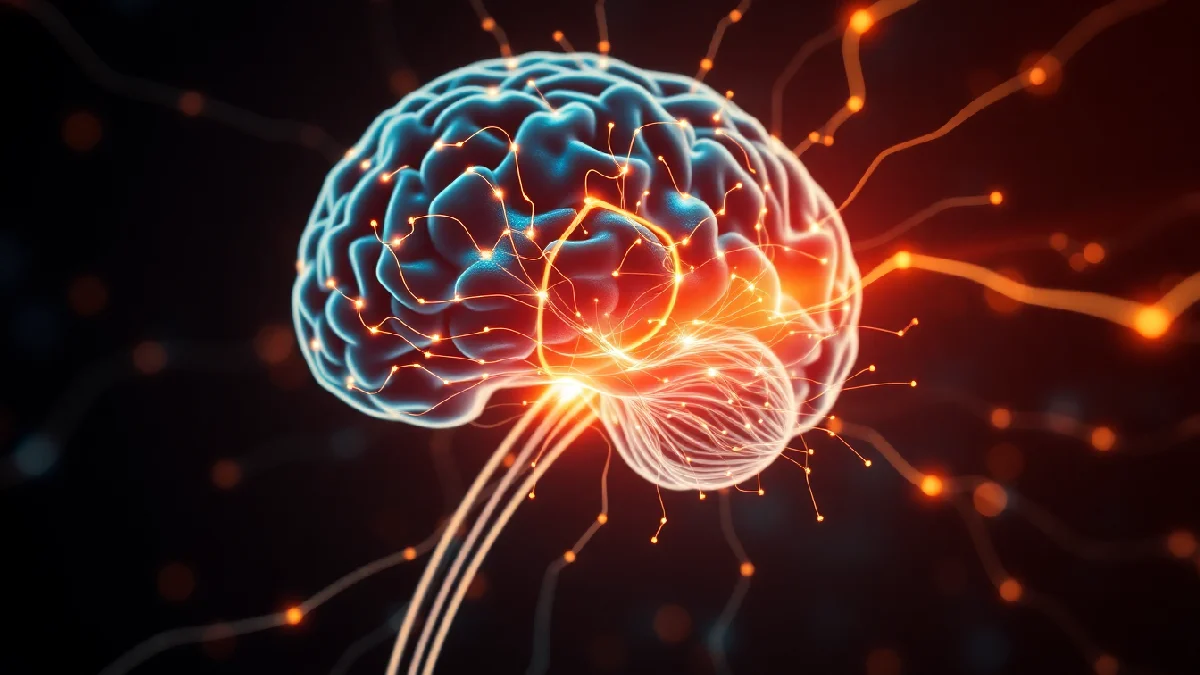
DBS is not new in itself. Used for decades to treat Parkinson's disease or resistant epilepsy, this technique relies on implanting electrodes in specific brain regions. Controlled electrical impulses modulate neuronal activity and alleviate symptoms.
However, its adaptation to severe tinnitus represents a recent and promising extension. Preliminary trials target three key areas:
- The dorsal cochlear nucleus, the first relay station for auditory information
- The auditory cortex, where sound perception is constructed
- The subgenual cingulate gyrus, involved in associated emotional distress
Initial results show response rates exceeding 50% in patients refractory to conventional treatments. Unlike non-invasive approaches, DBS acts directly on the dysfunctional neural networks that generate the phantom noise.
“Deep brain stimulation remains the only FDA-approved technique for resistant forms, and regulatory projects anticipate its extension to severe tinnitus indications as early as 2028.”
Directional Electrodes and Closed-Loop Systems
The effectiveness of DBS largely depends on targeting precision. New directional electrodes allow the electrical field to be oriented towards the targeted brain region, while sparing surrounding structures. The result: fewer side effects, better tolerance.
But the major innovation lies in closed-loop stimulation systems. These devices automatically adjust intensity based on neurophysiological signals captured in real-time. If abnormal neuronal activity intensifies, the stimulation adapts. This dynamic approach improves precision and reduces the risk of over-stimulation.
These technological advancements are directly inspired by progress in treating psychiatric disorders. As research on emerging depression treatments highlights, next-generation neuromodulation opens up prospects for many resistant pathologies, as detailed in this related article on quantum innovation.
| DBS Technology | Key Features | Benefits |
|---|---|---|
| Directional Electrodes | Precise orientation of the electrical field in the brain | Fewer side effects, better tolerance |
| Closed-Loop Systems | Automatic intensity adjustment in real-time | Improved precision, reduced risks |
Hybrid Cochlear Implants: Dual Action Against Phantom Noise
In parallel, manufacturers like MED-EL are developing hybrid devices integrating a classic cochlear implant and a subcutaneous DBS module. This combined approach offers a dual action:
1. Hearing restoration through electrical stimulation of the auditory nerve 2. Phantom noise suppression via modulation of hyperactive brain circuits
Initial clinical feedback published in 2025 shows a notable improvement in speech perception and a sustained reduction in the perceived volume of tinnitus. Patients regain the ability to follow conversations in noisy environments, while experiencing a significant reduction in daily auditory discomfort. The progress of cochlear implants in speech recognition is also discussed by some researchers, as mentioned by Audioinfos365.
These latest-generation implants also benefit from advances in biocompatibility. New materials limit inflammatory response and extend electrode lifespan, two major challenges met by CNRS teams, as discussed in this exploration of brain implants.
Optogenetics and Micro-Magnetic Stimulation: Towards Less Invasion?
Optogenetics, which uses light to control neuronal activity, and transcranial micro-magnetic stimulation promise less invasive alternatives. These techniques avoid surgery and target the same brain regions with increasing precision.
Deep transcranial magnetic stimulation has already demonstrated its effectiveness in treating obsessive-compulsive disorder (OCD) and could be adapted for tinnitus. However, for the most severe cases, DBS remains the benchmark for sustained efficacy.
These non-invasive approaches are particularly promising for patients who cannot undergo surgery or have contraindications. They complement the therapeutic arsenal and allow for increased personalization of protocols.
2028-2036 Outlook: Towards Gradual Dissemination
The anticipated regulatory extension in 2028 marks a turning point. The US FDA and the European Medicines Agency are expected to authorize DBS for refractory severe tinnitus, paving the way for reimbursed care in some countries.
By 2036, projections envision progressive integration into specialized university hospital centers. Integrated auditory rehabilitation, combining brain stimulation, implants, and psychological support, will become the standard for the most affected patients.
This transformation will be accompanied by a reduction in the psychosocial burden: less isolation, sleep disturbances, chronic anxiety. Patients will regain a social and professional life compatible with their aspirations, far from the daily exhaustion generated by permanent tinnitus.
However, these treatments will remain reserved for resistant forms. Patients with mild to moderate tinnitus will continue to primarily benefit from non-invasive approaches: cognitive-behavioral therapies, conventional hearing aids, or white noise generators.
Technical Challenges and Accessibility
Despite these advances, several obstacles persist. The cost of these interventions remains high, and few centers have the necessary expertise to implant and program these complex devices. Training medical teams, standardizing protocols, and long-term evaluation of results remain priorities.
Furthermore, patient selection is crucial. Not all severe tinnitus responds identically to DBS. Precise clinical criteria must be established to identify the best candidates and avoid unnecessary interventions.
Finally, the social acceptability of these invasive techniques still needs to be built. Brain surgery still raises legitimate apprehensions. Patient associations, information campaigns, and sharing positive experiences will play a decisive role in adherence to these new treatments.