Precision Medicine: BBB Shuttle Platforms and CNS Diseases
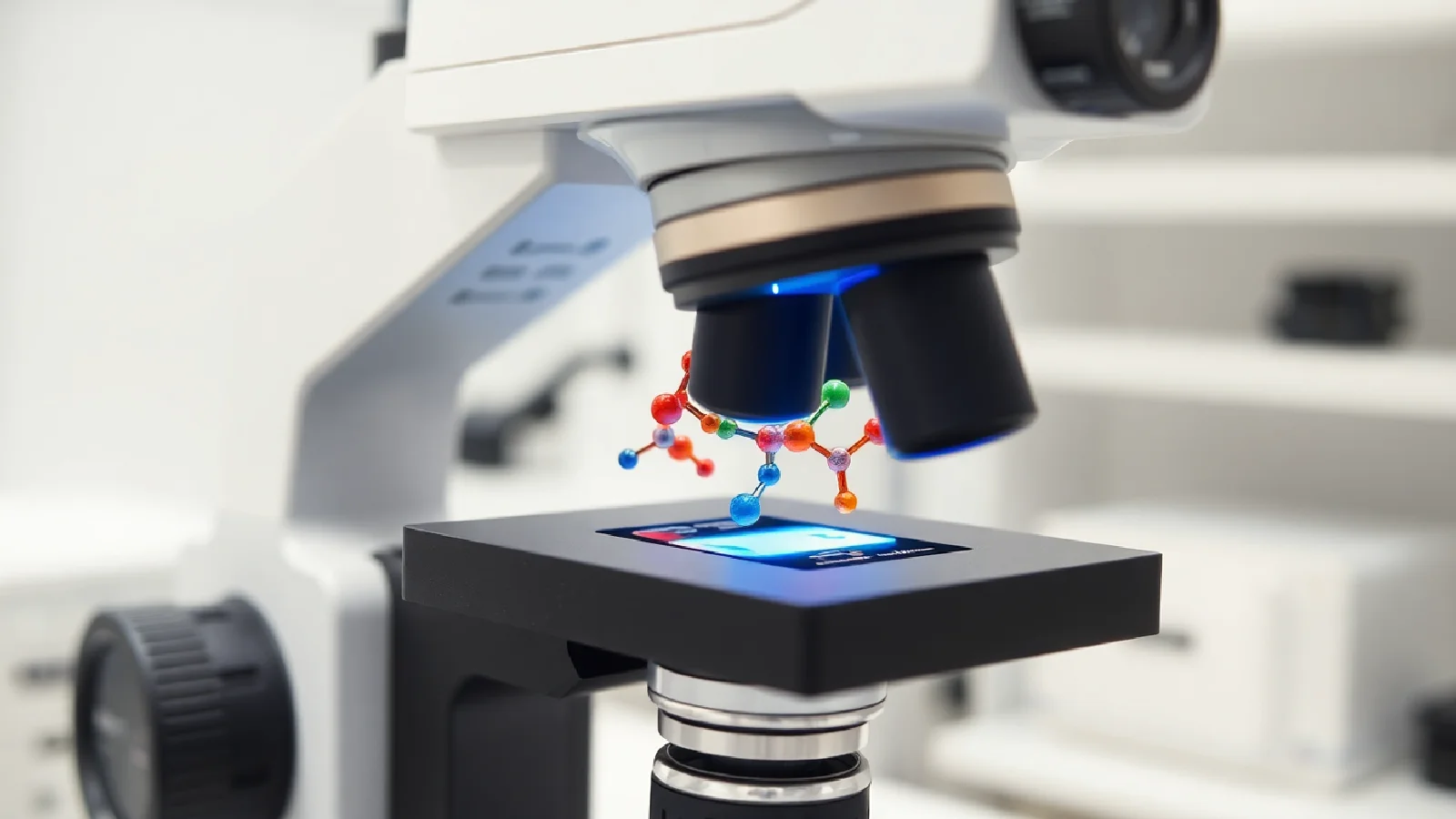
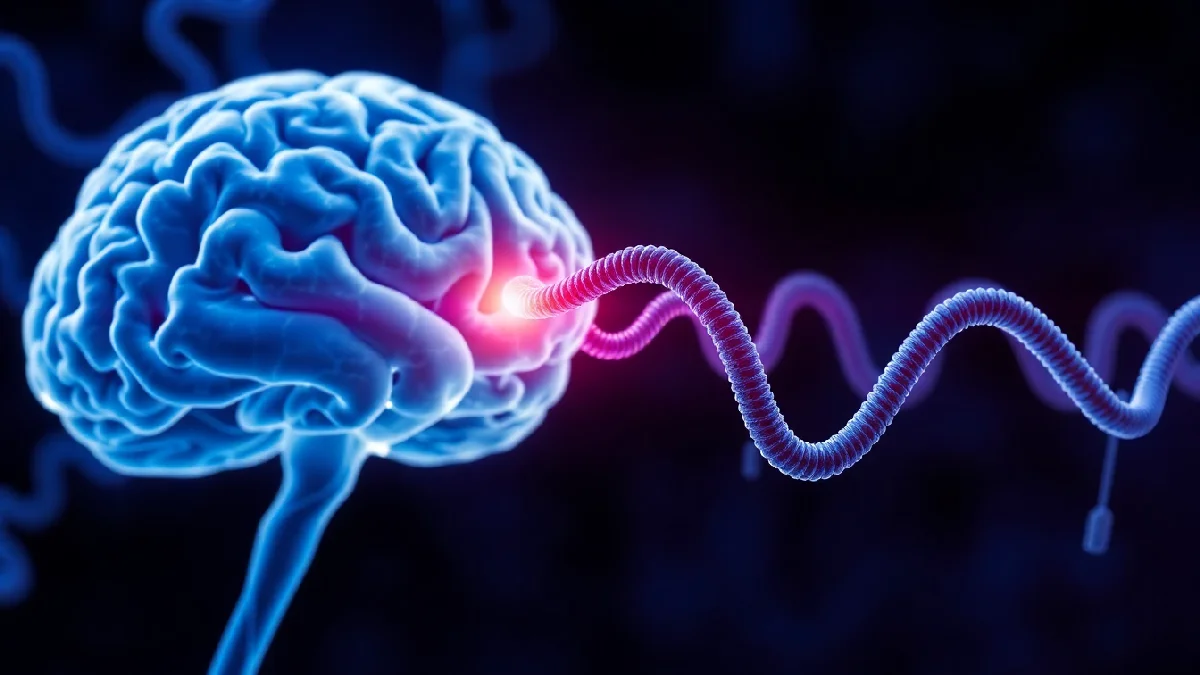
The blood-brain barrier (BBB) protects the brain from harmful substances, but it also prevents 98% of therapeutic molecules from reaching the central nervous system. For patients with rare neurological diseases, this biological fortress represents a major obstacle to any hope of effective treatment. Today, a new generation of BBB-shuttle platforms promises to radically change this situation by leveraging the brain's natural mechanisms to deliver precision therapies.
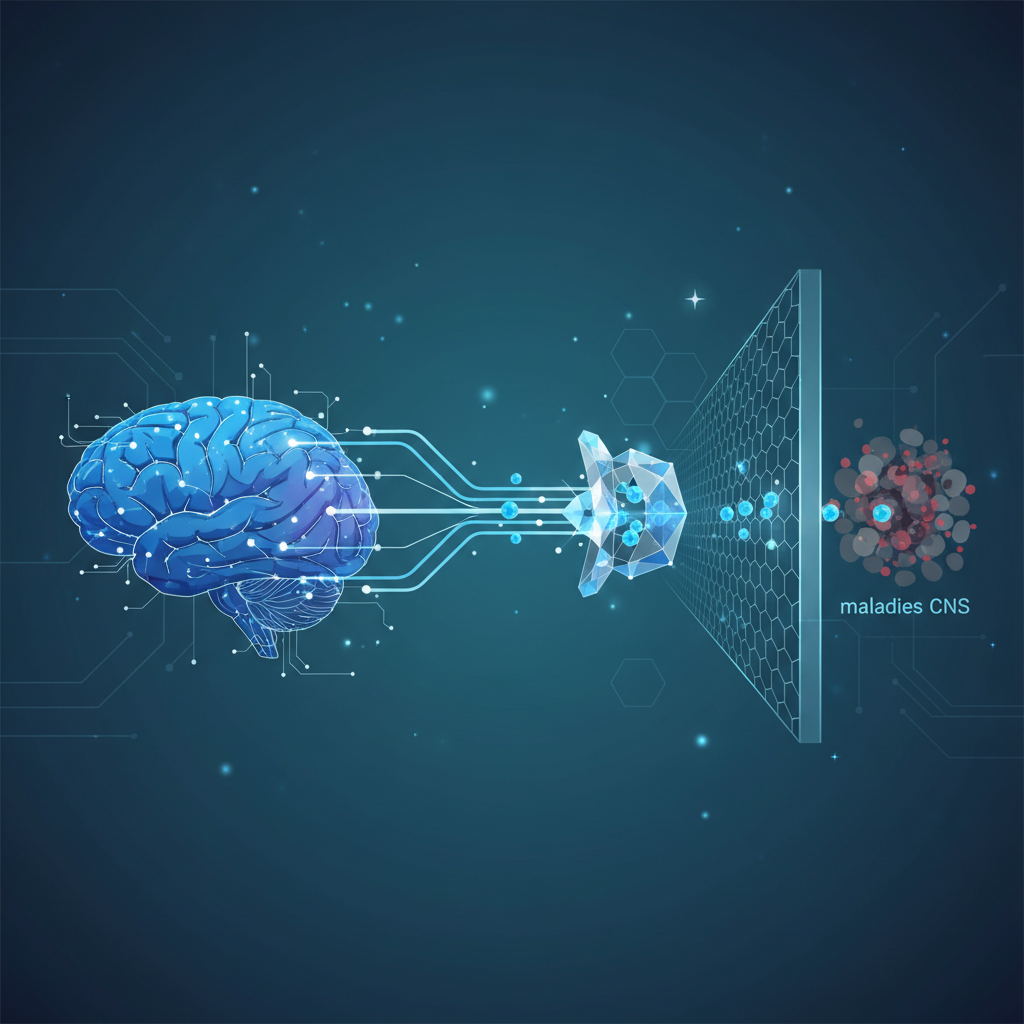
The Challenge of the Blood-Brain Barrier
The BBB is one of the biggest obstacles to central nervous system medicine. This highly selective interface, composed of tightly joined endothelial cells, rigorously filters the passage of substances between the bloodstream and brain tissue.
Large therapeutic molecules — monoclonal antibodies, enzyme replacement therapies, gene therapy vectors — systematically encounter this barrier. As a result, promising treatments developed for neurodegenerative diseases, leukodystrophies, or lysosomal neuropathies remain ineffective due to lack of access to their target.
Traditional invasive approaches, such as direct injection into the cerebrospinal fluid or temporary BBB opening by low-intensity pulsed ultrasound, have significant limitations in terms of safety, reproducibility, and homogeneous distribution within the brain.
Transcytosis: Hijacking the Brain's Natural Entryways
BBB-shuttle platforms exploit a sophisticated physiological mechanism: receptor-mediated transcytosis. The brain naturally possesses transport systems to bring in essential nutrients — iron via the transferrin receptor, glucose via insulin, or certain proteins via other specific receptors.
The ingenious idea is to conjugate a therapeutic molecule to a peptide or antibody capable of binding to one of these receptors. The composite molecule is then “escorted” across the barrier according to the following process:
- Binding of the shuttle to the receptor on the blood side of the BBB
- Internalization into an intracellular vesicle
- Transport across the endothelial cell
- Release into the brain parenchyma
This non-invasive strategy allows for increased brain penetration while preserving the integrity of the barrier. Unlike destructive approaches, it respects the protective functions of the BBB.
| Process Step | Key Action | Result |
|---|---|---|
| 1. Binding | Shuttle binds to receptor on BBB | Anchoring to natural transport system |
| 2. Internalization | Molecule encapsulated in a vesicle | Passage through endothelium |
| 3. Transport | Movement across the endothelial cell | Movement beyond the barrier |
| 4. Release | Molecule released into the brain | Therapy access to cerebral parenchyma |
ImmunoForge and the LMT15 Platform: A Modular Approach
ImmunoForge is positioned among the innovative players in this field with its LMT15 platform, designed to conjugate different types of therapeutic cargo to specific shuttle peptides. This modular approach offers several decisive advantages.
The technology allows for the attachment of therapeutic antibodies, enzyme replacement therapies, or even gene therapy vectors (AAV) to the transport system. This flexibility opens up prospects for a wide range of central nervous system pathologies (CNSF Congress Program), from rare monogenic diseases to more widespread neurodegenerative conditions (Advances in neurodevelopmental and neurodegenerative disorders).
The ability to transport large molecules across the blood-brain barrier represents a major breakthrough for precision medicine applied to neurological diseases.
Preclinical data suggest that these systems not only allow for effective BBB crossing but also homogeneous distribution in affected brain regions. This balanced diffusion is crucial for treating pathologies that affect multiple areas of the brain.
Another substantial benefit lies in the reduction of required doses. By specifically targeting the brain, shuttle platforms avoid systemic dilution and undesirable peripheral effects, allowing for the use of much lower therapeutic quantities than those needed with conventional approaches.
Clinical Applications: Targeting Rare Neurological Diseases
Rare neurological diseases, often genetic in origin, represent the most promising therapeutic targets for these technologies. Leukodystrophies, these hereditary myelin disorders, could benefit from the targeted delivery of corrective enzymes or gene vectors capable of restoring failing cellular function.
Lysosomal neuropathies, such as Gaucher or Pompe diseases with neurological involvement, constitute another major area of application. These pathologies result from enzymatic deficiencies that lead to the accumulation of toxic substrates in neurons. Enzyme replacement therapy, conjugated to a BBB shuttle, could finally reach the affected brain cells.
Monogenic neurodegenerative disorders — certain early forms of Alzheimer's, Huntington's disease, or some hereditary ataxias — could also benefit from these systems to deliver anti-sense therapies, gene silencers, or antibodies targeting pathological proteins.
The connection with immunotherapy is also emerging: immunomodulatory antibodies could be delivered to the brain to treat neuro-inflammatory or autoimmune conditions of the central nervous system.
Technical Challenges and Regulatory Perspectives
Despite their potential, BBB-shuttle platforms still need to overcome several obstacles before reaching routine clinical practice.
Targeting specificity remains a major challenge. The receptors exploited for transcytosis are also present on other peripheral cell types. Minimizing absorption by these non-targeted tissues while maximizing brain delivery requires fine optimization of pharmacokinetic properties.
Conjugate stability represents another technical challenge. The link between the therapeutic cargo and the shuttle peptide must withstand blood circulation, allow transcytosis, and then ideally dissociate once in the brain to release the active molecule. This delicate balance requires sophisticated conjugation chemistry.
From a regulatory perspective, these complex biotherapies raise unprecedented questions. Health agencies must establish adapted evaluation frameworks, integrating the characterization of the shuttle, the cargo, and the conjugate as a whole. Efficacy and safety criteria must be redefined for these new therapeutic modalities.
Development and production costs also represent a limiting factor, particularly for ultra-rare diseases affecting a few hundred patients worldwide. Economic models will need to evolve to ensure access to these innovative therapies.
Convergence with Precision Biotechnologies
The emergence of BBB-shuttle platforms is part of a broader transformation of medicine towards a molecular precision approach. Integration with other cutting-edge technologies promises to amplify their impact.
Protein structural prediction, notably through tools like AlphaFold 3, could accelerate the rational design of new shuttle peptides optimized to interact with specific BBB receptors.
Artificial intelligence applied to pharmacology now allows for modeling the complex pharmacokinetics of these conjugates, predicting their cerebral distribution, and optimizing dosing regimens even before preclinical trials.
The combination with gene therapy approaches opens particularly fascinating prospects. AAV vectors equipped with BBB shuttles could deliver therapeutic genes directly to affected neurons (implantable electrodes based on resorbable biomaterials), transforming currently incurable diseases into potentially curable conditions with a single administration.
Advanced biotechnological tools developed in other research areas also find applications in the study and optimization of these cerebral delivery systems (Université du Québec à Montréal - Archipel UQAM).
Towards a New Era of Neurotherapy
BBB-shuttle platforms embody a profound change in our ability to treat central nervous system diseases. By transforming the blood-brain barrier from an insurmountable obstacle into a controlled gateway, they open therapeutic access to the most complex and best-protected organ in the human body.
The coming years will be decisive. The first ongoing clinical trials will provide crucial data on real-world efficacy and safety in humans. The results obtained with ImmunoForge's LMT15 platform and other similar technologies will determine the pace of adoption of these approaches.
For patients with rare neurological diseases who currently have no therapeutic options, these advances represent much more than scientific progress. They embody the concrete hope for targeted, safer, and potentially curative treatments, capable of modifying the natural course of pathologies previously considered incurable.
The alliance between a deep understanding of BBB biological mechanisms, sophisticated molecular engineering, and precision medicine outlines the contours of a neurotherapy finally capable of meeting the challenges posed by the complexity of the human brain.