Curing Paraplegia: Revolutionary Advances in 2025
The year 2025 marks a historic turning point in the fight against paraplegia. After decades of research, several revolutionary approaches are converging towards a single goal: enabling paralyzed individuals to regain the use of their legs. These scientific advancements, resulting from prestigious international collaborations, are redefining the limits of modern medicine and offering concrete hope to millions of patients worldwide.
Spinal cord injuries affect approximately 250,000 to 500,000 people each year, according to the World Health Organization. Until recently, these injuries were considered definitive. Today, the convergence of three scientific fields – neurotechnology, regenerative medicine, and advanced pharmacology – opens up unprecedented possibilities.
The Revolution of Brain-Spine Interfaces
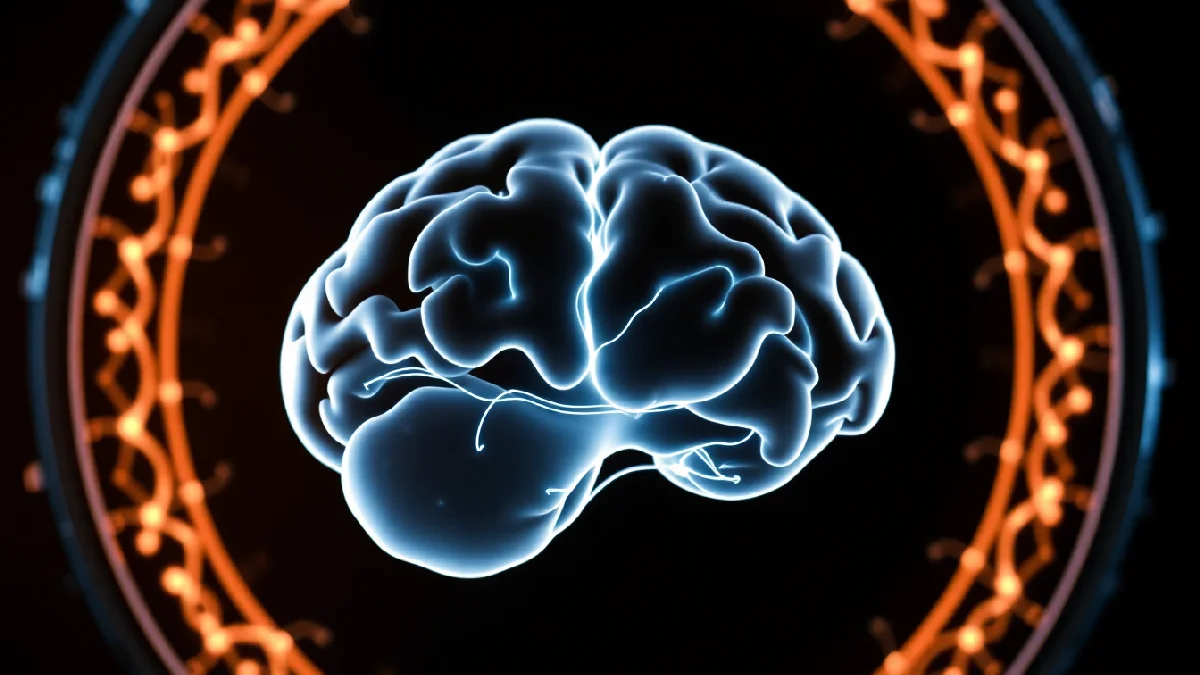
The most spectacular breakthrough comes from the Franco-Swiss team led by Grégoire Courtine and Jocelyne Bloch. Their revolutionary system combines two complementary technologies: an implant that reads brain activity and electrodes that directly stimulate the spinal cord.
Gert-Jan, a 40-year-old Dutchman paralyzed after a bicycle accident, perfectly illustrates this revolution. Thanks to this revolutionary neurotechnology developed at UNIL, he can now walk naturally, climb stairs, and even navigate varied terrain. This technology has also enabled quadriplegic patients to walk again (source).
"I have regained my freedom. Initially, I couldn't put one foot in front of the other; now I can control my walking with my thoughts."
The principle relies on decoding brain signals in real-time. The implant captures the patient's movement intentions, while spinal electrodes reproduce the electrical signals necessary for locomotion. This revolutionary approach allows for unprecedented functional recovery.
| Interface Component | Function | Benefit |
|---|---|---|
| Brain implant | Reads brain activity | Decodes movement intentions |
| Spinal electrodes | Stimulate the spinal cord | Reproduce locomotion signals |
Spinal Stimulation: When Technology Awakens Dormant Circuits
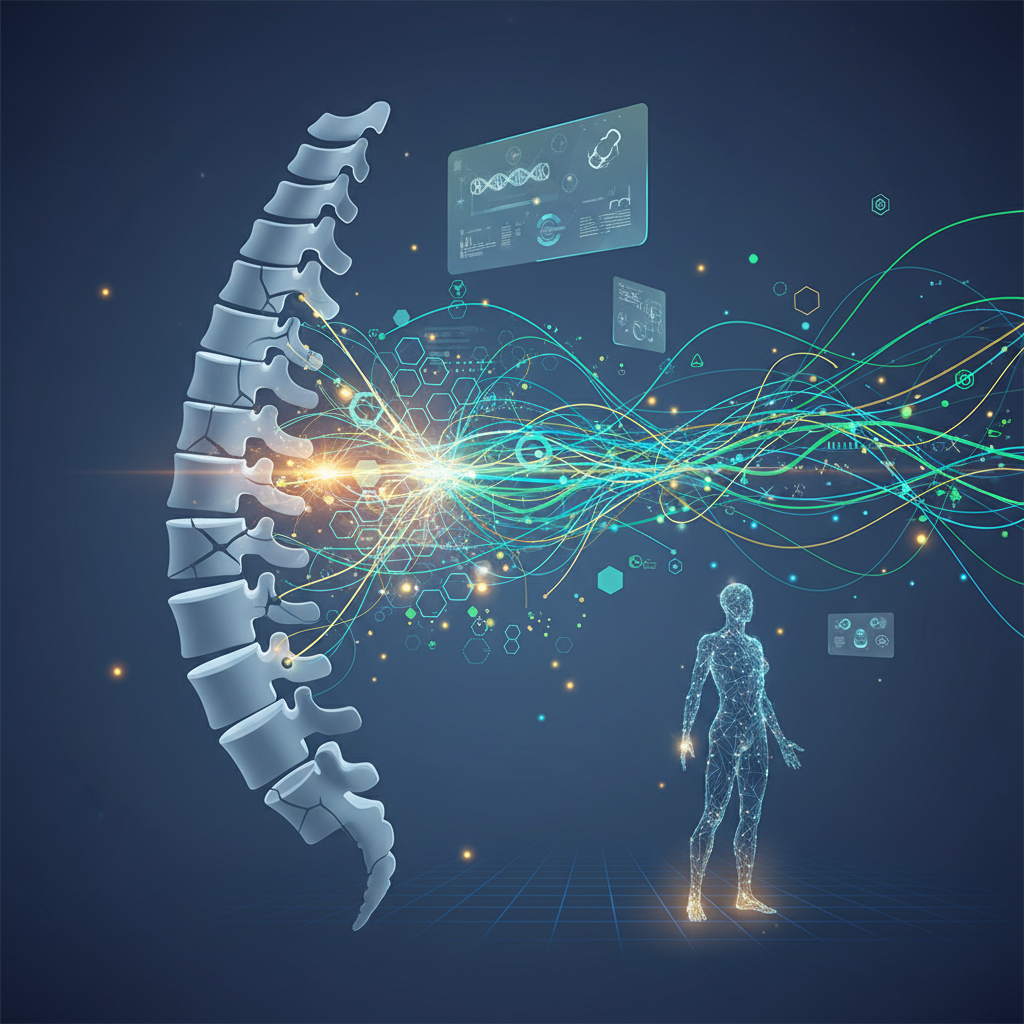
Electrical stimulation of the spinal cord represents another promising approach. Recent studies show that chronically paralyzed patients can regain the ability to walk thanks to wireless spinal stimulators delivering precisely timed electrical impulses.
This technology leverages residual neuronal plasticity. After several months of training, some patients can even initiate leg movements and maintain partial motor control when stimulation is interrupted, suggesting lasting neuroplastic changes.
The results are encouraging:- Partial restoration of walking in 70% of treated patients
- Significant improvement in quality of life
- Progressive recovery of certain autonomous functions
Cell Therapies: Regenerating What Seemed Lost
Regenerative medicine offers a complementary and promising approach. For the first time in 2025, a stem cell-based therapy has been authorized for clinical trials in the United States and China. This revolutionary approach aims to restore motor functions by directly repairing damaged tissues.
Stem cells are delivered via a biocompatible scaffold that releases electrical signals to encourage differentiation and integration into damaged spinal tissues. Although initial animal clinical trials showed modest functional gains, continuous optimization with rehabilitation suggests promising results.
Tel Aviv University has also developed human spinal cord implants using regenerated tissues, representing a major advance in regenerative medicine.
Revolutionary Pharmacology: A Drug That Restores Locomotion
Pharmacological approach constitutes the third pillar of this therapeutic revolution. Researchers at Northwestern University have developed an innovative pharmacological agent which, tested in mice, promotes spinal cord cell regeneration and restores locomotion in just one month.
This experimental drug works by stimulating axon growth and promoting the formation of new neural connections. Preclinical results are so encouraging that researchers plan to move to human clinical trials in the coming months.
This approach has the advantage of being less invasive than implants, while offering significant potential for functional recovery. It could particularly benefit patients with incomplete lesions.
Therapeutic Convergence: Towards a Multimodal Approach
The future of paraplegia treatment likely lies in combining these different approaches. Brain-machine interfaces can be coupled with cell therapies to maximize functional recovery, while pharmacological treatments can optimize the neural environment to promote regeneration.
Research progress shows that this multimodal approach could revolutionize the prognosis for spinal cord injuries. This therapeutic convergence is part of a broader approach to personalized medicine, where each treatment is tailored to the patient's specific profile.
Ongoing clinical trials include protocols combining spinal stimulation and cell therapy, with encouraging preliminary results. This therapeutic synergy could significantly accelerate recovery times.
Challenges and Future Prospects
Despite these remarkable advances, several challenges remain. The development and implementation costs of these technologies remain high, limiting their accessibility. The selection of patients for different approaches also requires precise criteria and a thorough multidisciplinary evaluation.
Optimizing rehabilitation protocols associated with these new technologies is a major challenge. Functional recovery depends not only on technological innovation but also on therapeutic support and patient motivation.
Regulatory and ethical questions also raise legitimate concerns. The supervision of clinical trials and the validation of long-term efficacy remain crucial steps before these treatments can become widespread.
Conclusion
The scientific advances of 2025 in the treatment of paraplegia mark a historic break with traditional palliative approaches. The convergence of neurotechnology, regenerative medicine, and advanced pharmacology opens up unprecedented prospects for millions of patients worldwide.
These discoveries are part of a broader dynamic of revolutionary research against diseases, where technological innovation constantly pushes the boundaries of what is possible. While many challenges remain, hope is now tangible: paralysis is no longer a definitive fate but a medical challenge on the verge of being resolved.
2025 could well be the year humanity takes a decisive step in the fight against spinal cord injuries, forever transforming the destiny of paralyzed individuals.