Microplastics: Beyond the Oceans, the Food Threat
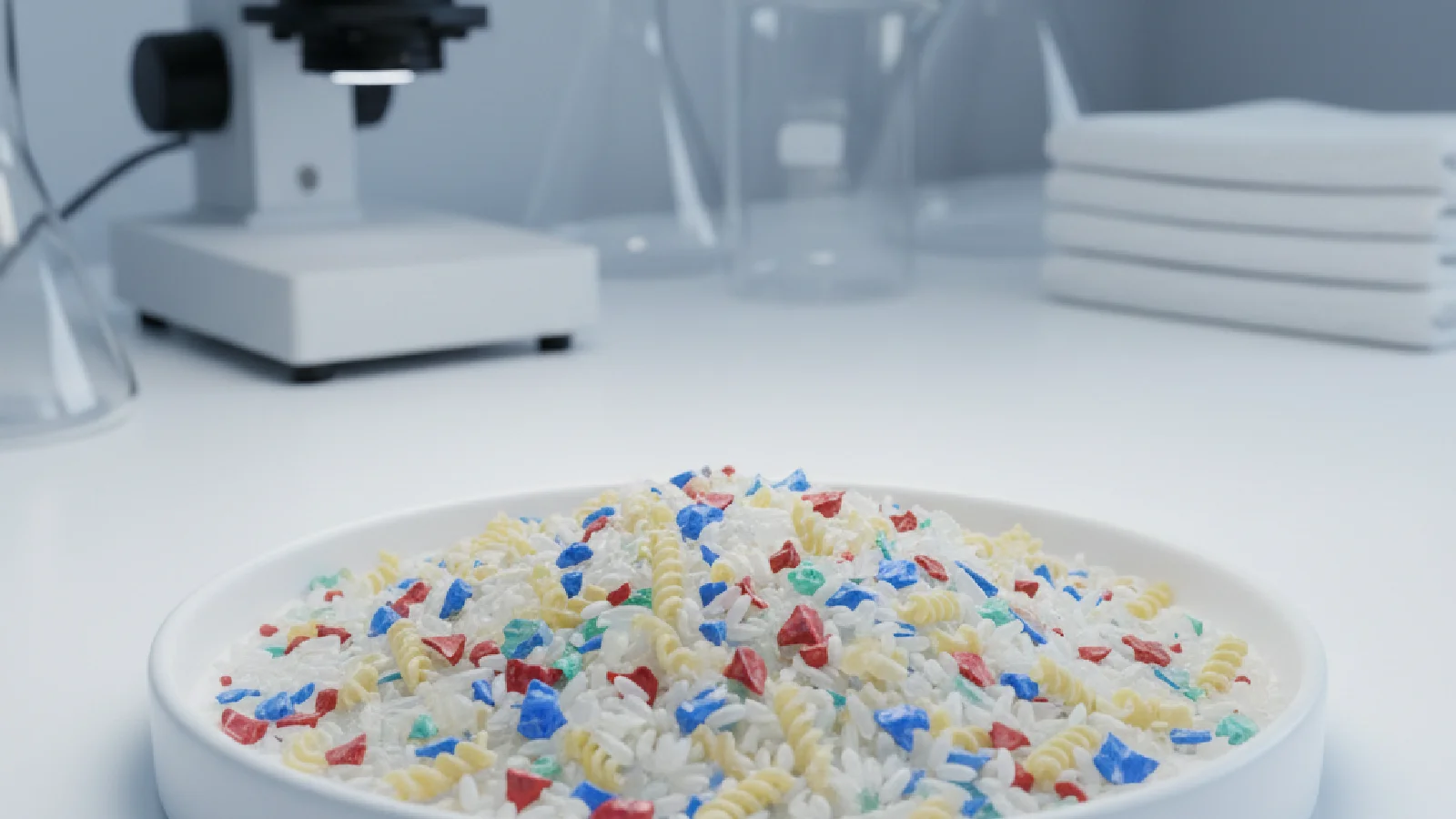
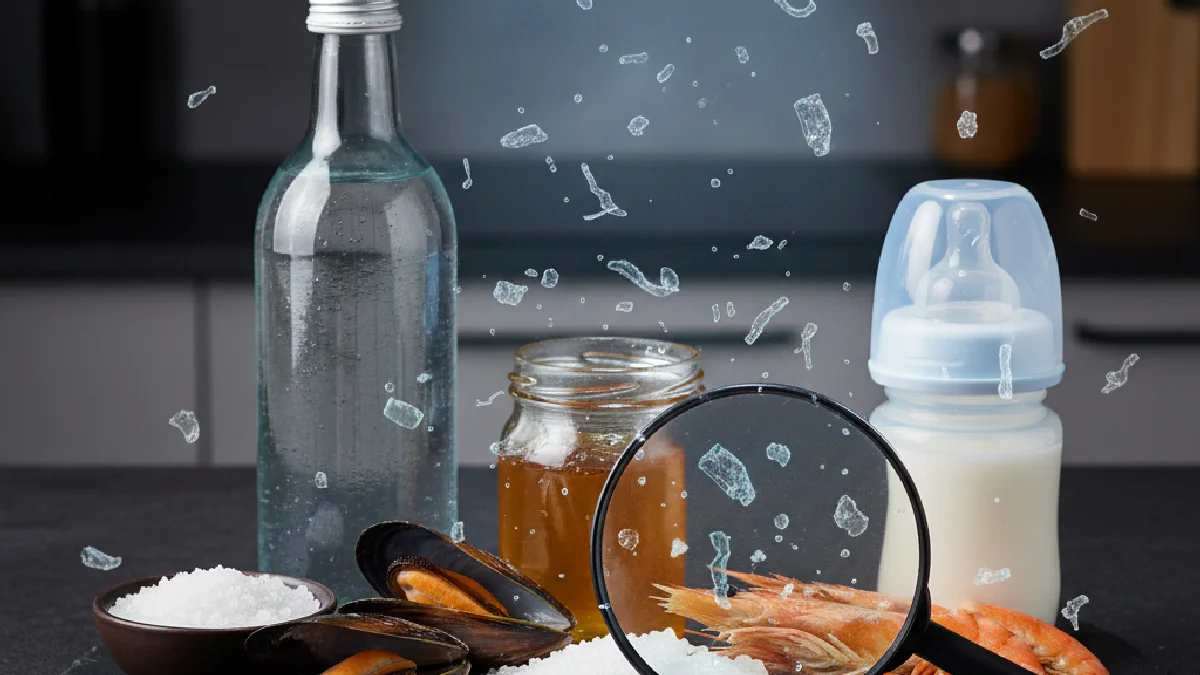
We consume microplastics every day without knowing it. These particles, invisible to the naked eye, contaminate not only the oceans but also a wide range of daily foods: table salt, seafood, bottled water, honey, and even breast milk. This silent contamination's health consequences are only just beginning to be documented by scientific research.
Microplastics – fragments smaller than 5 mm – and nanoplastics – particles less than 20 micrometers – are now crossing the most protective physiological barriers of our bodies. Recent studies reveal considerable daily exposure, raising urgent questions about the long-term repercussions for human health.
Widespread Contamination of the Food Chain
Plastic pollution is no longer limited to shocking images of waste floating in the oceans. It has infiltrated our entire food system, from agricultural soils to our plates.
Seafood is the most documented vector of this contamination. Mollusks and crustaceans, which are consumed whole with their digestive systems, particularly accumulate these particles. Sea salt, bottled water, beer, sugar, and even honey have all revealed the presence of microplastics during laboratory analyses.
According to compiled scientific data, each person inhales nearly 68,000 microplastic particles daily, originating from both food and ambient air. This widespread microplastic exposure represents a major challenge for global health agencies.
Environmental contamination is the primary source of these particles in our food. Plastics degrade under the effect of sun, waves, and time, fragmenting into increasingly smaller particles that persist in the environment for decades. Agricultural soils, often more contaminated than marine environments, also contribute to exposure via vegetable and cereal crops.
Particles Capable of Crossing Our Biological Barriers
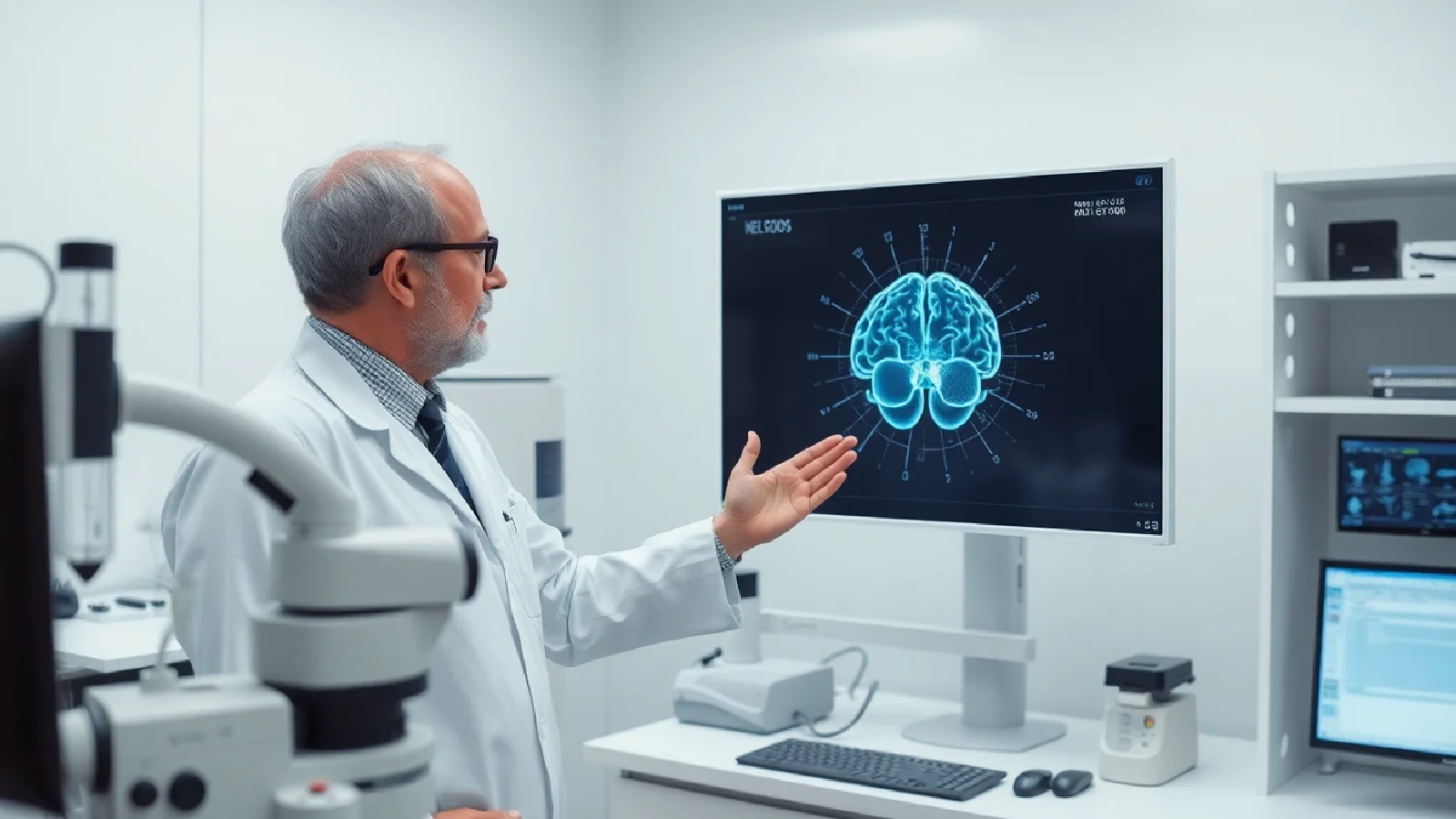
What particularly concerns researchers is the ability of nanoplastics – the smallest particles – to cross the physiological barriers that normally protect our vital organs.
Experimental studies on animal models have shown that these particles can cross:
- The intestinal barrier, allowing their passage into the bloodstream
- The blood-brain barrier, which usually protects the brain from toxic substances
- The placental barrier, potentially exposing the developing fetus
In mice, chronic exposure to microplastics led to decreased fertility, intrauterine growth retardation, and neurodevelopmental deficits. These results, although preliminary and not directly transposable to humans, raise legitimate questions about the potential effects of prolonged exposure.
The small size of nanoplastics allows them to accumulate in tissues. Particles have been detected in various human organs during post-mortem analyses, confirming their ability to migrate beyond the digestive system.
“Microplastics are now ubiquitous in our environment, and their presence in the human food chain raises major health concerns that require in-depth research.”
Cardiovascular and Neurodegenerative Risks: Emerging Leads
Scientific publications from 2024 and 2025 outline a worrying, though not definitive, picture of the health risks associated with chronic microplastic ingestion.
Several studies suggest a potential association between microplastic exposure and an increased risk of cardiovascular diseases. The mechanisms evoked include inflammatory processes triggered by the presence of these particles in vascular tissues.

Recent research also explores a possible link with neurodegenerative disorders, particularly Alzheimer's disease. The hypothesis is based on the ability of nanoplastics to cross the blood-brain barrier and potentially interfere with brain functions.
The toxicity of microplastics does not solely come from the polymer itself. These particles act as vectors for other contaminants: chemical additives used in plastic manufacturing (phthalates, bisphenols) and hydrophobic environmental pollutants that adsorb to their surface. This combination of multiple exposures significantly complicates risk assessment.
However, the scientific community remains cautious: large-scale epidemiological evidence remains limited, and the actual harmfulness of these particles in humans still needs to be established with certainty.
Methodological Challenges of Detection and Evaluation
One of the major obstacles in understanding the health risks associated with microplastics lies in the methodological difficulties in quantifying and characterizing these particles, especially the smallest ones.
| Particles | Current Detection | Impact |
|---|---|---|
| Nanoplastics | Difficult (outside standard methods) | Underestimation of actual exposure |
| Microplastics | Standard methods (above 20 µm) | More accessible data |
Nanoplastics, which represent about 98% of particles found in bottled water according to some analyses, largely escape standard detection methods. The European procedure adopted in 2024 (decision 2024/1441) does not even target particles smaller than 20 micrometers, illustrating this discrepancy between current analytical capabilities and the reality of exposure.
This technical limitation has direct consequences for risk assessment. Without the ability to precisely measure the quantity and nature of ingested microplastics, it is difficult to establish safety thresholds or sound health recommendations.
The US FDA emphasizes that currently observed levels do not demonstrate a proven health risk, but acknowledges actively monitoring the situation. This position reflects persistent scientific uncertainty: absence of proof does not equate to proof of absence of danger.
The heterogeneity of plastics also complicates analysis. There are hundreds of different polymers, each with its own chemical additives. Toxic effects can vary considerably depending on the composition, size, and shape of the particles. To delve deeper into the complexity of evaluation, explore this related article on R&D in the medical field.
Between Regulatory Vigilance and Research Needs
Faced with this emerging threat, health authorities are adopting an approach of active surveillance rather than strict regulation, due to a lack of sufficiently robust data to establish standards.
Regulatory agencies, including the FDA and European bodies, have included microplastics in their health monitoring programs. They are considering protective measures if new data confirm proven toxicity in the short or medium term.
Scientific research is intensifying on several fronts: development of more sensitive analytical methods, large-scale epidemiological studies to document health effects in humans, and investigation of biological toxicity mechanisms.
French experts, such as those from the Food Chain Surveillance Platform, insist on the need for a global approach integrating the entire life cycle of plastics, from their production to their environmental degradation.
In parallel, initiatives are emerging to reduce contamination at the source: progressive banning of intentionally added microplastics in cosmetics, promotion of alternatives to plastic packaging, and improved wastewater treatment to capture these particles.
The issue of contamination of complex biological systems by these emerging pollutants reminds us that our technological advancements sometimes generate unforeseen consequences requiring constant scientific vigilance.
Prevention Measures Despite Uncertainty
While awaiting more definitive data, certain precautionary measures can limit individual exposure to microplastics, without being able to eliminate it completely, as contamination has become systemic.
Prioritizing glass or stainless steel containers over plastic, especially for hot beverages which promote particle release, is a first approach. Avoiding heating food in plastic packaging in the microwave also limits exposure.
Consuming filtered tap water, rather than bottled water, can reduce microplastic ingestion, although municipal water systems are not entirely free of contamination. Choosing local and minimally processed food products reduces exposure to multiple packaging.
However, these individual actions remain limited in the face of diffuse environmental pollution. Only a collective response – drastic reduction in plastic production, improved recycling, innovation in alternative materials – will contain this growing contamination.
The emergence of microplastics as a food contaminant illustrates the complexity of contemporary health challenges. Between still fragmented data and the precautionary principle, science is progressing step by step to assess the true extent of this invisible threat that now appears daily on our plates.
The coming years will be crucial to understand whether we are facing a major health crisis or a manageable risk. What this issue already reveals is the deep interconnection between environmental health and human health, reminding us that protecting our ecosystems fundamentally means protecting ourselves.