Commercial Space Tourism: The Era of Suborbital Flights
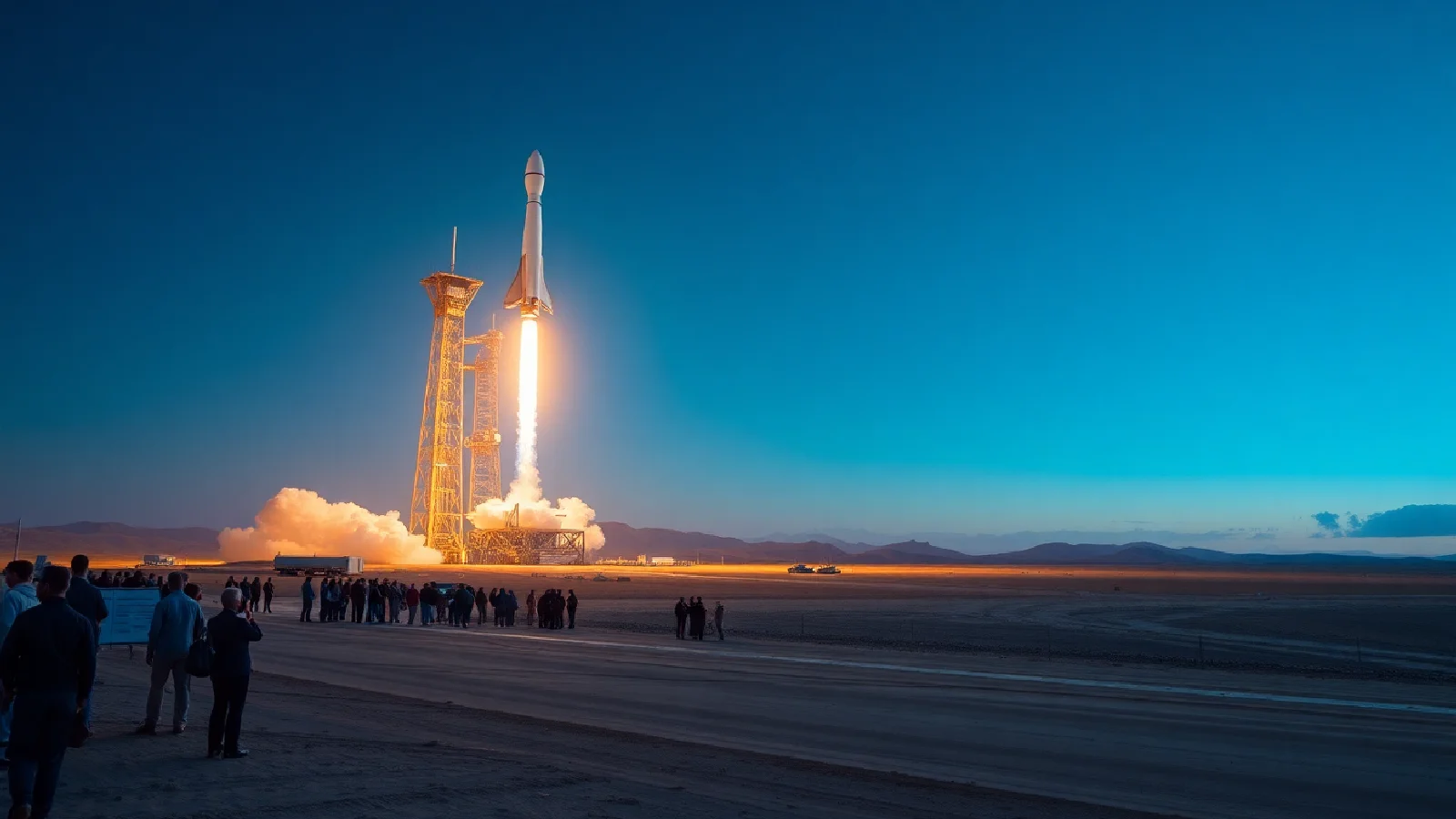
On July 11, 2021, Richard Branson floated in zero gravity more than 80 kilometers above Earth, marking the official entry of commercial space tourism into a new era. This historic first by Virgin Galactic inaugurated the transition from a science fiction dream to an accessible reality, at least for affluent clientele.
While early space tourists paid tens of millions of dollars for a few days in orbit, suborbital flights are now redefining the economic and technical equation of space access. This quiet revolution is gradually transforming the landscape of space travel, paving the way for a gradual democratization of this ultimate experience.

The Rise of Commercial Suborbital Flights
A suborbital flight involves a trajectory that propels a vehicle beyond the dense atmosphere without reaching the orbital velocity required to complete a full orbit around Earth. Unlike orbital missions which require a speed of approximately 28,000 km/h, suborbital flights only need a few thousand kilometers per hour depending on the target altitude.
This fundamental technical difference explains the considerable economic advantage of suborbital missions. Blue Origin offers its ten-minute flights for about $250,000, while Virgin Galactic charges around $450,000 for its ninety-minute experiences. These prices, though high, are significantly lower than the tens of millions of dollars demanded for the first orbital flights.
The experience offered to passengers combines several minutes of weightlessness and a spectacular view of Earth's curvature from space. These unique moments justify the growing enthusiasm of a global clientele seeking extreme and exclusive experiences.
Major Players and Their Strategies
Three companies currently dominate the suborbital tourism market with distinct technological approaches:
- Blue Origin relies on its New Shepard capsule and a parachute recovery system.
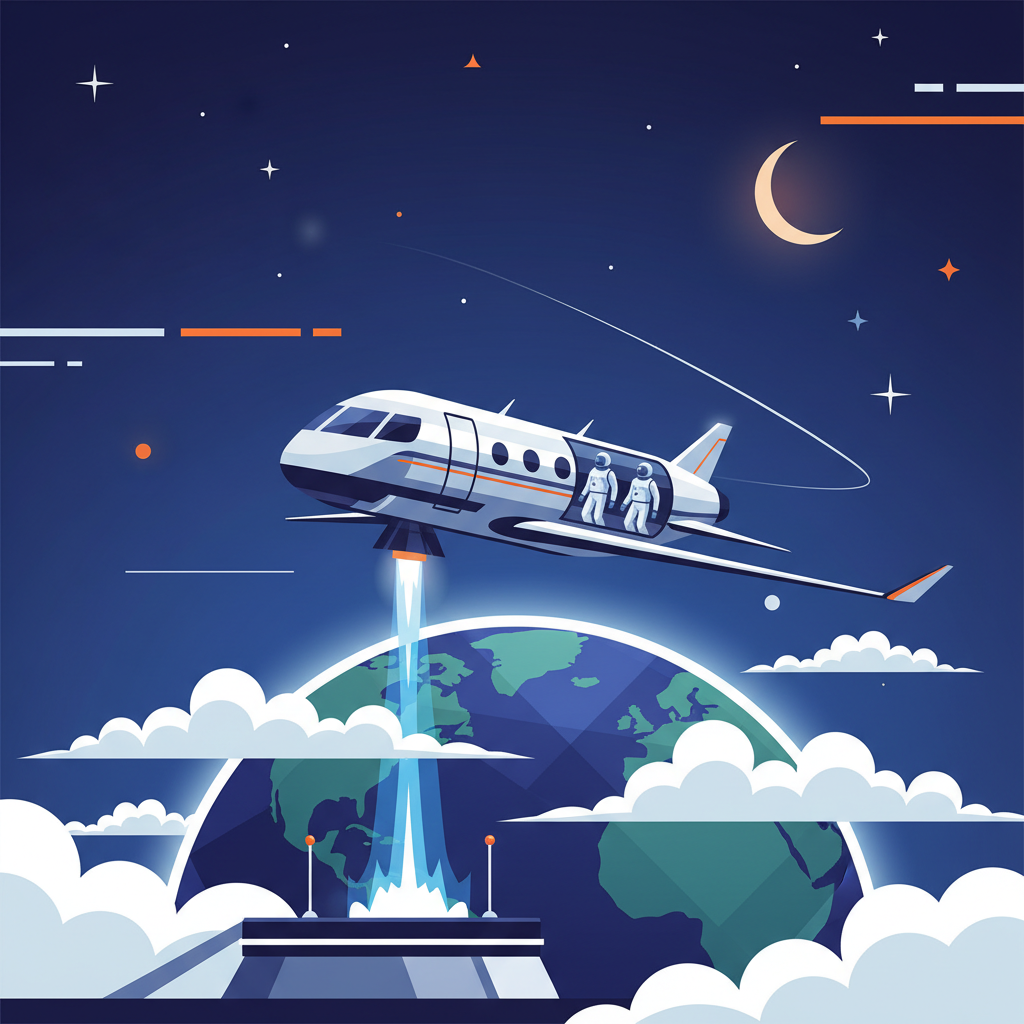
- Virgin Galactic develops its WhiteKnightTwo carrier aircraft and SpaceShipTwo spacecraft.
- SpaceX, although focused on orbital flights, influences the entire sector through its innovations.
These private players benefit from a significant reduction in launch costs thanks to reusable launchers and the miniaturization of onboard systems. This technological evolution stimulates demand and contributes to market growth, valued at several billion dollars according to sectoral projections as indicated by certain reports and market studies.
| Companies | Key Technologies | Typical Experience Duration | Estimated Price per Passenger |
|---|---|---|---|
| Blue Origin | New Shepard (reusable capsule and rocket) | ~10 minutes | ~$250,000 |
| Virgin Galactic | SpaceShipTwo (rocket plane dropped by carrier) | ~1h30 | ~$450,000 |
From Suborbital Experience to Orbit
The next step in this gradual democratization concerns commercial orbital flights. Axiom Space has already conducted several private missions to the International Space Station, paving the way for multi-day stays in orbit. SpaceX also plans three-day orbital missions, although at a cost still estimated at tens of millions of dollars per passenger.
These developments are part of a longer-term vision that includes orbital habitats dedicated to tourism and even lunar hotel projects. Thomas Pesquet's mission also illustrates the rapid evolution of European capabilities in this changing space domain.
"The combination of reusable technologies, public-private partnerships, and the growing appetite of affluent consumers promises expanded accessibility over the decades."
The industry's stated goal remains a continuous reduction in prices to gradually broaden the target audience. However, this democratization raises important environmental and ethical questions that need to be examined.
Environmental Stakes and Ecological Challenges
The expansion of space tourism generates a significant carbon footprint, raising questions about its ecological viability. Each suborbital flight generates approximately six tons of CO₂ per passenger, a figure that can reach up to 60 tons for orbital missions according to available estimates.
These emissions represent the equivalent of several years of average individual emissions, sparking debates about the environmental relevance of the sector in the current context of ecological transition. The report by the "Pour un Réveil Écologique" collective particularly highlights these growing concerns within the scientific community.
The space industry is nevertheless working on more sustainable solutions:
- Development of green fuels to reduce emissions
- Optimization of trajectories to minimize energy consumption
- Research into alternative propulsion technologies
These efforts are part of an environmental responsibility approach that is becoming essential for the social acceptability of space tourism.
Future Prospects and Accessibility
Prospective analysis of the sector reveals several encouraging trends for gradual democratization. The reduction in production and operating costs is expected to continue thanks to economies of scale and continuous technological innovations.
Some experts anticipate a significant drop in prices in the next decade, potentially making suborbital flights accessible to a broader upper-middle class. This evolution will, however, depend on the industry's ability to industrialize its processes and increase flight frequency.
Future developments will likely include:
- More frequent flights reducing unit costs
- Diversification of experiences offered (duration, altitude, activities)
- The emergence of new players creating beneficial competition for prices
This dynamic could transform space tourism from an ultra-exclusive privilege into an experience accessible to a wider public, following a model similar to that historically observed in commercial aviation.
Regulation and Legal Framework Under Construction
The rapid development of commercial space tourism requires the adaptation of national and international regulatory frameworks. Competent authorities are currently working on specific safety standards for these new activities.
Regulatory issues include passenger training, technical certification of vehicles, insurance, and emergency protocols. This legal structuring is an essential prerequisite for the sector's expansion and consumer protection.
International harmonization of regulations also represents a major challenge to facilitate cross-border operations and ensure fair competition among different market players.