Space Ice Drilling: Sub-Glacial Robotics Unlocks Europa and Enceladus Oceans
Beneath the thick ice crusts of Europa and Enceladus may lie the answers to humanity's greatest questions. These fascinating moons – one orbiting Jupiter, the other Saturn – harbor subsurface oceans where the conditions necessary for life could be met. But how do we penetrate these icy mantles and analyze what lies beneath? The answer lies in a new generation of robotic ice drilling technologies that are radically transforming our approach to space exploration.
These innovations combine advanced robotics, miniaturized sensors, and artificial intelligence to create true autonomous sub-glacial laboratories. Systems like ICEPICK or the hybrid SLUSH drill designed for Europa represent a breakthrough in our ability to explore these distant worlds, paving the way for the detection of biosignatures and detailed mapping of these extraterrestrial oceans.
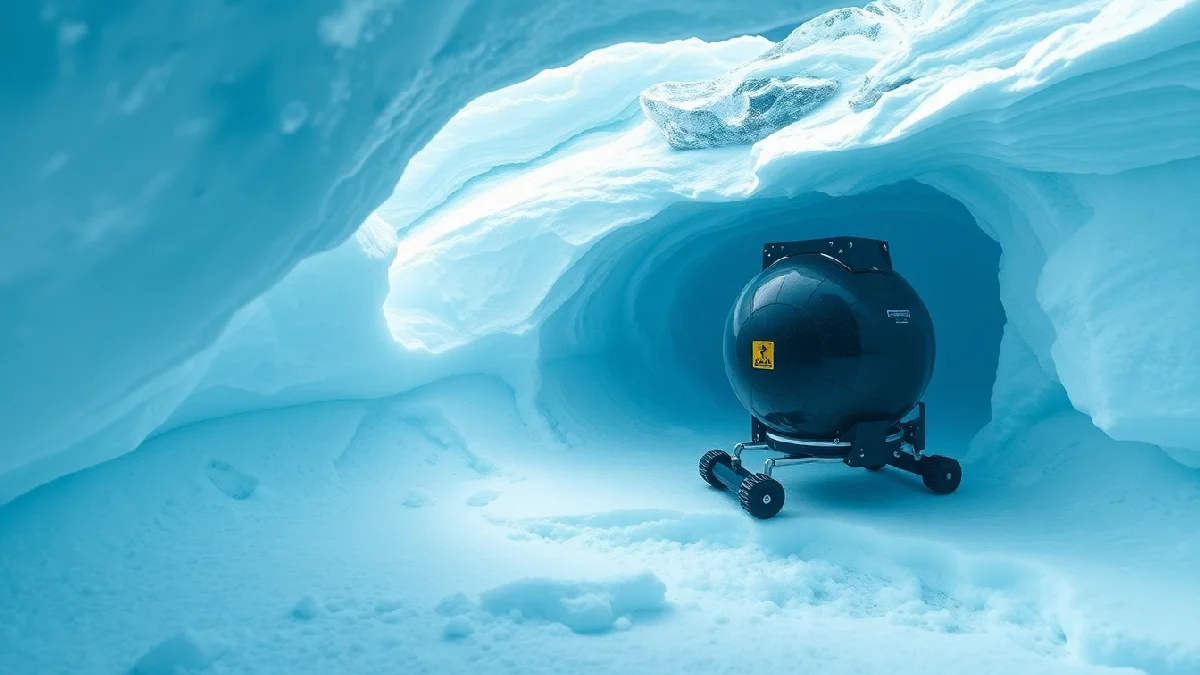
High-Precision Space Drills
The new generations of robotic ice drills are distinguished by their ability to operate autonomously in hostile environments. Unlike terrestrial systems, these platforms must contend with extreme conditions: temperatures down to -200°C, intense radiation, and the impossibility of direct human intervention.
The ICEPICK system, developed for lunar exploration missions, integrates a six-degree-of-freedom robotic arm capable of precise landing and anchoring its articulated legs to absorb landing shocks. Once stabilized, it can drill up to 20 centimeters below the icy surface. The hybrid SLUSH drill, specifically designed for Europa, aims to reach several meters deep.
These systems adopt an innovative drilling approach: they recycle drilling water to limit the risk of biological contamination. This precaution is crucial because any mission aiming to detect traces of life must avoid introducing terrestrial microorganisms that could skew results or compromise a potential extraterrestrial ecosystem.
NASA has also adapted its strategy to the challenges posed by Europa. As Sciencepost reports, the space agency recycled a lander initially planned for Europa – deemed too dangerous – to target Enceladus, an equally promising moon but offering a less hostile environment.
An Array of Sensors for In Situ Analysis
Beyond drilling capability, these platforms carry a true technological arsenal for immediate sample analysis. This in situ approach avoids the complications associated with returning samples to Earth, while allowing for multiple and complementary analyses.
Integrated sensors include:
- Stereoscopic illuminated cameras: to visualize the internal ice structure and identify organic inclusions
- Miniaturized mass spectrometers: capable of identifying the precise chemical composition of samples
- Organic compound analyzers: detecting the presence of complex carbon-based molecules
- Fluorescence microscopes: revealing potential biological structures
- Thermal conductivity probes: mapping the physical properties of the ice
These instruments also perform geophysical measurements using radar and seismic probes, allowing for the mapping of subsurface ocean structures without requiring complete drilling through the ice crust. This capability transforms each mission from simple reconnaissance into in-depth scientific exploration.
"These platforms carry integrated sensors that perform geophysical measurements and in situ chemical analyses, transforming the mission into a true sub-glacial laboratory capable of detecting biosignatures."
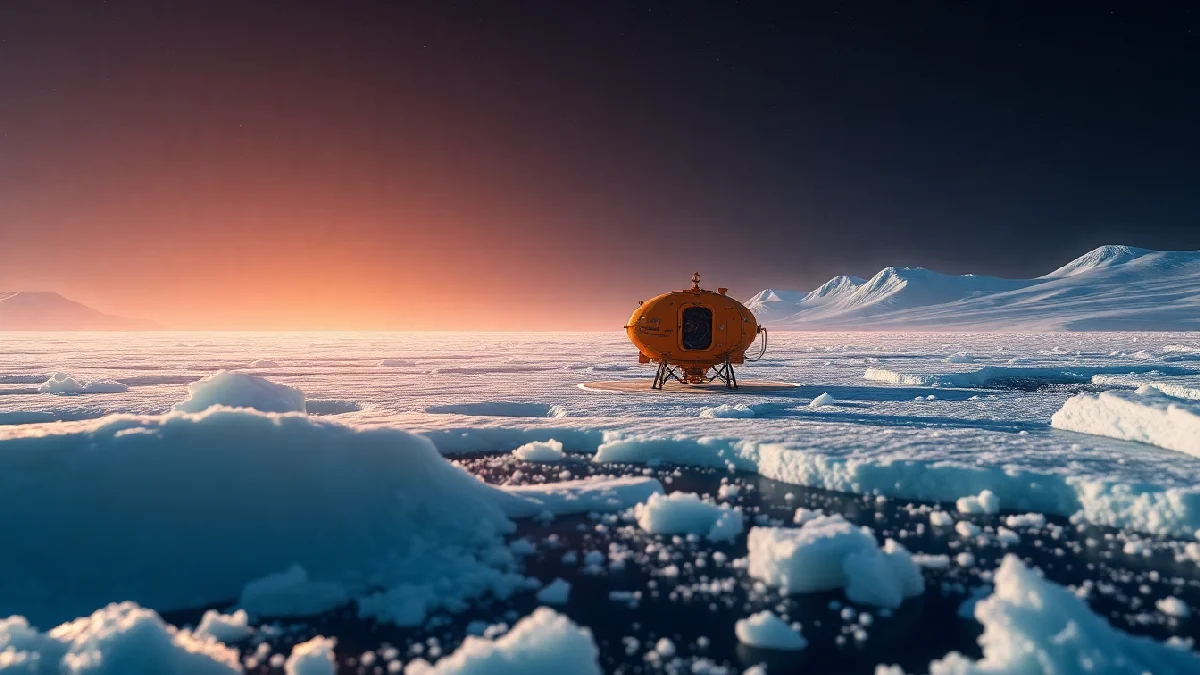
Enceladus' Geysers: An Open Window to the Ocean
Enceladus offers a unique advantage for researchers: its spectacular geysers that regularly eject water and organic materials into space. These plumes, erupting from fissures on the moon's surface, provide direct samples of the subsurface ocean.
Analysis of these ejections has revealed the presence of water, carbon, and numerous organic compounds. As Futura Sciences highlights, if biosignatures exist, they could be easily found on the surface of this moon, deposited by geyser fallout.
This particularity makes Enceladus a prime target: rather than drilling kilometers of ice, a robot could analyze the droplets and particles that fall back to the surface after each eruption. Ice cores taken near active fractures could contain fresh samples from the subsurface ocean, significantly reducing the technical complexity of the mission.
The drilling technologies developed for Europa thus find a more accessible application on Enceladus, where a few tens of centimeters of depth are sufficient to access recently deposited materials.
From Antarctica to Icy Moons: Terrestrial Analogues
The development of these technologies relies heavily on experience gained in extreme terrestrial environments, particularly subglacial lakes in Antarctica like Lake Vostok. These sites, isolated under several kilometers of ice, present conditions analogous to those of the solar system's icy moons.
Drills used in Antarctica have demonstrated the feasibility of drilling in extreme icy environments while maintaining strict biological decontamination protocols. Researchers have perfected techniques for recycling drilling fluids and developed methods to preserve sample integrity. Innovando News and Science et Vie discuss these aspects of working in extreme environments.
These terrestrial missions also serve as testbeds for autonomous robotic systems. In isolated Antarctic bases, teams test the robots' ability to make real-time decisions, adapt to changing conditions, and operate for extended periods without human intervention – essential skills for a mission to Europa or Enceladus where communication delays with Earth can be tens of minutes, or even hours.
Advances in seismic and radar mapping of Antarctic ice structures now make it possible to envision similar missions to icy moons, capable of producing precise three-dimensional maps of extraterrestrial oceans. This expertise includes research on ice core sampling by subsea robotic vehicles, as mentioned in GI - Towards ice core sampling by subsea robotic vehicles.
Artificial Intelligence at the Heart of Autonomy
One of the major challenges in exploring icy moons lies in the need for advanced decision-making autonomy. Significant communication delays with Earth make real-time control of drilling and analysis operations impossible.
This is where embedded intelligence plays a decisive role. Modern systems integrate algorithms capable of interpreting sensor data in real-time, adjusting drilling parameters based on the hardness of the ice encountered, and prioritizing scientific analyses according to sample interest.
These robots can also automatically detect promising anomalies: an unexpected variation in chemical composition, the presence of complex organic compounds, or unusual microscopic structures. In these situations, the system can autonomously decide to deepen the analysis or collect additional samples.
The six-degree-of-freedom mobility of robotic arms allows for precise instrument manipulation and adaptation to terrain constraints. Articulated legs ensure stability even on irregular or inclined surfaces, guaranteeing the necessary precision for drilling operations.
Towards Direct Exploration of Extraterrestrial Oceans
Current drilling and in situ analysis technologies represent a first step towards an even more ambitious goal: the complete penetration of ice crusts and the direct exploration of subsurface oceans.
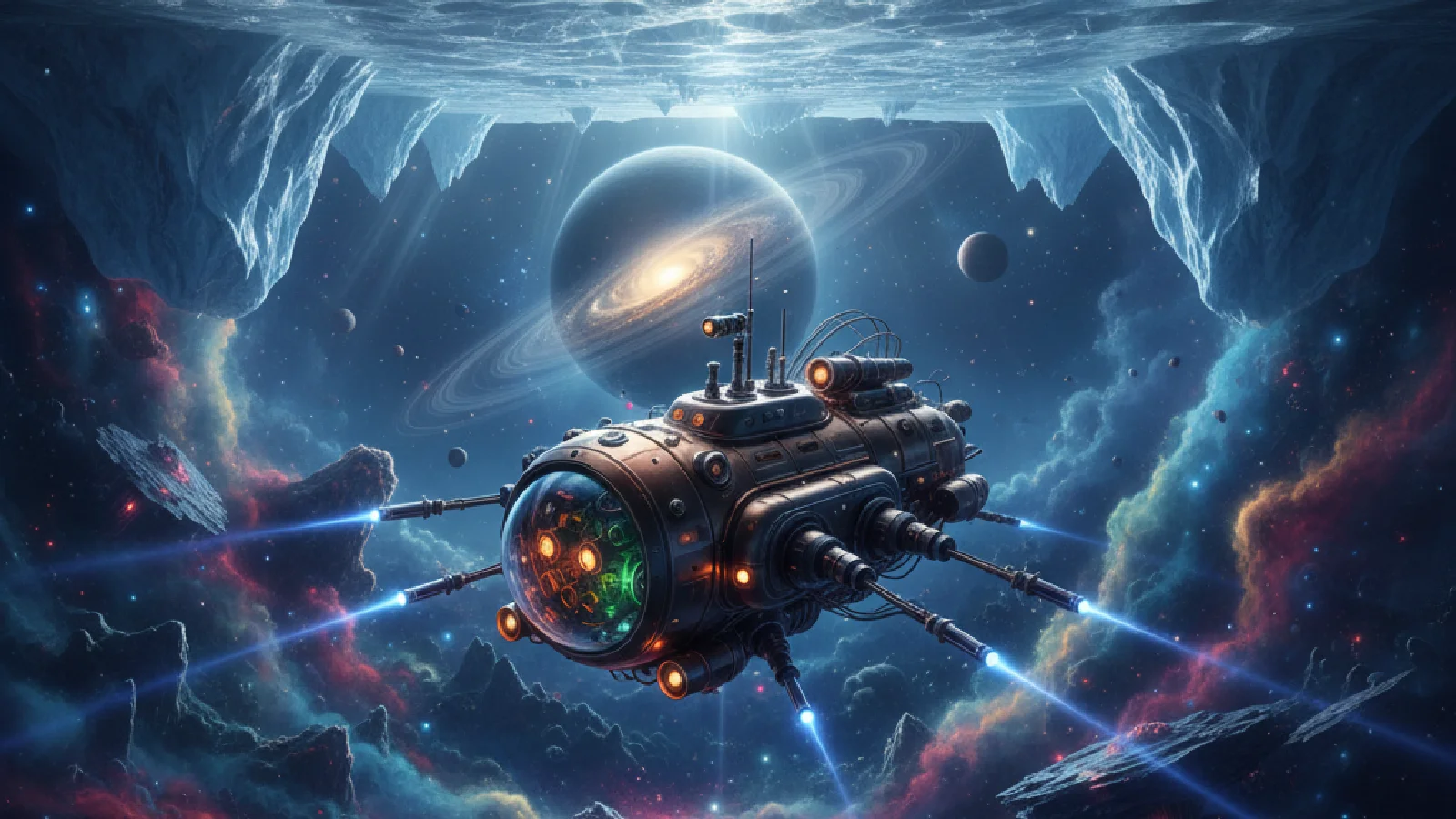
Future missions envision probes capable of traversing several kilometers of ice – the estimated thickness of Europa's crust – and then deploying into the liquid ocean to explore it like an autonomous submarine. These concepts, still in the project stage, build on the advances made with current drills.
These cryogenic submersibles will have to solve considerable technical challenges: maintaining their electronics functional in a very low-temperature environment, communicating through several kilometers of ice, navigating in the total darkness of an extraterrestrial ocean, and analyzing environments potentially very different from terrestrial oceans.
The lessons learned from current missions – particularly in terms of autonomy, sensor miniaturization, and energy management – are essential for taking this next step. Each drill deployed, each successful analysis, each piece of data collected brings humanity closer to the moment when we can state with certainty whether we are alone in the universe.
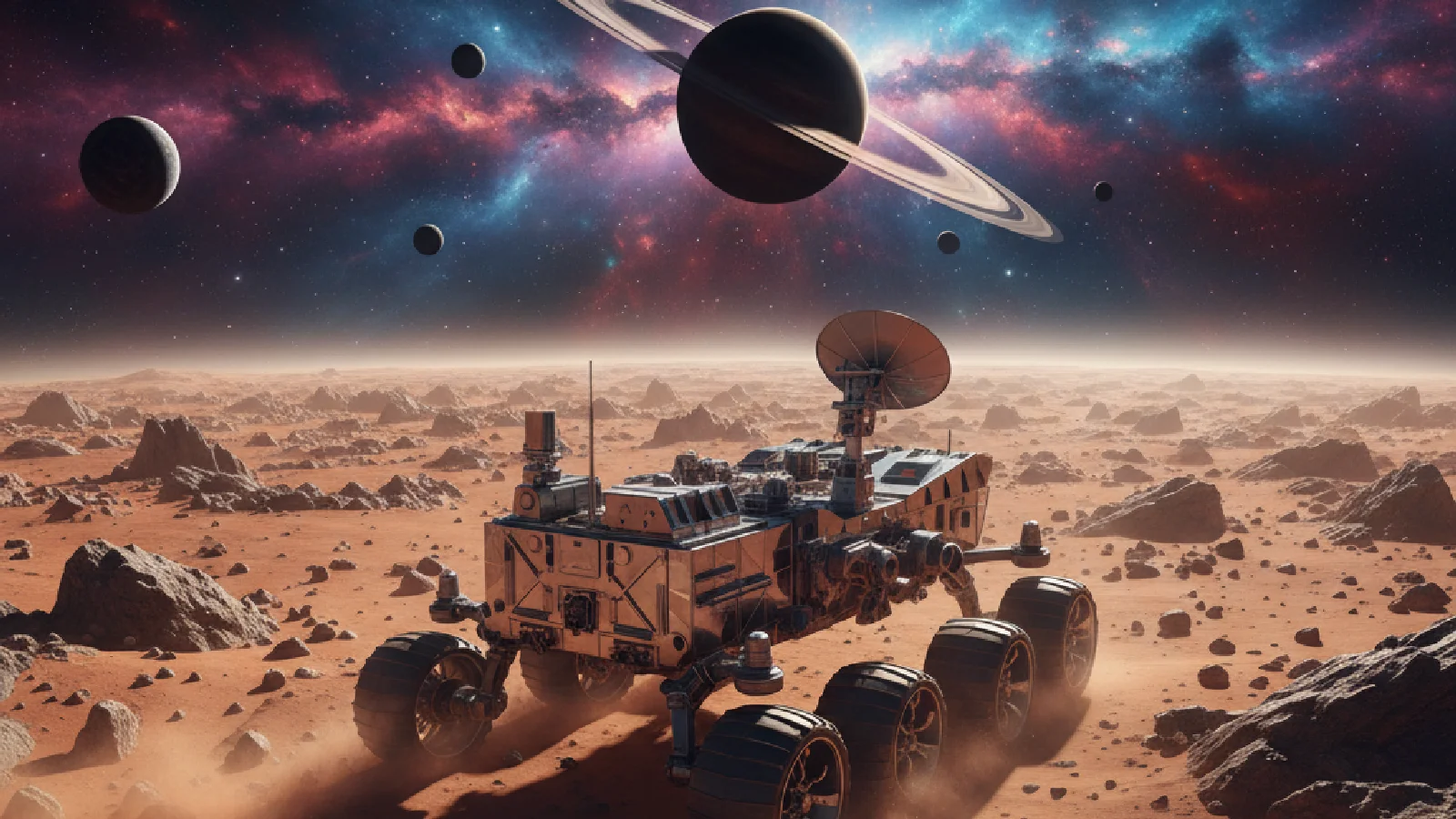
As the diversity of explorer robots developed for Mars suggests, the future of space exploration lies in a multi-platform approach combining different types of specialized robots, from orbiters to drills, and even potential submersibles.
The Quest for Biosignatures: A Major Scientific Challenge
The ultimate goal of these drilling missions remains the detection of biosignatures, those chemical, structural, or isotopic traces that would betray the presence of past or present biological activity. The oceans of Europa and Enceladus present several characteristics favorable to life as we know it.
| Characteristic Favorable to Life | Detail in Icy Moons |
|---|---|
| Liquid water | Abundant under ice crusts |
| Organic compounds | Confirmed by spectroscopic analyses |
| Energy source | Tidal forces (Jupiter, Saturn) |
| Essential chemical elements | Presence of C, H, N, O, P, S |
Liquid water is the first essential element. Both moons possess it in abundance beneath their icy crusts. Spectroscopic analyses have also confirmed the presence of organic compounds and chemical elements necessary for life: carbon, hydrogen, nitrogen, oxygen, phosphorus, and sulfur.
The tidal forces generated by their giant planets – Jupiter for Europa, Saturn for Enceladus – provide a constant energy source that keeps these oceans liquid and could fuel hydrothermal processes similar to those observed in Earth's deep oceans, where chemosynthetic ecosystems thrive.
Miniaturized mass spectrometers onboard the drills can detect isotopic anomalies characteristic of biological processes. For example, living organisms generally prefer lighter isotopes of carbon, creating a measurable imbalance in isotopic ratios.
Fluorescence microscopes search for organized structures at the cellular level, while organic compound analyzers target complex molecules such as amino acids, lipids, or nucleic bases that form the building blocks of life.
This multi-instrument approach significantly increases the chances of detection while reducing the risk of false positives. A confirmed biosignature would require the convergence of several independent indicators, analyzed by different sensors.
A New Era for Astrobiology
Technological advancements in robotic ice drilling and in situ analysis mark a turning point in the search for extraterrestrial life. For the first time, humanity has the necessary tools to directly explore the most promising environments in the solar system.
The coming decades will likely see the deployment of several missions to Europa and Enceladus, each bringing its share of discoveries and perfecting exploration technologies. The data collected by these autonomous drills will fuel scientific understanding of these oceanic worlds and guide the design of future missions.
Beyond the potential detection of extraterrestrial life, these technologies also transform our ability to study the solar system's icy environments. They could be adapted to explore other icy moons like Ganymede, Titan, or Triton, further expanding the realm of possibilities.
Space exploration is entering a phase where advanced robotics, artificial intelligence, and the miniaturization of scientific instruments converge to push the boundaries of knowledge. The hidden oceans of Europa and Enceladus, long inaccessible, are now open to scientific investigation, carrying with them the hope of answering one of the most fundamental questions: are we alone in the universe?
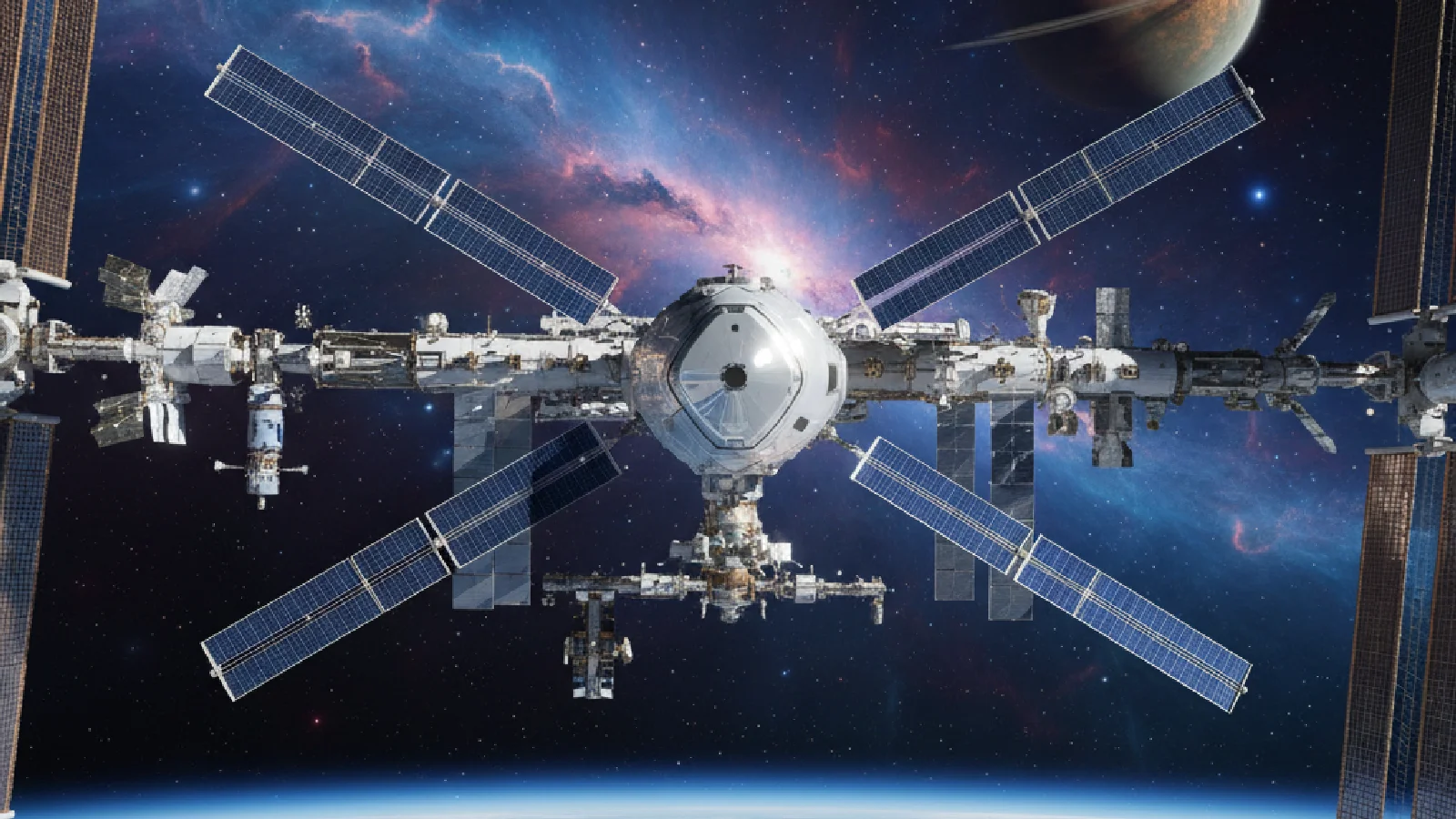
The efforts deployed for these missions are part of a broader dynamic of space exploration, where private space stations and new orbital infrastructures also play an increasing role in supporting distant missions.