Casting Your Meta Quest 3: A Complete Guide to Sharing Your VR Sessions
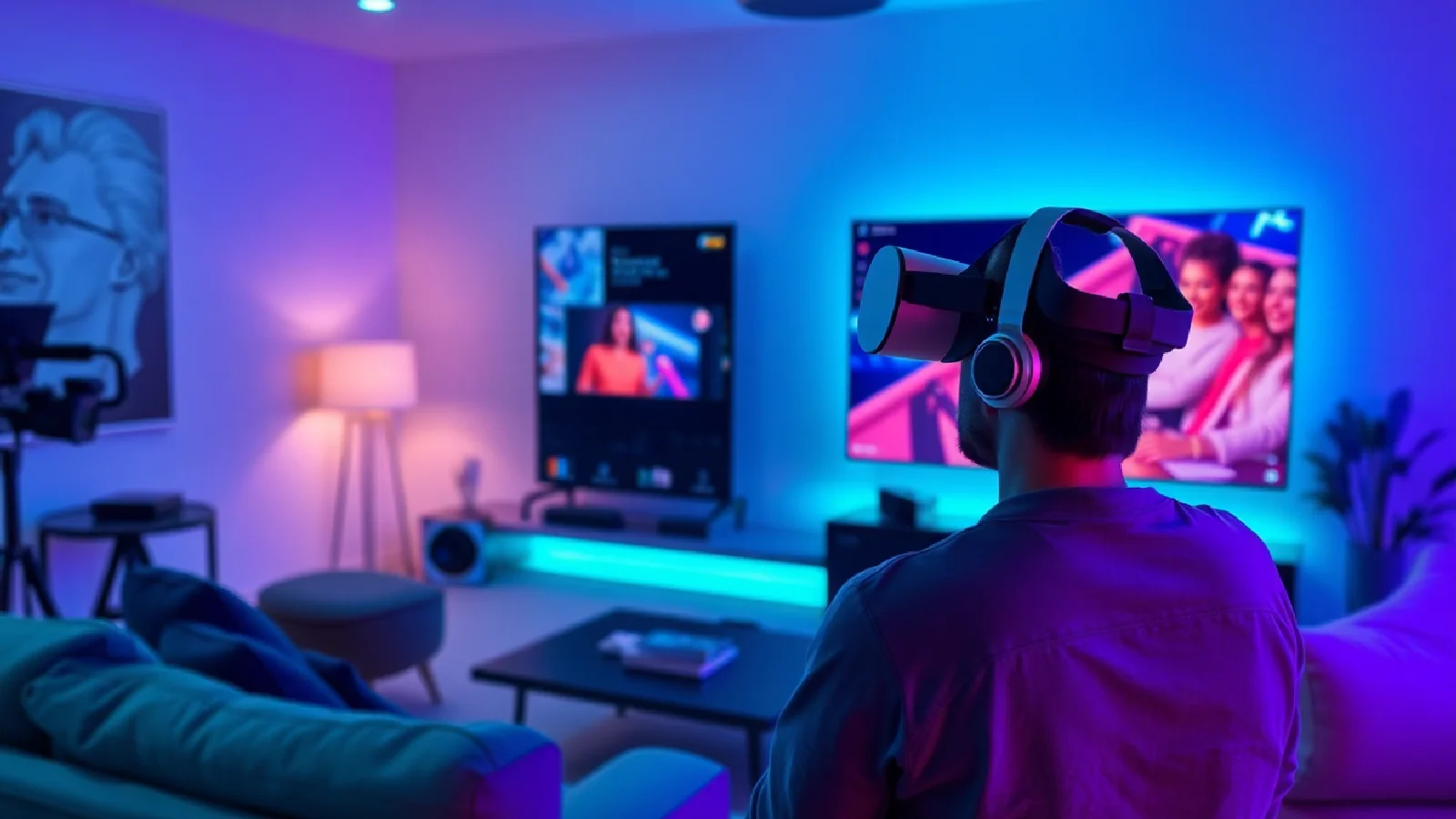
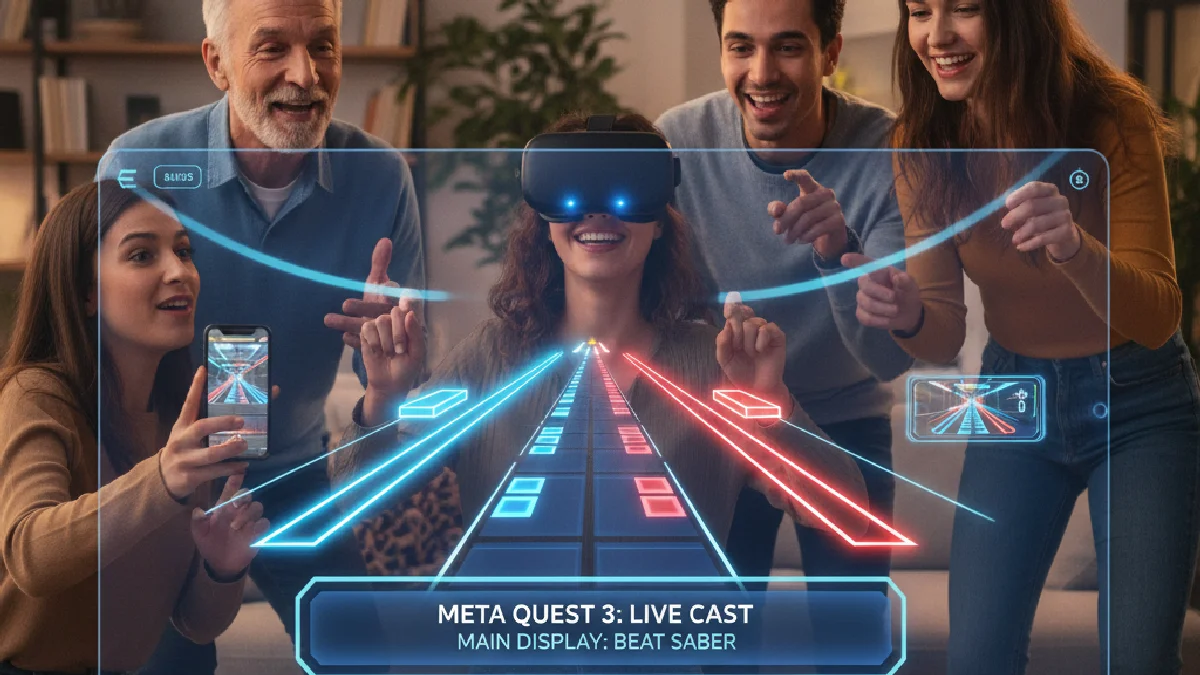
Virtual reality becomes even more captivating when shared! With the latest 2026 updates, casting your Meta Quest 3 has never been easier or more versatile. Whether you want to impress your family with your Beat Saber prowess or host an immersive professional presentation, this guide reveals all the methods to transform your solo experience into a collective moment.
Essential Prerequisites for Successful Casting
Before embarking on the adventure of VR screen sharing, ensure your setup meets a few basic conditions. Your Meta Quest 3 and all your destination devices must be connected to the same Wi-Fi network – this is the golden rule to avoid untimely disconnections.
Bandwidth plays a crucial role in streaming quality. For a smooth experience, aim for a connection of at least 25 Mbps upload speed. 5 GHz networks generally offer better performance than traditional 2.4 GHz, especially if multiple devices share your home connection.
Network stability determines 80% of your VR casting quality, according to Meta's latest 2026 studies.
Don't forget to check your headset's privacy settings. In the system settings, enable "Allow screen sharing" and disable "No tracking" mode if you want your hands and controllers to appear in the streamed feed.
Streaming to Your TV: Three Effective Methods
Chromecast Casting: The Universal Solution
The most direct method is to use a Chromecast connected to your TV. Open your Quest 3's quick menu by pressing the Oculus button, then select "Cast." The system automatically detects all compatible devices on your home network.
Recent TVs often have native Chromecast technology, eliminating the need for an external dongle. This feature is particularly appreciated during immersive gaming nights where every spectator can follow the action in real-time.
AirPlay: The 2026 Novelty
Meta introduced AirPlay support in its latest major update. This feature, accessible via "Cast to AirPlay" in the advanced settings, allows native compatibility with the Apple ecosystem. Your Apple TV thus becomes a direct receiver for your VR sessions.
Direct HDMI Connection
For image quality purists, a wired connection remains essential. Use a USB-C to HDMI adapter to connect your Quest 3 directly to your TV. This method eliminates network latency and guarantees optimal resolution, ideal for professional demonstrations.
| TV Casting Method | Connection Type | Advantages | Disadvantages |
|---|---|---|---|
| Chromecast | Wireless (Wi-Fi) | Ease, broad compatibility | Network dependency |
| AirPlay | Wireless (Wi-Fi) | Apple integration, native | Apple ecosystem required |
| Direct HDMI | Wired (USB-C) | Zero latency, optimal quality | Less mobile, adapter |
Streaming to PC: Maximizing Your Possibilities
Casting to PC opens up a world of creative possibilities. The Meta Quest app for Windows and macOS now offers a "Cast PC" function that creates a WebRTC session displayed in a dedicated window. This approach significantly simplifies the process compared to previous versions.
Setup with OBS Studio
For content creators, integration with OBS Studio remains the benchmark. Connect your Quest 3 via a USB-C capture card, then capture the video stream directly into your streaming software. This configuration allows for:
- Simultaneous streaming to Twitch and YouTube
- Real-time commentary overlay
- High-definition recording for later editing
- Advanced audio mixing with voice-over
This method proves particularly effective for professional technical demonstrations where audio-visual quality is paramount.
Mobile Sharing: The Nomadic Experience
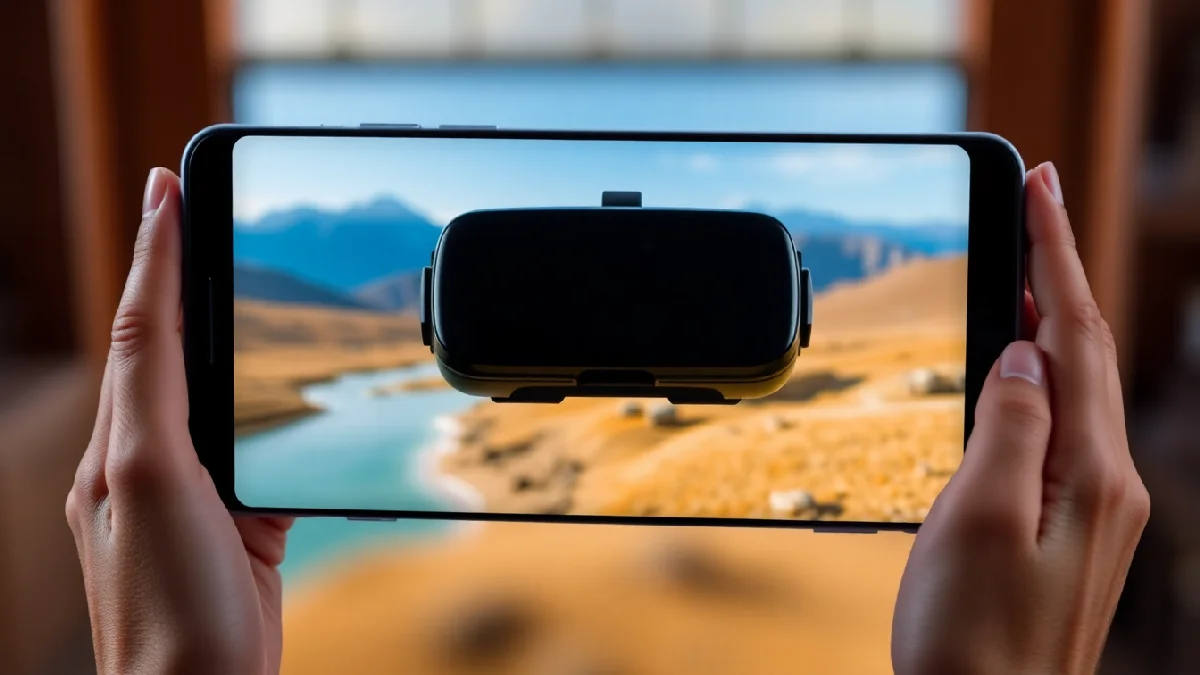
The Meta Quest mobile app has evolved considerably in 2026. The casting icon, now more visible in the top right, allows you to select your headset and activate "Screen Mirroring" with a few taps. The streaming quality automatically adapts to the power of your smartphone or tablet.
Is the feature limited to recent iOS and Android devices? Absolutely not! Meta has extended compatibility to older generation tablets, with some automatic resolution adjustments. Also discover other updates in our analysis of the tech news summary at the dawn of 2026.
2026 Innovations: Live Events and Teams Integration
The introduction of "Live Events" mode marks a revolution in sharing VR experiences. This feature, enhanced since its launch in 2025, allows you to create a unique URL link that you distribute to your viewers. No need for third-party applications – your guests access the stream directly from their web browser.
Microsoft Teams Integration
Collaboration with Microsoft has led to a native Teams integration particularly appreciated by businesses. Your VR presentations integrate seamlessly into your professional meetings, transforming traditional video conferences into shared immersive experiences.
This evolution addresses new cybersecurity requirements while preserving ease of use, a delicate balance but mastered by the development teams.
Performance Optimization and Troubleshooting
Excessive latency? First, check your position relative to the Wi-Fi router. A distance greater than 10 meters or obstacles like thick walls significantly degrade streaming performance.
Overclocking the Snapdragon processor can improve performance, but this technical manipulation is reserved for experienced users. The gains in fluidity are real, particularly during intensive gaming sessions shared with a large audience.
If your stream experiences frequent cut-offs, temporarily switch to the 2.4 GHz network – paradoxically slower but often more stable in congested environments. This trick, validated by many users in the French-speaking community, can save your most important streaming sessions. For hardware advancements, see TSMC A16 vs Intel 18A: The Angstrom Node Revolution in 2026.
Immersive events in Teams require particular attention to bandwidth. Microsoft recommends a dedicated connection of at least 50 Mbps for presentations involving more than 20 simultaneous participants.
Future Prospects and Advanced Use Cases
Collaborative casting represents the future of VR sharing. Meta is currently developing features allowing multiple headsets to stream simultaneously to the same screen, paving the way for spectacular multiplayer experiences for audiences.
Educational applications are already leveraging these innovations. Imagine a history class where the teacher virtually guides students through ancient Rome while parents follow the expedition from the family living room – this scenario becomes a reality thanks to the latest technological developments.
This democratization of VR sharing is gradually transforming our relationship with virtual reality, evolving from a solitary pastime to a true platform for collective communication and learning.