The First Home Assistant Robots: A Daily Revolution
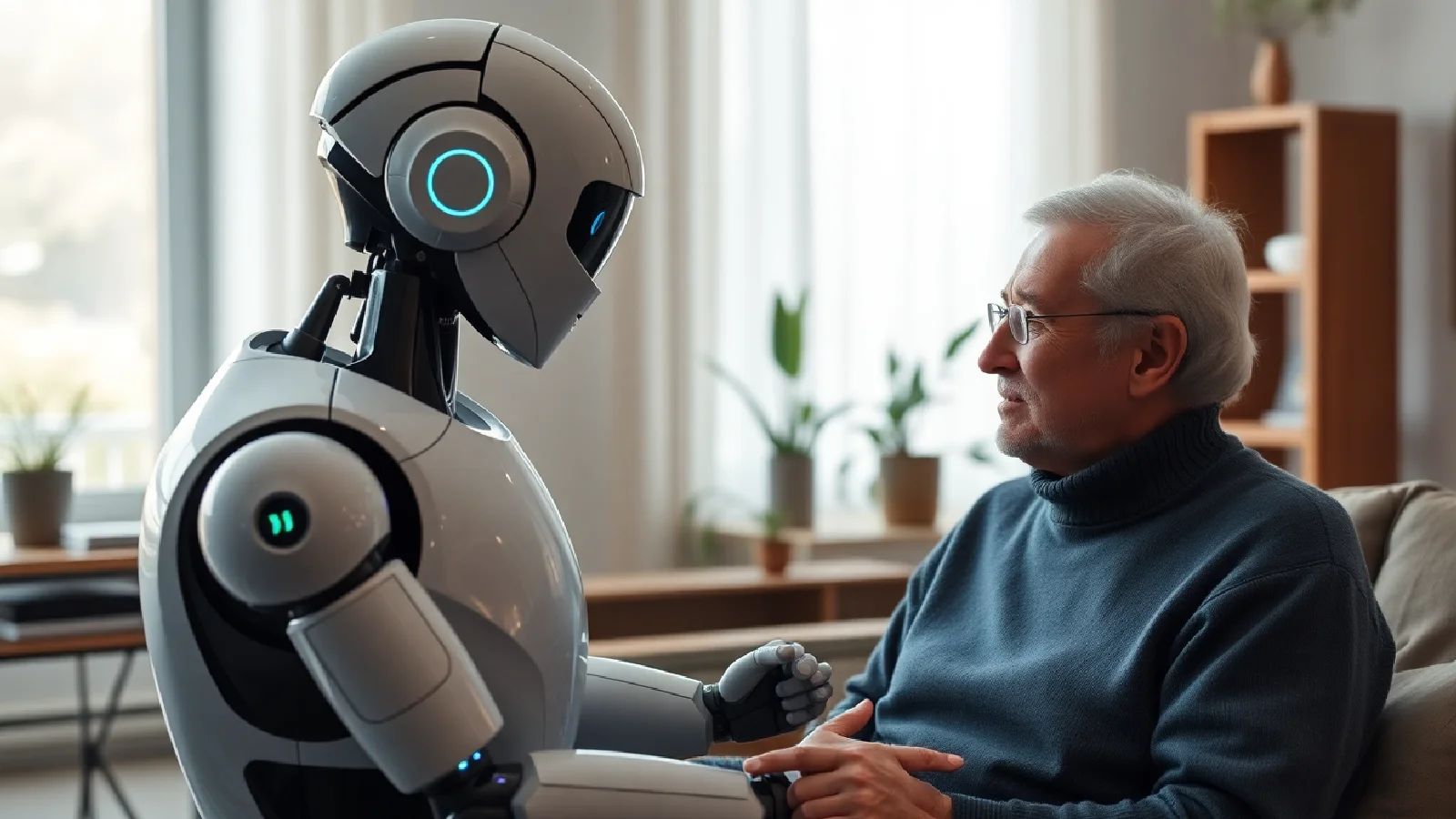
The idea of home assistant robots, once confined to science fiction stories, is now a tangible and rapidly expanding reality. The emergence of these machines marks a decisive step in the history of technology and automation, promising to profoundly transform our daily lives. Far from the sophisticated androids of films, the first models focus on practical tasks, offering valuable help to lighten household chores, assist the elderly, or simply provide entertainment.
The domestic robotics market is experiencing exponential growth. According to estimates, it is expected to reach tens of billions of dollars by 2030, driven by continuous innovation and increasing consumer acceptance. This digital transformation of homes opens up fascinating prospects, but also raises essential questions about ethics, privacy, and the long-term social impact of these mechanical companions.
This article explores the pioneers of this revolution, their current capabilities, the challenges they pose, and what the future holds. Get ready to discover how these machines, equipped with artificial intelligence, are already redefining our relationship with home and work, paving the way for an entirely connected ecosystem.
The Dawn of Domestic Robots: From Simple Tasks to Advanced Functions
The first assistant robots emerged with targeted functionalities, often limited to repetitive tasks. We remember autonomous vacuum cleaners, pioneers of consumer robotics. However, evolution has been rapid, integrating more sophisticated sensors, improved navigation capabilities, and, above all, AI systems capable of learning and adapting to the home environment.
From Smart Vacuums to Multiservice Assistants
Initially designed for floor cleaning, current robot vacuums are much more than a simple motorized brush. They map rooms, detect obstacles, and some models can even empty their bin or mop the floor. This evolution demonstrates the progressive integration of machine learning and computer vision, making these devices increasingly autonomous and efficient.
- Laser and camera navigation for precise space mapping.
- Object detection to avoid obstacles and falls down stairs.
- Custom programming and control via mobile apps, offering great flexibility.
- Integration into existing home automation ecosystems, for a smarter and connected home.
The Emergence of Humanoid Robots: A Step Towards Science Fiction
As robot vacuums improve, a new category of machines is appearing: humanoid assistant robots. Companies like China's Unitree have begun to market models that can perform a wider range of tasks, from moving objects to personal assistance. These robots foreshadow a future where human-machine interaction will be more natural and intuitive, even if challenges remain, particularly in terms of acquisition cost and energy autonomy.
"The arrival of humanoid robots in homes is an acceleration of what we saw coming. They symbolize a blurring boundary between science fiction and our reality." - Dr. Élise Moreau, Expert in Assistive Robotics
The Promises of Assistive Robotics for Seniors and Families
Beyond the purely practical aspect of household chores, assistant robots offer immense potential to improve quality of life, especially for the elderly or those with specific needs. Assistive robotics is a growing sector, aiming to compensate for loss of autonomy and promote aging in place.
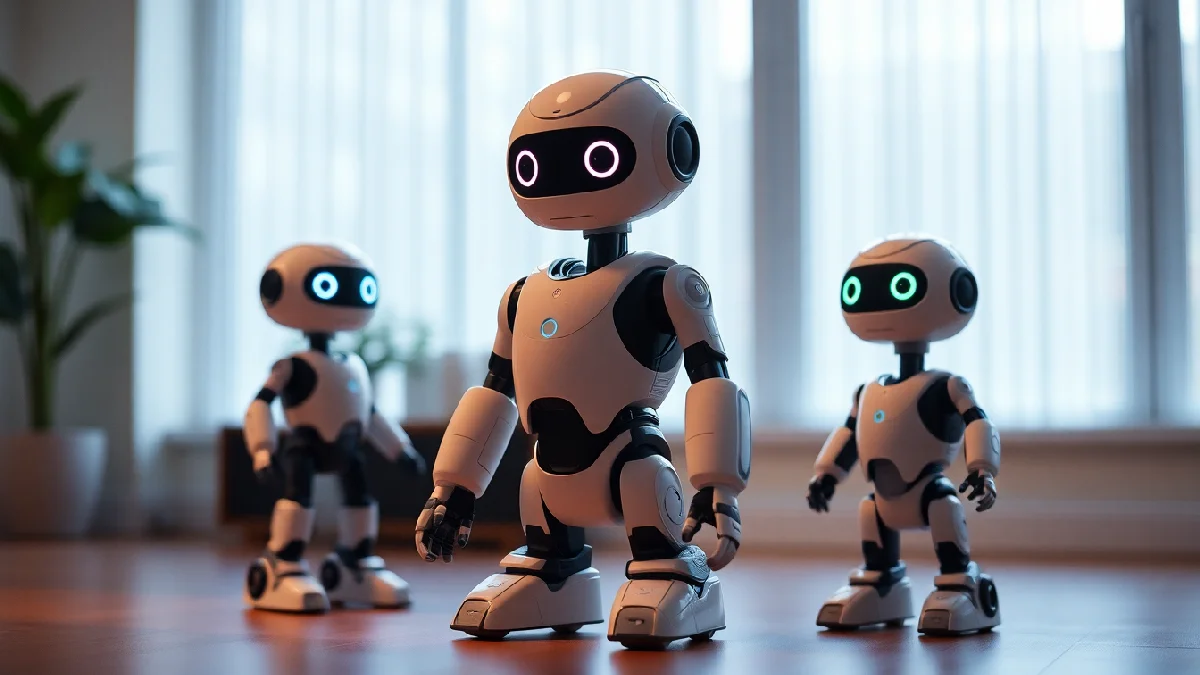
Companions and Aids for Aging in Place
Robots can serve as companions, providing presence and emotional support, especially for isolated individuals. But their roles also extend to much more critical functions: medication reminders, vital sign monitoring, or fall alerts. This technological innovation helps preserve the independence and dignity of seniors, while offering peace of mind to families. For more information on how technology can influence our future, read our article on The End of Screens by 2030: Myth or Technological Reality?.
- Proactive monitoring via sensors and AI to detect risky situations.
- Voice assistance to facilitate interactions and access to information.
- Cognitive stimulation programs to maintain brain activity.
- Easy communication with loved ones and healthcare professionals via integrated interfaces.
Education and Entertainment for Children
Assistant robots can also play a playful and educational role in homes. Some models are designed to interact with children, teach them languages, help them with homework, or simply entertain them with interactive games and stories. This interactivity enriches the learning experience and fosters the development of new skills in younger children. According to Euro News, domestic robots capable of autonomous cleaning can already be seen, a sign that this technology is already well established SF comes to cleaning: this humanoid robot cleans....
Technical and Ethical Challenges to Overcome
While the promises are numerous, the path to widespread integration of assistant robots is not without obstacles. Major technical challenges, such as battery autonomy and sensor robustness, must be resolved. But ethical and societal questions are just as pressing, requiring in-depth reflection.
Data Privacy and Security
Assistant robots collect a considerable amount of data about our habits, preferences, and even our conversations. Data privacy is therefore a major concern. Manufacturers must guarantee strict security protocols to protect this sensitive information against hacking or misuse. Cybersecurity is paramount to building user trust.
- Data encryption to protect personal information.
- Transparent privacy policies to inform users.
- Regular security updates to counter new threats.
- Compliance with regulations like GDPR for data protection.
Social Acceptance and Impact on Employment
The integration of robots into homes also raises questions of social acceptance. Some fear the loss of human contact, while others worry about the impact on employment in personal services sectors. It is crucial to accompany this technological transition with societal dialogue and adaptation measures, such as assistive robotics: a true sector of the future?.
Technological Advancements Making Robots Smarter
The capabilities of assistant robots are evolving at lightning speed, thanks to major advancements in artificial intelligence, robotics, and materials science. These innovations allow them to better perceive, understand, and interact with their environment.
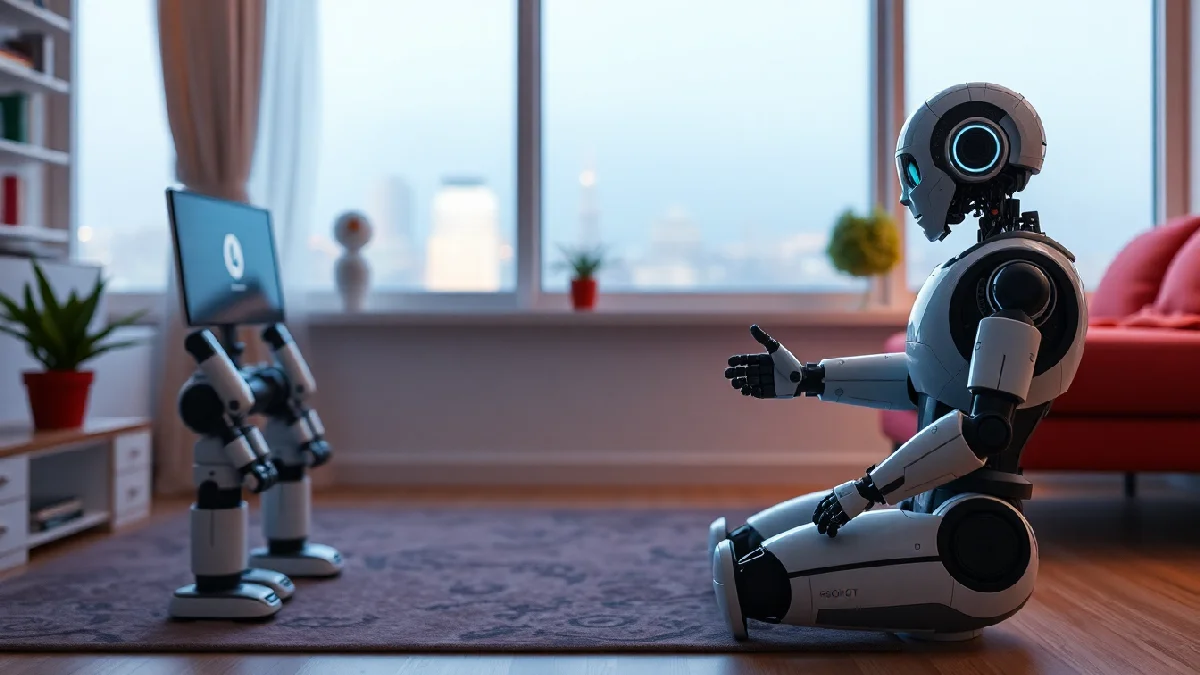
Artificial Intelligence at the Heart of Autonomy
AI is the engine of robot autonomy. Deep learning and reinforcement learning algorithms allow them to learn from their experiences, adapt to new situations, and even make complex decisions. This self-learning capability is essential for robots that must operate in unpredictable home environments.
- Natural Language Processing (NLP) for fluid voice interactions.
- Computer vision for facial, object, and environment recognition.
- Sensor fusion for a holistic perception of space.
- Motion planning for smooth and safe movements.
Increasingly Efficient Materials and Sensors
Beyond AI, advances in materials and sensors also contribute to robot improvement. From longer-lasting batteries to more sensitive tactile sensors, and more precise actuators, all components are optimized to offer greater efficiency, better safety, and greater reliability. Innovations that can be found in our article "Tech News Digest at the Dawn of 2026" for other advancements Tech News Digest at the Dawn of 2026.
| Feature | Old Generation (Ex: 2015) | New Generation (Ex: 2024) |
|---|---|---|
| Battery Life | 30-60 minutes | 120-180 minutes |
| Sensors | Simple Infrared | Lidar, RGB-D Camera, Ultrasound |
| AI Processing | Predefined rules | Deep Learning, RNN |
| Average Cost | 500-1000 € | 300-800 € (for vacuums) |
| Interactivity | Limited, fixed commands | Voice, gesture, emotional |
The Near Future of Assistant Robots: Towards Harmonious Coexistence
The coming years will see increased democratization of assistant robots, with more affordable, more powerful, and more integrated models in our lives. The goal is not to replace humans, but to complement their capabilities and improve their well-being.
Specialized Robots and Open Platforms
We will likely witness the emergence of even more specialized robots: from autonomous gardeners to robotic chefs. Simultaneously, the development of open software platforms will allow a community of developers to create new applications and functionalities, transforming these machines into increasingly versatile tools.
The Challenges of Standardization and Regulation
For widespread adoption, the standardization of communication protocols and the establishment of a clear regulatory framework will be essential. These measures will ensure system interoperability, user safety, and data protection, thus promoting controlled and responsible development of domestic robotics. This is an aspect that can be compared to the challenges of autonomous cars.
Conclusion: The Home of Tomorrow, Connected and Assisted
The first home assistant robots are just the prelude to a broader revolution. By combining technological innovation, ease of use, and affordable prices, they are on their way to becoming full members of our households. Challenges remain, both technically and ethically, but the potential for improving daily life is immense.
The future promises us homes that are not only smart, but also autonomous, where robots will actively contribute to our comfort, safety, and entertainment. Harmonious coexistence between humans and machines is no longer a distant dream, but a reality being built day by day. Discover our other articles on Technology.