Meta Quest 3 Professional: Beyond Gaming, a Creative Tool
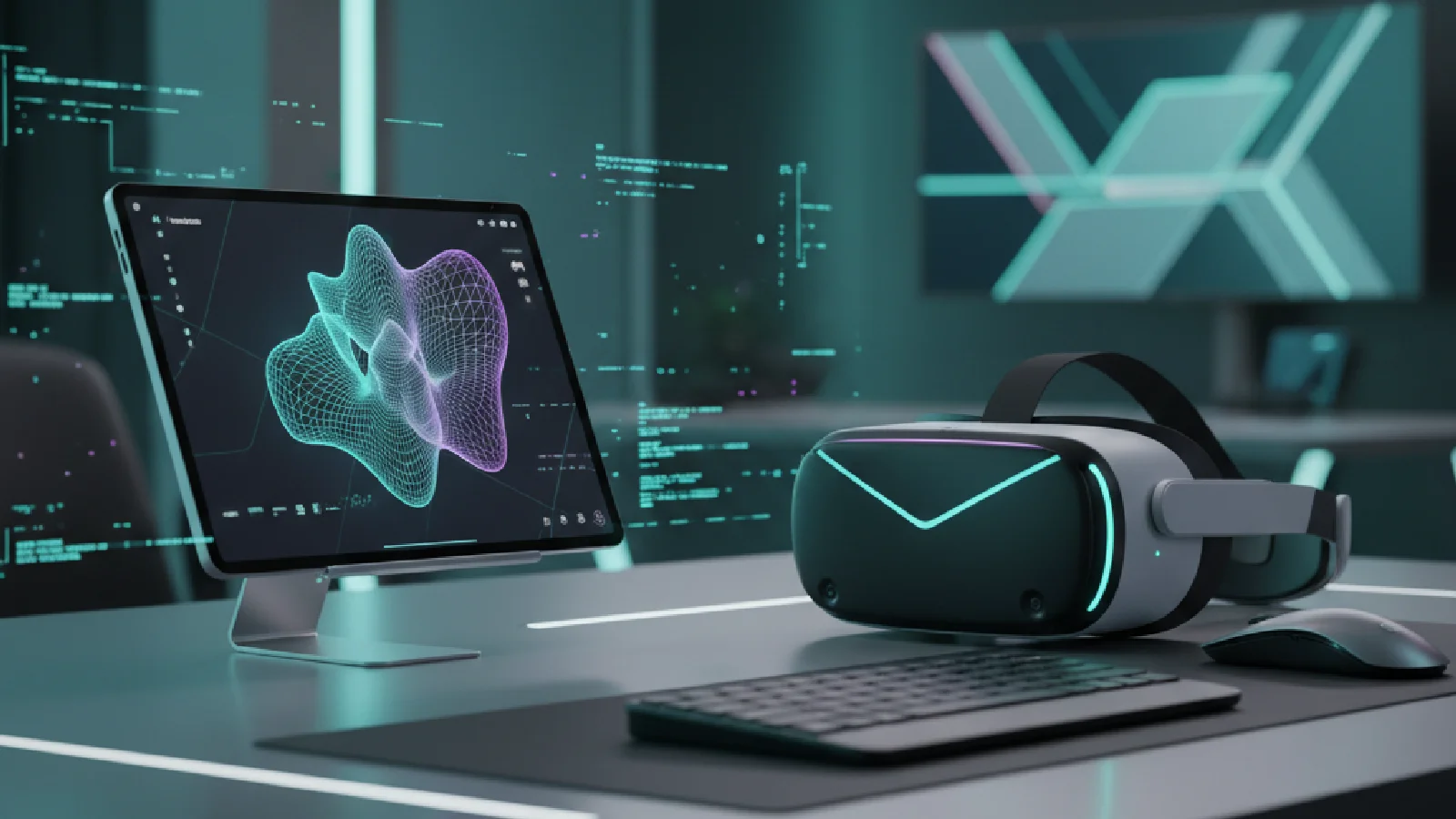
The Meta Quest 3 surprised the tech market in 2023, not only with its gaming performance but, more importantly, with its ability to radically transform the professional environment. With its high-resolution screen of 2,064 × 2,208 pixels per eye and its Snapdragon XR2 Gen 2 processor, this standalone headset opens new horizons for collaboration, creation, and training in businesses.
The Revolution of Virtual Workspaces
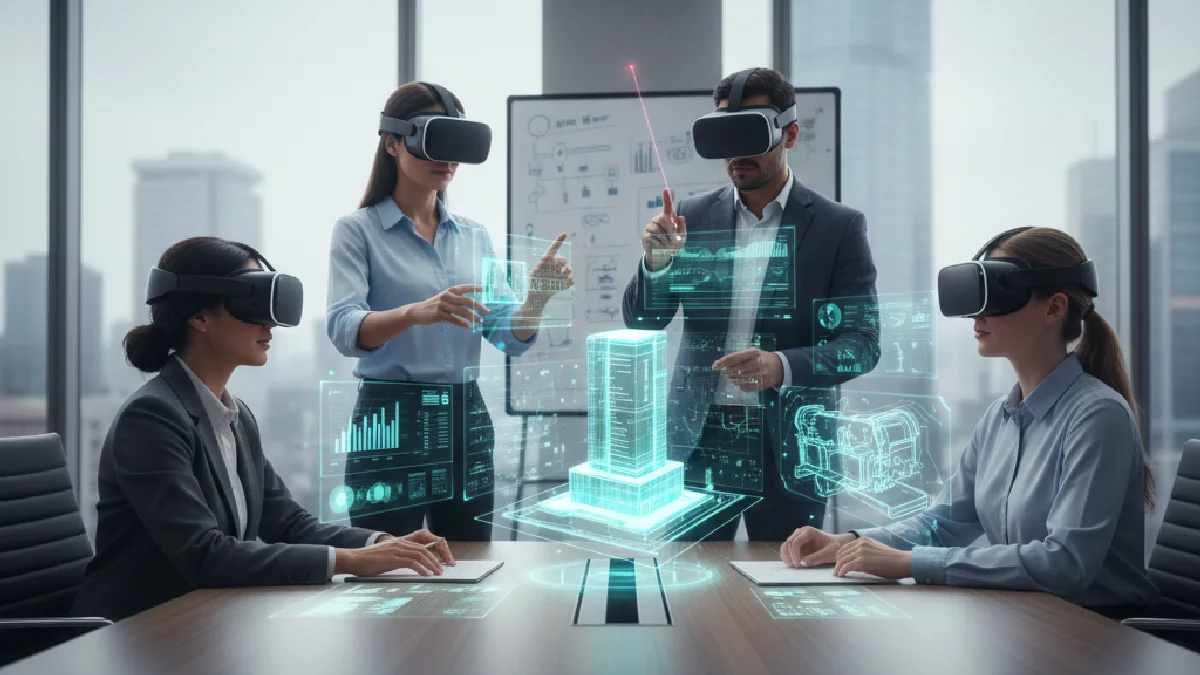
Companies are massively adopting immersive work environments for their distributed teams. The Meta Work suite, including Workrooms and Horizon Enterprise, allows collaborators to meet in shared virtual spaces where they can manipulate 3D objects, share their screens, and collaborate on interactive whiteboards.
This transformation has accelerated particularly since 2024, as companies seek innovative alternatives to traditional video conferencing. Virtual reality meetings offer a sense of physical presence impossible to replicate with classic tools.
Concrete Benefits for Teams
Feedback shows tangible benefits:- Increased engagement: participants remain more attentive and participative
- Spatial collaboration: real-time manipulation of 3D objects
- Reduced travel: substantial savings in mission costs
"Virtual reality is transforming how we conceive remote collaboration. We observe a 40% increase in engagement during VR meetings compared to traditional formats." - Study on VR platforms for HR uses, 2022
Comparison of Meeting Formats
| Characteristic | Traditional Video Conference | Virtual Reality Meeting |
|---|---|---|
| Sense of Presence | Low | High |
| 3D Object Manipulation | No | Yes |
| Level of Engagement | Moderate | Increased |
| Travel Costs | Low | None |
3D Creation and Design: A New Artistic Dimension
The Quest 3 revolutionizes creative processes thanks to specialized applications like Gravity Sketch, SculptVR, or Adobe Medium. Designers can now model directly in three-dimensional space, removing the barrier between imagination and creation.
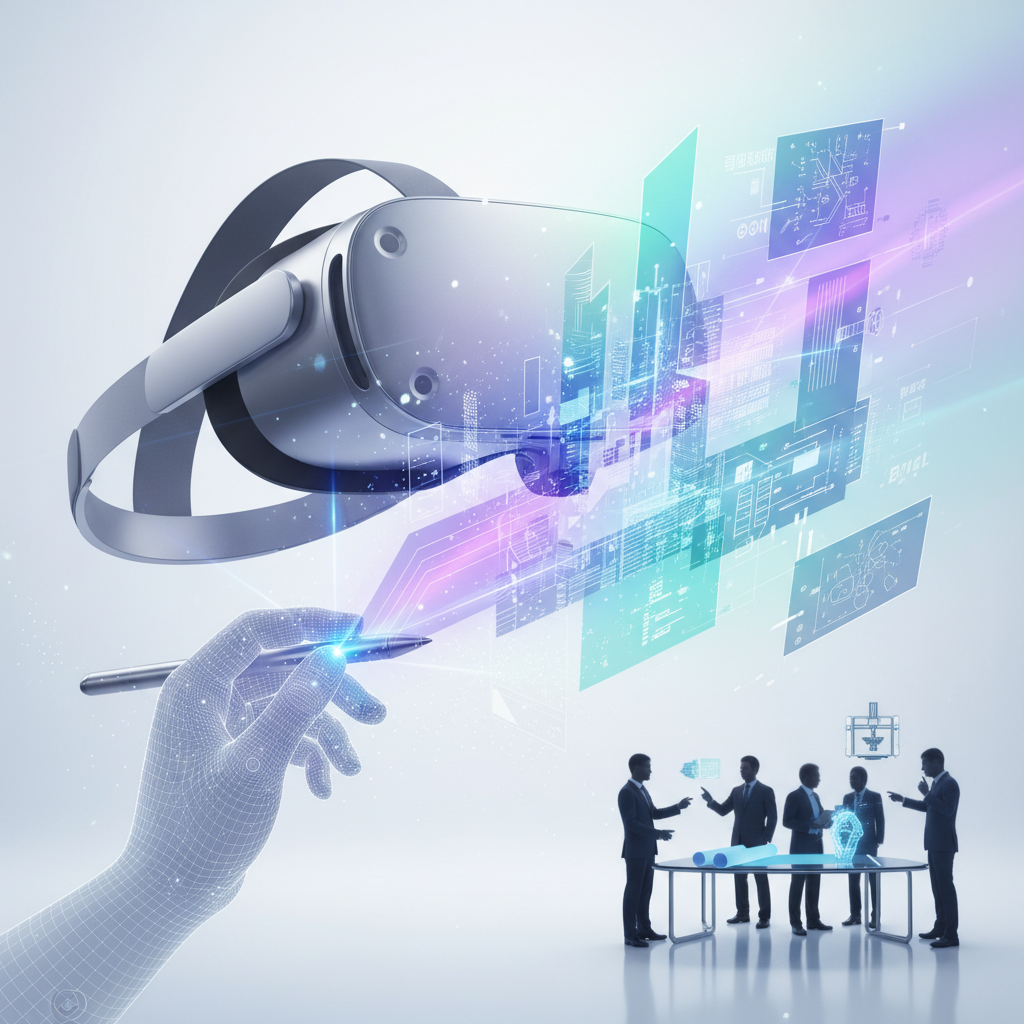
This immersive approach allows architects to visualize their projects at real scale, sculptors to work with their hands in a virtual environment, and product design teams to rapidly iterate on 3D prototypes.
Emerging Creative Applications
Creative sectors particularly leverage:
- Architecture: virtual tours of unbuilt spaces
- Industrial design: prototype validation before manufacturing
- Digital art: immersive sculptures and installations
- Fashion: virtual try-ons and collection design
The creation of VR applications and interactive 3D experiences is becoming democratized, allowing companies to develop custom tools adapted to their specific needs.
Training and Simulation: Immersive Learning
VR training applications are experiencing remarkable growth, particularly in high-risk sectors such as medicine, industry, and aeronautics. The Quest 3 allows for the creation of secure learning environments where learners can make mistakes without real-world consequences.
Hospitals use VR to train surgeons on complex procedures, while industrial companies simulate emergency or maintenance situations. This approach reduces training costs while significantly improving knowledge retention.
Pedagogical Benefits of Immersion
Learning in virtual reality offers unique benefits:- Enhanced memorization through sensory experience
- Unlimited repetition of technical gestures
- Objective performance evaluation
- Personalized adaptation to learning pace
Events and Experiential Marketing
The Quest 3 is also transforming the event industry. Virtual trade shows allow exhibitors to present their products in environments impossible to recreate physically. Visitors can manipulate complex industrial equipment, explore buildings under construction, or discover distant tourist destinations.
Meta For Work solutions offer a complete ecosystem of professional applications tailored to the specific needs of each sector.
This approach revolutionizes B2B marketing by creating memorable experiences that leave a lasting impression on prospects. The conversion and engagement rates measured at VR events significantly exceed those of traditional formats.
Technical Challenges and Gradual Adoption
Despite its many advantages, the adoption of Quest 3 in businesses still faces some obstacles. The learning curve remains significant for users unfamiliar with VR, and the limited battery life of the headset (2-3 hours) can constrain some intensive uses.
Companies must also invest in training their teams and adapting their work processes. However, feedback shows that these challenges are quickly overcome, especially when the benefits become tangible.
The evolution towards solutions like those explored in cloud computing facilitates the integration of VR into existing infrastructures.
The Professional Future of Virtual Reality
The Meta Quest 3 represents a decisive turning point in the democratization of professional VR. With the upcoming arrival of new generations of processors like those analyzed in TSMC A16 vs Intel 18A, the performance and battery life of VR headsets will continue to improve. This technological development is fully in line with the tech news summary at the dawn of 2026.
Analysts predict a massive adoption of these technologies by 2026, particularly in the training, design, and remote collaboration sectors. The convergence between VR, artificial intelligence, and 5G connectivity promises even more innovative uses. An exploratory mission on metaverses highlights these future prospects.
This transformation is part of a broader dynamic of digitalization of business processes, where companies are seeking differentiating tools to improve their productivity and attractiveness to talent.