Maximizing Solar Yield: Tips and Technologies 2025
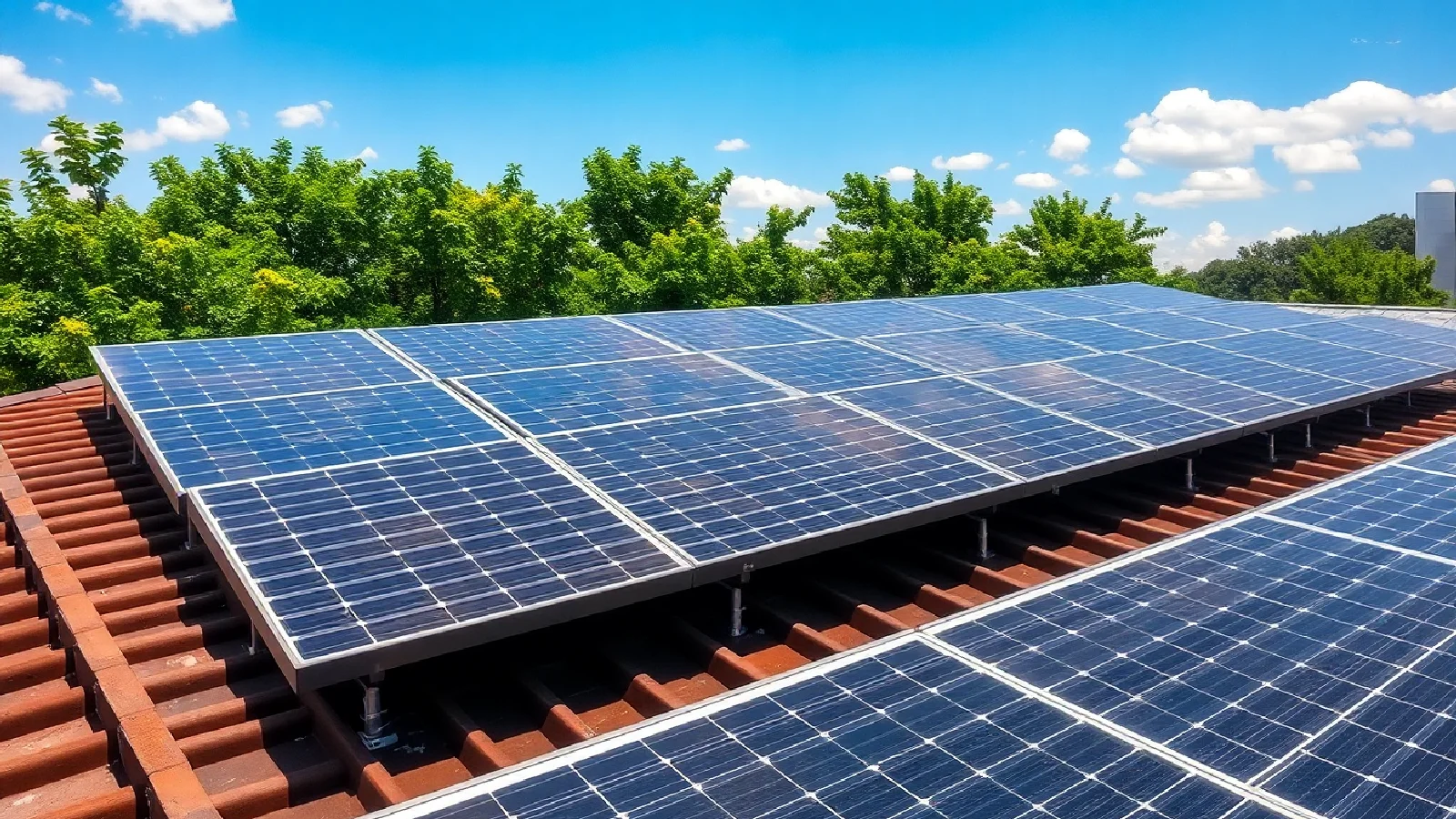
Optimizing solar installations goes far beyond simply placing panels on a roof. In a context where energy efficiency is becoming crucial, owners of photovoltaic installations are looking for innovative ways to maximize their yield. Between new technologies and proven optimization methods, 2025 marks a decisive turning point for the solar sector.
Current photovoltaic panels achieve efficiencies of 19 to 23% depending on the technology used. However, this figure reflects only part of an installation's true potential. Overall system optimization can increase production by 15 to 40% depending on installation conditions.
Optimizing Panel Orientation and Tilt
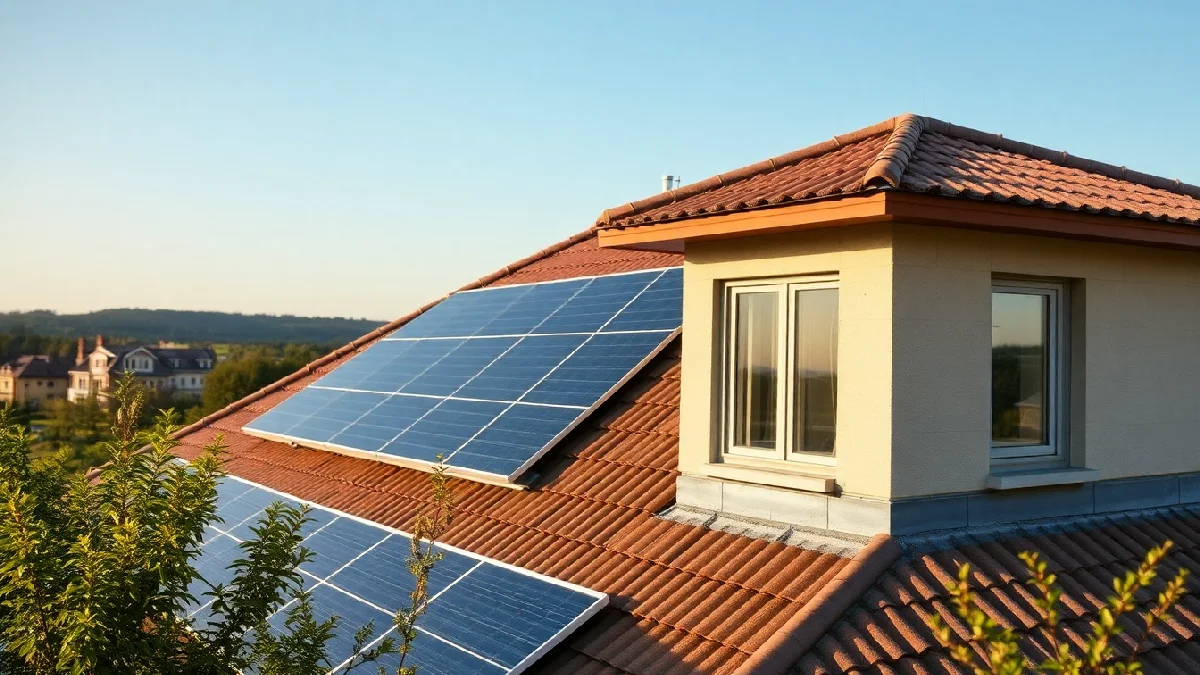
Optimal orientation remains a decisive factor for maximizing solar production. In the northern hemisphere, a due south orientation with an inclination between 15° and 45° offers the best results. However, recent studies show that a south-west dual orientation can be more profitable for self-consumption.
Variable tilt according to seasons also offers significant advantages. In winter, an angle greater than 60° allows for better capture of the low sun, while in summer, a reduced tilt avoids overproduction at midday. This adaptability can be automated using modern solar tracking systems [^1].
Ventilation under the panels is another often overlooked aspect. Leaving modules "aired" rather than embedded in the roof improves efficiency by 5 to 10% by limiting overheating. This simple technical measure is particularly effective on days with strong sunshine.
Advanced Cell Technologies: TOPCon and HJT
TOPCon (Tunnel Oxide Passivated Contact) cells are revolutionizing the photovoltaic market in 2025. This technology offers efficiencies above 23% with better long-term stability. Annual degradation drops from 0.6% to just 0.4%, significantly extending productive lifespan [^2].
HJT (Heterojunction) cells represent another major advance. Combining crystalline silicon and amorphous silicon layers, they achieve record efficiencies of 26% in the laboratory. Their lower temperature coefficient (-0.24%/°C vs. -0.4%/°C for standard silicon) makes them particularly suitable for hot climates.
"TOPCon and HJT technologies increase production by 10 to 15% compared to traditional PERC cells, while offering better resistance to degradation" - Photovoltaic Technology Report 2025
Perovskite-silicon tandems promise efficiencies exceeding 30% by 2026. This technology, currently being commercialized, combines the complementary properties of the two materials to capture a wider light spectrum.
| Cell Technology | Typical Efficiency | Annual Degradation | Key Feature |
|---|---|---|---|
| TOPCon | > 23% | 0.4% | Better stability |
| HJT | > 24% (26% lab) | Low | Good in hot climates |
| Perovskite-silicon | > 30% (target) | N/A | Wide spectrum |
Bifacial Panels and Reflective Surfaces
Bifacial panels capture solar energy on both sides, using direct light and light reflected from the ground. Installed at height with a light-colored ground (white gravel, snow), they can increase production by 10 to 25% depending on conditions.
Optimizing reflective surfaces under bifacial panels is a low-cost improvement strategy. A white or silver coating can increase albedo from 20% to 80%, thus maximizing the bifacial effect.
The spacing between rows of bifacial panels also requires particular attention. Optimal spacing avoids shading while maximizing reflection, creating a balance between installation density and unit production.
Smart Inverters and Power Optimization
Smart inverters now incorporate artificial intelligence to optimize conversion in real time. These systems constantly analyze irradiance conditions, temperature, and load variations to automatically adjust operating parameters.
Micro-inverters are a particularly effective solution for partially shaded installations. By equipping each panel with a dedicated inverter, they minimize losses related to production disparities between modules. This technology can improve overall efficiency by 5 to 20% depending on the site configuration [^3].
Advanced MPPT (Maximum Power Point Tracking) management uses predictive algorithms based on weather and historical data. This approach anticipates production variations and optimizes the operating point of the panels accordingly.
New generation inverters also integrate predictive diagnostic functionalities. They analyze the performance of each module to detect early failures or degradations, allowing for proactive maintenance of the installation.
Solar Tracking Systems and Tracking
Single-axis solar tracking can increase production by 10 to 15% in temperate regions. Dual-axis systems achieve gains of 20 to 25%, but their complexity generally reserves them for large-scale installations.
Linear trackers adapted for flat roofs offer an interesting compromise for individuals. These systems track the sun only on the east-west axis, reducing complexity while retaining most of the benefits of solar tracking.
Integrating weather sensors allows tracking systems to automatically retract in case of strong wind or hail, thus protecting the investment. This safety feature is essential in regions exposed to bad weather [^4].
Coatings and Surface Treatments
Nanostructured anti-reflective coatings reduce reflection losses from 4% to less than 2%. These surface treatments, inspired by insect eyes, more efficiently capture light from all angles of incidence.
Self-cleaning films based on titanium dioxide photocatalytically decompose organic dirt. This technology significantly reduces maintenance needs while maintaining optimal efficiency, particularly beneficial in dusty environments.
Applying hydrophobic coatings facilitates the evacuation of water and particles during precipitation. This feature improves the natural self-cleaning of panels and reduces the accumulation of deposits likely to decrease performance.
Energy Storage and Smart Management
Integrating storage systems optimizes the use of produced energy. Current lithium-ion batteries achieve efficiencies of 95% in a full cycle, allowing excess production to be stored for later use.
Energy management algorithms analyze consumption habits and weather forecasts to optimize charge-discharge cycles. This predictive approach can increase self-consumption by 15 to 30% depending on the usage profile.
For those who wish to deepen their knowledge of storage systems, our guide on DIY lithium battery pack assembly offers a detailed technical perspective.
The emergence of sodium-ion batteries could revolutionize home storage thanks to their reduced cost and better thermal stability. These alternative technologies deserve particular attention, as explained in our analysis of the role of sodium-ion batteries in the energy transition.
BIPV Technologies and Architectural Integration
Photovoltaic solar tiles combine roof protection and electricity production in an aesthetically integrated solution. Although their efficiency is generally lower than traditional panels (15-18%), they offer an acceptable alternative for listed buildings.
Photovoltaic facades exploit vertical surfaces to increase the total productive area. Oriented east-west, they effectively complement roof production by capturing morning and evening sun.
Integrating semi-transparent photovoltaic windows allows electricity to be produced while maintaining natural lighting. This emerging technology achieves efficiencies of 8 to 12% with a light transmission of 20 to 40%.
Predictive Maintenance and Monitoring
Continuous performance monitoring allows for rapid detection of anomalies and optimization of operation. Modern monitoring systems analyze the production of each panel to identify faulty or underperforming modules.
Thermal inspection drones are revolutionizing the maintenance of large installations. They detect hot spots, cracks, or connection defects invisible to the naked eye, allowing for targeted and efficient maintenance.
Predictive maintenance uses artificial intelligence to anticipate failures by analyzing historical data and environmental conditions. This proactive approach reduces intervention costs and maximizes installation availability [^5].
For those considering a complete DIY approach, our solar panel installation guide details the practical aspects of these optimization technologies.
Conclusion
Optimizing a solar installation in 2025 relies on a multi-faceted approach combining technological innovations and best practices. Advanced cell technologies like TOPCon and HJT, combined with smart inverters and tracking systems, can significantly improve performance.
Integrating smart storage solutions and adopting optimized coatings complete this optimization strategy. These improvements, applied consistently, significantly increase return on investment while contributing to the energy transition.
The future of solar lies in this technological synergy, where each optimized component contributes to maximizing the overall efficiency of the system. Owners of current and future installations can thus benefit from these advances to make their solar investment profitable in the long term.
[^1]: OPTIMIZING the yield of your solar installation [^2]: Top 5 recent innovations in panels ... [^3]: Optimize a solar panel: 10 tips for more ... [^4]: SOLAR ENERGY PHOTOVOLTAIC TECHNOLOGY ... [^5]: evaluation of high energy efficiency constructions ...