Grand Challenges: $125M to Transform Cancer Research
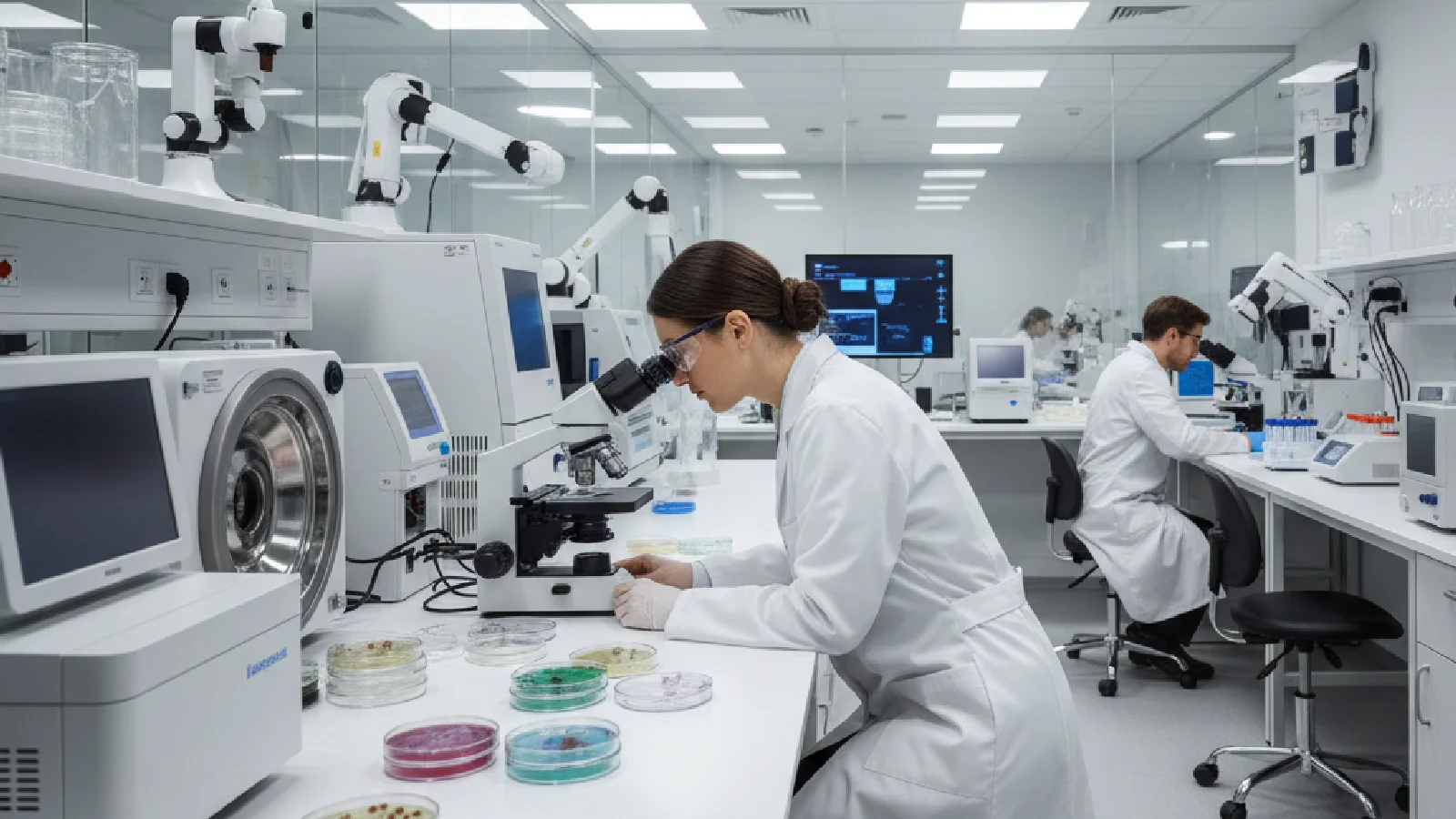
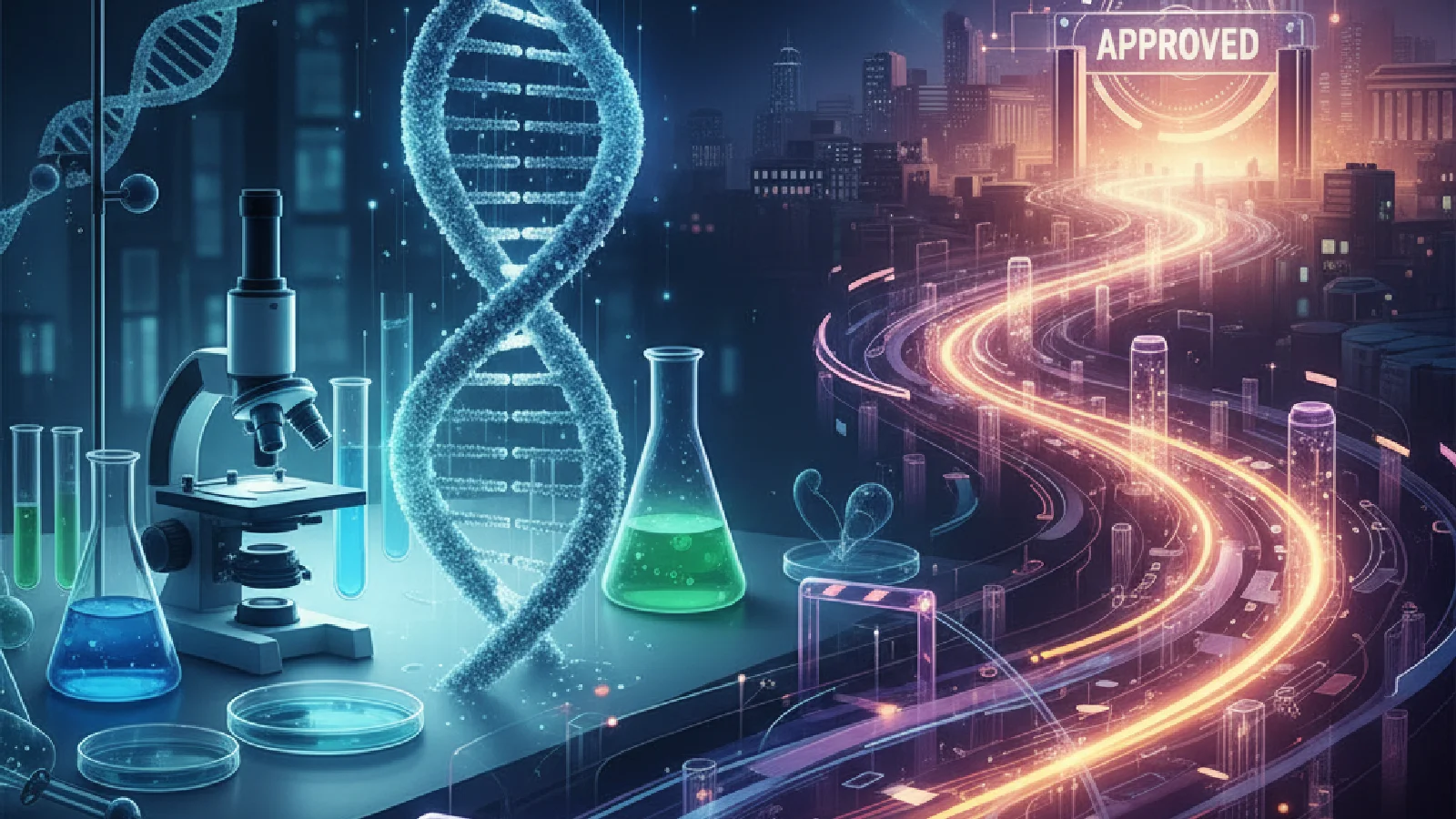
In February 2025, the French National Cancer Institute and Cancer Research UK formalized a major scientific partnership around the Cancer Grand Challenges program. Endowed with a $125 million fund, this international initiative finances five collaborative projects involving research teams across several continents. Each project adopts a distinct approach to explore scientific territories still largely uncharted: pan-cancer early detection, adaptive therapies against resistance, rapid pediatric oncology, next-generation immunotherapies, and systematic identification of therapeutic targets. Together, these initiatives illustrate a profound transformation in oncological research, now based on massive data sharing, the integration of cutting-edge technologies, and global clinical coordination.
ATLAS: Half a Million Participants to Detect Cancers Before Symptoms
The first project, named ATLAS, relies on a global cohort of 500,000 participants followed longitudinally. The ambition: to discover and validate blood biomarkers capable of identifying different types of tumors before any clinical manifestation. The teams combine in-depth multi-omic analyses — genomics, transcriptomics, proteomics — with artificial intelligence models trained to detect subtle molecular signatures in the blood.
Longitudinal imaging complements this system by correlating biological signals with the actual appearance of tumor lesions. This transversal approach aims to establish pan-cancer screening tests, meaning they are applicable simultaneously to several types of cancer, a major innovation compared to current targeted examinations. In France, the National Cancer Institute and Cancer Research UK emphasize that this partnership paves the way for truly personalized prevention strategies.
PROTECT: Anticipating and Countering Treatment Resistance
The second axis, PROTECT, focuses on one of oncology's most formidable challenges: therapeutic resistance. Tumor cells evolve under treatment pressure, developing escape mechanisms that render therapies ineffective. To counter this phenomenon, PROTECT maps the evolutionary trajectories of tumors in real-world treatment conditions.
Researchers use single-cell sequencing to observe how each cancer cell reacts to treatment, spatial transcriptomics to understand the three-dimensional organization of these cell populations, and mathematical models to predict resistance patterns. This data informs the design of adaptive therapeutic regimens: instead of applying a fixed protocol, medical teams adjust drug combinations in real-time to block escape pathways before they become widespread.
This dynamic approach, inspired by evolutionary biology, transforms how oncologists approach patient monitoring. It foreshadows precision medicine that no longer merely characterizes the tumor at diagnosis but integrates its continuous evolution into the therapeutic strategy.
NEXT-Gen: Accelerating Access to Targeted Therapies for Children
Pediatric cancers represent a painful reality: they remain the leading cause of disease-related death in children in many developed countries. The NEXT-Gen project addresses this urgency by creating a global network of pediatric oncology centers coordinated around three pillars: rapid genomic sequencing, functional screening of treatments by CRISPR, and pipelines for repurposing already approved drugs.
Upon diagnosis, the child's tumor genome is sequenced within days. The identified genetic alterations are compared against a library of drugs tested in vitro on cell models derived from the tumor itself. The objective: to propose a therapy adapted to the tumor's genetic profile within weeks, a radically shorter timeframe than conventional care pathways. In France, the Imagine for Margo association has enabled over 9,200 children to benefit from personalized treatments in Europe, illustrating the concrete impact of these innovative approaches.
NEXT-Gen Project Overview
| Pillar | Objective | Impact |
|---|---|---|
| Rapid genomic sequencing | Identify tumor genetic alterations within days | Drastic reduction in diagnostic time |
| Functional screening by CRISPR | Test drug efficacy in vitro on unique tumor models | Selection of therapies adapted to genetic profile |
| Drug repurposing | Use drugs already approved for other pathologies | Rapid access to potentially effective treatments |
SAVANA: Expanding the Immunotherapy Arsenal
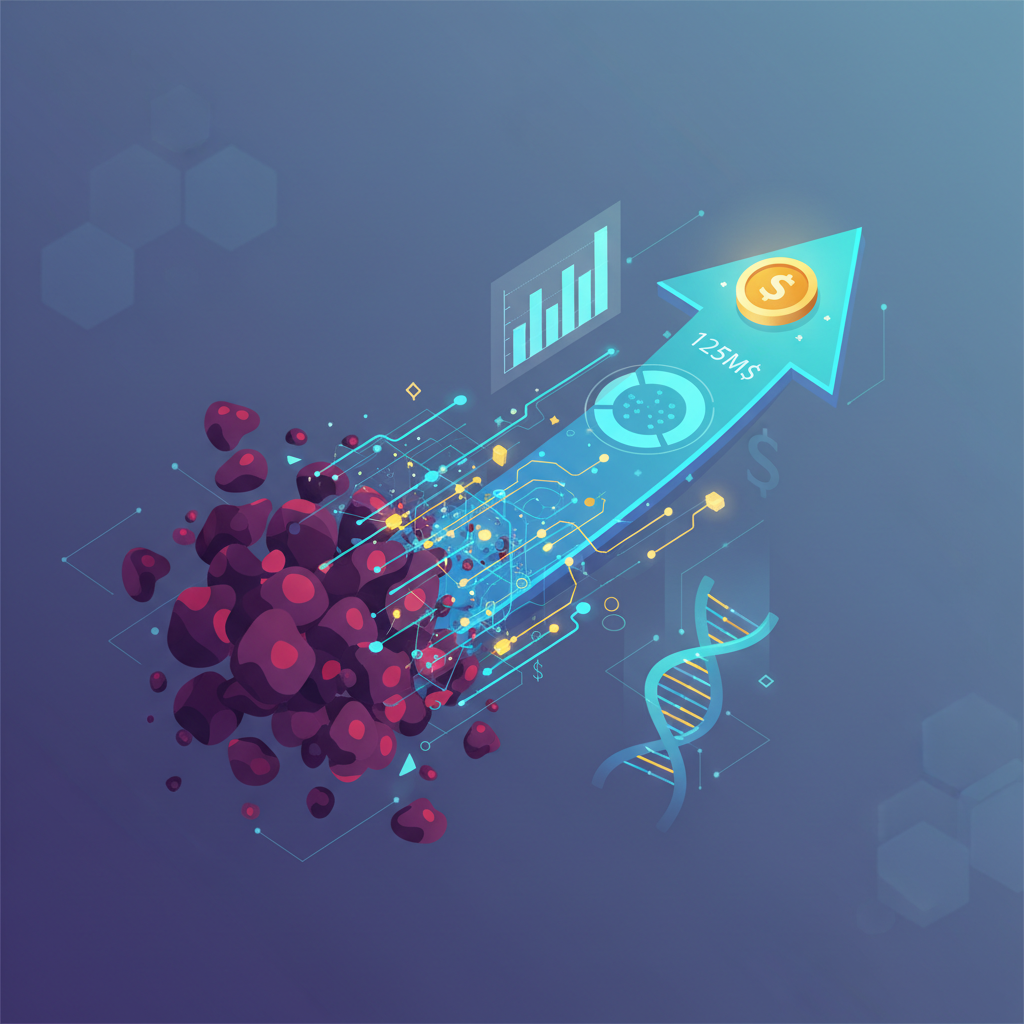
Immunotherapy has transformed the management of certain cancers by mobilizing the patient's immune system against tumor cells. However, a significant proportion of patients do not respond or develop resistance. The SAVANA project aims to broaden the efficacy spectrum of these therapies by developing three innovative approaches:
- Bispecific antibodies capable of simultaneously recruiting immune cells and targeting multiple tumor antigens.
- Improved cell therapy platforms, including genetically modified T lymphocytes to better infiltrate solid tumors.
- Vaccine candidates designed from tumor antigens identified by high-throughput screening.
The entire process relies on massive immunological profiling of patients and the use of artificial intelligence to select the epitopes — fragments of tumor proteins — most likely to trigger a robust immune response. This data-driven selection strategy significantly accelerates preclinical development and increases the chances of success in clinical trials.
PICK-IT: A Global Library to Identify Therapeutic Targets
The last pillar of the program, PICK-IT, adopts an infrastructural approach. The teams are creating an open-access library of cancer cell lines and organoids — mini-tumors grown in the lab — edited by CRISPR. Each model is designed to test the impact of inactivating a specific gene on tumor survival and proliferation.
This system allows researchers worldwide to quickly identify essential drivers — genes indispensable for tumor growth — and test drug combinations on robust preclinical models. By drastically shortening the target discovery cycle, PICK-IT aims to accelerate the transition from identifying a molecular anomaly to a drug candidate entering clinical trials.
The opening of this resource to the entire scientific community illustrates a central philosophy of the Cancer Grand Challenges program: open collaboration and data sharing as levers for collective progress. This approach breaks with traditional silos in pharmaceutical and academic research to create a decentralized and collaborative innovation ecosystem, similar to dynamics observed in other cutting-edge sectors like gene therapies.
A New Era for International Oncological Research
The five projects of the Cancer Grand Challenges program share several structural characteristics. Each relies on cutting-edge technological platforms — high-throughput sequencing, genomic editing, artificial intelligence, advanced imaging — and mobilizes international networks of clinical and academic centers. The generated data is aggregated in shared IT infrastructures, enabling cross-analyses and unexpected discoveries.
This collaborative model contrasts with traditional approaches, often compartmentalized by institution, discipline, or geography. It is part of a broader trend in biomedical research, where complex challenges require transdisciplinary consortiums and coordinated investments. In France, research funding stakeholders recognize that this new scientific organization is an essential lever for accelerating the translation of fundamental discoveries into clinical practices. For more information on global research ethics, see our article on epistemic justice.
“Collaboration is essential to outsmart cancer.”
— Manon Pepin, Cancer Research Society
Beyond the expected scientific results, the Cancer Grand Challenges program embodies a strategic vision: that of open, collaborative research oriented towards concrete public health objectives. The potential benefits — early detection tests, personalized therapies, an expanded immunotherapeutic arsenal — could profoundly change the landscape of oncological care in the coming decade.
The five projects are not just a juxtaposition of scientific initiatives: they form an integrated ecosystem where each advance can feed the others. Biomarkers identified by ATLAS can guide PROTECT's adaptive strategies. SAVANA's immunological profiles can inform NEXT-Gen's therapeutic choices. Targets discovered via PICK-IT can enrich all pipelines. This systemic synergy amplifies the impact of every dollar invested.
In a context where cancers represent a growing burden on global health systems (Cancer Grand Challenges Instagram), the Cancer Grand Challenges program illustrates an ambitious and coordinated response. It shows that oncological science is entering a new phase, characterized by the integration of disruptive technologies, the pooling of resources, and a strong political will to transform research into tangible benefits for patients.