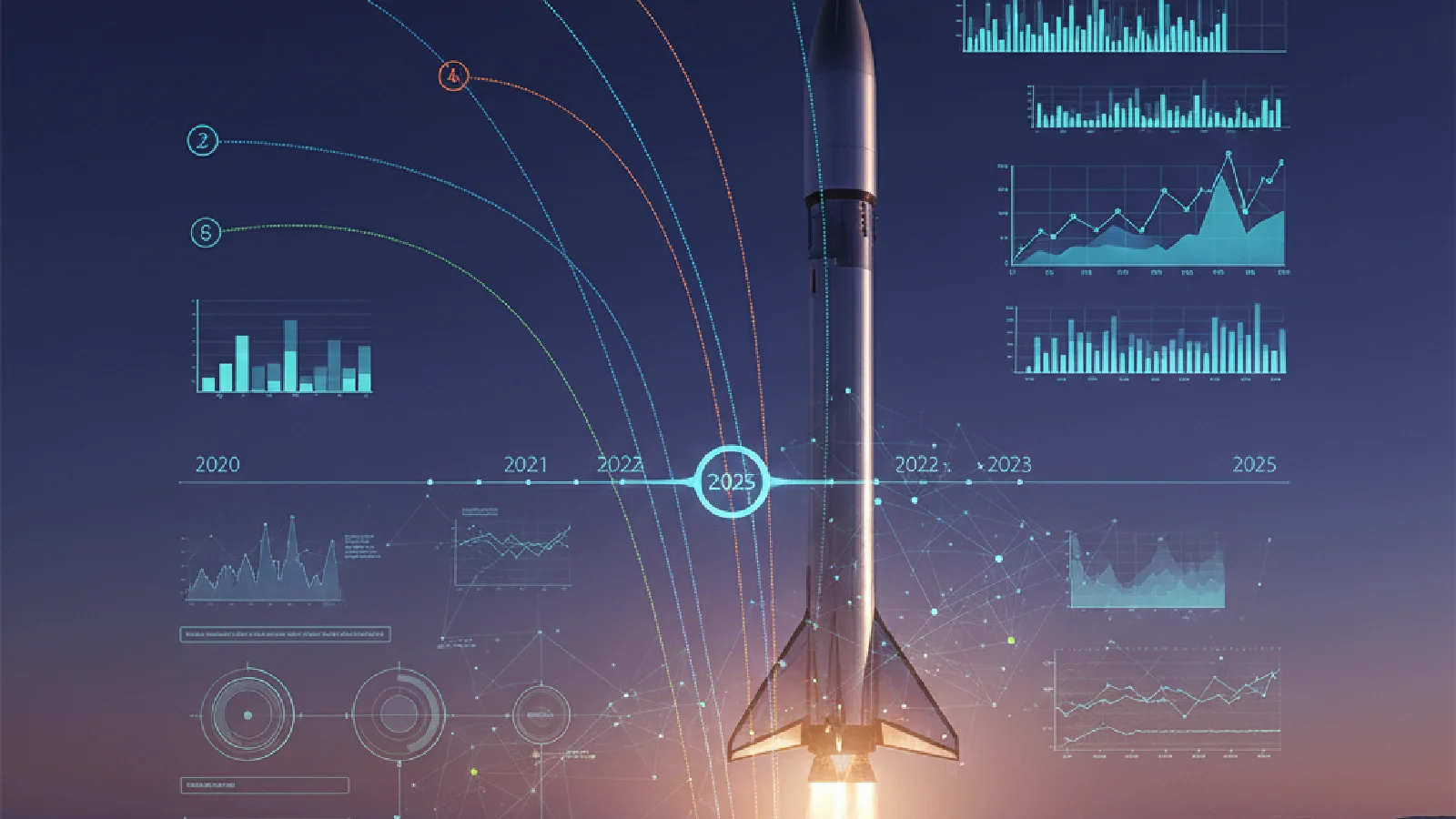
NASA's Cutting-Edge Technologies: Beyond Space Exploration
In the collective imagination, NASA is often synonymous with astronauts floating in zero gravity, Martian rovers exploring distant landscapes, and telescopes scrutinizing the most remote corners of the universe. Yet, the American space agency, whose history is marked by major innovations and scientific challenges, goes far beyond these emblematic feats. Its research and development (R&D) portfolio is a true hotbed of cutting-edge technologies, pushing the limits of our understanding of the universe and our place within it.
This article explores how NASA, in partnership with industry leaders and the open-source community, uses disruptive technological advancements like artificial intelligence (AI) to transform space exploration, the search for extraterrestrial life, and the study of exoplanets. Far from the classic images of space conquest, NASA is engaged in a scientific quest that constantly redefines the boundaries of what is knowable.
Through ambitious SETI/CETI detection programs and exoplanet imaging, the agency deploys sophisticated tools to answer fundamental questions: Are we alone in the universe? What are the characteristics of worlds beyond our solar system? And how does technological innovation continue to drive these crucial discoveries?
Artificial Intelligence at the Heart of Space Innovation
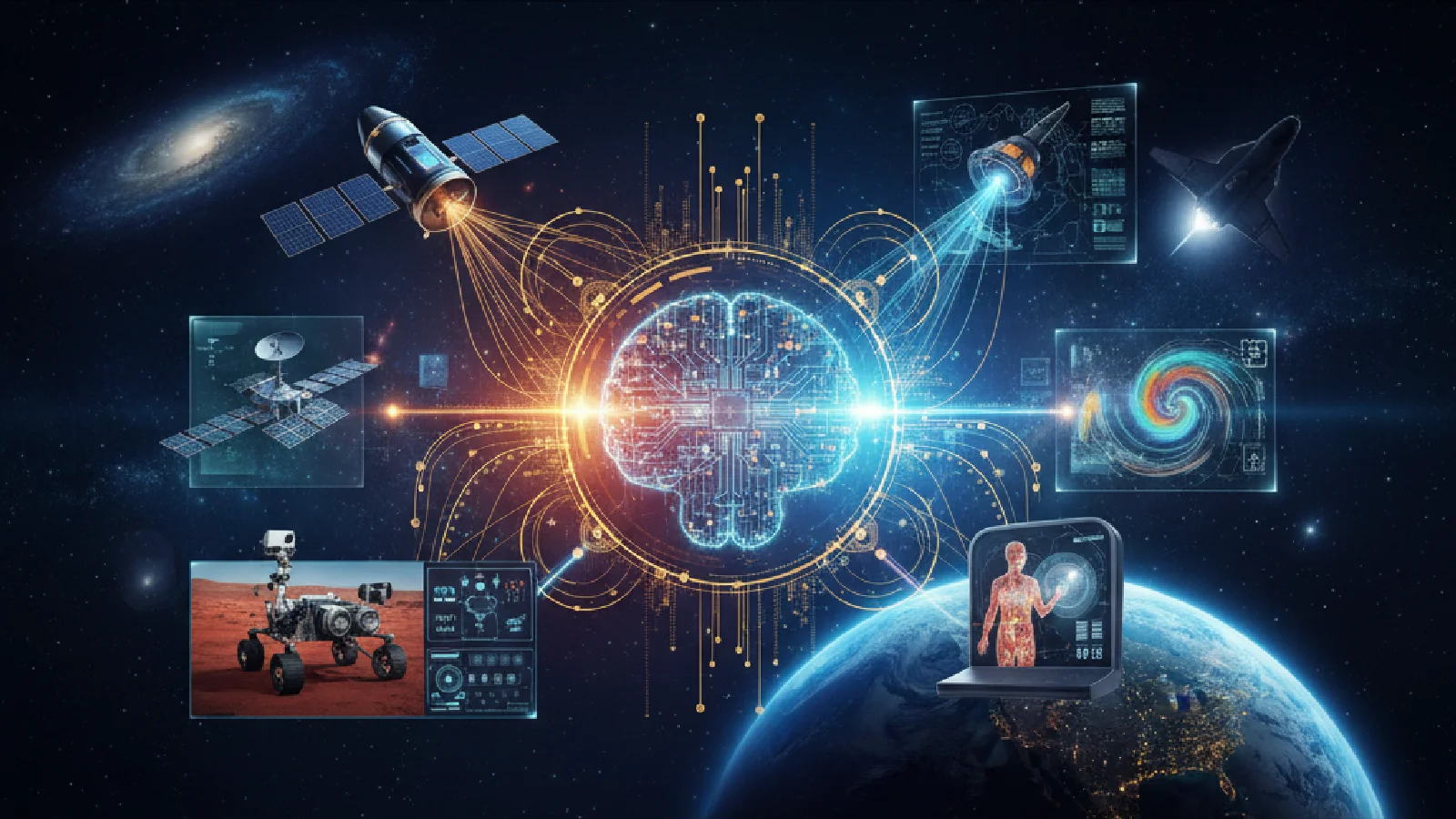
Artificial intelligence has become an essential pillar of NASA's initiatives, revolutionizing methods for data processing, anomaly detection, and autonomous decision-making. By partnering with companies like IBM and relying on the expertise of the open-source community, the agency integrates AI at all levels of its operations, as described by this source.
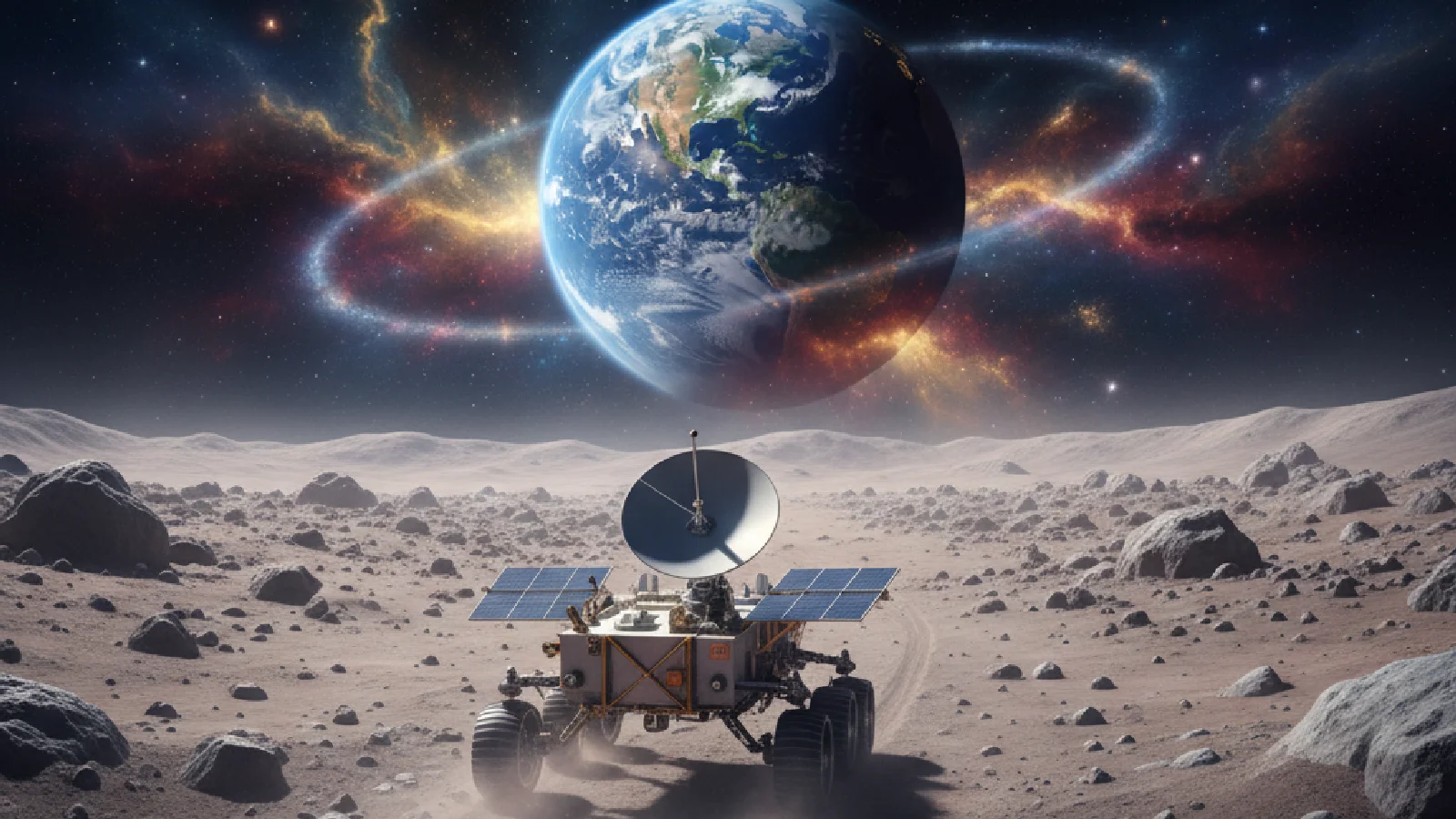
This collaboration significantly accelerates the processing of massive data streams generated by space missions, whether from orbital observations or information collected by robotic rovers on celestial bodies, similar to Mars exploration by robots. AI not only allows for faster analysis of this data but also identifies trends or anomalies that would be undetectable to the human eye.
Algorithms for Autonomous Exploration
Machine learning algorithms are increasingly used to enable spacecraft and robots to operate more autonomously. This capability is crucial for distant missions where communication delays make real-time control impossible. AI imbues these machines with a form of embedded intelligence, allowing them to make complex decisions and adapt to unforeseen environments without constant intervention from Earth.
This includes tasks such as navigating complex terrains, selecting relevant samples, and optimizing resource utilization. In fact, several recent NASA missions employ artificial intelligence systems to improve their efficiency and discovery capabilities. Among the 5 robots pushing the boundaries of space exploration, several incorporate advanced AI capabilities, including those mentioned in this article. Whether facilitating exploration or managing critical resources, AI is essential for these missions.
The Quest for Extraterrestrial Life: SETI and CETI
One of NASA's most profound missions is undoubtedly the search for life beyond Earth. Two major programs embody this quest: the SETI (Search for Extraterrestrial Intelligence) program and the CETI (Cosmic Evolution Survey) program. These initiatives rely on cutting-edge technologies to scan cosmic signals and characterize exoplanets.
SETI: Listening to the Universe
NASA's SETI program, now integrated into the Breakthrough Listen project, is at the forefront of the search for intelligent signals. It uses machine learning algorithms to analyze immense data streams from iconic radio telescopes such as the Green Bank Telescope and the Arecibo Observatory. The goal is to detect narrow-band, repetitive, or modulated signals that could indicate an intelligent origin rather than natural cosmic phenomena.
This digital approach allows for filtering out interfering “noise” and identifying suspicious patterns with unprecedented precision. AI's ability to process these data volumes makes sky surveillance possible in a way that was previously inconceivable, opening new perspectives in the search for extraterrestrial civilizations. This step is crucial and underscores the importance of cutting-edge technology in all space conquest.
CETI: Searching for Biosignatures on Exoplanets
In parallel, NASA's CETI program uses high-resolution imaging and spectroscopy techniques to detect biosignatures on exoplanets. These biosignatures are chemical or physical indicators of life, such as the presence of oxygen, methane, or other complex molecules in a planet's atmosphere. The research focuses particularly on exoplanets located in the habitable zones of nearby stars, where conditions could be conducive to the existence of liquid water.
Exoplanet Imaging: Seeing the Invisible
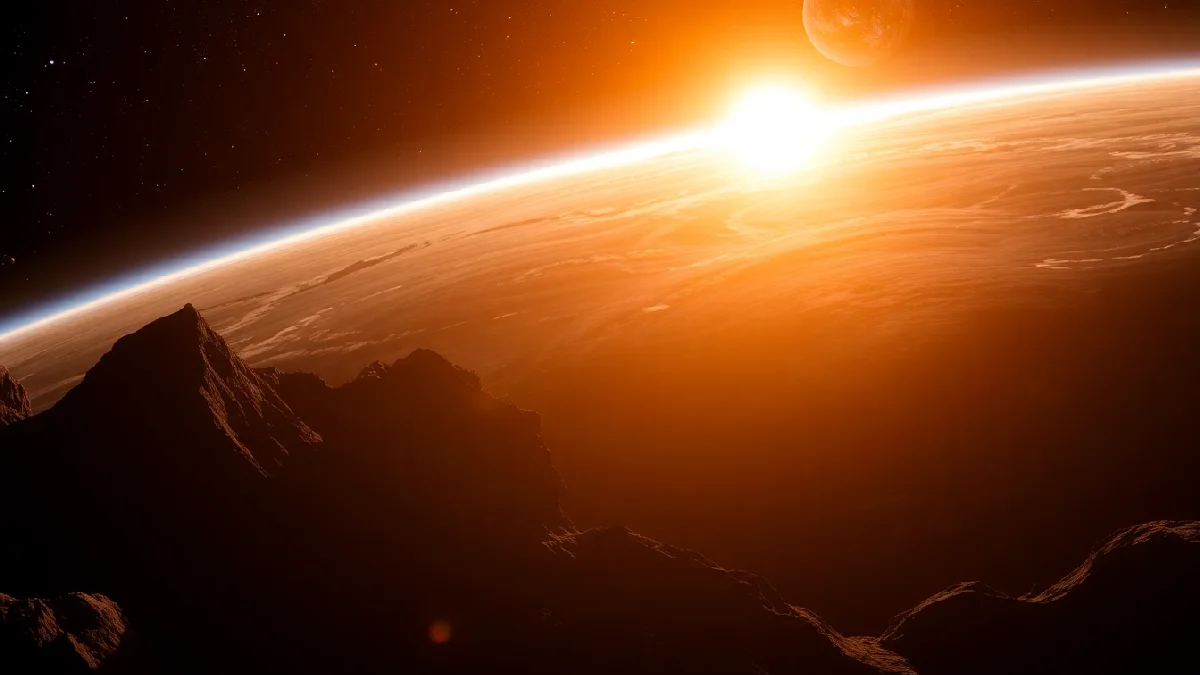
Direct imaging of exoplanets is one of the most challenging endeavors in modern astronomy. The brightness of their host stars makes detecting these worlds extremely difficult. However, thanks to next-generation space telescopes, NASA is constantly pushing the limits of this capability.
The James Webb Space Telescope (JWST)
The James Webb Space Telescope represents a major breakthrough in exoplanet imaging. With its unparalleled infrared sensitivity, it not only allows for direct imaging of these distant worlds but also offers the possibility of characterizing their atmospheres in detail through transit spectroscopy, as highlighted in this article. When an exoplanet passes in front of its star, part of the star's light passes through its atmosphere, revealing its chemical composition.
These observations are crucial for determining whether an exoplanet has an atmosphere conducive to life, or even signs of life. The JWST is capable of detecting subtle variations in the light spectrum, allowing scientists to identify gases like water vapor, carbon dioxide, and potentially biosignatures. This telescope allows us to “see the invisible,” offering unprecedented insights into worlds located light-years from Earth.
The Future Nancy Grace Roman Space Telescope
The future Nancy Grace Roman Space Telescope promises to further revolutionize exoplanet imaging. Equipped with a wide-field, high-contrast coronagraph, it will be able to directly image Earth-sized planets around stars similar to our Sun. The coronagraph is an ingenious instrument that blocks the intense light of the host star, thus allowing the much fainter light reflected by the orbiting exoplanets to be detected.
This capability will open a new era for the study of exoplanets, particularly those that could harbor life. The Roman telescope's technology will enable more detailed observations and the discovery of many new worlds, enriching our catalog of potentially habitable planets.
The Impact on Astrophysics and Planetary Science
NASA's R&D initiatives, particularly in AI and exoplanet imaging, have profound repercussions on astrophysics and planetary science. They are transforming how we study the universe, from the origins of the cosmos to the formation of planetary systems. NASA's contribution is fundamental to understanding our universe, according to this overview.
Understanding the Formation and Evolution of the Universe
By detecting and characterizing exoplanets, scientists can better understand planetary formation processes and the evolution of stellar systems. Data collected by the JWST and the future Roman telescope will provide crucial clues about the diversity of planets and the frequency of potentially habitable worlds. These studies also help refine cosmological models and better comprehend the origins and development of the universe.
Pushing the Boundaries of Knowledge
In summary, NASA's research and development efforts are not limited to space exploration in the traditional sense. They extend to a quest for fundamental knowledge, constantly pushing the boundaries of planetary science and astrophysics. The integration of artificial intelligence, the sophistication of space telescopes, and programs dedicated to the search for extraterrestrial life converge to offer us an ever-finer and more complete understanding of the cosmos in which we evolve.
Key NASA Innovations for Space Exploration
| Innovation | Key Contribution | Impact on Exploration |
|---|---|---|
| Artificial Intelligence | Data processing, anomaly detection, autonomy | Accelerates analysis, enables distant exploration |
| SETI/CETI Programs | Search for intelligent signals and biosignatures | Detects signs of life or extraterrestrial civilizations |
| James Webb Telescope (JWST) | Infrared sensitivity, transit spectroscopy | Characterizes exoplanet atmospheres, “sees the invisible” |
| Nancy Grace Roman Telescope | Wide-field, high-contrast coronagraph | Direct imaging of Earth-sized exoplanets |
Conclusion
NASA, much more than a space exploration agency, is a driver of technological and scientific innovation. Its R&D programs, focused on artificial intelligence, the detection of extraterrestrial signals via SETI/CETI, and advanced exoplanet imaging, are redefining our understanding of the universe.
From using machine learning algorithms to decipher cosmic data to the ability of telescopes like the James Webb and the future Nancy Grace Roman to “see” distant worlds and analyze their atmospheres, the agency is opening new windows onto the cosmos. These advances do not just reveal new planets; they bring us closer to answering one of humanity's oldest questions: Are we alone? By constantly pushing the boundaries of science, NASA continues to inspire and shape our vision for the future of space exploration and the search for life beyond Earth. To learn more, discover our other articles on Space & Astronomy.