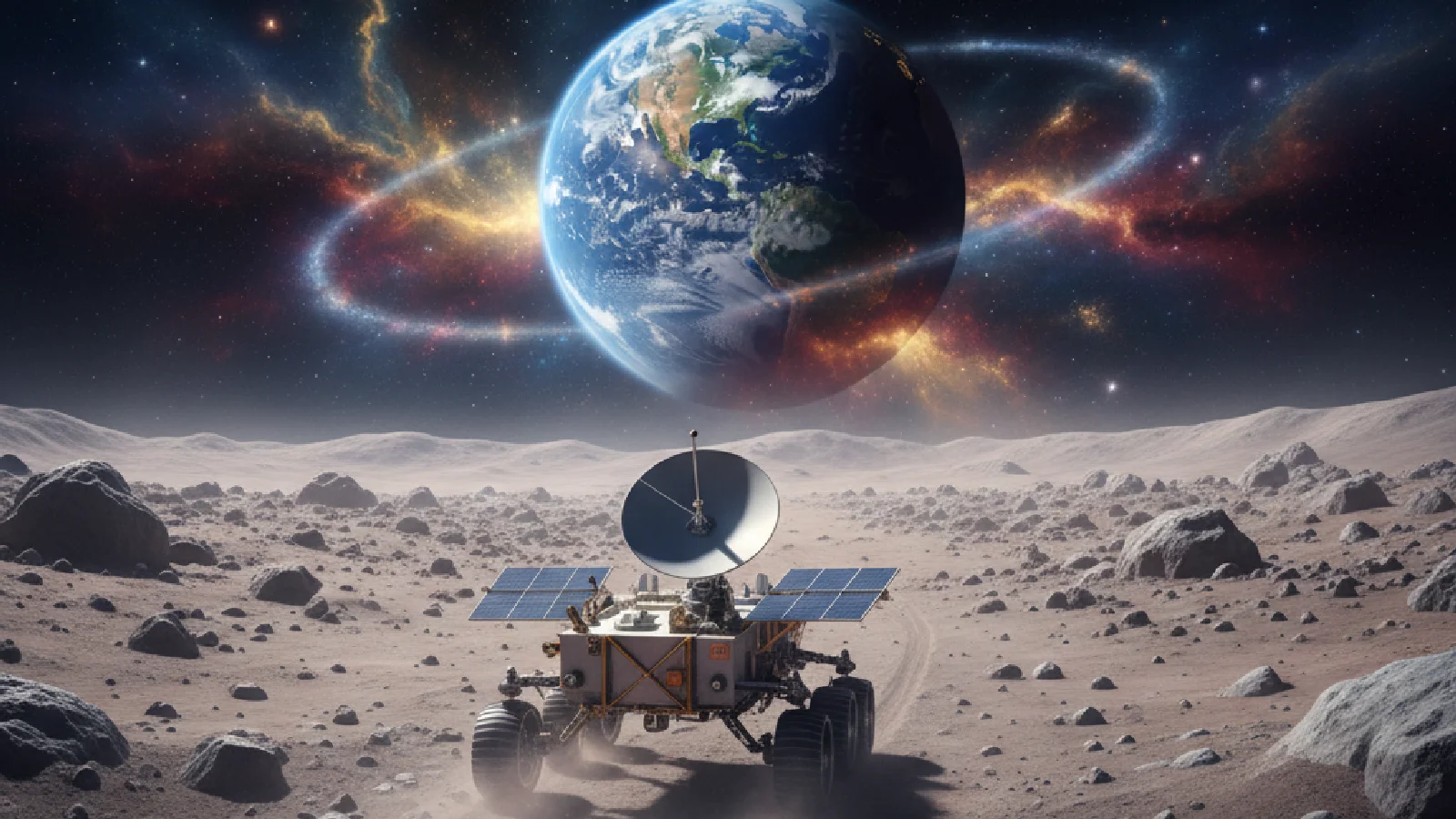
Blue Origin: Bezos Bets on Space, Bigger Than Amazon
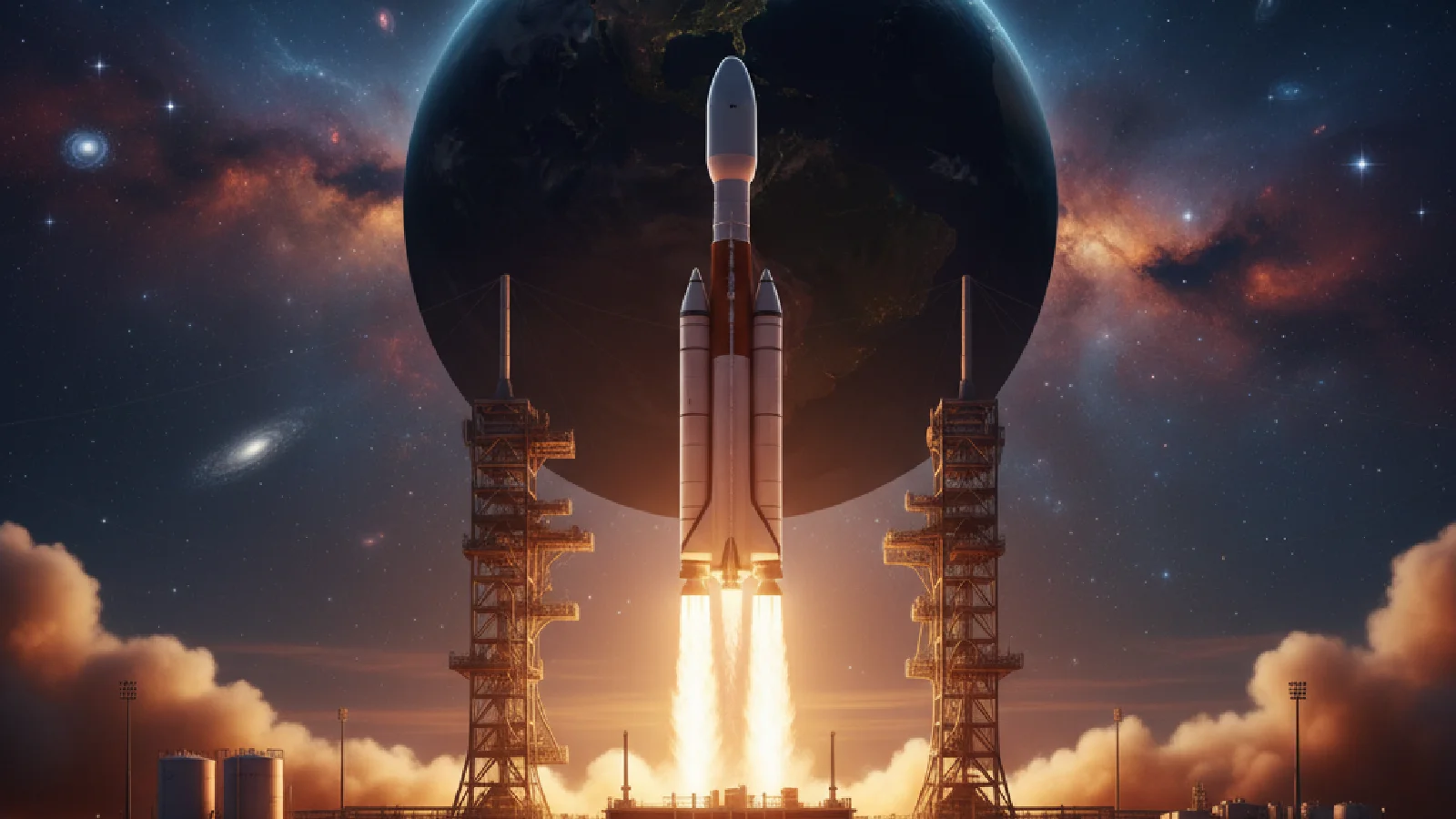
Jeff Bezos doesn't do things by halves. After revolutionizing e-commerce with Amazon, the billionaire is now betting everything on space with Blue Origin. His prediction? This space company will one day surpass Amazon's market capitalization. An ambition that may seem excessive, but which is based on a long-term vision as audacious as the one that transformed an online bookstore into a tech giant.

The entrepreneur currently invests approximately one billion dollars per year of his personal fortune into Blue Origin, funding this venture by selling Amazon shares. This strategy strangely recalls Amazon's early days, when Bezos consistently reinvested profits to grow rather than satisfy short-term shareholders.
A Space Vision Comparable to the Amazon Bet
The comparison between Blue Origin and Amazon's beginnings is no coincidence. In the 1990s, Jeff Bezos identified the internet as the next economic frontier. Today, he sees space as humanity's new playground. His vision, according to The New York Times, is clear: "We're going to build a road to space. And then, amazing things will happen."
This methodical approach is reminiscent of Amazon's strategy. Rather than focusing on immediate profits, Bezos prioritizes building fundamental infrastructure. Just as Amazon created the foundations of global e-commerce, Blue Origin aims to build the space highways of the future.
The stated goal far exceeds typical commercial ambitions. Bezos envisions a "space civilization" capable of accommodating one trillion human beings in the solar system. This grand vision is based on a simple calculation: terrestrial energy growth at 3% per year will, in a few centuries, require covering the entire surface of the Earth with solar panels.
Here is a comparative table of the founding visions:
| Company | Economic Frontier | Key Infrastructure | Long-Term Goal |
|---|---|---|---|
| Amazon | Internet | Global E-commerce | Universal access to goods |
| Blue Origin | Space | Space Highways | Space Civilization |
The Space Reusability Revolution
Blue Origin's technological bet relies on rocket reusability, a technical challenge that SpaceX met in 2015 with Falcon 9. In November 2025, Blue Origin reached a crucial milestone by demonstrating the successful recovery of the first stage of its New Glenn rocket. This technical feat positions the company as the second global player capable of this performance.
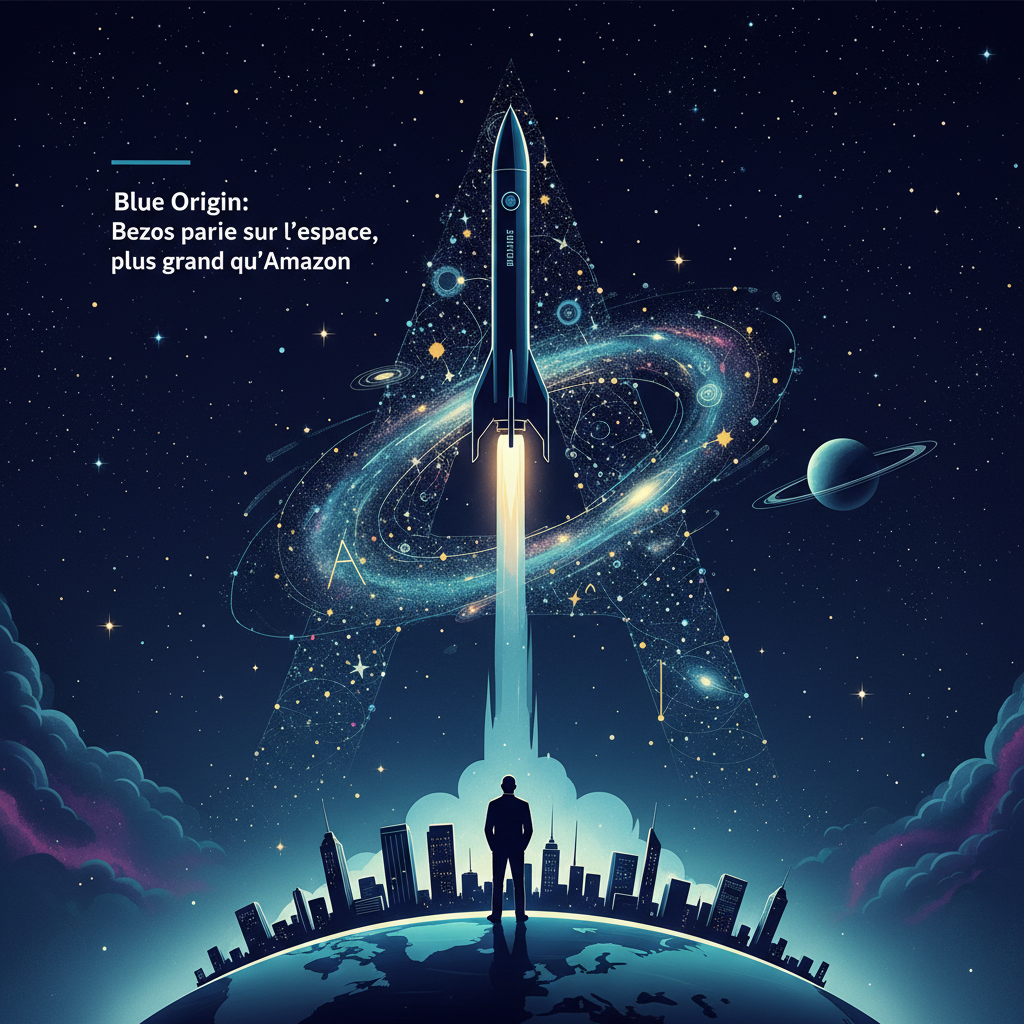
"Once you go into space, you have, for all practical purposes, unlimited resources again," Bezos explains in his visionary presentation.
This reusability represents the cornerstone of the space economic model. Just as Amazon benefited from existing infrastructure (internet, payment systems, credit cards), Blue Origin aims to create the missing infrastructure to democratize access to space.
Concrete applications are beginning to emerge:- New Shepard: Operational suborbital tourist flights
- New Glenn: Heavy-lift launcher for satellites and lunar missions
- Blue Moon: Lunar lander for NASA
- Kuiper: Satellite constellation project in synergy with Amazon
Amazon's Technological Ecosystem Serving Space
Blue Origin's competitive advantage lies in Amazon's technological ecosystem. Artificial intelligence, advanced robotics, and Amazon Web Services' cloud computing capabilities offer unique synergies for space operations.
This vertical integration is reminiscent of Amazon's strategy in the 2000s, when the company transformed its internal infrastructure into cloud services for third parties. Blue Origin could follow a similar trajectory, offering its space infrastructure services to other players.
The Kuiper constellation perfectly illustrates this convergence. This project of 3,236 internet satellites, a competitor to Starlink, will generate recurring revenue while fueling the development of Blue Origin's launch capabilities.
The Challenges of Exponential Growth
Despite its stated ambitions, Blue Origin is currently far from Amazon's performance. The company has not yet generated significant revenue, unlike Amazon, which has a market capitalization of over $1.5 trillion.
The challenges are numerous:
- Intense competition: SpaceX currently dominates 90% of the orbital launch market
- Long development cycles: Unlike software, aerospace requires decades of R&D
- Colossal investments: Development costs run into tens of billions
- Complex regulation: The space sector involves numerous regulatory constraints
Patience will be crucial. Amazon took over 20 years to become profitable, and Bezos seems ready to replicate this long-term investment strategy with Blue Origin.
A Space Economic Revolution in the Making
The comparative analysis between Amazon and Blue Origin reveals striking parallels in Bezos's strategy. Just as Amazon created an ecosystem allowing millions of businesses to thrive, Blue Origin aims to build the infrastructure enabling the emergence of a space economy.
The potential economic benefits are gigantic. The exploitation of space resources, from space tourism to in-orbit industry, could generate trillions of dollars in added value. The latest discoveries from the Webb telescope also reinforce our understanding of the universe and the opportunities it holds.
This vision is part of an international race. China, Europe, and other players are developing their own space capabilities, creating a dynamic competitive ecosystem.
Conclusion
Jeff Bezos's bet on Blue Origin is based on a proven logic: identify a nascent technological revolution and build the necessary infrastructure for its flourishing. If Amazon transformed global commerce, Blue Origin aims to transform humanity into a spacefaring species.
This transformation will take time, probably decades. But Amazon's history demonstrates that patience and a long-term vision can generate unthinkable economic revolutions. The question is no longer whether the space economy will emerge, but which players will dominate it.
In this space race, Blue Origin has unique assets: Bezos's entrepreneurial experience, Amazon's technological synergies, and above all, the financial capacity to sustain massive long-term investments. Enough to make space the next territory of conquest for the Bezos empire.
FAQ (JSON format - translate question and answer fields only):