
Graphene: Concrete Applications and Industrialization Challenges
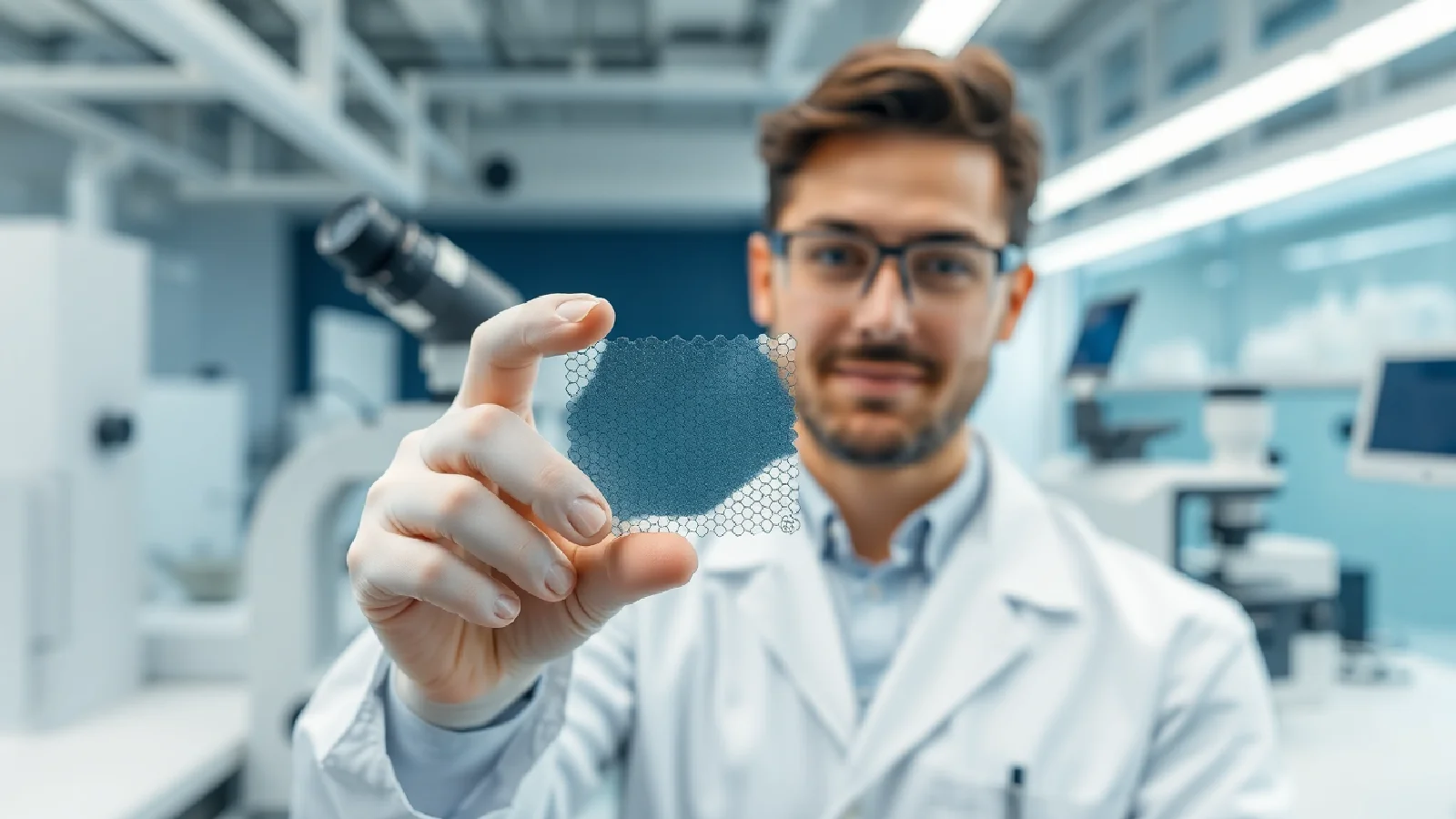
Composed of an atomically thin layer of carbon arranged in a hexagonal lattice, graphene possesses a unique combination of properties that fascinates the global scientific community. With mechanical strength 100 times greater than steel at equal weight, exceptional electrical and thermal conductivity, and 97% optical transparency, this miracle material opens up revolutionary prospects in many industrial sectors.
Discovered in 2004 by Andre Geim and Konstantin Novoselov, Nobel Prize winners in Physics 2010, graphene is now reaching a crucial stage: the transition from laboratory to industrialization. Between technological promises and production challenges, 2026 is shaping up to be a pivotal year for this material of the future.

Revolutionary Applications in Construction and Materials
The construction sector is one of the first areas to concretely benefit from the properties of commercialized graphene. Graphene oxide is now integrated into concrete mixtures to significantly improve compressive strength and reduce the permeability of structures.
Research conducted in Quebec shows conclusive results. According to a multiscale study of the effectiveness of graphene oxide in cement-based materials, the effects observed in the laboratory are reproduced with industrial products, paving the way for more durable building materials.
The incorporation of graphene into concrete notably allows for:- A 30 to 50% increase in compressive strength
- A significant reduction in water permeability
- Improved durability against freeze-thaw cycles
This innovation meets Canada's environmental and performance standards, while offering considerable structural lightening prospects for modern architecture.
Biomedical Revolution: Towards Smart Implants
The biomedical field represents one of the most promising applications of functionalized graphene. Thanks to its exceptional biocompatibility, this material is revolutionizing the design of implantable devices and controlled drug delivery systems.
Graphene-based coatings offer a favored cellular interface, natural antibacterial properties, and the possibility of integrating real-time health sensors. These advances pave the way for new-generation smart implants.
"Graphene allows for the creation of biocompatible interfaces that promote cellular integration while offering unprecedented physiological monitoring capabilities."
Concrete applications include catheters with antimicrobial surfaces, bone prostheses promoting osseointegration, and dialysis membranes with improved selective permeability. These innovations directly contribute to advances observed in fields such as 3D bioprinting aiming for complete organs by 2026.
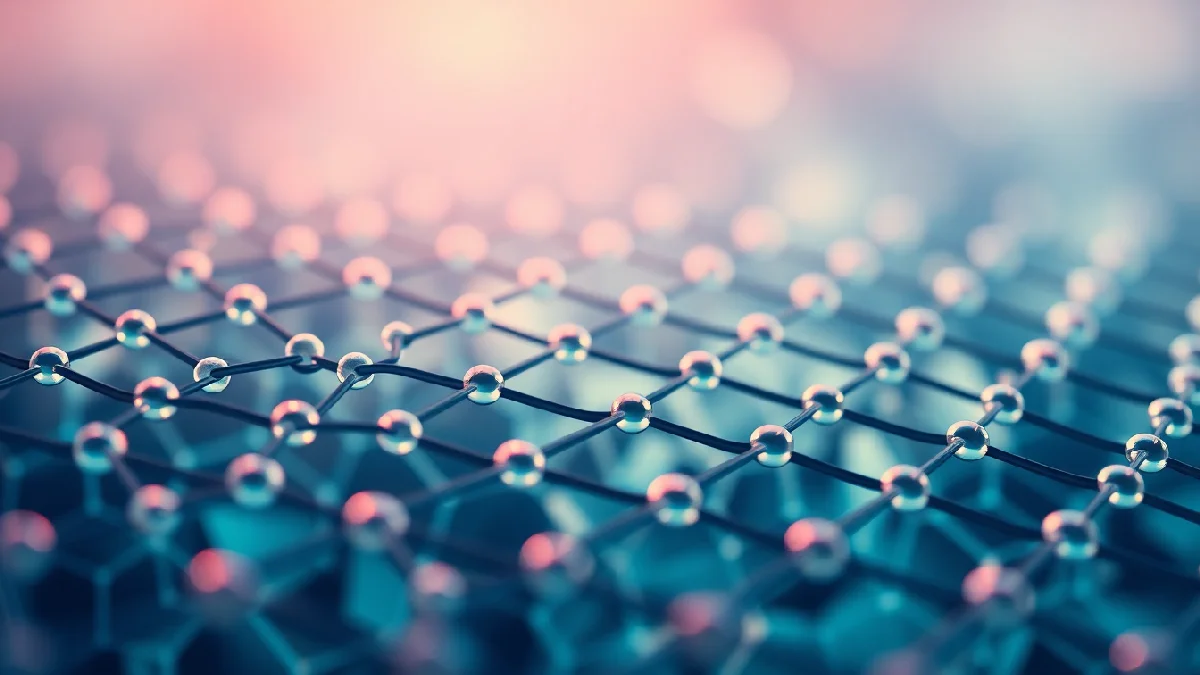
Advanced Electronics: Flexibility and High Performance
The electronics industry leverages graphene's unique properties to develop revolutionary components. Its exceptional conductivity and mechanical flexibility enable the creation of devices unthinkable with traditional materials.
Main applications focus on high-mobility field-effect transistors, flexible circuits printed on plastic substrates, and ultra-thin antennas. Graphene particularly excels in energy storage devices such as supercapacitors and new-generation batteries.
In the telecommunications sector, frequency filters exploit graphene's excellent high-frequency conductivity to optimize 5G and 6G communications. Advanced research also focuses on transparent touchscreens, wide-spectrum photodetectors, and spintronic devices manipulating electron spins.
These developments are part of the quantum innovation and AI ecosystem driven by startups in 2025, creating promising technological synergies.
Major Industrialization Challenges
Despite its revolutionary potential, graphene's industrialization faces significant obstacles that hinder its massive deployment. Large-scale production remains costly and technically complex.
Chemical Vapor Deposition (CVD) methods require expensive copper substrates and transfer processes that inevitably introduce structural defects. Liquid exfoliation techniques, while less expensive, produce flakes of variable size and quality, complicating property standardization.
Mastering several critical parameters determines industrial success:- Purity and defect density
- Homogeneous layer distribution
- Compatibility with conventional manufacturing processes
Health and safety aspects related to exposure to carbon nanoparticles also require the implementation of strict regulations and adapted handling protocols.
Comparative Table of Graphene Industrialization Challenges
| Challenge | Description | Impact |
|---|---|---|
| Production cost | Expensive substrates (CVD) and complex processes. | Profitability and accessibility. |
| Variable quality | Inconsistent flake size/quality (liquid exfoliation). | Property standardization. |
| Structural defects | Introduced during transfer (CVD). | Material performance. |
| Health and safety | Regulatory requirements and nanoparticle handling. | Industrial adoption and compliance. |
Economic Stakes and Supply Chain
The graphene industrial ecosystem must overcome complex economic challenges to achieve commercial viability. According to the portrait of critical and strategic mineral value chains in Quebec, consolidating the supply chain is a major issue. Furthermore, the Prospective Reflection Workshop (ARP) on 4 nano: nanomaterials, nanocharacterization, nanofabrication, nanophotonics (2015) already highlighted the importance of these chains. The development of advanced materials is a strategic sector for Quebec. A study for the deposition of nanostructured diamond thin films on 3D substrates also demonstrates the importance of specific materials and substrates.
Developing an integrated sector requires considerable investment in research and development, production equipment, and specialized training. The objective is to ensure a constant supply of high-quality materials while reducing the overall carbon footprint.
France and Quebec are strategically positioning themselves in this emerging market, benefiting from recognized scientific expertise and an industrial ecosystem favorable to advanced materials. Public-private partnerships and international collaborations accelerate technology transfer to industry.
Future Prospects and Emerging Markets
The horizon of 2026 looks decisive for graphene industrialization. Massive investments in applied research and industrial partnerships are beginning to bear fruit, with the emergence of commercial products integrating this revolutionary material.
The automotive, aerospace, and energy sectors are showing increasing interest in graphene applications, particularly in structural lightening and improving energy performance. Consumer electronics are gradually integrating graphene-based components, especially in mobile devices and flexible screens.
The convergence between nanotechnologies and artificial intelligence, similar to developments observed in CRISPR gene editing revolutionizing therapies, accelerates innovation in the field of smart materials.
Conclusion
Graphene confirms its status as a miracle material with concrete applications that are gradually transforming industry. From construction to biomedical implants, and advanced electronics, its exceptional properties open up revolutionary prospects.
However, industrialization remains a complex challenge requiring sustained investment and a coordinated approach between public research and industrial development. Recent advances in production processes and quality standardization suggest a gradual democratization of this exceptional material.
2026 will likely mark a decisive turning point, with the emergence of commercial products massively integrating graphene and the consolidation of a viable industrial sector. Success will depend on our ability to overcome technical, economic, and regulatory challenges to fully unleash the potential of this material revolution.
FAQ (JSON format - translate question and answer fields only): [ { "answer": "Graphene has mechanical strength 100 times greater than steel at equal weight, exceptional electrical and thermal conductivity, 97% optical transparency, and great flexibility. This unique combination of physical properties makes it applicable in many industrial sectors.", "question": "What are the main properties that make graphene revolutionary?" }, { "answer": "Graphene is concretely applied in construction (concrete reinforcement), biomedicine (implants and antibacterial devices), electronics (flexible components, batteries), and telecommunications (5G/6G filters). These commercial applications demonstrate the material's industrial viability.", "question": "In which sectors does graphene already find concrete applications?" }, { "answer": "Industrialization faces major challenges: high production costs, difficulties in quality standardization, issues with purity and defect density, compatibility with existing processes, and the need for regulations for the health safety of nanoparticles.", "question": "What are the main obstacles to graphene industrialization?" }, { "answer": "The graphene market is experiencing accelerated growth with the emergence of integrated commercial products. The automotive, aerospace, and energy sectors are investing heavily, while consumer electronics are gradually adopting graphene-based components, particularly in mobile devices.", "question": "How is the graphene market evolving by 2026?" }, { "answer": "Yes, Quebec and France benefit from recognized scientific expertise and industrial ecosystems favorable to advanced materials. Public research investments, industrial partnerships, and international collaborations strengthen their strategic positioning in this promising emerging market.", "question": "Are Quebec and France well-positioned in this market?" } ]